- Company Articles
- Products and Technology
- Product knowledge
- Key Features to Look for in Medical-Grade Flat Swivel Castor Wheels

Key Features to Look for in Medical-Grade Flat Swivel Castor Wheels
Related Product
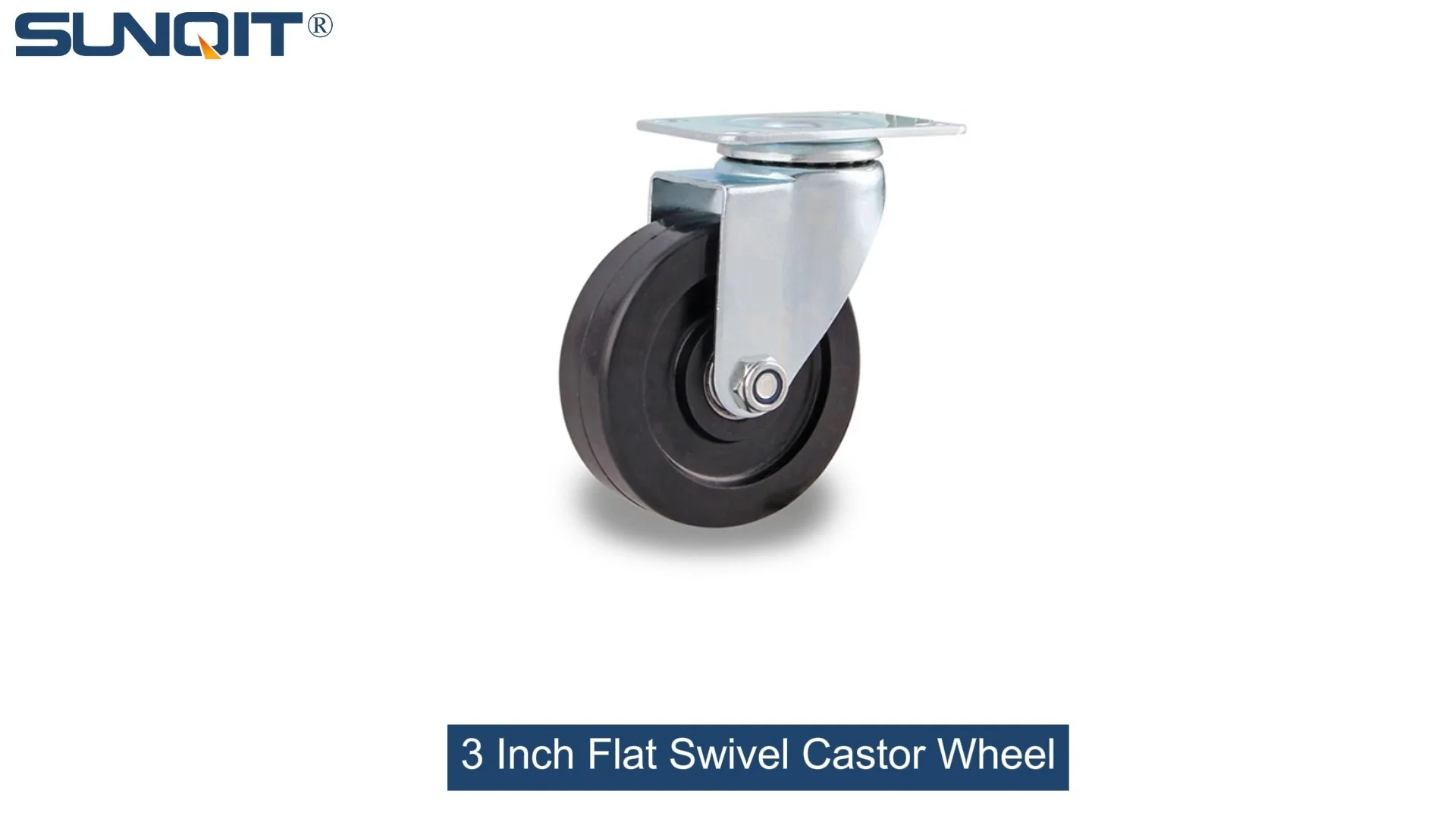
Flat Swivel Castor Wheel
Chair Casters Ball Bearing Wheels Rubber Base. Resistant to abrasion, impact and corrosion. Heavy payload can hold 70-90Kgs per pcs,which can make it works at a stable and smooth status.
In the fast-paced world of healthcare, every piece of equipment plays a silent but critical role in patient care and operational efficiency. From medication carts gliding between hospital wings to mobile workstations delivering supplies to surgical suites, the mobility of these tools hinges on a component often overlooked: the castor wheels. Among the various types available, flat swivel castor wheels stand out for their versatility, especially in medical settings where precision, safety, and hygiene are non-negotiable. But not all castor wheels are created equal—medical-grade options demand a unique set of features to meet the rigorous demands of hospitals, clinics, and laboratories. In this article, we'll dive into the key characteristics that define high-quality medical-grade flat swivel castor wheels, why they matter, and how to choose the right ones for your facility.
Understanding the Role of Flat Swivel Castor Wheels in Healthcare
Before we explore the features, let's clarify why flat swivel castor wheels are a staple in medical environments. Unlike fixed castors, which only roll forward and backward, swivel castors rotate 360 degrees, allowing equipment to maneuver tight corners, navigate crowded hallways, and pivot in small spaces—think of an ultrasound machine needing to circle a patient's bed or a medication cart squeezing through a door frame barely wider than its width. The "flat" design refers to the wheel's tread or mounting plate, which sits flush with the equipment base, providing stability and reducing the risk of tipping. In healthcare, where even a minor collision can disrupt care or damage sensitive tools, this combination of flexibility and stability is indispensable.
But medical settings add layers of complexity. Equipment must be easy to clean to prevent cross-contamination, durable enough to withstand constant use, and quiet enough to avoid disturbing patients. A poorly chosen castor wheel can lead to more than just a squeaky cart—it could compromise sterility, increase staff fatigue, or even cause accidents. That's why selecting medical-grade flat swivel castor wheels requires careful consideration of specific features tailored to these unique challenges.
1. Material Selection: Balancing Durability, Hygiene, and Floor Protection
The first feature to evaluate is the material of the wheel itself. In medical environments, three factors dominate this decision: resistance to corrosion, ease of cleaning, and compatibility with floor surfaces. Let's break down the most common materials and their suitability:
For most medical applications, polyurethane (PU) and stainless steel are top choices. PU wheels strike a balance between noise reduction, floor protection, and chemical resistance—critical for daily cleaning with bleach or alcohol-based disinfectants. Stainless steel, often paired with a PU or rubber tread, is preferred in sterile environments like operating rooms, where corrosion resistance and non-porous surfaces prevent bacterial harborages. Avoid materials like uncoated aluminum or porous plastics, which can trap moisture and germs, undermining infection control efforts.
The Role of the Mounting Plate: Stainless Steel for Longevity
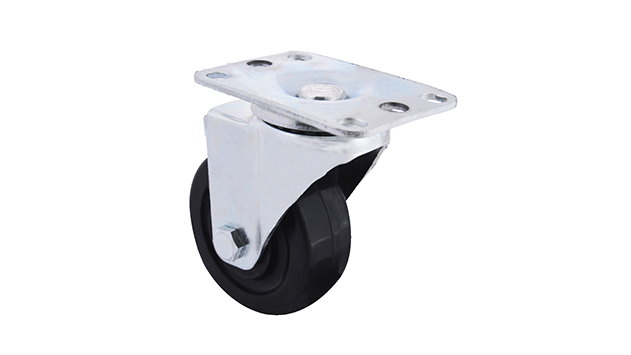
Beyond the wheel, the mounting plate—the part that attaches the castor to the equipment—deserves equal attention. Medical-grade flat swivel castor wheels typically feature mounting plates made from stainless steel, even if the wheel itself is PU or nylon. Stainless steel resists rust and corrosion from frequent cleaning, ensuring the castor remains securely attached to the equipment over time. A weak or corroded mounting plate could lead to the castor detaching, posing a serious safety risk. Look for plates with reinforced welds or heavy-duty bolts, as these are less likely to bend or break under the weight of loaded carts.
2. Load Capacity: Ensuring Safety Under Pressure
Medical equipment isn't light. A standard medication cart can carry hundreds of pounds of drugs, syringes, and supplies; a mobile imaging machine might weigh over 500 pounds. Flat swivel castor wheels must support these loads without deforming, wobbling, or failing. Load capacity is measured as the maximum weight a single castor can bear, and it's crucial to account for both the equipment's weight and its typical load. As a rule of thumb, always choose castors with a load capacity higher than the expected weight—overloading is a leading cause of castor failure.
For example, a mobile workstation weighing 300 pounds with four castors should use wheels rated for at least 100 pounds each (300 lbs ÷ 4 castors = 75 lbs per castor; adding a 30% safety margin brings it to 97.5 lbs, so 100 lbs is ideal). This ensures that even if the load shifts—say, a nurse leans on the cart while retrieving supplies—the castors won't strain. Overloaded castors may develop flat spots on the wheel, seize up, or damage the floor, leading to costly repairs and downtime.
Dual-Wheel vs. Single-Wheel Designs: Spreading the Load
Some flat swivel castor wheels feature dual wheels (two smaller wheels mounted on a single yoke) instead of a single large wheel. Dual wheels distribute weight more evenly, reducing pressure on the floor and lowering the risk of sinking into soft surfaces like carpeted patient rooms. They also offer better stability on uneven floors, a common issue in older healthcare facilities. For heavy equipment, dual-wheel castors are often the safer choice, though they may be slightly bulkier than single-wheel options.

3. Swivel Mechanism: Smooth Rotation for Effortless Maneuverability
The defining feature of swivel castors is their ability to rotate freely, but the quality of this rotation varies dramatically. In medical settings, where staff may push or pull equipment for hours daily, a smooth swivel mechanism isn't just a convenience—it's an ergonomic necessity. A stiff or jerky swivel can increase muscle strain, leading to repetitive motion injuries among nurses and technicians.
At the heart of the swivel mechanism is the bearing. High-quality medical-grade castors use precision ball bearings or roller bearings, which reduce friction and allow for effortless rotation, even under heavy loads. Look for castors with sealed bearings, as these prevent dust, hair, and cleaning fluids from entering and gumming up the mechanism. In contrast, open bearings may require frequent lubrication, which can attract dirt and compromise hygiene—two things medical facilities can't afford.
Another factor is the "swivel lead," the distance between the wheel's center and the swivel axis. A shorter lead makes the castor more responsive, ideal for tight turns, while a longer lead provides stability at higher speeds (though medical equipment rarely moves fast enough to need this). For most healthcare applications, a moderate swivel lead balances maneuverability and control, ensuring carts feel "light" to push even when fully loaded.

4. Braking Systems: Locking in Safety When Needed
In healthcare, equipment mobility is essential—but so is immobility. A medication cart must stay put during dosage preparation; a surgical instrument trolley shouldn't roll during a procedure. That's where braking systems come in, and medical-grade flat swivel castor wheels offer several options to ensure secure locking:
Total Lock Brakes: Halting Both Wheel and Swivel
The most secure braking system is the total lock (or "dual lock"), which locks both the wheel's rotation and the swivel mechanism. When engaged, the wheel can't roll, and the castor can't pivot, preventing the equipment from moving or shifting even on inclines. This is critical for equipment used during procedures, like anesthesia carts or mobile workstations in operating rooms, where stability can mean the difference between a successful operation and a dangerous mishap.
Wheel-Only Brakes: Controlling Movement Without Restricting Swivel
Wheel-only brakes lock the wheel but allow the castor to swivel. These are useful for equipment that needs to stay in place but may need minor adjustments—for example, a mobile ultrasound machine that's positioned next to a patient but needs to tilt or rotate slightly. Wheel-only brakes are often lighter and easier to engage than total locks, making them a good choice for carts used in less critical areas like supply rooms.
Ergonomic Brake Design: Accessibility for All Staff
A brake is only effective if staff can use it easily, even while wearing gloves or in a hurry. Medical-grade castors should have large, easy-to-reach brake pedals with a clear "on/off" indicator (e.g., a color-coded tab or raised text). The pedal should require minimal force to engage—no more than 30 pounds of pressure—to prevent strain, especially for staff with limited hand strength. Some models even feature "no-touch" brakes that can be activated with a foot, reducing contact with potentially contaminated surfaces.
Here, caster accessories play a supporting role. Brake pedals, axle covers, and dust caps are all part of the castor's ecosystem, and high-quality accessories ensure the braking system remains reliable over time. Cheap or flimsy brake pedals may break after repeated use, rendering the lock useless—another reason to prioritize medical-grade components.
5. Infection Control: Designing for Easy Cleaning and Sterility
In healthcare, the threat of cross-contamination is ever-present, and castor wheels are surprisingly high-risk surfaces. They roll through patient rooms, hallways, and even restrooms, picking up bacteria, viruses, and debris along the way. If not designed for easy cleaning, castors can become reservoirs for pathogens, transferring them to other areas when the equipment moves. Medical-grade flat swivel castor wheels must therefore prioritize hygiene in their design.
Seamless, Non-Porous Surfaces
The first line of defense is a seamless construction with no crevices, cracks, or hollow spaces where dirt and moisture can hide. Look for wheels with a one-piece tread (no glued-on layers) and mounting plates with smooth edges. Avoid castors with decorative grooves or embossed logos, as these are difficult to wipe clean. Even the swivel joint should be sealed to prevent fluid from pooling inside—some manufacturers use labyrinth seals, which create a maze-like barrier against liquids and debris while still allowing rotation.
Chemical Resistance
Medical facilities use aggressive cleaning agents, from bleach wipes to hydrogen peroxide sprays, to kill pathogens. The castor's materials must withstand these chemicals without degrading, cracking, or discoloring. Polyurethane and stainless steel are both highly chemical-resistant, while rubber may break down over time with frequent exposure to strong solvents. Always check the manufacturer's specifications to ensure the castor is compatible with your facility's cleaning protocols.
Quick-Release Options for Deep Cleaning
In high-risk areas like isolation rooms or surgical suites, castors may need periodic deep cleaning or sterilization. Some medical-grade models feature quick-release mechanisms, allowing the wheel to be removed from the mounting plate without tools. This makes it easy to soak the wheel in disinfectant or autoclave it (for heat-resistant materials), ensuring no hidden bacteria are left behind. While not necessary for all equipment, quick-release castors are a valuable feature for critical care or infectious disease units.
6. Floor Protection: Preserving Surfaces Without Sacrificing Performance
Healthcare facilities invest heavily in flooring—from durable vinyl in hallways to anti-slip rubber in operating rooms to carpet in patient recovery areas. A castor wheel that damages these surfaces can lead to costly repairs and safety hazards (e.g., a cracked vinyl floor becoming a trip risk). Medical-grade flat swivel castors must balance traction and floor protection, ensuring equipment moves smoothly without leaving marks or scratches.
Polyurethane wheels are a popular choice here, as their soft, resilient tread conforms slightly to the floor, reducing pressure and preventing scuffs. They also provide good traction, even on wet floors, lowering the risk of slips. For hardwood or polished concrete floors (common in lobbies or administrative areas), rubber wheels offer similar protection, though they may not be as durable as PU for heavy loads.
Avoid hard plastic or metal wheels without a protective tread, as these can gouge floors or leave black marks (a common issue with cheap nylon wheels). If metal wheels are necessary (e.g., for extreme heat resistance), opt for ones with a rubber or PU coating to buffer the floor contact.
7. Noise Reduction: Promoting a Calm Patient Environment
Hospitals are stressful enough for patients without the added disruption of squeaky carts or clattering equipment. Excessive noise can increase anxiety, disrupt sleep, and even hinder recovery—studies show that noisy hospital environments are linked to higher blood pressure and longer stays. Medical-grade flat swivel castor wheels should operate quietly, minimizing sound pollution in patient areas.
Quiet operation starts with the wheel material: polyurethane and rubber absorb vibrations, reducing rolling noise, while hard plastics or metal can create a loud, echoing sound on tile floors. The swivel mechanism also plays a role—sealed bearings with lubrication (food-grade or medical-grade grease, to avoid contamination) prevent the "squeak" that occurs when metal rubs against metal. Some manufacturers even design wheels with a tread pattern that disrupts sound waves, further muffling noise.
For neonatal units, intensive care units (ICUs), or psychiatric wards, where quiet is especially critical, look for castors labeled "ultra-quiet" or "low-noise." These models often feature specialized bearings and tread designs engineered to produce less than 50 decibels of noise—about the volume of a quiet conversation.
8. Compliance with Industry Standards: Ensuring Safety and Quality
In healthcare, every product must meet strict regulatory standards to ensure patient and staff safety. Medical-grade flat swivel castor wheels are no exception, and compliance with these standards is a non-negotiable feature. Key certifications to look for include:
- ISO 13485: This international standard specifies requirements for quality management systems in the medical device industry. Castors certified to ISO 13485 have undergone rigorous testing for safety, performance, and consistency.
- FDA Registration: In the U.S., castors used on medical devices (e.g., surgical carts, hospital beds) may need to be registered with the FDA as medical device components, ensuring they meet the agency's safety and effectiveness criteria.
- REACH and RoHS Compliance: These European union regulations restrict the use of hazardous substances (like lead, mercury, and phthalates) in products, ensuring castors are safe for both users and the environment.
- ASTM F1970: This ASTM standard covers the performance of wheels and castors for medical equipment, including requirements for load capacity, braking efficiency, and corrosion resistance.
Don't hesitate to ask manufacturers for documentation proving compliance—reputable brands will readily provide certificates or test reports. Non-compliant castors may save money upfront but could expose your facility to liability in the event of an accident or regulatory audit.
9. Adjustable Leveling Feet: Stability on Uneven Surfaces
While not a feature of the castor wheel itself, adjustable leveling feet are often paired with flat swivel castors to enhance stability, especially on uneven floors. Many medical-grade equipment models come with a combination of castors and leveling feet: the castors allow mobility, and the leveling feet can be extended to "lock" the equipment in place, preventing rocking or shifting. This is particularly useful for workstations that need to remain stationary during procedures, like a dental chair or a laboratory bench.
Adjustable leveling feet typically screw into the equipment base, with a rubber or plastic pad at the bottom to grip the floor. When extended, they lift the castor wheels slightly off the ground, transferring the weight to the feet and eliminating movement. For medical facilities with older, uneven floors, this feature is invaluable—it ensures equipment stays stable without requiring expensive floor repairs.
Case Study: How Upgrading Castors Improved Workflow in a Busy Hospital
To illustrate the impact of choosing the right flat swivel castor wheels, consider the experience of a 300-bed hospital in the Midwest. In 2022, the hospital's nursing staff reported frequent complaints about medication carts: they were difficult to maneuver, the brakes often stuck, and the wheels squeaked loudly, disturbing patients. An audit revealed the carts were using generic industrial castors, not medical-grade options. The hospital switched to dual-lock polyurethane flat swivel castors with sealed bearings and quick-release brakes. Within three months, staff surveys showed a 40% reduction in reported muscle strain, a 65% drop in noise complaints from patients, and a 50% decrease in cart-related maintenance requests. The investment in quality castors paid off in improved staff morale, better patient satisfaction, and lower long-term costs.
10. Maintenance and Longevity: Minimizing Downtime
Finally, medical-grade flat swivel castor wheels should be designed for easy maintenance and long service life. In healthcare, equipment downtime can disrupt patient care, so castors that require frequent repairs or replacement are a liability. Look for models with replaceable parts—axles, bearings, and brake components—that can be swapped out without replacing the entire castor. This not only reduces costs but also minimizes waste, aligning with sustainability goals many healthcare facilities now prioritize.
Regular maintenance is still necessary, but it should be simple: wiping wheels clean with disinfectant, checking brakes for wear, and lubricating sealed bearings annually (if recommended by the manufacturer). Avoid castors that require specialized tools or training to service—staff should be able to perform basic upkeep during routine cleaning rounds.
Choosing the Right Medical-Grade Flat Swivel Castor Wheels: A Checklist
With so many features to consider, selecting the right castor wheels can feel overwhelming. To simplify the process, use this checklist:
- Material: Opt for polyurethane or stainless steel for durability, hygiene, and floor protection.
- Load Capacity: Choose castors rated for 30% more than the equipment's maximum weight.
- Swivel Mechanism: Look for sealed precision bearings for smooth, effortless rotation.
- Braking System: Prioritize total lock brakes for critical equipment; wheel-only locks for less demanding use.
- Hygiene: Ensure seamless, non-porous surfaces and chemical resistance to cleaning agents.
- Noise: select ultra-quiet models for patient areas.
- Compliance: Verify ISO 13485, FDA, or ASTM F1970 certification.
- Maintenance: Check for replaceable parts and easy cleaning.
Conclusion: Investing in Quality for Better Care
Flat swivel castor wheels may be small, but their impact on healthcare operations is enormous. They're the unsung heroes that keep equipment moving, staff efficient, and patients safe. By prioritizing features like durable materials, smooth swivel mechanisms, reliable brakes, and infection control design, you're not just choosing a castor wheel—you're investing in better patient care, reduced staff injuries, and a more efficient facility. When evaluating options, remember: the cheapest castor may save money today, but the cost of downtime, repairs, or accidents tomorrow is far higher. For medical-grade applications, quality should always be the top priority.
Whether you're outfitting a new clinic or upgrading existing equipment, take the time to assess your facility's unique needs—consider the types of floors, the weight of your equipment, and the level of sterility required. With the right flat swivel castor wheels, you'll ensure that every cart, bed, and workstation works as hard as your staff does, supporting the life-saving work of healthcare professionals every step of the way.