- Company Articles
- Products and Technology
- Procurement Guidelines
- Key Features to Look for When Buying a Heavy Duty Split Foot Seat

Key Features to Look for When Buying a Heavy Duty Split Foot Seat
Related Product
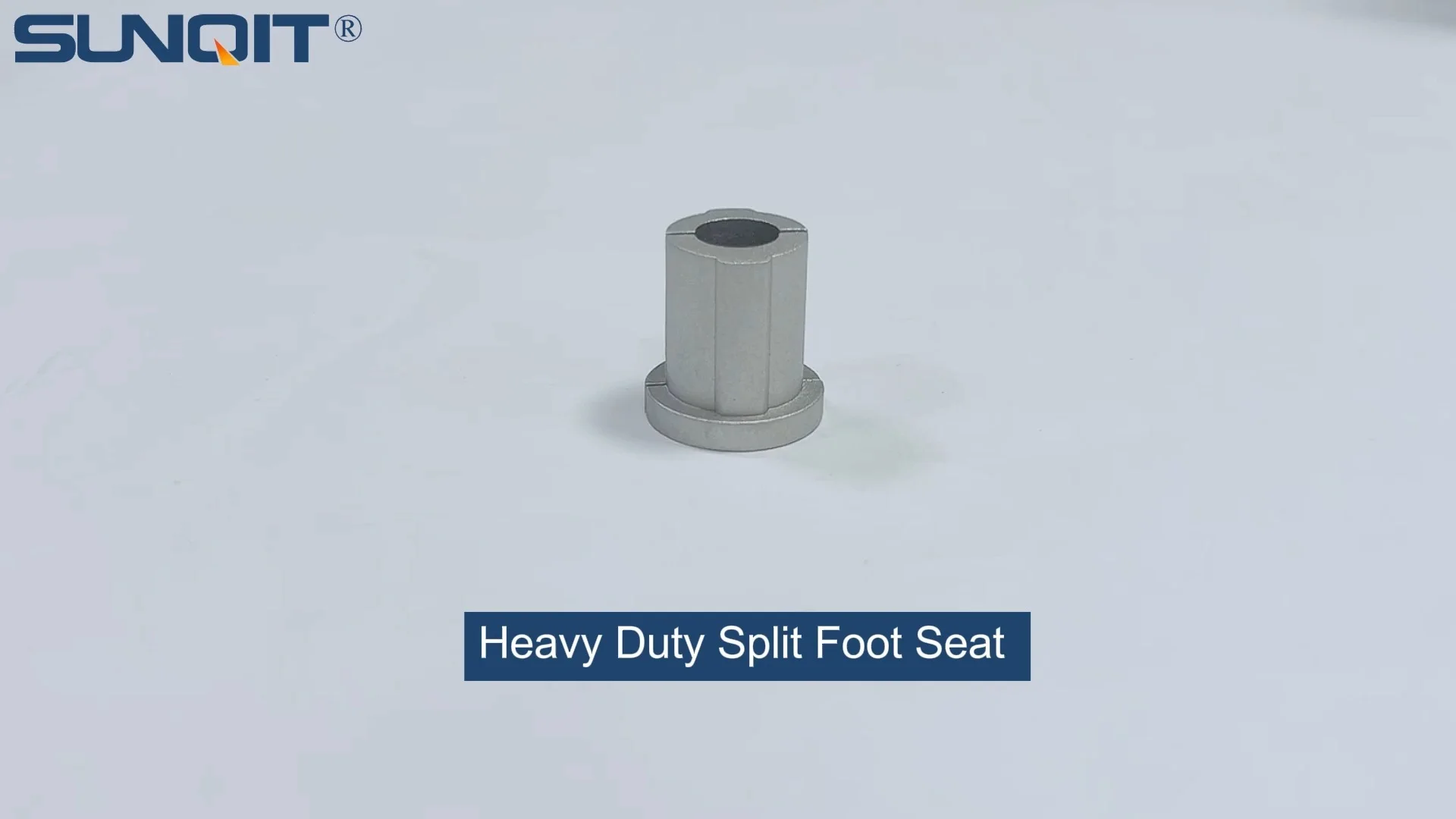
Heavy Duty Split Foot Seat
M10 aluminum heavy duty split foot deat with foot adjuster for workbench and flow rack.
Setting up a workspace—whether it's a bustling factory floor, a busy workshop, or a precision assembly line—requires more than just tools and materials. At the heart of it all is stability. Imagine this: You've invested in a sleek aluminum profile workbench, stocked it with high-quality equipment, and trained your team to work efficiently. But the first time someone places a heavy component on the bench, it wobbles. A tool slips. A part scratches. Productivity dips, and frustration rises. What's missing here? Often, it's the unsung hero of workspace stability: the heavy duty split foot seat. These unassuming components might not grab attention, but they're the backbone of a steady, safe, and productive environment. In this guide, we'll walk you through everything you need to know about heavy duty split foot seats—what they are, why they matter, and the key features to prioritize when choosing one for your space.
Understanding Heavy Duty Split Foot Seats: More Than Just "Feet"
Before diving into features, let's clarify what a heavy duty split foot seat actually is. In simple terms, it's a support component designed to anchor workbenches, material racks, turnover trolleys, or conveyor systems to the floor. Unlike basic flat feet, split foot seats are engineered with a split design—often two parallel plates or a bifurcated base—that distributes weight evenly, reduces vibration, and prevents sinking into soft or uneven surfaces. Think of them as the foundation of your workspace: weak foundations lead to shaky structures, but strong ones keep everything steady, even under pressure.
Heavy duty split foot seats are especially critical in high-stakes environments. In manufacturing, for example, a wobbly workbench can throw off assembly tolerances, leading to defective products. In warehouses, unstable material racks risk tipping, endangering workers and damaging inventory. Even in labs or small workshops, a steady surface is non-negotiable for precision tasks. That's why choosing the right split foot seat isn't just about buying a part—it's about investing in reliability, safety, and long-term productivity.
Key Feature 1: Material Durability—The Building Block of Longevity
When it comes to heavy duty split foot seats, the material they're made from isn't just a detail—it's the difference between a seat that lasts five years and one that fails in six months. Let's break down the most common materials and what makes them stand out, with a special focus on aluminum profile , a popular choice for modern workspaces.
| Material | Typical Load Capacity (Per Seat) | Durability | Corrosion Resistance | Weight | Best For |
|---|---|---|---|---|---|
| Aluminum Profile | 300–800 kg | High (resists dents, withstands impacts) | Excellent (naturally corrosion-resistant; ideal for humid or wet environments) | Lightweight (30–50% lighter than steel) | Modern workbenches, aluminum lean pipe systems, cleanrooms, food processing facilities |
| Steel | 500–1200 kg | Very High (extremely strong, but prone to rust without coating) | Low (requires powder coating or galvanization for protection) | Heavy (adds significant weight to structures) | Heavy machinery bases, industrial material racks, outdoor or unheated workshops |
| Plastic (Reinforced Nylon) | 100–300 kg | Medium (resists chemicals but can crack under extreme weight) | Excellent (no rust, ideal for corrosive environments) | Lightest (easy to handle, low shipping costs) | Light-duty workbenches, lab equipment, electronics assembly (low-static applications) |
Aluminum profile deserves extra attention here. Unlike steel, which can rust if not treated, aluminum forms a natural oxide layer that protects it from corrosion—perfect for environments like food processing plants, breweries, or coastal workshops where moisture is a constant concern. It's also lightweight, which makes installing heavy duty split foot seats easier (no need for a team of people to lift one into place) and reduces strain on the workbench or trolley frame. Plus, aluminum profiles are often extruded with precision, meaning they can be customized with slots, holes, or grooves to fit specific mounting needs—like attaching adjustable leveling feet or caster brackets seamlessly.
But don't discount steel entirely. If your workspace deals with extreme loads—think 1000+ kg per seat—steel is still the go-to. Just be sure to opt for galvanized or powder-coated steel to avoid rust. Plastic, on the other hand, is best reserved for light-duty tasks; while it's corrosion-resistant, it lacks the rigidity needed for heavy industrial use.

Key Feature 2: Load Capacity—Know What You're Lifting (and Supporting)
You wouldn't use a bicycle to tow a truck, right? The same logic applies to split foot seats: their load capacity must match (or exceed) the weight they'll support. Load capacity isn't just about the "maximum weight" listed on the product label—it's about understanding both static and dynamic loads, and how they impact your workspace over time.
Static vs. Dynamic Loads: What's the Difference?
Static load is the weight of the structure and its contents when everything is stationary. For example, a workbench loaded with tools, a laptop, and a box of parts is under static load. Dynamic load, on the other hand, is the additional force exerted when that weight moves—like slamming a tool down, dropping a component, or rolling a heavy trolley onto a split foot seat. Dynamic loads can be 2–3 times higher than static loads, so your split foot seat needs to handle both.
Let's say you're setting up a material rack B (3 row and 3 floor) in your warehouse, designed to hold 500 kg of inventory. The static load per shelf might be 167 kg, but when a worker loads a 20 kg box onto the top shelf, they might drop it slightly—adding 40 kg of dynamic force. If your split foot seats are only rated for 167 kg, that extra force could weaken the material over time, leading to cracks or collapse.
How to Calculate Your Needs
Start by adding up the total weight of your structure (workbench, trolley, rack) plus the maximum weight of its contents. Then, divide that by the number of split foot seats (most workbenches use 4; larger racks might use 6–8). Finally, multiply by 1.5 to account for dynamic loads. For example:
- Workbench weight: 100 kg
- Max tools/parts weight: 300 kg
- Total static load: 400 kg
- Number of split foot seats: 4
- Static load per seat: 400 kg ÷ 4 = 100 kg
- Dynamic load factor: 100 kg × 1.5 = 150 kg per seat
In this case, you need split foot seats rated for at least 150 kg each. Always round up—opting for a 200 kg seat gives you a safety buffer.

Key Feature 3: Adjustability—Taming Uneven Floors with Adjustable Leveling Feet
Even the most carefully poured concrete floors aren't perfectly level. A dip of just 2 mm can make a workbench wobble, and over time, that wobble leads to uneven wear, loose bolts, and frustrated workers. That's where adjustability comes in—and adjustable leveling feet are the secret weapon here.
Why Adjustable Leveling Feet Matter
Adjustable leveling feet are threaded components built into the split foot seat, allowing you to tweak the height of each seat individually. Turn the foot clockwise, and it extends; counterclockwise, and it retracts. This lets you compensate for uneven floors, ensuring your workbench or rack sits perfectly flat. But it's not just about stability—level surfaces also reduce strain on caster and accessories (if your setup uses casters for mobility). When a workbench is level, casters lock more securely, and wheels wear evenly, their lifespan.
Features to Look for in Adjustable Leveling Feet
Not all adjustable feet are created equal. Here's what to prioritize:
- Thread Pitch: Finer threads (e.g., M10×1.5) allow for precise adjustments—critical in labs or precision assembly. Coarser threads (e.g., M12×2.0) are faster to adjust but less precise.
- Locking Mechanism: Look for seats with lock nuts or jam nuts. These prevent the leveling feet from unscrewing over time, even with vibration. Nylon-insert lock nuts are especially effective—they grip the thread without damaging it.
- Foot Pad Material: Rubber or polyurethane pads grip the floor better than metal, reducing slipping. They also protect floors from scratches, which is a must in polished concrete or tile environments.
- Adjustment Range: Most leveling feet offer 10–30 mm of adjustment. If your floor has major dips, opt for a longer thread (e.g., 50 mm adjustment range).

Key Feature 4: Compatibility—Playing Well with Others (Including Caster and Accessories )
A split foot seat doesn't work in isolation—it's part of a larger system. Whether you're attaching it to a lean pipe workbench, an aluminum extrusion profile rack, or a turnover trolley, compatibility is key. This is especially true if your setup uses a mix of stationary and mobile components, like workbenches that sometimes need to be moved (hello, caster and accessories ).
Mounting Options: Holes, Slots, and Brackets
Most split foot seats attach to frames via bolts or screws, so check the mounting hole pattern. Standard workbenches often use 100×100 mm hole spacing, while aluminum profiles might have T-slots that require special brackets. For example, if your workbench is made from 4040 aluminum profile, you'll need split foot seats with T-slot compatible mounting plates—otherwise, you'll have to drill new holes, weakening the profile.
Hybrid Setups: Split Foot Seats + Casters
Many workspaces use a hybrid approach: split foot seats for stability when stationary, and casters for mobility when needed. In these cases, the split foot seats must be compatible with caster brackets. Look for seats with a low profile—if they're too tall, the casters might not touch the ground when extended. Some models even have built-in caster mounts, letting you swap between feet and casters without extra tools.
For example, a turnover trolley used in a warehouse might spend 90% of its time stationary, holding inventory. Fitting it with split foot seats keeps it stable, but when it needs to be moved to a new location, you can replace the seats with casters (from your caster and accessories kit) in minutes. This flexibility saves space and money—no need for two separate trolleys.
Key Feature 5: Installation and Maintenance—Ease of Use Saves Time (and Sanity)
Even the best split foot seat is useless if it takes hours to install or requires a PhD in engineering to maintain. Let's break down what makes installation and upkeep a breeze.
Installation: Simple vs. Complicated
Look for split foot seats with pre-drilled holes and included hardware (bolts, washers, lock nuts). Some brands even mark the holes with measurements (e.g., "fits 40×40 aluminum profile") to avoid guesswork. Avoid seats that require custom drilling or welding—unless you have a professional on hand, this adds time and risk.
Pro tip: Choose seats with a "drop-in" design. These slide into place on the workbench frame and lock with a single bolt, cutting installation time from 30 minutes to 5.
Maintenance: Keep It Steady for Years
Heavy duty split foot seats are built to last, but a little maintenance goes a long way:
- Check for wear: Inspect aluminum profiles for cracks, especially around the mounting holes. Steel seats should be checked for rust, even if they're coated.
- Clean regularly: Wipe away dust and debris with a damp cloth. In humid areas, use a mild detergent to prevent corrosion.
- Lubricate threads: Apply a small amount of anti-seize lubricant to adjustable leveling feet threads every 6 months. This prevents them from seizing up, making adjustments easier.
- Tighten bolts: Vibration can loosen bolts over time. Check them quarterly with a torque wrench (follow the manufacturer's specs—over-tightening can strip threads).
Common Mistakes to Avoid
Even with the best intentions, it's easy to make missteps when buying split foot seats. Here are the most common mistakes—and how to steer clear of them:
Mistake 1: Prioritizing Price Over Quality
It's tempting to save $10 per seat by buying the cheapest option, but a $20 plastic seat won't hold up to 200 kg of load. In the long run, replacing failed seats (and fixing damaged equipment) costs far more than investing in quality upfront. Remember: a good split foot seat should last 5–10 years with proper care.
Mistake 2: Ignoring Environmental Factors
A split foot seat that works in a dry workshop might fail in a humid factory. If your space has moisture, chemicals, or extreme temperatures, choose corrosion-resistant materials like aluminum profile or galvanized steel. For food processing, look for FDA-approved plastic pads to avoid contamination.
Mistake 3: Overlooking Compatibility with Existing Gear
You buy a set of split foot seats, only to realize they don't fit your aluminum profile workbench's T-slots. Always check the mounting specifications against your existing equipment. If you're unsure, reach out to the supplier with photos of your frame—most are happy to help you find the right fit.
Conclusion: Invest in Stability, Reap the Rewards
Heavy duty split foot seats might not be the most glamorous part of your workspace, but they're one of the most critical. By prioritizing material durability (aluminum profile), load capacity, adjustability (adjustable leveling feet), compatibility (caster and accessories), and ease of installation, you're not just buying a component—you're building a foundation for productivity, safety, and peace of mind.
So the next time you're setting up a workbench, trolley, or rack, don't overlook these unsung heroes. A stable workspace is a productive workspace, and a productive workspace is a successful one. Choose wisely, and your split foot seats will support you (and your team) for years to come.