- Company Articles
- Products and Technology
- Procurement Guidelines
- Key Features to Look for When Buying Parallel Rotatory Lean Pipe Joints

Key Features to Look for When Buying Parallel Rotatory Lean Pipe Joints
Related Product
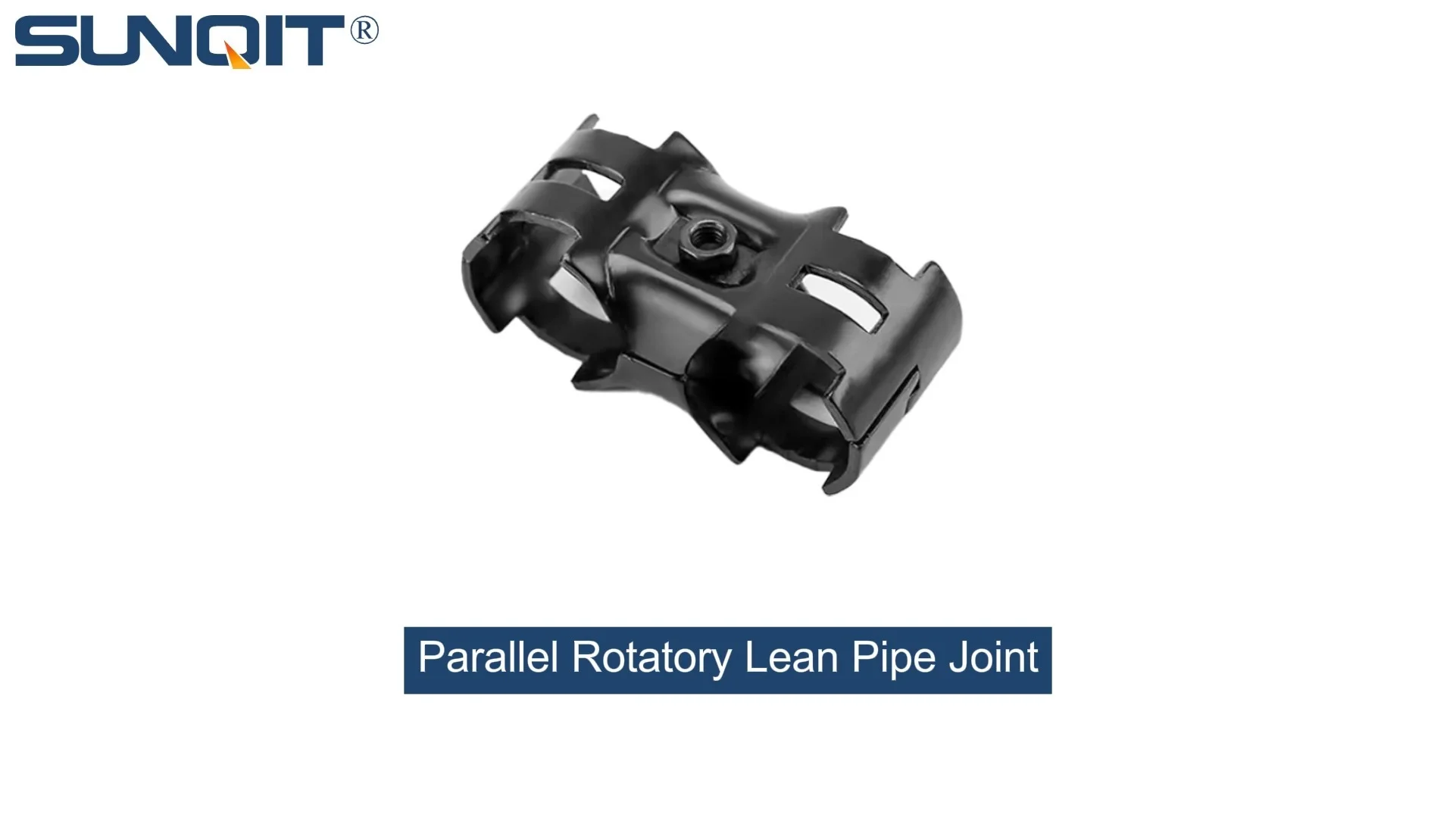
Parallel Rotatory Lean Pipe Joint
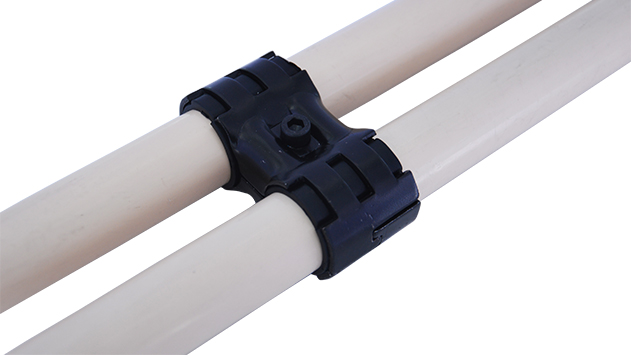
Parallel rotatory lean pipe joint, for 2 pcs pipe conenction in parallel direction with rotatory function.
In the fast-paced world of manufacturing and production, every component in your workflow matters. From the largest conveyor belt to the smallest connector, each part plays a role in keeping operations running smoothly, efficiently, and without unnecessary delays. One such unsung hero in many lean systems is the parallel rotatory lean pipe joint. These small but mighty components are the backbone of modular workstations, material racks, and assembly lines, allowing for flexibility, adaptability, and seamless movement of materials. But not all parallel rotatory lean pipe joints are created equal. Choosing the right one can mean the difference between a production line that hums with productivity and one that's plagued by jams, breakdowns, and wasted time. In this guide, we'll walk you through the key features you should prioritize when shopping for these critical components, ensuring you invest in joints that stand up to the demands of your workspace and support your team's hard work.
Why Parallel Rotatory Lean Pipe Joints Matter in Lean Systems
Before diving into the specifics, let's take a moment to understand why parallel rotatory lean pipe joints are so essential. In lean manufacturing, the goal is to eliminate waste—whether that's wasted time, materials, or effort. Modular systems built with lean pipes (also known as "lean tubes") and joints embody this philosophy by allowing teams to design, build, and reconfigure workspaces on the fly. A workbench that needs to be adjusted for a new product? A material rack that should be expanded to hold more inventory? With the right joints, these changes can happen in hours, not days.
Parallel rotatory joints, in particular, add a layer of functionality that static joints can't match. Unlike fixed joints, which lock pipes into a rigid position, parallel rotatory joints allow for controlled rotation along a parallel axis. This means parts can glide smoothly along roller tracks, workbenches can be adjusted to comfortable heights for different operators, and material trolleys can navigate tight corners without jostling their contents. Imagine a team member manually pushing a heavy bin along a roller track—if the joints connecting the track's rollers are stiff or misaligned, every push becomes a struggle, leading to fatigue and slower throughput. On the flip side, a well-designed parallel rotatory joint ensures smooth rotation, reducing physical strain and keeping the workflow moving at a steady pace.
These joints also play a key role in ergonomics. A workstation that can be adjusted to fit each operator's height and reach isn't just a nice perk—it's a way to prevent injuries, boost morale, and keep your team feeling valued. Parallel rotatory joints make these adjustments possible, allowing workbenches to tilt, shelves to pivot, and tools to be positioned exactly where they're needed. When your team doesn't have to stretch, bend, or overexert themselves to access materials, they're happier, healthier, and more productive. That's the power of a well-chosen joint: it doesn't just hold pipes together—it supports your people.
1. Material Quality: The Foundation of Durability
When evaluating parallel rotatory lean pipe joints, the first feature to examine is the material they're made from. The material dictates everything from the joint's strength and corrosion resistance to its lifespan and performance in different environments. Two of the most common materials used are aluminum and steel, each with its own set of advantages and considerations. Let's break them down.
Aluminum: Lightweight and Corrosion-Resistant
Aluminum lean pipe joints have grown in popularity in recent years, and for good reason. Aluminum is naturally resistant to rust and corrosion, making it an excellent choice for environments where moisture, chemicals, or humidity are present—think food processing plants, cleanrooms, or outdoor storage areas. Unlike steel, which can start to corrode if its protective coating chips, aluminum forms a thin oxide layer when exposed to air, which acts as a barrier against further damage. This means less maintenance over time and a longer lifespan, even in harsh conditions.
Another benefit of aluminum is its weight. Aluminum joints are significantly lighter than steel ones, which makes assembling and reconfiguring workbenches or racks much easier. If your team frequently adjusts layouts or moves equipment, the reduced weight can cut down on setup time and physical strain. Imagine a scenario where your production line needs to be rearranged to accommodate a new product launch. With aluminum joints, two people can quickly disassemble and reassemble a workstation, whereas steel joints might require more or even machinery. This flexibility is a huge plus in dynamic workplaces where adaptability is key.
However, aluminum is not as strong as steel, so it's important to consider the load capacity you need. While aluminum joints work well for light to medium-duty applications—like holding small parts bins or supporting a workbench top—they may not be the best choice for extremely heavy loads, such as stacks of metal sheets or large machinery components. Always check the manufacturer's load ratings and err on the side of caution if you're unsure.
Steel: Heavy-Duty Strength
Steel joints, often coated in zinc or another protective layer, are the go-to for heavy-duty applications. Steel's inherent strength and rigidity make it ideal for supporting large weights, whether that's a multi-tiered material rack loaded with tools or a conveyor system moving bulky products. If your workspace deals with heavy materials on a daily basis, steel joints are likely the more reliable option, as they're less prone to bending or warping under pressure.
That said, steel does have drawbacks. Its weight can make installation and reconfiguration more challenging, and without proper coating, it's susceptible to rust. If you opt for steel, look for joints with a durable powder coating or galvanized finish to extend their life. Also, keep in mind that steel is a better conductor of heat and cold than aluminum, which might be a consideration in temperature-controlled environments.
| Feature | Aluminum Joints | Steel Joints |
|---|---|---|
| Weight | Lightweight (easier to handle) | Heavier (more stable for heavy loads) |
| Corrosion Resistance | High (natural oxide layer) | Moderate (requires coating) |
| Strength | Suitable for light to medium loads | Ideal for heavy loads |
| Maintenance | Low (no rust prevention needed) | Moderate (coating touch-ups may be required) |
Ultimately, the choice between aluminum and steel depends on your specific needs. If you prioritize lightweight flexibility and corrosion resistance, aluminum is the way to go. For heavy-duty strength and rigidity, steel may be better. And don't forget to consider the other components in your system—if you're using aluminum lean pipes, aluminum joints will likely offer the best compatibility, ensuring a snug, secure fit.
2. Rotational Mechanism: Smoothness and Control
At the heart of a parallel rotatory lean pipe joint is its ability to rotate smoothly and consistently. After all, the "rotatory" in the name is what sets these joints apart from fixed ones. A joint with a clunky, stiff, or uneven rotation can disrupt workflow, cause materials to jam, and even lead to operator frustration. So, what should you look for in a rotational mechanism?
Bearing Quality: The Key to Smooth Rotation
The secret to a smooth-rotating joint often lies in its bearings. Bearings reduce friction between moving parts, allowing the joint to pivot without resistance. High-quality joints typically use ball bearings or roller bearings, which are designed to distribute weight evenly and minimize wear. Cheaper joints, on the other hand, may skip bearings altogether or use low-grade plastic bushings, which can wear out quickly and become gritty over time.
When testing a joint (if possible), pay attention to how it feels when you rotate it. It should move easily, with a consistent amount of resistance—no jerks, clicks, or sticking points. A joint that's too loose might wobble under load, while one that's too tight will require extra force to rotate, defeating the purpose of having a movable joint. Imagine trying to slide a bin along a roller track supported by stiff joints: each push would require more effort, slowing down your team and increasing the risk of strain injuries. Smooth rotation isn't just a convenience; it's a productivity booster.
Adjustability: Locking Mechanisms and Tension Control
Another important aspect of the rotational mechanism is adjustability. Many parallel rotatory joints come with locking mechanisms that allow you to fix the joint in a specific position once you've rotated it to the desired angle. This is crucial for applications where stability is key, such as a workbench that needs to stay at a 45-degree angle during assembly or a material rack that should remain tilted for easy access.
Look for joints with secure locking systems, such as cam levers, set screws, or quick-release pins. Cam levers are particularly user-friendly, as they can be tightened or loosened by hand, no tools required. This makes on-the-fly adjustments quick and easy, which is a big plus in fast-paced environments. Set screws, while secure, may require a hex key, which can slow down adjustments if tools aren't readily available. Consider how often you'll need to reposition the joint and choose a locking mechanism that matches your team's needs.
Tension control is another feature to watch for. Some joints allow you to adjust the amount of force required to rotate them, letting you customize the feel based on the load. For example, a joint supporting a lightweight parts bin might need minimal tension for easy movement, while one holding a heavy tool rack might require more tension to prevent accidental rotation. This level of customization ensures the joint works with your workflow, not against it.

3. Load Capacity: Ensuring Safety and Reliability
Perhaps the most critical feature of any parallel rotatory lean pipe joint is its load capacity—the maximum weight it can support without failing. Underestimating this can lead to dangerous situations, from collapsed workbenches to damaged materials, not to mention the risk of injury to your team. Overestimating, on the other hand, might mean paying for a heavier-duty joint than you need, wasting money that could be better spent elsewhere. So, how do you determine the right load capacity for your needs?
Understanding Rated vs. Real-World Capacity
Every joint should come with a rated load capacity from the manufacturer, usually listed in pounds or kilograms. This rating is determined through controlled testing, where the joint is subjected to gradually increasing weights until it deforms or fails. However, it's important to remember that this rating is often based on ideal conditions—perfect alignment, even weight distribution, and static loads (i.e., loads that don't move). In the real world, your joint might face dynamic loads (materials being pushed or pulled), uneven weight distribution (a bin loaded heavier on one side), or vibrations from nearby machinery. All of these factors can reduce the effective load capacity.
To account for this, it's wise to choose a joint with a rated capacity that's significantly higher than your expected maximum load. A good rule of thumb is to aim for a joint that can handle 1.5 to 2 times the weight you plan to put on it. For example, if you need to support a bin that weighs 50 pounds when full, look for a joint rated for at least 75–100 pounds. This "safety margin" ensures the joint can handle unexpected stresses without compromising performance.
Testing and Certification
Not all load capacity ratings are created equal. Some manufacturers may inflate their ratings or test under unrealistic conditions, so it's important to look for joints that have been tested by third-party organizations or meet industry standards. Certifications from bodies like the International Organization for Standardization (ISO) or the Occupational Safety and Health Administration (OSHA) can give you peace of mind that the rating is accurate and the joint meets safety requirements.
Don't hesitate to ask suppliers for test reports or documentation. A reputable lean pipe supplier will be happy to provide this information, as it demonstrates their commitment to quality. If a supplier can't or won't share load testing data, that's a red flag—it may indicate their products haven't been properly tested, putting your team at risk.
Also, consider how the joint distributes weight. A well-designed joint will spread the load evenly across its connection points, reducing stress on any single part. Look for joints with reinforced arms, thick walls, or additional support structures, as these features can improve load-bearing capabilities. For example, a joint with a wide base will be more stable than one with a narrow base, especially when supporting heavy loads at an angle.

4. Compatibility: Fitting Seamlessly with Your Lean Pipe and Accessories
A parallel rotatory lean pipe joint is only as useful as its ability to work with the other components in your system. If it doesn't fit your lean pipes, roller tracks, or accessories, it's little more than a paperweight. Compatibility is therefore a key consideration, and it starts with the size and type of lean pipe you're using.
Pipe Size and Diameter
Lean pipes come in various diameters, with the most common being 28mm (1.1 inches) and 30mm (1.18 inches) for traditional steel pipes, and slightly smaller sizes for aluminum pipes. Parallel rotatory joints are designed to fit specific pipe diameters, so it's crucial to match the joint's inner diameter to your pipe's outer diameter. A joint that's too loose will wobble, leading to instability, while one that's too tight will be difficult to assemble and may damage the pipe's surface.
If you're unsure of your pipe size, measure it with a caliper or ask your lean pipe supplier for specifications. Many suppliers offer joints in multiple sizes, so you should be able to find one that fits your existing setup. If you're starting from scratch, consider choosing a standard size (like 28mm) to ensure a wide range of compatible joints and accessories.
Connection Type: Threaded, Press-Fit, or Clamp-On?
In addition to size, the connection type between the joint and the pipe matters. Some joints use threaded connections, where the pipe screws into the joint, creating a secure, permanent bond. Others use press-fit designs, where the pipe is inserted into the joint and held in place by friction or a locking pin. Clamp-on joints, which wrap around the pipe and tighten with a screw or lever, are another option, offering easy installation and removal.
Threaded joints are extremely secure but can be difficult to disassemble if you need to reconfigure your system. Press-fit joints are quick to install but may loosen over time, especially under heavy loads or frequent rotation. Clamp-on joints strike a balance between security and flexibility—they're easy to adjust and remove, making them ideal for modular systems that change often. Again, the best choice depends on your needs: permanent setups may benefit from threaded joints, while dynamic workspaces might prefer clamp-on or press-fit options.
Compatibility with Accessories
Don't forget about accessories like roller tracks, casters, and workbench tops. Many parallel rotatory joints are designed to integrate with these add-ons, allowing you to build a fully functional system. For example, a joint with a mounting hole for a roller track connector can turn a simple pipe frame into a material flow rack, while a joint with a caster wheel attachment can transform a stationary workbench into a mobile cart.
When shopping for joints, check if they're compatible with the specific accessories you plan to use. Look for standardized mounting points, such as T-slots or pre-drilled holes, which make it easy to attach accessories without custom modifications. A joint that works with a wide range of lean pipe and accessories gives you more flexibility to adapt your system as your needs change, ensuring your investment lasts for years to come.
5. Durability and Maintenance: Longevity in the Daily Grind
A parallel rotatory lean pipe joint that fails after a few months of use is a waste of money and a source of frustration. Durability is therefore a top priority, and it's closely tied to both the materials used (as discussed earlier) and the joint's design. But even the most durable joint will need some maintenance to keep it performing at its best. Let's explore what to look for.
Wear-Resistant Components
The parts of the joint that move—the bearings, pins, and locking mechanisms—are the most prone to wear. Look for joints that use high-quality, wear-resistant materials in these areas. For example, bearings made from stainless steel or ceramic are less likely to corrode or seize up than those made from plain steel. Pins and axles should be hardened to prevent bending or warping, even with repeated use.
You should also check for smooth, rounded edges on moving parts. Sharp edges can catch on materials or clothing, causing snags or even injuries. A well-designed joint will have chamfered edges and polished surfaces, ensuring safe, hassle-free operation.
Ease of Maintenance
Even the best joints need occasional maintenance, whether it's lubricating the bearings, tightening a loose screw, or replacing a worn part. The easier this maintenance is, the more likely your team will actually do it, extending the joint's lifespan. Look for joints that are easy to disassemble, with accessible components and minimal specialized tools required.
For example, a joint with a removable bearing cap allows you to add lubricant without taking the entire joint apart. Similarly, joints with standard-sized screws (like Phillips or hex head) are easier to work on than those with proprietary fasteners. Avoid joints that require glue or welding for repairs, as these make maintenance nearly impossible. Instead, opt for designs that use replaceable parts—if a bearing wears out, you should be able to swap it out in minutes, not hours.
And don't underestimate the importance of a good warranty. A reputable supplier will stand behind their products with a warranty that covers defects in materials or workmanship. A warranty of at least 1–2 years is standard, but some suppliers offer longer coverage for premium products. This not only protects your investment but also gives you confidence that the supplier believes in the durability of their joints.
Conclusion: Investing in Joints That Support Your Team
Choosing the right parallel rotatory lean pipe joint isn't just about checking boxes on a list—it's about investing in the efficiency, safety, and well-being of your team. The features we've discussed—material quality, rotational mechanism, load capacity, compatibility, and durability—all play a role in ensuring your joints can keep up with the demands of your workspace, reduce waste, and support smooth, uninterrupted workflow.
Remember, the best joint for you depends on your specific needs. If you're in a humid environment, prioritize aluminum for corrosion resistance. If you're moving heavy loads, steel or high-capacity aluminum joints are a must. And if your team frequently reconfigures workspaces, look for lightweight, easy-to-adjust joints with clamp-on connections. By taking the time to evaluate these features, you'll not only avoid the frustration of frequent replacements but also create a workspace that empowers your team to do their best work.
Finally, don't hesitate to reach out to your lean pipe supplier for guidance. A knowledgeable supplier can help you assess your needs, recommend the right joints, and even provide samples for testing. After all, they're experts in the field, and their goal is to help you build a system that works for you. With the right parallel rotatory lean pipe joints in place, you'll be well on your way to a leaner, more productive, and more efficient operation—one that your team will thank you for.