- Company Articles
- Products and Technology
- Product knowledge
- Key Metrics to Evaluate 2020 Aluminum Profile End Cap Quality

Key Metrics to Evaluate 2020 Aluminum Profile End Cap Quality
Related Product
2020 Aluminum Profile End Cap
The aluminum profile end cap adds a finishing touch to your project and closes off profile ends to limit dust and debris buildup, also it can avaid some scratch for material and labor during the assemble work.
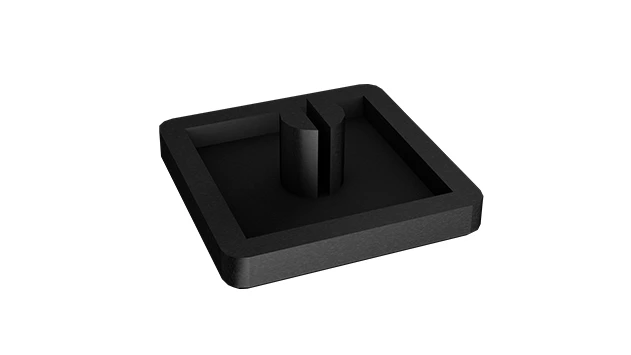
Walk into any manufacturing facility, warehouse, or workshop that relies on lean systems, and you'll likely spot aluminum profiles hard at work. From sturdy workbenches to efficient material racks, these lightweight yet durable structures form the backbone of modern production lines. But if you take a closer look at the ends of those aluminum profiles—especially the popular 2020 aluminum extrusion profile—you'll notice small, often overlooked components that play a huge role in their performance: end caps. These unassuming accessories might seem trivial, but they're the unsung heroes that protect profiles from damage, keep debris out of T-slots, and even enhance workplace safety. In this article, we'll dive into the key metrics that separate a high-quality 2020 aluminum profile end cap from a cheap knockoff, helping you make smarter choices for your setup.
Why End Caps Matter: Beyond Just "Plugging a Hole"
Before we jump into the metrics, let's take a moment to appreciate why end caps deserve your attention. Imagine assembling a custom workbench using 2020 aluminum profiles—you've carefully selected the right aluminum extrusion profile, paired it with sturdy aluminum profile accessories, and tightened every joint to perfection. But if you skip the end caps, or opt for low-quality ones, here's what could happen: Sharp, exposed profile ends become a safety hazard, risking cuts to workers handling the bench. Dust, metal shavings, or coolant from the production floor seep into the T-slots, gumming up the works and making it hard to attach accessories like aluminum profile rubber strips or T-slot rubber seal covers later. Over time, moisture trapped inside the profile could even lead to corrosion, weakening the structure. Suddenly, that "trivial" end cap becomes critical to the longevity and functionality of your entire setup.
Whether you're building a simple material rack or a complex production line, the 2020 aluminum profile end cap is a small investment that prevents big headaches. Now, let's break down how to evaluate their quality.
Key Metric 1: Material Composition – The Foundation of Durability
What's It Made Of? Not All Plastics Are Created Equal
The first thing to check when evaluating an end cap is its material. Most 2020 aluminum profile end caps are made from plastic, but the type of plastic matters—a lot. Cheap end caps might use brittle, low-grade plastics that crack under minimal stress, while high-quality ones rely on durable, engineered materials designed to withstand the rigors of industrial environments.
Let's start with the most common materials:
- ABS (Acrylonitrile Butadiene Styrene): A favorite for industrial accessories, ABS is tough, impact-resistant, and handles temperature fluctuations well (typically -20°C to 80°C). It's also easy to mold into precise shapes, making it ideal for end caps that need a snug fit.
- Polypropylene (PP): Known for its chemical resistance and flexibility, PP is a good choice if your setup involves exposure to oils, solvents, or cleaning agents. It's slightly less rigid than ABS but offers better resistance to corrosion.
- Nylon: When you need extra strength—say, for end caps on heavy-duty material racks—nylon delivers. It's abrasion-resistant and can handle higher loads, though it's less common for standard 2020 profiles due to its higher cost.
How do you spot a quality material? Start with the feel: High-grade plastics like ABS have a solid, non-crumbly texture. If the end cap feels flimsy or has a "cheap" plastic smell, it's likely made from recycled or low-density materials that won't hold up. You can also check for certifications: Reputable manufacturers will list the material type on the product specs, often with test data for impact resistance or temperature tolerance.
Another red flag? End caps that warp or deform when exposed to heat. Leave a sample on a sunny windowsill or near a heat source for a day—if it bends or loses its shape, it's not suitable for factory environments where temperatures can spike.

Key Metric 2: Dimensional Accuracy – The "Snug Fit" Test
Does It Fit Like a Glove? Tolerances Matter
Even the best material is useless if the end cap doesn't fit your 2020 aluminum extrusion profile properly. 2020 profiles have standardized dimensions—20mm x 20mm on the outside, with specific T-slot widths and depths. A well-made end cap should match these dimensions exactly, creating a tight seal without being impossible to install.
So, what's the ideal fit? When you press the end cap into the profile, it should slide in with gentle pressure and stay put without wobbling. There should be no gaps around the edges—gaps are invitations for dust and debris. On the flip side, if you have to hammer the end cap in or it cracks when inserting, the dimensions are off (too tight), which could damage both the cap and the profile.
To test dimensional accuracy, grab a sample 2020 profile and a few end caps from the batch. Check for consistency across multiple caps—even small variations (like 0.2mm in width) can mean some fit and others don't. This is especially important if you're buying in bulk for a large project, like outfitting an entire production line with workbenches or material racks.
Why does this matter? A loose end cap will fall off during use, leaving the profile exposed. A too-tight cap can stress the profile's edges, leading to cracks over time. Either way, you're back to square one: dealing with safety hazards and maintenance headaches.

Key Metric 3: Surface Finish and Aesthetics – More Than Just Looks
Smooth, Consistent, and Ready for the Shop Floor
You might think surface finish is just about looks, but it's actually a sign of manufacturing precision. High-quality 2020 aluminum profile end caps have smooth, burr-free edges, consistent color, and no visible defects like air bubbles, sink marks, or flash (the excess plastic that oozes out of mold seams).
Let's break down what to look for:
- Edges: No sharp or jagged edges—these can scratch workers or catch on gloves/clothing.
- Color: Uniform pigmentation. Faded or blotchy color is a sign of poor quality control in the molding process.
- Texture: A matte or slightly textured finish is standard, but it should be consistent across the entire cap. Glossy spots or rough patches indicate uneven cooling during manufacturing.
Why does this matter? Beyond aesthetics, a smooth finish is easier to clean—important in environments where hygiene is key, like food processing or pharmaceutical manufacturing. It also reduces the risk of snags, which can be a nuisance when moving equipment or handling the profile.
Key Metric 4: Functional Design – Sealing, Installation, and Compatibility
Does It Play Well with Others? Integration with Accessories
A great end cap isn't just a plug—it's designed to work seamlessly with other aluminum profile accessories. For example, many end caps have grooves or notches that align with aluminum profile rubber strips, creating a tighter seal against dust and moisture. Others are shaped to accommodate T-slot rubber seal covers, which run along the length of the profile to protect T-slots when they're not in use.
Let's take a common scenario: You're building a material rack B (3 row and 3 floor) using 2020 profiles. To keep small parts from sliding off the shelves, you've added aluminum profile rubber strips along the edges. If the end caps don't have a recess to fit these strips, the strips will stick out awkwardly, creating a tripping hazard or preventing the cap from seating properly. A well-designed end cap will have these details worked out, ensuring all accessories work in harmony.
Installation ease is another functional consideration. High-quality end caps often have subtle design features that make them easier to insert and remove—like a small lip or indentation for prying them out when you need to reconfigure your setup. Avoid end caps that require tools to install; they'll slow down assembly and increase frustration on the shop floor.
Key Metric 5: Long-Term Performance – Testing for the Long Haul
Will It Last? Resistance to Wear and Tear
A good end cap should stand up to the daily grind of industrial use. That means resisting impacts (from tools dropped on the profile), UV exposure (if used near windows or outdoors), and chemical spills (like oils or cleaning agents).
One simple test for impact resistance: drop a small tool (like a 100g wrench) from waist height onto the end cap. It should absorb the impact without cracking or chipping. For UV resistance, leave a sample outdoors for a month—fading or brittleness indicates poor UV stabilization, which will lead to degradation over time in sunny environments.
Chemical resistance is trickier to test at home, but you can check the manufacturer's specs. Look for end caps rated to resist common industrial chemicals like mineral oil, isopropyl alcohol, or mild detergents. If your facility uses harsh solvents, opt for end caps made from chemical-resistant materials like PP or PTFE (though these are less common for standard 2020 profiles).
Comparing High-Quality vs. Low-Quality End Caps: A Quick Reference Table
| Metric | High-Quality 2020 Aluminum Profile End Cap | Low-Quality 2020 Aluminum Profile End Cap |
|---|---|---|
| Material | Made from ABS, PP, or nylon with consistent density; no plastic smell; resists temperatures from -20°C to 80°C. | Recycled or low-grade plastic; feels flimsy; cracks or warps in heat; strong chemical odor. |
| Dimensional Accuracy | Snug fit with 2020 profiles; no gaps; slides in with gentle pressure; consistent sizing across batch. | Loose or too tight; gaps around edges; varies in size between caps; cracks when installing. |
| Surface Finish | Smooth, burr-free edges; uniform color; no air bubbles or sink marks. | Sharp edges; blotchy color; rough patches or glossy spots; visible mold flash. |
| Functional Design | Grooves for aluminum profile rubber strips; compatible with T-slot covers; easy to install/remove. | No recesses for accessories; requires tools to install; doesn't align with rubber strips. |
| Long-Term Performance | Resists impacts, UV light, and chemicals; stays intact after 6+ months of use. | Cracks under minor impact; fades in sunlight; degrades when exposed to oils or solvents. |
Pro Tip: Buy Samples First!
Before ordering hundreds of end caps for a big project, buy a small sample pack. Test them for fit, material feel, and compatibility with your existing accessories (like aluminum profile rubber strips or T-slot rubber seal covers). It's a small investment that can save you from receiving a bulk order of unusable caps.
Choosing a Reliable Supplier: Beyond the Product Itself
Even if an end cap checks all the metric boxes, your experience will depend on the supplier. Look for aluminum profile accessories suppliers who specialize in lean manufacturing components—they're more likely to understand the nuances of end cap design than general hardware stores. Reputable suppliers will provide detailed specs, material certifications, and even test reports on request. They'll also have consistent quality control, meaning every batch of end caps meets the same standards.
Red flags when vetting suppliers: Vague product descriptions (no material type or dimensions listed), unresponsive customer service, or reluctance to send samples. A good supplier wants you to be confident in their products—they'll go the extra mile to help you evaluate quality.
Conclusion: Small Part, Big Impact
The 2020 aluminum profile end cap might be small, but its role in your lean system is huge. By focusing on material quality, dimensional accuracy, surface finish, functional design, and long-term performance, you can ensure your end caps protect your profiles, enhance safety, and keep your setup running smoothly for years. And when paired with the right aluminum profile accessories—like aluminum profile rubber strips and T-slot rubber seal covers—they become part of a cohesive system that minimizes downtime and maximizes efficiency.
So, the next time you're sourcing components for your workbench, material rack, or production line, don't overlook these tiny but critical accessories. Your future self (and your maintenance team) will thank you.