- Company Articles
- Products and Technology
- Product knowledge
- Key Specifications of Aluminum Workbench B: Dimensions, Load Capacity, and More

Key Specifications of Aluminum Workbench B: Dimensions, Load Capacity, and More
Related Product
Aluminum Workbench B
Aluminum tube workbench is more flexible and durable, compared with traditional PE/ABS coated steel tube. It is easy to assemble, anti corrosion, rust protection, and recycle use after disassemble.
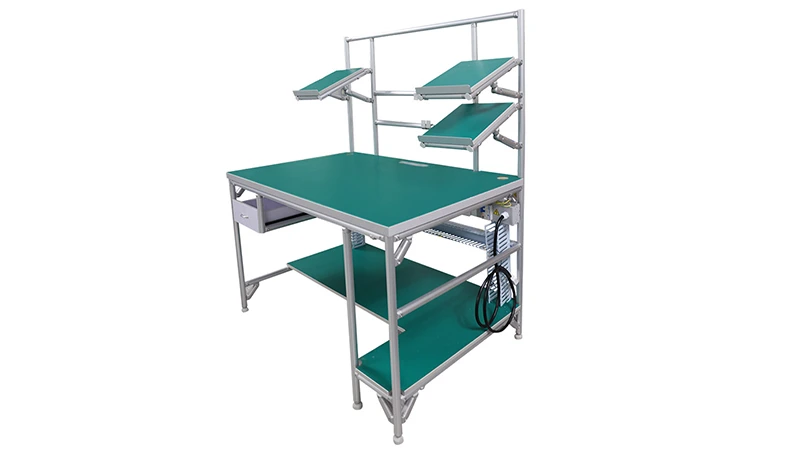
In the world of manufacturing, workshops, and laboratories, the right workbench isn't just a piece of furniture—it's the backbone of productivity. Whether you're assembling delicate electronics, organizing tools, or processing materials, a workbench needs to balance durability, flexibility, and functionality. Today, we're diving deep into one such workhorse: the Aluminum Workbench B. Designed with modern industrial needs in mind, this workbench has gained popularity for its lightweight yet robust build, thanks in large part to its use of high-quality aluminum extrusion profile. Let's break down its key specifications, from dimensions to load capacity, and explore why it stands out in a crowded market.
Understanding the Basics: What Makes Aluminum Workbench B Unique?
Before we get into the nitty-gritty, let's set the stage. Aluminum Workbench B isn't your average workbench. Unlike traditional wooden or steel options, it leverages the benefits of aluminum extrusion profile—a material known for its strength-to-weight ratio, corrosion resistance, and adaptability. This means it's easy to move (when needed) but tough enough to handle daily wear and tear. Plus, aluminum's natural resistance to rust makes it ideal for environments where moisture or chemicals might be present, such as labs or cleanrooms. But what really sets it apart? Let's start with the fundamentals: dimensions and design.
Dimensions & Design: Fitting Your Space, Your Way
One of the first questions anyone asks when shopping for a workbench is, "Will it fit?" Aluminum Workbench B addresses this with a thoughtful, space-conscious design that doesn't compromise on workspace. Let's break down its key dimensional specifications:
| Feature | Standard Specification | Details |
|---|---|---|
| Length | 1500mm (59 inches) | Adjustable options available (1200mm to 1800mm) for custom workspace needs |
| Width | 750mm (29.5 inches) | Spacious enough for tools, materials, and equipment without overcrowding |
| Height | 800mm (31.5 inches) | Ergonomic height for standing work; optional height adjusters available |
| Tabletop Thickness | 25mm (1 inch) | Reinforced aluminum honeycomb panel for rigidity and weight reduction |
| Overall Weight | Approx. 45kg (99 lbs) | Lightweight for mobility, yet stable under load |
Why does this matter? Let's say you're running a small electronics assembly line. A 1500mm length gives your team enough room to lay out circuit boards, soldering tools, and component trays without things spilling over. The 750mm width strikes a balance—wide enough to work comfortably, but narrow enough that you won't strain to reach items on the far side. And at 800mm tall, it aligns with standard ergonomic guidelines, reducing back strain during long workdays. For taller or shorter users, some models even offer height-adjustable legs, though the base version (Workbench B, single deck-without caster, as listed in specs) comes with fixed height for stability.
But dimensions aren't just about size—they're about adaptability. The frame of Aluminum Workbench B is built using aluminum profile, specifically 4040 EU standard aluminum extrusion profile, which features T-slot grooves along its length. These grooves allow you to attach aluminum profile accessories like tool hooks, shelves, or monitor mounts with ease. Need a place to hang your power tools? Screw a hook into the T-slot. Want to add a secondary shelf for materials? Slide in a bracket and secure it—no drilling or welding required. This flexibility makes the workbench grow with your needs, from a basic workspace to a fully customized station.

Load Capacity: How Much Weight Can It Really Handle?
A workbench is only as good as its ability to hold your tools and materials without wobbling or collapsing. Aluminum Workbench B shines here, thanks to its robust frame and high-quality materials. The standard model boasts a static load capacity of 500kg (1102 lbs) evenly distributed across the tabletop. That's no small feat—think of it as holding five average-sized adults, or a stack of heavy machinery parts, without breaking a sweat.
But how does it achieve this? Let's look under the hood (or under the table, in this case). The frame is constructed with 4040 aluminum extrusion profile, a common choice in industrial settings for its strength. Extruded aluminum profiles are made by forcing heated aluminum through a die, creating uniform, consistent shapes with internal reinforcement. This process ensures the frame resists bending or warping, even under heavy loads. The tabletop itself is an aluminum honeycomb panel, which sandwiches a lightweight honeycomb core between two aluminum sheets. This design reduces weight while maintaining rigidity—perfect for supporting heavy items without adding unnecessary bulk.
It's important to note that load capacity can vary if you add accessories or modify the workbench. For example, attaching a side shelf might reduce the total weight the main tabletop can hold, but the frame itself remains sturdy. Always check the manufacturer's guidelines if you plan to customize, but for most standard uses—assembling engines, storing tool chests, or setting up lab equipment—500kg is more than enough.

Materials: The Secret Behind Its Durability
We've mentioned aluminum extrusion profile a few times, but let's dive deeper into the materials that make Aluminum Workbench B tick. The star of the show is, of course, aluminum—but not just any aluminum. The frame uses 6063-T5 aluminum alloy, a heat-treated variant known for its excellent corrosion resistance and mechanical properties. This alloy is commonly used in structural applications because it balances strength, weldability, and formability.
The tabletop, as mentioned, is an aluminum honeycomb panel. Honeycomb panels are popular in aerospace and automotive industries for their strength-to-weight ratio, and they translate perfectly to workbenches. The honeycomb core (usually made of aluminum or paper) acts like a series of tiny pillars, distributing weight evenly across the surface. The outer aluminum sheets add a smooth, durable surface that's easy to clean—simply wipe away spills or debris with a damp cloth. Unlike wooden tabletops, which can warp or splinter, aluminum resists moisture and impact, ensuring the workbench looks and functions like new for years.
Even the smallest components matter. The joints connecting the frame pieces are made of die-cast aluminum, designed to lock the aluminum profile together securely. These joints are part of the broader range of aluminum profile accessories, which include brackets, end caps, and connectors. Each accessory is engineered to fit the T-slot grooves of the extrusion profile, creating a seamless, rattle-free structure. No more loose screws or wobbly shelves—this attention to detail ensures the workbench stays stable, even with daily use.
Accessories & Customization: Making It Your Own
What truly elevates Aluminum Workbench B from a "good" workbench to a "great" one is its customization options. Thanks to the T-slot aluminum extrusion profile, you can add, remove, or rearrange accessories to suit your workflow. Let's explore some popular add-ons:
Shelves and Racks: Need extra storage? Attach a material rack B (3 row and 3 floor) to the side or back of the workbench. This rack, designed to hold bins or boxes, keeps materials within arm's reach without cluttering the tabletop. The shelves are adjustable, so you can space them to fit tall or short items.
Tool Hooks and Holders: Keep your tools organized with aluminum profile accessories like tool hooks or magnetic strips. Slide a hook into the T-slot and hang your wrench set, power drill, or measuring tape—no more digging through drawers.
Casters (Optional): While the base model (Workbench B, single deck-without caster) is stationary, you can add flat swivel castor wheels for mobility. This is ideal if you need to move the workbench between workstations or clean around it. Just lock the casters in place when you're ready to work, and you'll have a stable surface again.
ESD Protection: For electronics assembly, static electricity can damage sensitive components. Some models of Aluminum Workbench B come with an ESD (Electrostatic Discharge) tabletop, which dissipates static charges safely. This makes it a great choice for labs or factories working with circuit boards or semiconductors.
Applications: Where Does Aluminum Workbench B Excel?
Aluminum Workbench B isn't a one-trick pony—it adapts to a wide range of industries and uses. Here are just a few places where it shines:
Manufacturing and Assembly Lines: In factories, time is money. The workbench's large surface area and high load capacity make it perfect for assembling products, from small electronics to automotive parts. The T-slot accessories let workers customize their stations with tool holders or material racks, streamlining the assembly process.
Laboratories: Labs require clean, durable surfaces that can withstand chemicals and frequent cleaning. Aluminum Workbench B's corrosion-resistant aluminum and easy-to-wipe tabletop make it a top choice. Add an ESD tabletop, and it's ready for sensitive lab work.
Workshops and Garages: Whether you're a hobbyist or a professional mechanic, a sturdy workbench is essential. Aluminum Workbench B can hold heavy tool chests, car parts, or welding equipment, and its mobility (with optional casters) lets you move it around the garage as needed.
Retail and Warehousing: In warehouses, workbenches are used for packing, labeling, or sorting inventory. The material rack B (3 row and 3 floor) accessory turns Aluminum Workbench B into a mini storage unit, keeping boxes and packages organized and accessible.
Maintenance: Keeping It Looking and Working Like New
One of the best things about aluminum is how low-maintenance it is. Unlike wood, which needs staining or sealing, or steel, which can rust, aluminum workbenches require minimal upkeep. Here are a few tips to keep your Aluminum Workbench B in top shape:
Cleaning: Wipe the tabletop and frame with a damp cloth and mild soap to remove dirt or spills. Avoid abrasive cleaners, as they can scratch the aluminum surface. For stubborn stains, a soft-bristled brush works well.
Inspecting Joints: Over time, the aluminum profile accessories (like brackets or connectors) might loosen slightly. Check them periodically and tighten with a hex key if needed—this ensures the frame stays stable.
Protecting the Tabletop: While the aluminum honeycomb panel is durable, it can scratch. Use a cutting mat for sharp tools, and avoid dragging heavy objects across the surface. If scratches do occur, a metal polish can help buff them out.
Lubricating Casters: If you've added casters, lubricate the wheels and axles every few months to keep them rolling smoothly. This prevents squeaking and extends their lifespan.
Conclusion: Why Aluminum Workbench B Stands Out
In a market flooded with generic workbenches, Aluminum Workbench B stands out for its thoughtful design, robust construction, and adaptability. From its space-saving dimensions to its impressive 500kg load capacity, it's built to handle the demands of modern workplaces. The use of aluminum extrusion profile ensures it's both lightweight and strong, while the range of aluminum profile accessories lets you customize it to your exact needs.
Whether you're setting up a new factory line, upgrading your lab, or organizing your garage, this workbench delivers where it counts: durability, functionality, and value. It's more than just a table—it's a tool that helps you work smarter, not harder. So if you're in the market for a workbench that can keep up with your workflow, look no further than Aluminum Workbench B. Your back (and your productivity) will thank you.