- Company Articles
- Products and Technology
- Technology Sharing
- Laboratory Research: Aluminum Workbench C for Medical Equipment Development

Laboratory Research: Aluminum Workbench C for Medical Equipment Development
Related Product
Aluminum Workbench C
aluminum-tube-workbench-is-more-flexible-and-durable,-compared-with-traditional-pe/abs-coated-steel-tube.-it-is-easy-to-assemble,-anti-corrosion,-rust-protection,-and-recycle-use-after-disassemble.
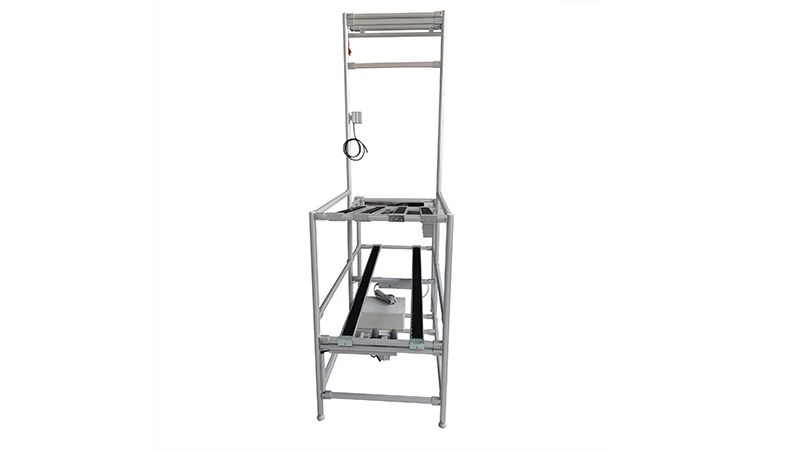
In the fast-paced world of medical equipment development, precision, reliability, and adaptability aren't just buzzwords—they're the foundation of life-saving innovation. Every tool, every surface, and every workflow detail can mean the difference between a breakthrough and a setback. Nowhere is this more true than in the laboratory, where researchers and engineers spend countless hours designing, testing, and refining devices that diagnose illnesses, monitor vital signs, and improve patient outcomes. Among these essential tools, one piece of equipment often flies under the radar but plays a critical role: the workbench. Not just any workbench, though—today, we're diving into the game-changing potential of the Aluminum Workbench C, a modular, durable, and highly customizable solution tailored to the unique demands of medical research.
Walk into any cutting-edge medical lab, and you'll notice a shift. Gone are the days of clunky, one-size-fits-all wooden or steel workbenches that resist modification and wear down under the demands of daily use. Instead, labs are increasingly turning to aluminum-based solutions, and for good reason. Aluminum Workbench C, in particular, has emerged as a standout choice, blending the strength of metal with the flexibility of modular design. But what makes it so special? Why has it become the go-to for teams developing everything from next-generation pacemakers to portable diagnostic kits? Let's unpack the story—from the properties of aluminum itself to the intricate design features that make this workbench a cornerstone of modern medical research.
Why Aluminum? The Material Science Behind the Choice
Before we dive into the specifics of Aluminum Workbench C, it's worth asking: why aluminum? In a field where materials must withstand rigorous conditions—chemical spills, repeated cleaning, static electricity, and the weight of sensitive equipment—aluminum checks all the boxes. Let's start with the basics: aluminum is lightweight, yet surprisingly strong. A typical aluminum workbench weighs 30-40% less than a steel counterpart of the same size, making it easier to reconfigure or relocate as lab needs change. This is a huge advantage in dynamic environments where workflows evolve with each project phase.
But strength isn't just about weight. Aluminum's inherent corrosion resistance is a game-changer for medical labs. Unlike steel, which rusts when exposed to moisture or chemicals, aluminum forms a thin oxide layer when in contact with air, acting as a natural barrier against corrosion. This means spills of disinfectants, solvents, or bodily fluids—common in medical research—won't eat away at the workbench surface over time. For labs working with biological samples or pharmaceutical compounds, this resistance to degradation ensures the workbench remains a sterile, reliable surface for years.
Then there's thermal conductivity. Aluminum dissipates heat more efficiently than wood or plastic, which is critical when placing heat-generating equipment like centrifuges or PCR machines on the bench. No one wants a workbench that traps heat, potentially altering experimental conditions or damaging sensitive electronics. Aluminum's ability to regulate temperature helps maintain the stability of experiments, a detail that can save researchers from costly errors.
Perhaps most importantly for medical applications, aluminum is compatible with electrostatic discharge (ESD) protection. Many medical devices, especially those with microelectronics, are highly sensitive to static electricity, which can fry circuits or corrupt data. Aluminum Workbench C can be treated with specialized coatings or paired with ESD-safe accessories to dissipate static charges, ensuring that even the most delicate components remain unharmed during assembly or testing. This level of protection is hard to achieve with materials like wood, which are natural insulators.
Aluminum Workbench C: Design Features That Redefine Lab Efficiency
Aluminum Workbench C isn't just a slab of aluminum on legs—it's a meticulously engineered system built around the principles of modularity and user-centric design. At its core is the use of aluminum extrusion profiles, a manufacturing process that transforms raw aluminum into complex, precise shapes with consistent cross-sections. These profiles are the building blocks of the workbench, and they're what make customization possible.
So, what exactly is an aluminum extrusion profile? Imagine heating an aluminum billet until it's malleable, then forcing it through a die (a specialized mold) to create a long, continuous shape. The result is a profile with built-in channels, grooves, and mounting points that allow for easy attachment of accessories—think shelves, drawers, tool holders, or even monitor arms. For Aluminum Workbench C, the primary profile is typically a T-slot design, where the "T" shape of the slot allows bolts, nuts, or brackets to slide into place and lock securely. This means the workbench can be reconfigured in minutes, not days, as project needs change. A researcher might start with a simple flat surface for prototyping, then add a shelf for storage, a lamp for better visibility, or a bin rail for organizing tools—all without drilling holes or welding.
Key Design Elements of Aluminum Workbench C
1. Modular Frame: The workbench's frame is constructed from interlocking aluminum extrusion profiles, typically 20mm x 40mm or 30mm x 60mm in size, depending on weight capacity needs. These profiles are joined using aluminum profile accessories like internal rotatary aluminum joints or 90° aluminum pipe joints, which lock into the T-slots and can be tightened or loosened with basic tools. This modularity means the workbench can be adjusted for height (critical for ergonomics—researchers of different heights need surfaces at elbow level to avoid strain), width, or depth. Some labs even opt for double-sided configurations, where two teams can work back-to-back without sacrificing space.
2. Work Surface Options: The top of Aluminum Workbench C isn't one-size-fits-all, either. Labs can choose from surfaces like aluminum honeycomb panels (lightweight but strong), phenolic resin (chemical-resistant and easy to clean), or ESD-safe laminates. For example, a team developing a new surgical tool might prefer a phenolic surface that stands up to frequent wiping with alcohol, while a team working on circuit boards would opt for an ESD laminate to protect microchips. The surface is attached to the frame using brackets that slide into the T-slots, making replacement simple if the surface becomes damaged.
3. Weight Capacity: Despite its lightweight frame, Aluminum Workbench C is surprisingly robust. A standard single-deck model (without casters, similar to "Workbench E" in some product lines) can typically support 200-300 kg of evenly distributed weight—more than enough for heavy equipment like spectrometers or 3D printers. For labs needing even more capacity, reinforced profiles or double-frame designs can boost weight limits to 500 kg or more.
4. Mobility Options: While some labs prefer fixed workbenches, many value the ability to move surfaces as projects evolve. Aluminum Workbench C can be equipped with caster wheels (another example of aluminum profile accessories) that lock in place when stability is needed. These casters are often made from non-marking rubber to protect lab floors, and some models include brakes to prevent unintended movement during delicate tasks.
5. Cable Management: In medical labs, where equipment is often connected to power sources, data lines, or monitoring systems, cable clutter is more than just an eyesore—it's a safety hazard. Aluminum Workbench C addresses this with built-in cable channels running along the back or underside of the frame. These channels keep cords organized and out of the way, reducing the risk of tripping or accidental disconnection. Some models even include cable clips or trays that attach to the T-slots, allowing for further customization.

Integration with Lean Systems: Streamlining Workflows for Medical Development
Medical equipment development is as much about process as it is about product. Labs that adopt lean system principles—focused on minimizing waste, maximizing efficiency, and continuous improvement—often see faster development cycles and fewer errors. Aluminum Workbench C aligns perfectly with these principles, acting as a physical manifestation of lean thinking.
Let's break down how. Lean systems emphasize the importance of "5S" (Sort, Set in Order, Shine, Standardize, Sustain), a methodology for organizing the workplace to reduce waste and improve productivity. Aluminum Workbench C supports each of these steps:
Sort: The modular design makes it easy to separate essential tools from unnecessary clutter. With T-slots, researchers can add bins, hooks, or tool holders exactly where they need them, ensuring only the tools required for the current task are within reach.
Set in Order: Everything has a place, and everything in its place. Aluminum profile accessories like shelf dividers or labeled bins can be positioned to create a logical flow—raw materials on one side, tools in the middle, finished prototypes on the other. This reduces time spent searching for items and minimizes errors.
Shine: A clean workspace is a productive workspace. Aluminum surfaces are non-porous and resistant to stains, making them easy to wipe down with disinfectants. Unlike wood, which can harbor bacteria in cracks, or steel, which requires frequent polishing to prevent rust, aluminum stays clean with minimal effort.
Standardize: In labs with multiple workbenches, consistency is key. Aluminum Workbench C can be standardized across the lab, with identical configurations for teams working on similar tasks. This means researchers can move between workbenches seamlessly, knowing where tools and supplies will be.
Sustain: The durability of aluminum ensures the workbench remains functional for years, even with heavy use. This longevity reduces the need for frequent replacements, aligning with lean's focus on long-term efficiency over short-term cost savings.
Beyond 5S, Aluminum Workbench C supports workflow optimization through its adaptability. In medical device development, projects often move through stages: ideation, prototyping, testing, and assembly. Each stage has different needs. During prototyping, a researcher might need a large, open surface; during testing, they might need a smaller, more controlled area with specialized equipment. With Aluminum Workbench C, the same bench can transition between these stages by adding or removing accessories. For example, a team developing a new glucose monitor might start with a basic setup for sketching and 3D printing prototypes, then add a power strip and data logger mount for testing, and finally reconfigure it with bins and labels for small-batch assembly.

A Comparison: Aluminum Workbench C vs. Traditional Lab Workbenches
To truly appreciate the value of Aluminum Workbench C, it helps to see how it stacks up against the alternatives. Let's compare it to three common types of lab workbenches: wooden, steel, and plastic.
| Feature | Aluminum Workbench C | Wooden Workbench | Steel Workbench | Plastic Workbench |
|---|---|---|---|---|
| Material Composition | Aluminum extrusion profiles + customizable surface (phenolic, ESD laminate) | Solid wood or plywood with veneer | Steel frame + steel or wood top | HDPE or polypropylene |
| Weight (per sq. ft) | 8-12 lbs | 15-20 lbs | 20-30 lbs | 5-8 lbs |
| Corrosion Resistance | Excellent (oxide layer protection) | Poor (prone to water damage, warping) | Good (with powder coating), but rusts if scratched | Excellent (chemical-resistant) |
| Customization | High (T-slots allow easy accessory attachment) | Low (requires drilling, sanding, or glue) | Medium (welding or bolt-on accessories) | Low (limited mounting options) |
| ESD Protection | Yes (with ESD coating or accessories) | No (natural insulator) | Yes (with grounding kit) | No (insulator, may generate static) |
| Weight Capacity | 200-500 kg (depending on frame size) | 100-200 kg (prone to sagging over time) | 300-800 kg | 50-150 kg (prone to bending) |
| Longevity | 10-15 years (with minimal maintenance) | 5-8 years (prone to scratches, warping) | 10-20 years (but heavy and hard to modify) | 3-5 years (prone to UV damage, cracking) |
| Cost (Initial) | Medium-High ($500-$1,200) | Low-Medium ($300-$600) | Medium-High ($600-$1,500) | Low ($200-$400) |
| Long-Term Value | High (modular, low maintenance) | Low (needs replacement sooner) | Medium (durable but inflexible) | Low (short lifespan) |
The table tells a clear story: Aluminum Workbench C strikes a balance between weight, durability, customization, and cost that other materials can't match. Wooden workbenches are cheap upfront but quickly show wear and can't be modified. Steel is strong but heavy and rigid, making it hard to adapt to changing workflows. Plastic is lightweight and chemical-resistant but lacks the strength for heavy equipment. Aluminum, on the other hand, offers the best of all worlds—light enough to move, strong enough to support heavy tools, customizable enough to grow with the lab, and durable enough to last over a decade.

Real-World Impact: Case Study of a Medical Device Lab
To understand how Aluminum Workbench C transforms lab operations, let's look at a real-world example: a mid-sized medical device company specializing in portable ultrasound machines. Before adopting Aluminum Workbench C, the company's R&D lab relied on a mix of old steel workbenches and wooden tables, and the challenges were mounting.
First, the steel workbenches were heavy—so heavy that reconfiguring the lab for a new project required a team of four people and half a day. This was a problem, as the lab often shifted between developing new hardware (which needed large, open surfaces) and testing software (which required more desk space for computers and monitors). Second, the wooden tables were prone to warping after spills of isopropyl alcohol, a common cleaning agent, leading to uneven surfaces that made precise measurements difficult. Third, the lack of ESD protection meant that static charges occasionally damaged the delicate circuit boards used in the ultrasound probes, costing the team time and money.
The solution? The company replaced all workbenches with Aluminum Workbench C, opting for a mix of single-deck models (without casters) for stationary work and models with caster wheels for flexibility. The results were immediate:
1. Faster Reconfiguration: With aluminum's lightweight frame and modular joints, two researchers could now reconfigure the lab in under an hour. For example, when the team shifted from hardware prototyping to software testing, they removed the large surface tops and added shelves and monitor arms to create dedicated workstations—no tools required beyond an Allen wrench.
2. Improved Durability: The phenolic resin surfaces of the Aluminum Workbench C stood up to daily alcohol cleaning without warping or staining. Even after six months of heavy use, the surfaces remained smooth and level, ensuring accurate measurements during probe assembly.
3. Reduced ESD Damage: By adding ESD-safe laminates to the workbench tops and grounding the aluminum frames, the team eliminated static-related circuit board failures. In the first three months post-installation, there were zero incidents of static damage, compared to an average of two per month previously.
4. Better Workflow Efficiency: The T-slot design allowed the team to add custom accessories, like tool holders shaped specifically for ultrasound probe components and bin rails labeled for different circuit board types. This reduced time spent searching for tools by an estimated 15 hours per week, freeing up researchers to focus on innovation.
Today, the company reports that development cycles for new ultrasound probes have shortened by 20%, and the lab has become a showcase for efficiency—proof that the right workbench can be a catalyst for progress.
Maintenance and Care: Keeping Aluminum Workbench C in Top Shape
Like any lab equipment, Aluminum Workbench C requires regular care to ensure it continues performing at its best. The good news? Maintenance is minimal, thanks to aluminum's inherent durability. Here are some tips to keep your workbench in top condition:
1. Cleaning: Wipe down the surface daily with a soft cloth and mild detergent (avoid abrasive cleaners, which can scratch the finish). For tougher stains, use isopropyl alcohol or a 50/50 mix of water and vinegar. Rinse thoroughly and dry to prevent water spots.
2. Inspecting Joints and Accessories: Check aluminum profile accessories like joints, brackets, and casters monthly for looseness. Tighten any bolts or screws with a hex key (Allen wrench) as needed—this prevents wobbling and ensures stability.
3. Lubricating Moving Parts: If your workbench has casters or adjustable shelves, apply a small amount of silicone lubricant to moving parts every six months to keep them operating smoothly.
4. Avoiding Overloading: Stick to the workbench's weight capacity (typically listed in the user manual). Overloading can bend the aluminum profiles or damage the joints, reducing the bench's lifespan.
5. Touching Up Scratches: Minor scratches in the aluminum frame can be touched up with aluminum polish to prevent corrosion. For deeper scratches, consult the manufacturer about replacement profiles—thanks to the modular design, individual parts can be swapped out without replacing the entire bench.
The Future of Lab Workbenches: What's Next for Aluminum Workbench C?
As medical technology advances, so too will the tools that support its development. Aluminum Workbench C is already at the forefront of this evolution, but what might the future hold? Here are a few trends to watch:
1. Smart Integration: Imagine a workbench with built-in sensors that monitor temperature, humidity, or vibration—critical factors for sensitive experiments. Aluminum's conductivity could make it easier to integrate these sensors into the frame, turning the workbench into a data-collecting hub that feeds information to lab management software.
2. Sustainability: As labs focus more on eco-friendly practices, aluminum's recyclability will become an even bigger selling point. Manufacturers may start using recycled aluminum in extrusion profiles, reducing the carbon footprint of production. Additionally, modular design means components can be reused or repurposed, further minimizing waste.
3. Advanced Ergonomics: Future iterations of Aluminum Workbench C may include motorized height adjustment, allowing researchers to switch between sitting and standing positions with the push of a button. Pair this with AI-powered lighting that adjusts based on task or time of day, and the workbench becomes a truly personalized tool.
4. Material Innovations: While aluminum is already strong, new alloys could make it even lighter or more corrosion-resistant. For example, adding small amounts of magnesium or silicon to the aluminum could improve its strength-to-weight ratio, opening up new possibilities for ultra-lightweight yet heavy-duty workbenches.
Conclusion: Aluminum Workbench C—More Than a Workbench, a Catalyst for Innovation
In the world of medical equipment development, success hinges on the ability to adapt, innovate, and maintain precision in every detail. Aluminum Workbench C embodies these principles, offering labs a tool that's as flexible as their research and as durable as their commitment to improving patient outcomes. From its aluminum extrusion profiles that enable endless customization to its lean system compatibility that streamlines workflows, this workbench isn't just a surface to work on—it's a foundation for progress.
As we've seen, the benefits are clear: faster reconfiguration, better durability, reduced waste, and improved safety. Whether you're developing a life-saving medical device or refining a diagnostic tool, the right workbench can make all the difference. Aluminum Workbench C isn't just keeping up with the demands of modern labs—it's setting a new standard for what a workbench can be.
So, the next time you step into a medical research lab, take a closer look at the workbenches. Chances are, you'll see Aluminum Workbench C in action, quietly supporting the innovators who are shaping the future of healthcare. And behind every breakthrough—every new device, every improved treatment—there's a good chance a tool like this was there, helping turn ideas into reality.