- Company Articles
- Products and Technology
- Product knowledge
- Lean Management Accessories: 2.0mm Stainless Steel Pipe Applications

Lean Management Accessories: 2.0mm Stainless Steel Pipe Applications
Related Product
2.0mm Stainless Steel Pipe
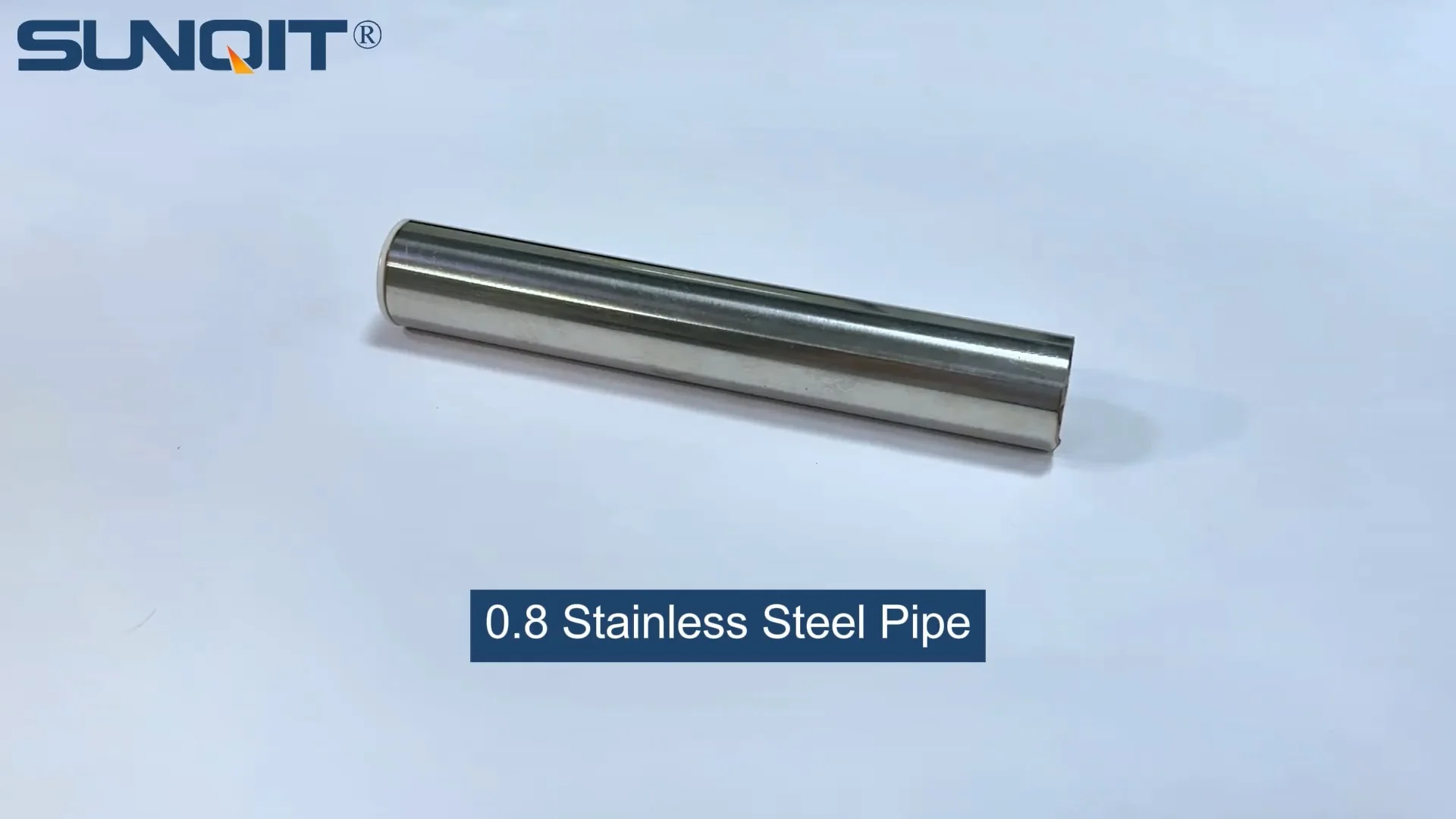
Stainless steel pipe, lean pipe, diameter is 28mm, material is SS201 or SS304, SS201 is normally used in the market. It knows a KARAKURI, KAIZEN material for industrial plant to improve efficiency, save labor cost, standard management.
In the fast-paced world of manufacturing and production, efficiency isn't just a buzzword—it's the backbone of success. Lean management, a philosophy centered on minimizing waste while maximizing value, has become the gold standard for businesses striving to stay competitive. At the heart of lean systems lies a toolkit of practical, durable accessories designed to streamline workflows, reduce downtime, and empower teams to work smarter. Among these tools, the 2.0mm stainless steel pipe stands out as a quiet workhorse, offering unmatched strength, versatility, and reliability. In this article, we'll explore how this unassuming component—part of the broader stainless steel pipe series —plays a pivotal role in building robust lean environments, from workbenches to turnover trolleys, and why it's become a go-to choice for manufacturers worldwide.
Understanding Lean Management: Beyond the Buzzword
Before diving into the specifics of 2.0mm stainless steel pipe, let's ground ourselves in what lean management truly entails. At its core, lean is about creating more value for customers with fewer resources. It's a mindset that challenges teams to identify and eliminate "muda" (waste) in all forms—whether that's excess inventory, unnecessary movement, or inefficient processes. To achieve this, lean relies on tangible tools: workstations that adapt to tasks, material racks that keep supplies within arm's reach, and trolleys that move goods seamlessly across the factory floor. These tools aren't just pieces of equipment; they're extensions of the lean philosophy, designed to make efficiency feel intuitive rather than forced.
But here's the thing: not all tools are created equal. A flimsy workbench that wobbles under heavy parts, or a trolley that bends under load, can quickly turn a well-intentioned lean setup into a source of frustration. That's where material choice matters. The components that make up these tools need to be durable enough to withstand daily use, flexible enough to adapt to changing needs, and reliable enough to keep operations running smoothly. Enter the 2.0mm stainless steel pipe—a material that checks all these boxes and more.
Why 2.0mm? The Sweet Spot in Stainless Steel Pipe Design
Stainless steel pipes come in various thicknesses, from ultra-thin 0.8mm options to heavy-duty 2.5mm variants. So why has 2.0mm emerged as a favorite in lean applications? Let's break it down. Thinner pipes (like 1.2mm or 1.5mm) are lightweight and cost-effective, but they often lack the structural rigidity needed for heavy loads. Imagine a material rack holding stacks of metal components—too thin, and the pipes might sag over time, throwing off the alignment of shelves or even risking collapse. On the flip side, pipes thicker than 2.0mm (say, 2.5mm) offer exceptional strength, but they add unnecessary weight, making assemblies harder to move or reconfigure. They also drive up material costs, which contradicts the "minimize waste" ethos of lean.
At 2.0mm, stainless steel pipe strikes a balance. It's thick enough to support substantial loads—think 200kg or more per linear meter—without adding excessive bulk. This makes it ideal for everything from sturdy workbenches to multi-tiered material racks. Its thickness also enhances resistance to bending and warping, even in high-traffic areas where equipment is moved, bumped, or loaded repeatedly. For workers, this translates to stability: a workbench that stays level during assembly, a trolley that glides smoothly without tipping, and a material rack that maintains its shape year after year.

The Stainless Steel Advantage: Corrosion, Cleanliness, and Longevity
Stainless steel's reputation for durability is well-earned, but its benefits go beyond strength. Unlike aluminum or plastic-coated pipes, stainless steel is inherently resistant to corrosion and rust. In manufacturing environments—where exposure to oils, coolants, or humidity is common—this resistance is a game-changer. A 2.0mm stainless steel workbench in an automotive plant, for example, won't degrade when splashed with lubricants, and a material rack in a food processing facility won't rust from frequent washdowns. This longevity reduces the need for replacements, cutting down on both waste and long-term costs.
Cleanliness is another key factor. Stainless steel's smooth, non-porous surface is easy to wipe down, making it ideal for industries with strict hygiene standards, such as pharmaceuticals or electronics manufacturing. Unlike painted or coated pipes, it doesn't chip or flake, so there's no risk of debris contaminating products. For workers, this means less time spent on maintenance and more time focused on value-adding tasks—a direct win for lean efficiency.

Applications in Action: How 2.0mm Stainless Steel Pipe Powers Lean Accessories
Now that we understand the "why" behind 2.0mm stainless steel pipe, let's explore the "how." This versatile component is the building block for some of the most critical accessories in lean systems. Let's take a closer look at three key applications:
1. Workbenches: The Foundation of Efficient Assembly
A workbench is more than just a table—it's a command center for assembly, inspection, and packaging. In lean settings, workbenches need to be sturdy, customizable, and ergonomic. 2.0mm stainless steel pipe excels here, forming the frame that supports heavy tools, parts bins, and even integrated lighting or power strips. Unlike wooden workbenches, which can splinter or warp, or aluminum frames, which may flex under load, stainless steel ensures the surface remains stable and level, reducing errors during precision tasks.
Take, for example, a workbench in an electronics manufacturing plant. It might hold sensitive circuit boards, soldering irons, and bins of tiny components. A 2.0mm stainless steel frame provides the rigidity needed to keep the work surface steady, even when operators lean on it or place heavy equipment. Its corrosion resistance also means it won't degrade from the cleaning agents used to maintain a dust-free environment. Plus, when paired with lean pipe joints —the connectors that link pipes together—these workbenches can be easily reconfigured. Need to add a shelf for extra storage? Swap out a joint, add a new pipe section, and you're done. No need for welding or specialized tools—just quick, tool-free adjustments that align with lean's focus on adaptability.
2. Turnover Trolleys and Racks: Moving Materials with Confidence
In any production facility, materials need to flow—from the warehouse to the assembly line, and from the line to quality control. Turnover trolley and rack systems are the arteries of this flow, and their reliability directly impacts throughput. A trolley that jams, sags, or breaks mid-transit can bring an entire line to a halt, creating bottlenecks and waste. 2.0mm stainless steel pipe addresses this by providing the structural backbone for these trolleys and racks.
Consider a turnover trolley used to transport automotive parts from the storage area to the assembly line. It might carry dozens of heavy components—engine parts, brackets, or gears—weighing 100kg or more. A frame made of 2.0mm stainless steel pipe distributes this weight evenly, preventing bending or warping. When paired with caster wheels (another critical accessory), the trolley glides smoothly across the floor, even with a full load. Unlike plastic or aluminum frames, which might crack under repeated use, stainless steel stands up to the bumps and drops that come with daily material handling. And because it's corrosion-resistant, these trolleys hold up in damp warehouses or outdoor loading docks, ensuring materials keep moving regardless of the environment.
3. Material Racks: Organizing Supplies for Quick Access
Lean thrives on organization. When tools and materials are scattered or hard to reach, workers waste time searching—time that could be spent building products. Material racks solve this by keeping supplies visible, accessible, and neatly arranged. 2.0mm stainless steel pipe is the perfect material for these racks, offering the strength to support stacked boxes, bins, or pallets without bowing.
Imagine a three-tiered material rack in a packaging facility, holding rolls of plastic film, cardboard boxes, and labeling supplies. Each shelf, supported by 2.0mm stainless steel pipes, needs to bear the weight of multiple heavy rolls. Thinner pipes might sag over time, causing the shelves to tilt and risking spills. Stainless steel, however, maintains its shape, ensuring supplies stay in place and workers can grab what they need with a quick reach. And because stainless steel is easy to clean, these racks stay free of dust and debris, which is especially important in industries like food packaging or medical device manufacturing.
Comparing Materials: Why 2.0mm Stainless Steel Stands Out
To truly appreciate the value of 2.0mm stainless steel pipe, it helps to see how it stacks up against other common materials used in lean accessories. Let's compare it to two alternatives: 1.5mm stainless steel pipe and aluminum lean pipe.
| Material | Thickness | Max Load Capacity (per linear meter) | Corrosion Resistance | Best For |
|---|---|---|---|---|
| 2.0mm Stainless Steel Pipe | 2.0mm | 200–250kg | High (resistant to rust, oils, and chemicals) | Heavy-duty workbenches, material racks, outdoor/damp environments |
| 1.5mm Stainless Steel Pipe | 1.5mm | 120–150kg | High (same as 2.0mm) | Light to medium loads, temporary setups, cost-sensitive projects |
| Aluminum Lean Pipe | 1.5–2.0mm | 80–120kg | Medium (prone to oxidation if uncoated) | Lightweight, indoor applications, quick reconfigurations |
As the table shows, 2.0mm stainless steel pipe outperforms aluminum in load capacity and corrosion resistance, making it the clear choice for heavy-duty or harsh environments. While 1.5mm stainless steel is lighter and cheaper, it sacrifices the rigidity needed for long-term reliability in high-stress applications. For lean systems that aim to reduce waste (including the waste of frequent replacements), 2.0mm stainless steel offers the best balance of performance and longevity.
Integration with Lean Accessories: The Power of Compatibility
A pipe is only as useful as the accessories it connects to. 2.0mm stainless steel pipe shines in lean systems because it works seamlessly with a range of components, from joints to casters, that enhance its functionality. Let's explore two key accessories that make stainless steel pipe setups truly versatile:
Lean Pipe Joints: The Glue That Holds Lean Systems Together
Lean pipe joints are the unsung heroes of modular lean setups. These connectors—typically made of zinc-plated steel or plastic—link pipes at various angles (90°, 45°, 180°) to form frames, shelves, and structures. What makes them indispensable is their tool-free assembly: simply slide a joint onto the pipe, tighten a screw, and you've created a secure connection. For 2.0mm stainless steel pipe, this means quick setup and even quicker reconfigurations. Need to shorten a workbench? Loosen the joints, remove a pipe section, and retighten. No welding, no drilling—just flexibility.
The compatibility between 2.0mm stainless steel pipe and lean pipe joints also ensures consistency. Whether you're building a small parts bin or a large material rack, the same joints work across the board, reducing the need for specialized components and simplifying inventory management—a lean win in itself.
Caster Wheels: Adding Mobility to Static Structures
Mobility is key in lean environments, where materials and workstations often need to move to the worker, not the other way around. Caster wheels transform static stainless steel structures into dynamic tools. A workbench on casters can be rolled to different assembly stations; a material rack on wheels can follow the flow of production. 2.0mm stainless steel pipe provides a sturdy base for these casters, ensuring the weight of the structure and its contents is distributed evenly, preventing tipping or jamming.
Quality casters matter, too. Heavy-duty, lockable casters with rubber or polyurethane wheels pair perfectly with stainless steel frames, offering smooth movement on concrete or factory floors while protecting surfaces from scratches. For example, a turnover trolley with 2.0mm stainless steel frame and lockable casters can be easily moved to the assembly line, locked in place during loading/unloading, then rolled back to storage—all without straining workers or damaging the floor.
Real-World Impact: How 2.0mm Stainless Steel Pipe Improves Bottom Lines
At this point, you might be thinking, "This all sounds great, but does it actually make a difference?" The answer is a resounding yes. Let's look at a real-world example: a mid-sized automotive parts manufacturer that switched from aluminum and wooden lean accessories to 2.0mm stainless steel pipe setups.
Before the switch, the plant struggled with frequent breakdowns. Their aluminum workbenches would flex under the weight of heavy tools, leading to misaligned assemblies and rework. Wooden material racks warped in the humid environment, causing parts to shift and fall. Turnover trolleys with plastic frames cracked under heavy loads, requiring costly replacements every 6–8 months. The maintenance team was spending 10+ hours weekly repairing or replacing these accessories—time that could have been spent on preventive maintenance for production equipment.
After transitioning to 2.0mm stainless steel pipe workbenches, material racks, and trolleys, the results were striking: Maintenance hours dropped by 75%, as the stainless steel structures required minimal upkeep. Rework due to unstable workbenches decreased by 40%, improving product quality. And the lifespan of accessories extended from months to years, reducing replacement costs by 60% annually. Perhaps most importantly, workers reported feeling more confident in their tools, leading to a 15% boost in productivity. This isn't just a success story for stainless steel pipe—it's a testament to how the right tools can turn lean principles into tangible results.
Conclusion: The Quiet Power of 2.0mm Stainless Steel Pipe in Lean Systems
In the world of lean management, success lies in the details—the small, often overlooked components that keep operations running smoothly. 2.0mm stainless steel pipe, part of the stainless steel pipe series , is one such detail. It's not flashy, but it's foundational, providing the strength, durability, and flexibility needed to build workbenches, turnover trolleys, and material racks that stand up to the demands of modern manufacturing. By choosing this robust material, businesses invest in efficiency, reduce waste, and empower their teams to focus on what matters most: creating value for customers.
As lean management continues to evolve, the tools that support it will too. But one thing remains clear: the need for reliable, adaptable, and long-lasting components will never fade. 2.0mm stainless steel pipe isn't just a trend—it's a timeless solution that bridges the gap between lean philosophy and real-world performance. For manufacturers looking to build a lean system that lasts, it's not just a choice—it's the right choice.