- Company Articles
- Products and Technology
- Product knowledge
- Lean Management Accessories: Compatibility with Two Way Lean Pipe Joint

Lean Management Accessories: Compatibility with Two Way Lean Pipe Joint
Related Product
Two Way Lean Pipe Joint
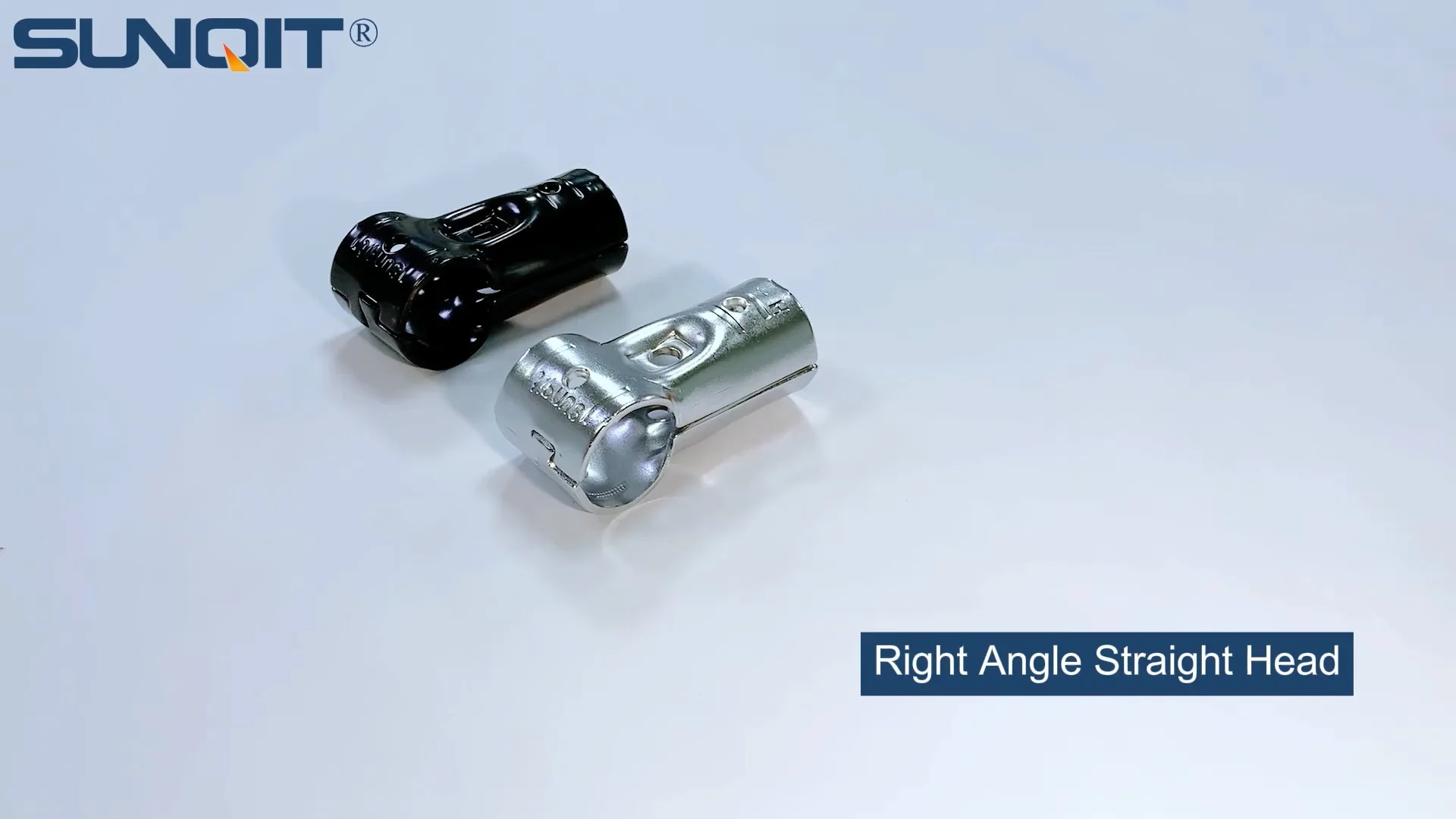
Two way lean pipe joint for 2 pcs 28MM lean pipe connection in straight angle, which used widely in workbench, flow rack, hand trolley frame connection.
Introduction: The Unsung Hero of Lean Systems
Walk into any modern manufacturing facility or warehouse, and you'll notice a rhythm—a seamless flow of materials, workers moving with purpose, and systems that seem to adapt and evolve as needs change. This isn't just luck; it's the result of lean management, a philosophy built on eliminating waste, optimizing efficiency, and fostering continuous improvement. But lean management doesn't run on alone (ideas alone); it relies on the quiet workhorses of the operation: the accessories that hold everything together, literally and figuratively. Among these, few components are as critical yet underappreciated as the
two way lean pipe joint
.
Think of a lean system as a symphony. The production goals are the melody, the workers are the musicians, and the accessories—like lean pipes, workbenches, flow racks, and casters—are the instruments. But what keeps the instruments in tune? The connectors. And when it comes to connectors, the two way lean pipe joint is the conductor's baton, directing how components interact, adapt, and support the overall harmony of the operation. Its ability to link different parts of a lean system with precision and flexibility makes it indispensable for businesses aiming to stay agile in a fast-paced market.
In this article, we'll dive deep into the world of the two way lean pipe joint, exploring how it interacts with key lean management accessories like lean pipe workbench , flow rack , caster wheel , and aluminum profile . We'll uncover why compatibility matters, how these connections drive efficiency, and why choosing the right joint can transform a static workspace into a dynamic, waste-free environment. Whether you're a plant manager looking to optimize your assembly line or a small business owner building your first lean setup, understanding the two way lean pipe joint's role is the first step toward unlocking your operation's full potential.
Think of a lean system as a symphony. The production goals are the melody, the workers are the musicians, and the accessories—like lean pipes, workbenches, flow racks, and casters—are the instruments. But what keeps the instruments in tune? The connectors. And when it comes to connectors, the two way lean pipe joint is the conductor's baton, directing how components interact, adapt, and support the overall harmony of the operation. Its ability to link different parts of a lean system with precision and flexibility makes it indispensable for businesses aiming to stay agile in a fast-paced market.
In this article, we'll dive deep into the world of the two way lean pipe joint, exploring how it interacts with key lean management accessories like lean pipe workbench , flow rack , caster wheel , and aluminum profile . We'll uncover why compatibility matters, how these connections drive efficiency, and why choosing the right joint can transform a static workspace into a dynamic, waste-free environment. Whether you're a plant manager looking to optimize your assembly line or a small business owner building your first lean setup, understanding the two way lean pipe joint's role is the first step toward unlocking your operation's full potential.
What is a Two Way Lean Pipe Joint? More Than Just a Connector
At first glance, a two way lean pipe joint might seem like a simple piece of hardware—a small, often metallic component designed to connect two pipes. But appearances are deceiving. This unassuming part is engineered with a specific purpose: to enable modularity, flexibility, and strength in lean systems. Let's break down its design, materials, and core function to understand why it's so vital.
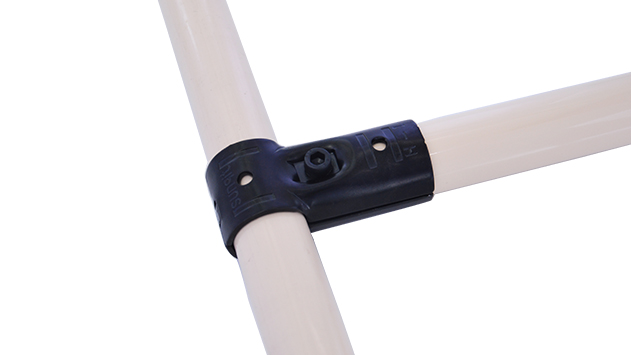
Design and Function: A two way lean pipe joint, as the name suggests, is designed to connect two lean pipes (or tubes) at various angles. Most commonly, it's used to create straight lines or 90-degree angles, but some models offer adjustability for custom configurations. The joint typically features two hollow ports where the lean pipes insert, secured by set screws, bolts, or friction-fit mechanisms. This design eliminates the need for welding or specialized tools, allowing workers to assemble, disassemble, and reconfigure structures in minutes.
Materials Matter: These joints are usually made from high-quality steel, stainless steel, or aluminum. Steel joints are prized for their strength and durability, making them ideal for heavy-duty applications like supporting large workbenches or loaded flow racks. Stainless steel adds corrosion resistance, perfect for environments with moisture or chemicals. Aluminum joints, on the other hand, are lightweight and rust-proof, a great choice for systems that need to be moved frequently, such as mobile workstations or turnover trolleys. Many joints also come with a protective coating—like PE (polyethylene) or powder coating—to prevent scratches and enhance grip, ensuring pipes stay securely in place even with repeated use.
The Core Role in Lean Systems: Lean management thrives on adaptability. A production line that works today might need to change tomorrow to accommodate a new product, higher demand, or a redesigned workflow. The two way lean pipe joint makes this adaptability possible. Unlike fixed connectors, which lock a structure into a permanent shape, these joints allow for quick modifications. Need to raise a workbench height by 6 inches? Swap out the pipes and reposition the joints. Want to add a shelf to a flow rack? Attach a new pipe using a two way joint. This modularity reduces downtime, cuts costs associated with custom fabrication, and empowers teams to experiment with layouts until they find the most efficient one.
In short, the two way lean pipe joint isn't just a connector—it's the enabler of lean's most powerful promise: the ability to do more with less, and to do it better every day.
Design and Function: A two way lean pipe joint, as the name suggests, is designed to connect two lean pipes (or tubes) at various angles. Most commonly, it's used to create straight lines or 90-degree angles, but some models offer adjustability for custom configurations. The joint typically features two hollow ports where the lean pipes insert, secured by set screws, bolts, or friction-fit mechanisms. This design eliminates the need for welding or specialized tools, allowing workers to assemble, disassemble, and reconfigure structures in minutes.
Materials Matter: These joints are usually made from high-quality steel, stainless steel, or aluminum. Steel joints are prized for their strength and durability, making them ideal for heavy-duty applications like supporting large workbenches or loaded flow racks. Stainless steel adds corrosion resistance, perfect for environments with moisture or chemicals. Aluminum joints, on the other hand, are lightweight and rust-proof, a great choice for systems that need to be moved frequently, such as mobile workstations or turnover trolleys. Many joints also come with a protective coating—like PE (polyethylene) or powder coating—to prevent scratches and enhance grip, ensuring pipes stay securely in place even with repeated use.
The Core Role in Lean Systems: Lean management thrives on adaptability. A production line that works today might need to change tomorrow to accommodate a new product, higher demand, or a redesigned workflow. The two way lean pipe joint makes this adaptability possible. Unlike fixed connectors, which lock a structure into a permanent shape, these joints allow for quick modifications. Need to raise a workbench height by 6 inches? Swap out the pipes and reposition the joints. Want to add a shelf to a flow rack? Attach a new pipe using a two way joint. This modularity reduces downtime, cuts costs associated with custom fabrication, and empowers teams to experiment with layouts until they find the most efficient one.
In short, the two way lean pipe joint isn't just a connector—it's the enabler of lean's most powerful promise: the ability to do more with less, and to do it better every day.
Compatibility with Lean Pipe Workbench: Building the Heart of the Workspace
The lean pipe workbench is the cornerstone of many manufacturing and assembly operations. It's where products are built, inspected, and prepared for the next stage—so it needs to be sturdy, customizable, and aligned with the specific tasks at hand. The two way lean pipe joint is the key to making this possible, turning a collection of pipes and panels into a workbench that fits your team's unique needs.
Assembling the Frame: Strength Meets Flexibility A typical lean pipe workbench starts with a frame: four vertical pipes for legs, connected by horizontal pipes at the top, bottom, and sometimes mid-way for stability. Here, the two way lean pipe joint shines. For example, to build the top frame, you'd use two way joints to connect the front and back horizontal pipes to the vertical legs, creating a rectangular structure. The joints ensure the frame is square and stable, even when tools, materials, or heavy components are placed on the workbench surface.
What makes this so valuable is the ability to adjust. Suppose your team works on both small electronics and larger mechanical parts. One week, they need a lower workbench for detailed soldering; the next, a higher surface for assembling machinery. With two way joints, you can disassemble the frame, swap out the vertical pipes for longer or shorter ones, and reassemble—all in under an hour. Compare that to a traditional wooden or metal workbench, which would require custom fabrication or replacement entirely.
Adding Accessories: From Shelves to Tool Holders A bare workbench frame is just the start. Most teams need shelves for storing parts, hooks for tools, or bins for waste. The two way lean pipe joint makes adding these accessories a breeze. For instance, to attach a shelf halfway up the workbench legs, you'd use two way joints to connect short horizontal pipes between the vertical legs, then lay a panel (like an aluminum honeycomb panel or plywood) across them. The joints hold the shelf securely, and if you need to move the shelf up or down later, you simply loosen the set screws, reposition, and tighten.
Tool holders are another example. By attaching a short pipe horizontally to the side of the workbench frame using a two way joint, you can hang tools like wrenches, screwdrivers, or tape measures within arm's reach. No more searching through drawers—everything has a designated spot, reducing wasted time and keeping the workspace organized.
Case in Point: A Custom Assembly Workbench Let's take a real-world example. A small electronics manufacturer needed a workbench for assembling circuit boards. Their requirements: a flat surface (for placing delicate components), a shelf below for storing extra parts, and a small bin holder for discarded scraps. Using lean pipes, two way joints, and an aluminum honeycomb panel for the top, they built the frame in 30 minutes. The two way joints allowed them to position the shelf at exactly 18 inches from the floor—perfect for their tallest team member to reach without bending. Later, when they added a new automated screwdriver to the process, they used additional two way joints to attach a tool arm to the workbench, keeping the screwdriver within easy reach. The result? A 20% reduction in assembly time per unit, simply because the workbench adapted to the team's needs.
In essence, the two way lean pipe joint transforms the lean pipe workbench from a static piece of furniture into a dynamic tool that grows and changes with your operation.
Assembling the Frame: Strength Meets Flexibility A typical lean pipe workbench starts with a frame: four vertical pipes for legs, connected by horizontal pipes at the top, bottom, and sometimes mid-way for stability. Here, the two way lean pipe joint shines. For example, to build the top frame, you'd use two way joints to connect the front and back horizontal pipes to the vertical legs, creating a rectangular structure. The joints ensure the frame is square and stable, even when tools, materials, or heavy components are placed on the workbench surface.
What makes this so valuable is the ability to adjust. Suppose your team works on both small electronics and larger mechanical parts. One week, they need a lower workbench for detailed soldering; the next, a higher surface for assembling machinery. With two way joints, you can disassemble the frame, swap out the vertical pipes for longer or shorter ones, and reassemble—all in under an hour. Compare that to a traditional wooden or metal workbench, which would require custom fabrication or replacement entirely.
Adding Accessories: From Shelves to Tool Holders A bare workbench frame is just the start. Most teams need shelves for storing parts, hooks for tools, or bins for waste. The two way lean pipe joint makes adding these accessories a breeze. For instance, to attach a shelf halfway up the workbench legs, you'd use two way joints to connect short horizontal pipes between the vertical legs, then lay a panel (like an aluminum honeycomb panel or plywood) across them. The joints hold the shelf securely, and if you need to move the shelf up or down later, you simply loosen the set screws, reposition, and tighten.
Tool holders are another example. By attaching a short pipe horizontally to the side of the workbench frame using a two way joint, you can hang tools like wrenches, screwdrivers, or tape measures within arm's reach. No more searching through drawers—everything has a designated spot, reducing wasted time and keeping the workspace organized.
Case in Point: A Custom Assembly Workbench Let's take a real-world example. A small electronics manufacturer needed a workbench for assembling circuit boards. Their requirements: a flat surface (for placing delicate components), a shelf below for storing extra parts, and a small bin holder for discarded scraps. Using lean pipes, two way joints, and an aluminum honeycomb panel for the top, they built the frame in 30 minutes. The two way joints allowed them to position the shelf at exactly 18 inches from the floor—perfect for their tallest team member to reach without bending. Later, when they added a new automated screwdriver to the process, they used additional two way joints to attach a tool arm to the workbench, keeping the screwdriver within easy reach. The result? A 20% reduction in assembly time per unit, simply because the workbench adapted to the team's needs.
In essence, the two way lean pipe joint transforms the lean pipe workbench from a static piece of furniture into a dynamic tool that grows and changes with your operation.

Compatibility with Flow Racks: Keeping Materials Moving Efficiently
In warehouses and distribution centers, flow racks are the unsung heroes of material handling. These gravity-fed systems allow materials to slide from the back (where they're stocked) to the front (where they're picked), ensuring first-in, first-out (FIFO) inventory management and reducing the need for workers to reach, bend, or stretch. But a flow rack is only as effective as its structure—and the two way lean pipe joint is what holds that structure together, ensuring materials flow smoothly and safely.
Building the Flow Rack Frame: Stability for Gravity Flow A flow rack typically consists of vertical uprights, horizontal beams, and inclined roller tracks (or "flow rails") that guide materials forward. The two way lean pipe joint is critical for assembling the uprights and beams. For example, vertical pipes are connected to horizontal base pipes (to anchor the rack to the floor) using two way joints, creating a sturdy foundation. Then, horizontal beams are attached to the uprights at an incline using two way joints, supporting the roller tracks above.
The angle of the incline is key here—too steep, and materials might slide too quickly, risking damage; too shallow, and they might get stuck. Two way joints allow for precise angle adjustments during assembly. Workers can loosen the joint screws, tilt the beam to the desired angle (often between 5-10 degrees, depending on the material weight), and tighten the screws to lock it in place. This precision ensures materials flow at a steady, controlled pace, reducing jams and improving picking accuracy.
Integrating Roller Tracks: Smooth Sailing for Materials Flow racks rely on roller tracks to move materials, and these tracks need to be securely attached to the horizontal beams. Here, the two way lean pipe joint works with other accessories, like roller track placon mounts (flat or high), to connect the tracks to the beams. For instance, a plastic roller track guide rail (yellow or grey) can be mounted to a horizontal pipe using a placon mount, which is then secured to the beam via a two way joint. This setup ensures the track is aligned and stable, even when loaded with heavy boxes or bins.
What if you need to adjust the number of levels in the flow rack? With two way joints, it's simple. Adding a new level means attaching two new horizontal beams to the uprights using two way joints, then installing roller tracks on top. No need to buy a whole new rack—just reconfigure the existing one. This is especially valuable for seasonal businesses or those with fluctuating inventory levels. For example, a toy manufacturer might add extra levels to their flow racks in the months leading up to the holiday season, then remove them in January to free up space.
Efficiency Gains: From Stagnant to Streamlined The compatibility between two way lean pipe joints and flow racks directly impacts efficiency. Consider a warehouse that previously used static shelving for picking. Workers had to walk to the back of the shelf to retrieve the first item, then the next, and so on—a process that wasted time and energy. After switching to a flow rack built with lean pipes and two way joints, materials automatically slide to the front, reducing picking time by 35%. The joint's flexibility also allowed the warehouse to adjust the rack's width to fit different box sizes, eliminating wasted space between items.
In short, the two way lean pipe joint turns flow racks into adaptable, efficient systems that keep materials moving—and your operation running like clockwork.
Building the Flow Rack Frame: Stability for Gravity Flow A flow rack typically consists of vertical uprights, horizontal beams, and inclined roller tracks (or "flow rails") that guide materials forward. The two way lean pipe joint is critical for assembling the uprights and beams. For example, vertical pipes are connected to horizontal base pipes (to anchor the rack to the floor) using two way joints, creating a sturdy foundation. Then, horizontal beams are attached to the uprights at an incline using two way joints, supporting the roller tracks above.
The angle of the incline is key here—too steep, and materials might slide too quickly, risking damage; too shallow, and they might get stuck. Two way joints allow for precise angle adjustments during assembly. Workers can loosen the joint screws, tilt the beam to the desired angle (often between 5-10 degrees, depending on the material weight), and tighten the screws to lock it in place. This precision ensures materials flow at a steady, controlled pace, reducing jams and improving picking accuracy.
Integrating Roller Tracks: Smooth Sailing for Materials Flow racks rely on roller tracks to move materials, and these tracks need to be securely attached to the horizontal beams. Here, the two way lean pipe joint works with other accessories, like roller track placon mounts (flat or high), to connect the tracks to the beams. For instance, a plastic roller track guide rail (yellow or grey) can be mounted to a horizontal pipe using a placon mount, which is then secured to the beam via a two way joint. This setup ensures the track is aligned and stable, even when loaded with heavy boxes or bins.
What if you need to adjust the number of levels in the flow rack? With two way joints, it's simple. Adding a new level means attaching two new horizontal beams to the uprights using two way joints, then installing roller tracks on top. No need to buy a whole new rack—just reconfigure the existing one. This is especially valuable for seasonal businesses or those with fluctuating inventory levels. For example, a toy manufacturer might add extra levels to their flow racks in the months leading up to the holiday season, then remove them in January to free up space.
Efficiency Gains: From Stagnant to Streamlined The compatibility between two way lean pipe joints and flow racks directly impacts efficiency. Consider a warehouse that previously used static shelving for picking. Workers had to walk to the back of the shelf to retrieve the first item, then the next, and so on—a process that wasted time and energy. After switching to a flow rack built with lean pipes and two way joints, materials automatically slide to the front, reducing picking time by 35%. The joint's flexibility also allowed the warehouse to adjust the rack's width to fit different box sizes, eliminating wasted space between items.
In short, the two way lean pipe joint turns flow racks into adaptable, efficient systems that keep materials moving—and your operation running like clockwork.

Compatibility with Caster Wheels: Adding Mobility to Static Systems
Not all lean systems need to stay in one place. Turnover trolleys, mobile workstations, and portable material racks are essential for moving materials from one part of the facility to another—whether it's from the warehouse to the assembly line, or from inspection to shipping. The key to making these systems mobile? Caster wheels. And the two way lean pipe joint is what connects those wheels to the structure, ensuring stability, maneuverability, and safety.
Attaching Caster Wheels: The Basics Caster wheels come in various types: swivel with brake, swivel without brake, rigid (fixed direction), and heavy-duty. To attach them to a lean pipe structure (like a trolley or mobile workbench), you typically use a castor install base—a flat plate with holes that bolts to the caster and connects to the lean pipe frame. Here's where the two way lean pipe joint enters: the castor install base can be mounted to a horizontal pipe on the frame using a two way joint, or directly to a vertical pipe leg via the joint.
For example, to build a mobile turnover trolley, you'd start with a rectangular frame of lean pipes connected by two way joints. Then, at each corner of the bottom frame, you'd attach a vertical pipe (short, to serve as the caster mount), and use a two way joint to connect the castor install base to the bottom of that vertical pipe. Finally, you'd bolt the caster wheel to the base. This setup ensures the caster is securely attached, even when the trolley is loaded with heavy materials.
Maneuverability and Safety: The Joint's Role A trolley is only useful if it's easy to push and doesn't tip over. The two way lean pipe joint contributes to both. By positioning the joints so the casters are evenly spaced (typically at the corners), the trolley's weight is distributed evenly, preventing tipping. Swivel casters with brakes, attached via two way joints, allow the trolley to turn smoothly in tight spaces and lock in place when loading or unloading—critical for safety when workers are handling materials.
Consider a scenario: a manufacturing plant needs to move a batch of finished products from the assembly line to the packaging area, which is 50 yards away. A static rack would require workers to carry items one by one, risking fatigue and dropped products. With a mobile trolley built using lean pipes, two way joints, and swivel casters with brakes, one worker can push the entire batch in one trip. The joints ensure the trolley frame doesn't wobble, even with a full load, and the brakes keep it stationary while items are unloaded. This reduces labor costs, speeds up the process, and minimizes the risk of accidents.
Customization for Different Loads Not all trolleys carry the same weight. A trolley for small electronic components might need light-duty casters, while one for metal parts would require heavy-duty ones. The two way lean pipe joint makes it easy to swap casters based on load requirements. If a trolley originally used 2-inch caster wheels but now needs to carry heavier loads, you can remove the two way joint securing the castor install base, replace it with a base designed for larger casters, and reattach—no need to rebuild the entire trolley.
In the world of lean management, mobility equals efficiency. The two way lean pipe joint ensures that mobility is both reliable and adaptable, turning static structures into tools that can go wherever they're needed most.
Attaching Caster Wheels: The Basics Caster wheels come in various types: swivel with brake, swivel without brake, rigid (fixed direction), and heavy-duty. To attach them to a lean pipe structure (like a trolley or mobile workbench), you typically use a castor install base—a flat plate with holes that bolts to the caster and connects to the lean pipe frame. Here's where the two way lean pipe joint enters: the castor install base can be mounted to a horizontal pipe on the frame using a two way joint, or directly to a vertical pipe leg via the joint.
For example, to build a mobile turnover trolley, you'd start with a rectangular frame of lean pipes connected by two way joints. Then, at each corner of the bottom frame, you'd attach a vertical pipe (short, to serve as the caster mount), and use a two way joint to connect the castor install base to the bottom of that vertical pipe. Finally, you'd bolt the caster wheel to the base. This setup ensures the caster is securely attached, even when the trolley is loaded with heavy materials.
Maneuverability and Safety: The Joint's Role A trolley is only useful if it's easy to push and doesn't tip over. The two way lean pipe joint contributes to both. By positioning the joints so the casters are evenly spaced (typically at the corners), the trolley's weight is distributed evenly, preventing tipping. Swivel casters with brakes, attached via two way joints, allow the trolley to turn smoothly in tight spaces and lock in place when loading or unloading—critical for safety when workers are handling materials.
Consider a scenario: a manufacturing plant needs to move a batch of finished products from the assembly line to the packaging area, which is 50 yards away. A static rack would require workers to carry items one by one, risking fatigue and dropped products. With a mobile trolley built using lean pipes, two way joints, and swivel casters with brakes, one worker can push the entire batch in one trip. The joints ensure the trolley frame doesn't wobble, even with a full load, and the brakes keep it stationary while items are unloaded. This reduces labor costs, speeds up the process, and minimizes the risk of accidents.
Customization for Different Loads Not all trolleys carry the same weight. A trolley for small electronic components might need light-duty casters, while one for metal parts would require heavy-duty ones. The two way lean pipe joint makes it easy to swap casters based on load requirements. If a trolley originally used 2-inch caster wheels but now needs to carry heavier loads, you can remove the two way joint securing the castor install base, replace it with a base designed for larger casters, and reattach—no need to rebuild the entire trolley.
In the world of lean management, mobility equals efficiency. The two way lean pipe joint ensures that mobility is both reliable and adaptable, turning static structures into tools that can go wherever they're needed most.
Compatibility with Aluminum Profiles: Lightweight Strength for Modern Systems
While traditional steel lean pipes are durable, many operations today are turning to aluminum profiles for their lightweight, corrosion-resistant properties. Aluminum lean pipe—often paired with aluminum profiles like 2020, 3030, or 4040 series—offers the same modularity as steel but with added benefits: easier handling, reduced shipping costs, and suitability for clean environments (like food processing or pharmaceuticals). The two way lean pipe joint, when designed for aluminum, becomes the bridge between these profiles and the rest of the lean system, creating structures that are both strong and lightweight.
Combining Aluminum Profiles and Two Way Joints Aluminum profiles have T-slots along their length, which allow accessories (like brackets, shelves, or guide rails) to be attached without drilling. The two way lean pipe joint for aluminum is designed to fit into these T-slots or connect directly to aluminum pipes. For example, an aluminum guide rail (like aluminum guide rail A or B) used in a conveyor system can be attached to an aluminum profile frame using a two way joint. The joint slides into the T-slot of the profile, secured with a T-bolt, and the guide rail is then connected to the joint via its own port. This creates a secure, adjustable connection that can be repositioned along the profile as needed.
Another common use is in workbench frames. Aluminum profiles are often used for the vertical legs, with horizontal aluminum pipes (lean pipes) connecting them via two way joints. The result is a workbench that's lighter than steel but still strong enough to support tools and materials. Workers can easily move the workbench if needed, and the aluminum's smooth surface is easy to clean—ideal for environments where hygiene is critical.
Structural Advantages: Rigidity Without the Weight Aluminum has a high strength-to-weight ratio, meaning aluminum profiles and pipes can support significant weight without being bulky. The two way lean pipe joint enhances this by distributing stress evenly across the connection. For example, a material rack built with aluminum profiles and two way joints can hold hundreds of pounds of inventory while still being light enough for two workers to reposition. This is a game-changer for facilities with limited floor space, where racks might need to be moved to accommodate new equipment or production lines.
Case Study: Clean Room Workstation A pharmaceutical company needed a workstation for packaging sterile medical devices. The requirements: easy to clean, resistant to chemicals, and lightweight enough to be moved for deep cleaning. Steel was out of the question (it can rust if not properly coated, and cleaning around welded joints is difficult). Instead, they chose aluminum profiles for the frame, aluminum lean pipes for the shelves, and two way aluminum joints for connections. The T-slots in the profiles allowed them to attach a clear acrylic panel (for dust protection) using T-bolts and two way joints, and the smooth aluminum surface could be wiped down with disinfectant without damage. The result was a workstation that met strict clean room standards and could be disassembled in minutes for thorough cleaning—all thanks to the compatibility between aluminum profiles and two way lean pipe joints.
In summary, the two way lean pipe joint extends the versatility of aluminum profiles, making them a viable, efficient option for lean systems that demand both strength and flexibility.
Combining Aluminum Profiles and Two Way Joints Aluminum profiles have T-slots along their length, which allow accessories (like brackets, shelves, or guide rails) to be attached without drilling. The two way lean pipe joint for aluminum is designed to fit into these T-slots or connect directly to aluminum pipes. For example, an aluminum guide rail (like aluminum guide rail A or B) used in a conveyor system can be attached to an aluminum profile frame using a two way joint. The joint slides into the T-slot of the profile, secured with a T-bolt, and the guide rail is then connected to the joint via its own port. This creates a secure, adjustable connection that can be repositioned along the profile as needed.
Another common use is in workbench frames. Aluminum profiles are often used for the vertical legs, with horizontal aluminum pipes (lean pipes) connecting them via two way joints. The result is a workbench that's lighter than steel but still strong enough to support tools and materials. Workers can easily move the workbench if needed, and the aluminum's smooth surface is easy to clean—ideal for environments where hygiene is critical.
Structural Advantages: Rigidity Without the Weight Aluminum has a high strength-to-weight ratio, meaning aluminum profiles and pipes can support significant weight without being bulky. The two way lean pipe joint enhances this by distributing stress evenly across the connection. For example, a material rack built with aluminum profiles and two way joints can hold hundreds of pounds of inventory while still being light enough for two workers to reposition. This is a game-changer for facilities with limited floor space, where racks might need to be moved to accommodate new equipment or production lines.
Case Study: Clean Room Workstation A pharmaceutical company needed a workstation for packaging sterile medical devices. The requirements: easy to clean, resistant to chemicals, and lightweight enough to be moved for deep cleaning. Steel was out of the question (it can rust if not properly coated, and cleaning around welded joints is difficult). Instead, they chose aluminum profiles for the frame, aluminum lean pipes for the shelves, and two way aluminum joints for connections. The T-slots in the profiles allowed them to attach a clear acrylic panel (for dust protection) using T-bolts and two way joints, and the smooth aluminum surface could be wiped down with disinfectant without damage. The result was a workstation that met strict clean room standards and could be disassembled in minutes for thorough cleaning—all thanks to the compatibility between aluminum profiles and two way lean pipe joints.
In summary, the two way lean pipe joint extends the versatility of aluminum profiles, making them a viable, efficient option for lean systems that demand both strength and flexibility.
Compatibility at a Glance: Key Pairings and Benefits
To better visualize how the two way lean pipe joint interacts with other lean accessories, let's look at a table summarizing key pairings, how they connect, and the benefits they bring to your operation:
| Accessory | How Two Way Lean Pipe Joint Connects | Key Benefits |
|---|---|---|
| Lean Pipe Workbench | Connects vertical legs to horizontal frame pipes; attaches shelves, tool holders, and panels. | Customizable height and layout; easy to add/remove accessories; no welding required. |
| Flow Rack | Joins uprights to horizontal beams; adjusts angle of roller tracks for gravity flow. | Precise incline control; FIFO inventory management; quick reconfiguration for different materials. |
| Caster Wheel | Attaches castor install base to trolley/rack frame; ensures even weight distribution. | Mobility for materials; easy maneuvering in tight spaces; secure braking when stationary. |
| Aluminum Profile | Fits into T-slots of aluminum profiles; connects aluminum pipes to profile frames. | Lightweight yet strong; corrosion-resistant; easy to clean and adjust. |
As this table shows, the two way lean pipe joint isn't just compatible with these accessories—it enhances their functionality, turning individual components into a cohesive, efficient system.
Choosing the Right Two Way Lean Pipe Joint: Tips for Success
Not all two way lean pipe joints are created equal. To ensure compatibility, durability, and performance, it's important to choose the right joint for your needs. Here are key factors to consider:
Material: Match the Joint to Your Pipes If you're using steel lean pipes, opt for steel or stainless steel joints—they'll provide the strength needed to support heavy loads. For aluminum pipes or profiles, aluminum joints are the best choice (they won't corrode when in contact with aluminum, unlike steel, which can cause galvanic corrosion). If your environment is wet or chemical-heavy, stainless steel joints with a corrosion-resistant coating are a must.
Load Capacity: Don't Skimp on Strength Check the joint's load capacity rating before purchasing. A joint designed for light-duty use (e.g., a small workbench) won't hold up under the weight of a fully loaded flow rack. Most manufacturers list load capacity per joint—aim for a joint that can handle at least 1.5 times the expected weight, to account for sudden impacts or uneven loading.
Coating and Finish: Protection and Grip A good coating (like PE or powder coating) does more than look nice—it prevents the joint from scratching your pipes, reduces slippage, and protects against rust. If you're using the joint with bare hands (during assembly), a textured finish can improve grip, making it easier to tighten set screws without slipping.
Supplier Reliability: Quality Matters Finally, choose a reputable supplier. A cheap, poorly made joint might save money upfront, but it can lead to loose connections, wobbly structures, and even accidents down the line. Look for suppliers who offer warranties, have positive customer reviews, and can provide technical support if you need help with compatibility or assembly.
Material: Match the Joint to Your Pipes If you're using steel lean pipes, opt for steel or stainless steel joints—they'll provide the strength needed to support heavy loads. For aluminum pipes or profiles, aluminum joints are the best choice (they won't corrode when in contact with aluminum, unlike steel, which can cause galvanic corrosion). If your environment is wet or chemical-heavy, stainless steel joints with a corrosion-resistant coating are a must.
Load Capacity: Don't Skimp on Strength Check the joint's load capacity rating before purchasing. A joint designed for light-duty use (e.g., a small workbench) won't hold up under the weight of a fully loaded flow rack. Most manufacturers list load capacity per joint—aim for a joint that can handle at least 1.5 times the expected weight, to account for sudden impacts or uneven loading.
Coating and Finish: Protection and Grip A good coating (like PE or powder coating) does more than look nice—it prevents the joint from scratching your pipes, reduces slippage, and protects against rust. If you're using the joint with bare hands (during assembly), a textured finish can improve grip, making it easier to tighten set screws without slipping.
Supplier Reliability: Quality Matters Finally, choose a reputable supplier. A cheap, poorly made joint might save money upfront, but it can lead to loose connections, wobbly structures, and even accidents down the line. Look for suppliers who offer warranties, have positive customer reviews, and can provide technical support if you need help with compatibility or assembly.
Conclusion: The Two Way Lean Pipe Joint—Your Lean System's Best Friend
In the world of lean management, success lies in the details—the small components that work together to create a seamless, efficient system. The two way lean pipe joint is one of those details, quietly connecting lean pipe workbenches, flow racks, caster wheels, and aluminum profiles into structures that adapt, evolve, and drive productivity. Its compatibility with these accessories isn't just a convenience; it's the foundation of lean's promise to eliminate waste, reduce costs, and empower teams to do their best work.
Whether you're building a new lean system from scratch or upgrading an existing one, don't overlook the importance of this humble connector. Choose the right joint—one that matches your materials, load needs, and environment—and you'll unlock a level of flexibility and efficiency that fixed systems can never match. After all, in lean management, it's not just about working harder—it's about working smarter. And the two way lean pipe joint is the smart way to build a system that works for you, today and tomorrow.
Whether you're building a new lean system from scratch or upgrading an existing one, don't overlook the importance of this humble connector. Choose the right joint—one that matches your materials, load needs, and environment—and you'll unlock a level of flexibility and efficiency that fixed systems can never match. After all, in lean management, it's not just about working harder—it's about working smarter. And the two way lean pipe joint is the smart way to build a system that works for you, today and tomorrow.