- Company Articles
- Products and Technology
- Product knowledge
- Lean Manufacturing Best Practices: Using Internal Straight Aluminum Joints Effectively

Lean Manufacturing Best Practices: Using Internal Straight Aluminum Joints Effectively
Related Product
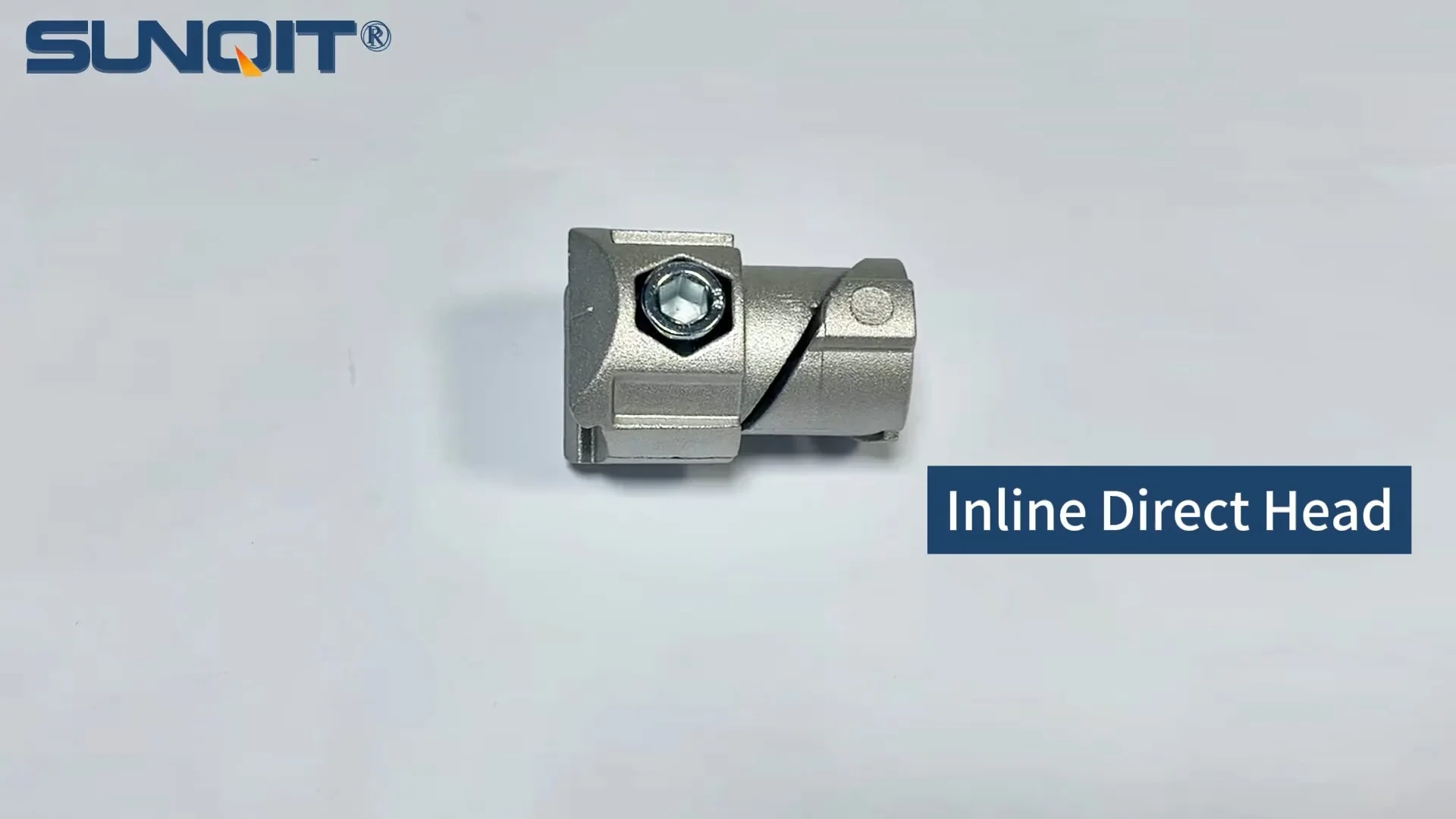
Internal straight aluminum joint
Aluminum pipe joint inside connection used for two pcs 28pcs aluminum pipe connection in straight angle,it connects two pcs pipe from inside.
In the fast-paced world of manufacturing, where every second counts and efficiency is the backbone of success, lean manufacturing isn't just a buzzword—it's a way of life. At its core, lean is about stripping away waste, streamlining workflows, and creating systems that adapt as quickly as your production needs change. But here's the thing: you can't build a resilient lean system with flimsy tools or rigid components. That's where the unsung heroes of lean setups come into play—components like internal straight aluminum joints. These small but mighty connectors are the glue that holds flexible, efficient workspaces together, and using them right can transform how your team builds, adapts, and thrives.
Why Aluminum Lean Systems Matter in Modern Manufacturing
Before diving into the specifics of internal straight aluminum joints, let's take a step back and talk about why aluminum has become the go-to material for lean manufacturing setups. Unlike traditional steel, aluminum is lightweight without sacrificing strength, making it easy to assemble and reconfigure without heavy machinery. It's also resistant to corrosion, which means your workbenches, flow racks, and trolleys will stand the test of time—even in busy, high-moisture environments. And let's not forget flexibility: aluminum lean pipes and profiles, paired with the right joints, let you build everything from a simple assembly workbench to a complex material flow system, all without welding or permanent fixes. This adaptability is key to lean's promise of "continuous improvement"—because when your tools can change as fast as your processes, wasteful downtime becomes a thing of the past.
But here's the catch: even the best aluminum lean pipe or profile is only as good as the joints that hold it together. That's where internal straight aluminum joints shine. These aren't your average connectors. Designed to fit snugly into aluminum pipes, they create strong, stable connections that can handle daily wear and tear while still allowing for quick adjustments. Whether you're building a workbench that needs to grow with your team or a flow rack that must adapt to new product sizes, these joints are the foundation of a system that works with you, not against you.
Meet the Internal Straight Aluminum Joint: A Closer Look
So, what exactly is an internal straight aluminum joint? Picture this: a sleek, cylindrical connector designed to fit inside the ends of aluminum lean pipes, creating a straight, rigid connection between two pipes. Unlike external joints that bulk up the setup or require extra space, internal joints sit flush, keeping your structures clean, streamlined, and free from unnecessary protrusions. This might seem like a small detail, but in tight manufacturing spaces, every inch counts. No more awkward bumps or wasted space—just smooth, efficient lines that let materials and workers move freely.
But the real magic of internal straight aluminum joints lies in their balance of strength and flexibility. Made from high-grade aluminum alloy, they're built to handle the weight of tools, materials, and daily use without bending or breaking. Yet, they're also easy to install and adjust. Most models use a simple set-screw mechanism: slide the joint into the pipe, tighten the screw, and you're good to go. Need to reconfigure your setup next month? Loosen the screw, reposition, and retighten. No drilling, no welding, no hassle. This "build, adapt, repeat" cycle is exactly what makes lean manufacturing tick—and internal straight joints make it possible.
Key Features That Make a Difference
- Flush Design: Sits inside the pipe, reducing clutter and improving safety by eliminating sharp edges.
- High Tensile Strength: Handles heavy loads without compromising stability—ideal for workbenches and material racks.
- Corrosion Resistance: Aluminum's natural resistance to rust ensures long-term durability, even in harsh environments.
- Quick Assembly: No special tools required—just a hex key to tighten the set screw, cutting down on setup time.
- Reusability: Unlike glued or welded joints, these can be disassembled and reused, reducing waste and saving costs.

Practical Applications: Where Internal Straight Aluminum Joints Shine
Internal straight aluminum joints aren't one-trick ponies. They're versatile enough to power a wide range of lean setups, from the most basic workbench to intricate flow systems. Let's break down some of the most common (and impactful) ways to use them:
1. Building Adaptable Workbenches
Workbenches are the heart of any assembly line, and a rigid, one-size-fits-all bench can quickly become a bottleneck. With internal straight aluminum joints, you can build a workbench that grows, shrinks, or reconfigures to match your team's needs. For example, the "Workbench E (single deck-without caster)" from many lean suppliers is a popular starting point. By connecting aluminum lean pipes with internal straight joints, you can add shelves, tool holders, or even extend the length of the bench as your team takes on new projects. Need to lower the height for a shorter team member? Swap out the leg pipes for shorter ones—no need to buy a whole new bench. This flexibility means your workbench evolves with your team, not the other way around.
2. Creating Efficient Flow Racks
Material flow is the lifeblood of lean manufacturing. If parts get stuck in transit or take too long to reach the assembly line, waste piles up fast. That's where flow racks come in—and internal straight aluminum joints are key to building ones that actually work. Take "Material Rack B (3 row and 3 floor)," a common setup for storing and moving small to medium parts. By using internal straight joints to connect aluminum lean pipes, you can create sturdy vertical supports and horizontal rails that hold roller tracks. The joints ensure the rails stay aligned, so parts glide smoothly from the top shelf to the pick zone, reducing the time workers spend reaching or bending. And if you need to adjust the rack's height or add more rows later? Just loosen the joints, reposition, and tighten—done.
3. Assembling Lightweight Turnover Trolleys
Turnover trolleys are essential for moving materials between workstations, but heavy steel trolleys can be a pain to maneuver—especially in tight spaces. Aluminum lean pipes, paired with internal straight joints, let you build lightweight yet durable trolleys that are easy to push, even when fully loaded. The joints connect the frame pipes securely, while casters (another must-have lean accessory) add mobility. Best of all, if you need to change the trolley's size to fit a new container or part, you can disassemble and rebuild it in minutes. No more wasting money on specialized trolleys for every task—one adaptable design does it all.
| Application | Aluminum Lean Pipe Size | Required Accessories | Key Benefit |
|---|---|---|---|
| Workbench (Single Deck) | 28mm or 30mm Aluminum Lean Pipe | Internal Straight Aluminum Joints, Aluminum Profile Accessories (shelves, tool hooks) | Quick height/length adjustments for team flexibility |
| Material Flow Rack (3 Row/3 Floor) | 30mm Aluminum Lean Pipe | Internal Straight Joints, Roller Track Guide Rails (Yellow/Grey), Swivel Roller Balls | Smooth part flow, reduced worker reach time |
| Turnover Trolley | 28mm Aluminum Lean Pipe | Internal Straight Joints, Casters with Brake, Plastic Pipe End Caps | Lightweight mobility, easy disassembly for storage |
| Assembly Line Side Racks | 30mm Aluminum Lean Pipe | Internal Straight Joints, Aluminum Guide Rail A, Roller Track Placon Mounts | Customizable to hold tools/parts within arm's reach |

Best Practices: Getting the Most Out of Your Internal Straight Aluminum Joints
Now that you know where and why to use internal straight aluminum joints, let's talk about how to use them right . Even the best components can underperform if they're not installed or maintained properly. Follow these tips to ensure your lean setup is as strong, efficient, and long-lasting as possible:
1. Choose the Right Pipe and Joint Size
Not all aluminum lean pipes are created equal, and neither are joints. Make sure the internal diameter of your joint matches the outer diameter of your pipe. Most suppliers offer joints for standard sizes like 28mm, 30mm, or 40mm pipes—using a mismatched pair can lead to loose connections or instability. For example, a 30mm internal straight joint won't work with a 28mm pipe, just as a 28mm joint will rattle inside a 30mm pipe. When in doubt, check the specs or ask your supplier—getting this right is the first step to a solid setup.
2. Tighten Joints Properly (But Don't Overdo It)
The set screw on internal straight joints is there to hold the pipe in place, but cranking it too tight can damage the pipe or strip the screw. Aim for a snug fit—tight enough that the pipe doesn't rotate or slide, but not so tight that you warp the aluminum. A good rule of thumb: tighten until you feel resistance, then give it a quarter-turn more. This ensures a secure connection without overstressing the materials.
3. Reinforce High-Stress Areas
While internal straight joints are strong, certain parts of your setup will experience more stress than others—like the corners of a workbench or the vertical supports of a heavy-duty material rack. In these areas, pair internal straight joints with angle brackets or parallel aluminum joint a (another common accessory) for extra stability. Think of it like adding a seatbelt to a car—already safe, but better with a little reinforcement.
4. Plan for Future Adjustments
One of the biggest mistakes manufacturers make is building "permanent" lean setups. Remember: lean is about continuous improvement, and your needs will change. When assembling with internal straight joints, leave a little extra space between components or use extra joints to create "extension points." For example, if you're building a workbench, add an extra joint at the end so you can easily extend it later without disassembling the whole thing. This foresight saves time and frustration down the line.
5. Regularly Inspect and Maintain Joints
Even the best joints need a little love. Over time, vibrations from daily use can loosen set screws, and wear and tear can affect performance. Make it a habit to inspect joints monthly—tighten any loose screws, check for signs of corrosion (though aluminum resists it, it's still good to check), and replace any joints that show cracks or damage. A five-minute inspection can prevent a collapsed shelf or a wobbly workbench, keeping your team safe and your workflow smooth.
Why Cutting Corners on Joints Hurts Your Lean Goals
It's tempting to save a few dollars by buying cheap, generic joints instead of quality internal straight aluminum ones. But here's the truth: those savings will vanish fast. Cheap joints are often made from low-grade aluminum or plastic, which bend under pressure, crack easily, or corrode quickly. A single failed joint can derail your entire workflow—causing delays, damaging parts, or even risking worker safety. Worse, flimsy joints mean you'll spend more time repairing or replacing them, which eats into the "efficiency" lean is supposed to create.
Investing in high-quality internal straight aluminum joints from a reputable lean pipe supplier isn't just a purchase—it's an investment in your team's productivity and your company's bottom line. These joints last longer, perform better, and support the flexibility that makes lean manufacturing work. When you skimp on components, you're not just cutting costs—you're cutting the legs out from under your lean system.
Final Thoughts: Small Joints, Big Impact
At the end of the day, lean manufacturing isn't about grand gestures—it's about the details. It's about choosing components that make your team's work easier, your processes smoother, and your systems more adaptable. Internal straight aluminum joints might not be the flashiest part of your setup, but they're one of the most critical. They turn aluminum lean pipes and profiles into something greater than the sum of their parts: a lean system that grows with you, adapts to challenges, and helps you squeeze every ounce of efficiency out of your day.
So, the next time you're building or upgrading your lean workspace, don't overlook these small but powerful connectors. Choose internal straight aluminum joints, follow the best practices, and watch as your team transforms from just working hard to working smart . After all, in lean manufacturing, the best systems aren't built with the biggest tools—they're built with the right ones.