- Company Articles
- Products and Technology
- Product knowledge
- Lean Manufacturing Essentials: Duplex Aluminum Pipe Joint Advantages

Lean Manufacturing Essentials: Duplex Aluminum Pipe Joint Advantages
Related Product
Duplex Aluminum Pipe Joint
Duplex Aluminum pipe joint used for one pcs 28pcs aluminum pipe and one pcs of 28mm duplex pipe connection in straight angle.
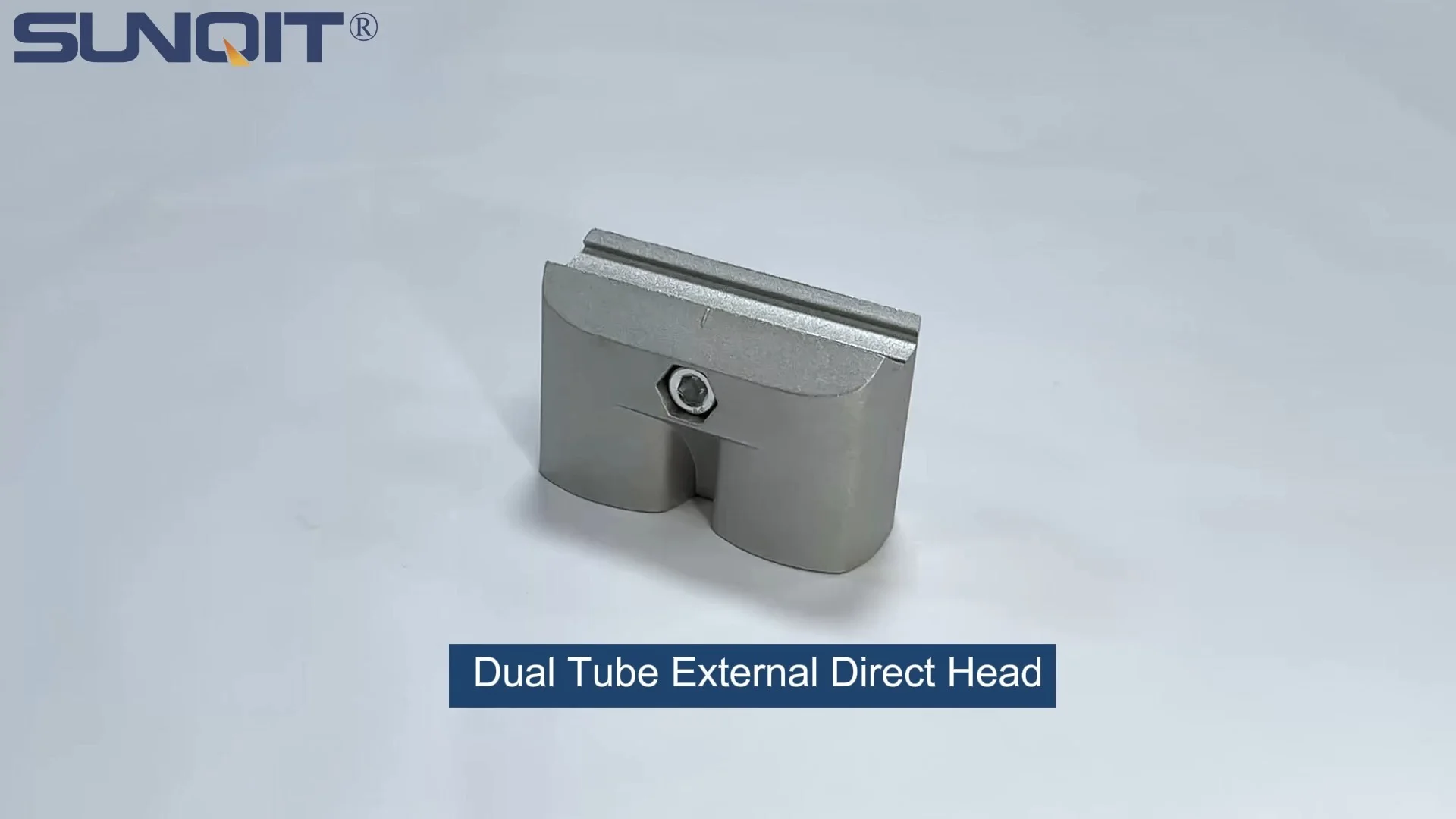
In the world of manufacturing, where every second counts and waste is the enemy, lean principles have become more than just a buzzword—they're the backbone of efficient, profitable operations. At its core, lean manufacturing is about streamlining processes, minimizing waste, and maximizing value. But here's the thing: even the best lean strategies fall flat without the right tools. That's where modular systems come in, and at the heart of these systems lies a small but mighty component: the pipe joint. Today, we're shining a spotlight on a game-changer in this space: the duplex aluminum pipe joint . Far more than just a connector, it's a catalyst for flexibility, durability, and efficiency—qualities that make it an essential asset for any lean-focused facility.
The Backbone of Modular Lean Systems
Before diving into the specifics of duplex aluminum pipe joints, let's take a step back. Modular systems—think workbenches, flow racks, conveyors, and turnover trolleys—are the unsung heroes of lean manufacturing. They allow teams to build, reconfigure, and adapt workspaces on the fly, reducing downtime and responding quickly to changing production needs. And what holds these systems together? Pipe joints. Traditional joints, often made of steel or plastic, have their merits, but they can be heavy, slow to assemble, or prone to wear. Enter aluminum: a material that's lightweight, strong, and resistant to corrosion. When engineered into a duplex design, it becomes a joint that doesn't just connect pipes—it elevates the entire lean system.
So, what exactly is a duplex aluminum pipe joint? In simple terms, it's a dual-functional connector designed to link aluminum pipes (or aluminum profiles ) with minimal effort. Its "duplex" nature often refers to its ability to handle multiple connection types or angles, making it a versatile choice for complex setups. Whether you're building a workbench, a flow rack, or a material trolley, this joint acts as the glue that holds everything together—literally and figuratively.
Advantage 1: Lightweight Strength That Reduces Worker Fatigue
Let's start with the basics: weight. Steel joints are tough, but they're heavy. When workers are assembling or reconfiguring a workbench or flow rack, every extra pound adds up. Over time, this leads to fatigue, slower assembly times, and even an increased risk of injury. Aluminum, by contrast, is about 30% the weight of steel while maintaining impressive strength. The duplex aluminum pipe joint leverages this property, making modular systems easier to handle and maneuver.
Consider this scenario: A manufacturing team needs to reconfigure their production line to accommodate a new product. With steel joints, moving a section of the flow rack might require two workers and a dolly. With duplex aluminum joints? One worker can disassemble, move, and reassemble the components in half the time. That's not just efficiency—it's empowerment. Workers spend less time wrestling with heavy equipment and more time focusing on value-adding tasks, which is the very essence of lean.

Advantage 2: Tool-Free Assembly for Lightning-Fast Reconfiguration
In lean manufacturing, downtime is the ultimate waste. Traditional joints often require wrenches, screwdrivers, or specialized tools to assemble—each adding precious minutes to the process. The duplex aluminum pipe joint, however, is designed for tool-free assembly. Many models feature a snap-fit or twist-lock mechanism that lets workers connect pipes in seconds, no tools required. This might sound like a small detail, but it's a game-changer for adaptability.
Imagine a facility that produces seasonal products. In peak season, they need extra flow racks to handle increased material volume. In off-season, those racks can be disassembled and stored, or repurposed into workbenches for maintenance tasks. With tool-free duplex joints, this transition happens in hours, not days. No more waiting for maintenance teams or hunting for the right tool—teams can adjust on the fly, keeping production moving and waste to a minimum.

Advantage 3: Corrosion Resistance for Longevity in Any Environment
Manufacturing environments are rarely pristine. From oil and grease in automotive plants to moisture in food processing facilities, equipment takes a beating. Steel joints rust; plastic joints degrade under chemicals or UV exposure. Aluminum, however, forms a natural oxide layer that resists corrosion—a protective shield that gets stronger over time. The duplex aluminum pipe joint, made entirely of aluminum, thrives in these harsh conditions, outlasting traditional alternatives.
Take a pharmaceutical facility, for example, where cleanliness and sterility are non-negotiable. Steel joints might rust if exposed to cleaning chemicals, compromising hygiene. Plastic joints might warp under high-temperature sanitization. Duplex aluminum joints? They stand up to frequent cleaning, resist corrosion, and maintain their integrity for years. This longevity means fewer replacements, lower maintenance costs, and a more reliable lean system overall.

Advantage 4: Seamless Compatibility with Aluminum Profiles and Accessories
A lean system is only as good as its ability to work as a cohesive unit. The duplex aluminum pipe joint isn't a one-trick pony—it's designed to play well with others. It pairs seamlessly with aluminum profiles, aluminum pipe accessories, roller tracks, casters, and more. This compatibility means you can build a fully customized system tailored to your specific needs, whether that's a workbench with integrated tool holders, a flow rack with roller tracks for smooth material flow, or a mobile trolley with locking casters.
For instance, let's say you need a workbench that can adjust its height to accommodate workers of different sizes. With duplex aluminum joints, you can connect adjustable aluminum profiles, add a honeycomb work surface, and attach a footrest—all using the same joint system. Later, if you need to add a shelf or a tool rail, you can do so without replacing the entire bench. This modularity ensures your lean system grows and evolves with your business, eliminating the need for costly overhauls.
Advantage 5: A Clean, Professional Look That Boosts Workplace Morale
Lean manufacturing isn't just about processes—it's about people. A cluttered, outdated workspace can drain morale, while a clean, organized environment inspires productivity. Aluminum has a sleek, modern finish that instantly elevates the look of any facility. Unlike steel, which often requires painting or coating to look presentable, aluminum's natural luster stays intact with minimal upkeep. The duplex aluminum pipe joint, with its smooth edges and precision engineering, fits right into this aesthetic, creating systems that are as pleasing to the eye as they are functional.
Walk into a facility using duplex aluminum joints, and you'll notice the difference immediately: workbenches with clean lines, flow racks that look organized, and material trolleys that feel modern. This isn't just about appearances—studies show that well-designed workspaces reduce stress and increase employee engagement. When workers feel proud of their environment, they're more likely to take ownership of their tasks and contribute to the lean mission.
How Duplex Aluminum Pipe Joints Compare to Other Options
To truly appreciate the value of duplex aluminum pipe joints, it helps to see how they stack up against traditional alternatives. Let's break it down in a comparison table:
| Feature | Duplex Aluminum Pipe Joint | Traditional Steel Joint | Plastic Joint |
|---|---|---|---|
| Weight | Lightweight (30% of steel) | Heavy | Very light (but less durable) |
| Assembly Time | Tool-free (seconds per joint) | Requires tools (minutes per joint) | Tool-free (fast, but prone to loosening) |
| Corrosion Resistance | Excellent (natural oxide layer) | Poor (prone to rust without coating) | Good (but degrades in chemicals/heat) |
| Compatibility | Works with aluminum profiles, roller tracks, casters, etc. | Limited to steel pipes (heavy accessories) | Works with plastic pipes (limited to light loads) |
| Longevity | 10+ years (minimal maintenance) | 5–7 years (needs repainting/coating) | 2–3 years (prone to cracking/warping) |
As the table shows, duplex aluminum pipe joints outperform steel and plastic in nearly every category that matters for lean manufacturing: speed, durability, flexibility, and cost-effectiveness over time.
Real-World Impact: A Case Study in Lean Transformation
Let's put this into context with a real example. A mid-sized electronics manufacturer was struggling with their lean initiatives. Their production line used steel joints for workbenches and flow racks, which were heavy and time-consuming to reconfigure. Changeovers for new products took 8 hours, and worker fatigue was leading to a 15% error rate in assembly. The company decided to switch to a modular system built with duplex aluminum pipe joints, aluminum profiles, and compatible accessories.
The results were staggering: Changeover time dropped from 8 hours to 2 hours, thanks to tool-free assembly. Worker fatigue decreased, cutting errors by 10%. The new system was also lighter, so material handling tasks that once required two workers could now be done by one, freeing up staff for other roles. Within six months, the company saw a 20% increase in production output and a 25% reduction in maintenance costs. All from a simple switch to duplex aluminum joints.
Why the Right Supplier Matters
Of course, not all duplex aluminum pipe joints are created equal. To maximize their benefits, it's crucial to partner with a reputable supplier who understands lean systems. Look for suppliers that offer a full range of aluminum profiles, accessories (like roller tracks, casters, and workbench components), and expert support. A good supplier will help you design a system that fits your unique needs, ensuring you're not just buying joints—but investing in a lean solution that grows with your business.
Conclusion: Elevate Your Lean System with Duplex Aluminum Pipe Joints
In the end, lean manufacturing is about the details. It's about choosing tools that make waste visible, processes efficient, and workers empowered. The duplex aluminum pipe joint might seem like a small component, but its impact is anything but. By combining lightweight strength, tool-free assembly, corrosion resistance, and seamless compatibility, it transforms modular systems from static structures into dynamic, adaptable assets.
Whether you're building a new lean system from scratch or upgrading an existing one, don't overlook the power of the right joint. Duplex aluminum pipe joints aren't just connectors—they're the key to unlocking a more efficient, flexible, and profitable manufacturing operation. And in the world of lean, that's not just an advantage—that's a game-changer.