- Company Articles
- Products and Technology
- Product knowledge
- Lean Manufacturing: How 3030 Aluminum Profile End Caps Improve Workstations

Lean Manufacturing: How 3030 Aluminum Profile End Caps Improve Workstations
Related Product
3030 Aluminum Profile End Cap
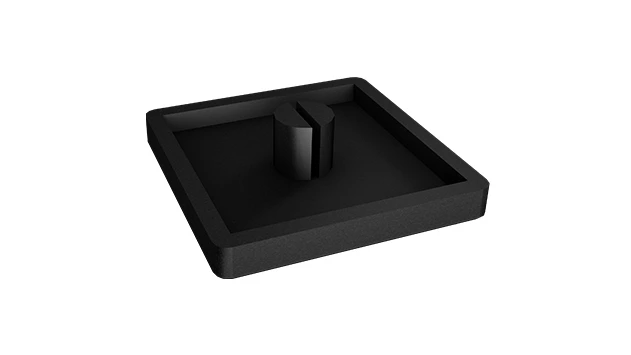
The aluminum profile end cap adds a finishing touch to your project and closes off profile ends to limit dust and debris buildup, also it can avaid some scratch for material and labor during the assemble work.
Walk into any thriving manufacturing facility today, and you'll likely notice a common theme: workspaces that feel intentional. Every tool has a place, every movement serves a purpose, and there's a quiet efficiency that hums in the background. This isn't by accident—it's the result of lean manufacturing principles in action. Lean isn't just about cutting costs or speeding up production; it's about creating systems where people, processes, and tools work in harmony to eliminate waste and maximize value. And while much attention is paid to big-picture elements like workflow design or automation, some of lean's most impactful innovations come in surprisingly small packages. Take, for example, the 3030 aluminum profile end cap. This unassuming accessory might seem trivial at first glance, but in the world of lean workstations, it's a silent workhorse that elevates safety, durability, and efficiency. Let's dive into how this tiny component makes a big difference in the heart of lean operations.
The Backbone of Lean: Understanding Workstations in Lean Systems
Before we zoom in on end caps, let's set the stage with the star of the show: the lean workstation. In lean manufacturing, the workstation isn't just a table where work happens—it's a carefully engineered hub designed to minimize waste, reduce fatigue, and keep production flowing smoothly. Whether it's an assembly bench on an automotive line, a packing station in a warehouse, or a testing station in electronics manufacturing, lean workstations share a few key traits: they're modular, ergonomic, and built to adapt as needs change.
Modularity is especially critical here. Lean systems thrive on flexibility—if a product design changes, or production volume shifts, the workstation should be able to evolve without a complete overhaul. This is where materials like aluminum profiles shine. Unlike fixed steel structures or flimsy wooden tables, aluminum extrusion profiles (think of them as pre-shaped aluminum rails with slots) allow for quick, tool-free adjustments. Need to add a shelf? Attach a bracket to the T-slot. Want to reposition a light? Slide it along the rail. This adaptability makes aluminum profiles the go-to choice for lean workstations, and among the most popular profiles is the 3030 aluminum profile.
Why 3030? The numbers refer to its cross-section: 30mm by 30mm. This size strikes a sweet spot between strength and versatility. It's sturdy enough to support heavy tools or materials (think 50-100kg loads, depending on the setup) but lightweight enough to be moved or reconfigured by a single person. You'll find 3030 profiles in everything from workbenches and material racks to turnover trolleys and conveyor supports. Its ubiquity also makes it cost-effective—suppliers stock it in bulk, and accessories (like brackets, connectors, and yes, end caps) are widely available, keeping replacement or upgrade costs low.
Aluminum Profiles: The Material of Choice for Modern Lean Workstations
To truly appreciate the role of end caps, we first need to understand why aluminum profiles have become synonymous with lean manufacturing. Let's start with the basics: aluminum is a metal that's naturally lightweight yet surprisingly strong. When extruded into profiles with a T-slot design, it becomes a modular building block. The T-slot—a groove running along the length of the profile—lets you attach accessories using bolts, nuts, or specialized connectors, no welding or drilling required. This "build-as-you-go" approach aligns perfectly with lean's focus on minimizing waste (no excess material from custom cuts) and maximizing flexibility.
But aluminum brings more to the table than just modularity. It's resistant to corrosion, which is a big plus in manufacturing environments where spills, humidity, or chemicals might be present. Unlike steel, it doesn't rust, so workstations stay looking newer for longer, even in tough conditions. It's also non-magnetic and non-sparking, making it safe for use in industries like electronics or chemical processing where magnetic interference or fire risks are concerns.
For workers, aluminum's lightweight nature is a game-changer. Imagine reconfiguring a workstation built with steel profiles: you'd need a team of people and heavy equipment. With aluminum, a single operator can adjust a shelf or reposition a section of the bench in minutes, reducing downtime and keeping production on track. And because aluminum profiles are precision-extruded, they offer consistent dimensions, ensuring that accessories from different suppliers (like a bracket from one brand and a light from another) fit together seamlessly—a key benefit for manufacturers working with multiple aluminum profile accessories suppliers.
The 3030 profile, in particular, has earned its reputation as a workhorse. Its 30x30mm size is ideal for mid-weight applications. For example, a typical workbench built with 3030 profiles might feature a solid top (like an aluminum honeycomb panel or wooden board), a shelf for tools below, and side rails for hanging bins or cable management. The profile's symmetry (it's square) also makes it easy to align, so building straight, stable structures is straightforward—no guesswork or custom cutting required.

Meet the Unsung Hero: 3030 Aluminum Profile End Caps
Now, let's turn our attention to the star of this article: the 3030 aluminum profile end cap. When you order a length of 3030 aluminum profile, it typically arrives as a straight rail, cut to your specified length. The problem? The ends of that rail are often rough or sharp. During extrusion, the aluminum is pushed through a die, but cutting it to size (whether with a saw or laser) can leave burrs, jagged edges, or uneven surfaces. That's where end caps come in.
An end cap is a small, usually plastic or rubber cover that fits snugly over the open end of the 3030 profile. Think of it as a "cap" for the profile's "tube." Most end caps are designed to be press-fit—you simply push them onto the end of the profile until they click into place. Some might have a lip or ridge that locks into the T-slot, ensuring they don't pop off during use. They come in neutral colors like black, white, or gray, though some suppliers offer custom colors to match company branding or workstation themes.
At first glance, their purpose seems simple: cover the end. But dig deeper and you'll realize they do so much more. Let's break down their key roles:
- Smoothing rough edges: As mentioned, cut aluminum ends can be sharp. An end cap eliminates this hazard, turning a potential cut risk into a smooth, safe surface.
- Blocking debris: The hollow interior of an aluminum profile is great for routing cables or storing small tools, but it's also a magnet for dust, dirt, and metal shavings. End caps seal off the ends, preventing debris from getting inside and jamming T-slots or corroding the interior.
- Protecting the profile: When moving a workstation or reconfiguring parts, the ends of the profile can bump into walls, equipment, or other profiles. An end cap acts as a buffer, absorbing impact and preventing dents, scratches, or bending.
- Enhancing aesthetics: A workstation with exposed, rough profile ends looks unfinished. End caps give it a polished, professional appearance—small detail, but one that boosts pride in the workspace.
To put this in perspective, imagine assembling a workbench without end caps. You're handling the 3030 rails, and suddenly your arm brushes against an un-capped end—ouch, a small cut. Later, when you slide a bracket into the T-slot, you notice it's stuck; a metal shaving from the cut end has fallen into the slot and jammed it. A few months down the line, the ends of the profiles start to rust slightly because water seeped in through the open ends. Now, multiply that by dozens of workstations across a factory, and the "small" issues add up to big costs: downtime for repairs, workers' compensation claims, and premature replacement of profiles. End caps prevent all of this.

How 3030 End Caps Transform Lean Workstations: The Benefits in Action
To truly grasp the impact of 3030 aluminum profile end caps, let's walk through four key benefits with real-world examples. These aren't just theoretical—they're the reasons manufacturers and aluminum profile accessories suppliers swear by this tiny component.
1. Safety First: Eliminating Hidden Hazards
In manufacturing, safety isn't optional—it's the foundation of productivity. A single injury can halt production, damage morale, and lead to costly fines. Sharp edges on aluminum profiles might seem like a minor risk, but in a busy workstation, they're an accident waiting to happen. Consider an assembly line where workers are constantly reaching across the bench to grab tools or pass parts. A bare profile end at elbow height could catch a sleeve, or a quick movement could result in a scrape. Over time, these "minor" incidents add up to lost time and unhappy employees.
End caps eliminate this risk entirely. By covering sharp edges with a soft, rounded surface (most end caps have a slight curve on the outer edge), they turn a hazard into a non-issue. Even better, they're passive safety—once installed, they require no maintenance or training to work. A study by the Occupational Safety and Health Administration (OSHA) found that "struck-by" and "caught-between" hazards (which include cuts from sharp objects) account for nearly 20% of manufacturing injuries. While end caps alone won't eliminate all these risks, they're a simple, low-cost way to chip away at them.
2. Durability: Making Workstations Last Longer
Lean manufacturing is all about maximizing value, and that includes getting the most out of your equipment. A workstation built with 3030 profiles should last 5-10 years, but without end caps, its lifespan could be cut in half. Why? Because the ends of the profile are vulnerable to damage. When you move a workstation, the ends might hit a concrete floor or a steel beam. Over time, this can bend the profile, making it impossible to attach accessories evenly. Or, if the workspace is humid (like a food processing plant) or exposed to chemicals (like a automotive paint shop), moisture or corrosive substances can seep into the open ends, causing internal rust or degradation.
End caps act as a barrier. Take a plastic end cap, for example—it's water-resistant, so it blocks moisture from entering the profile. It also absorbs impact: if the workstation is bumped, the end cap takes the hit, not the aluminum. A manufacturing plant in Ohio that switched to using end caps on all 3030 profiles reported that their workstations needed 40% fewer repairs over three years, and the average lifespan of their profiles increased from 3 to 7 years. That's a huge savings when you consider that a single 3030 profile (plus accessories) can cost $20-$50, and a workstation might use 10-15 profiles.
3. Efficiency: Keeping Workstations "Tuned" for Lean Flow
Lean manufacturing thrives on flow—materials should move smoothly, tools should be within reach, and nothing should slow down the operator. End caps might not directly move parts, but they prevent disruptions that break flow. For example, if a bracket gets stuck in a T-slot because debris is blocking it, the operator has to stop work, grab a tool, and clear the slot. That's "waiting" waste, one of the seven deadly wastes in lean. Multiply that by 5-10 incidents per workstation per week, and you're looking at hours of lost productivity.
End caps also keep the T-slot clean, which makes adjustments faster. Let's say you need to reposition a monitor arm on the workstation. With a clean slot (thanks to end caps blocking debris), you can loosen the bolt, slide the arm, and retighten—done in 30 seconds. Without end caps, you might have to first blow out dust or fish out a metal shaving, doubling or tripling the time. In a facility with 100 workstations, each needing monthly adjustments, that's 50+ hours saved per year.
4. Compatibility: Keeping the Lean Ecosystem Connected
Lean workstations aren't standalone—they're part of a larger ecosystem of tools, conveyors, and material handling equipment. For example, a workbench might feed into a flow rack, which connects to a roller track, all built with 3030 profiles. To keep this ecosystem working, every component must play well with others. End caps do their part by maintaining the profile's structural integrity. If a profile end is dented or bent (because it lacked an end cap), it might not align with a connector or a roller track bracket. This misalignment can create wobbly structures, uneven conveyor flow, or gaps where parts get stuck.
By protecting the profile ends, end caps ensure that accessories fit as intended. A 90-degree connector will seat flush, a roller track will mount evenly, and the entire system will operate smoothly. This compatibility is why reputable aluminum profile suppliers always recommend pairing 3030 profiles with their matching end caps—they're designed to work together, ensuring the modularity that lean systems depend on.
Real-World Impact: A Case Study from Auto Parts Manufacturing
To bring this to life, let's look at a case study from a mid-sized auto parts manufacturer in Michigan. The company had 45 lean workstations, all built with 3030 aluminum profiles, but initially skipped end caps to save costs. Within six months, they noticed three issues: (1) two workers had minor cuts from sharp profile ends, (2) 12% of their profiles had visible dents or rust at the ends, and (3) adjusting accessories took 2-3 times longer than expected due to debris in the T-slots.
They switched to adding 3030 end caps to all new and existing workstations (costing about $2 per end cap, or $1,800 total for 45 workstations with 20 profiles each). Within a year, the results were clear: zero new injuries related to profile edges, only 2% of profiles showed new damage, and accessory adjustments took 60% less time. The plant manager estimated the savings at over $20,000—from reduced downtime, fewer replacement profiles, and higher productivity. "We thought end caps were a luxury," he noted. "Turns out, they're a necessity."
Choosing the Right End Cap: What to Look for When Sourcing
Not all end caps are created equal. To get the full benefits, you need to choose the right ones for your 3030 profiles. Here's what to keep in mind when working with your aluminum profile accessories supplier:
- Material: Most end caps are made of plastic (like ABS or polypropylene) or rubber. Plastic is rigid and durable, ideal for dry environments. Rubber is more flexible and shock-absorbent, better for workstations that see heavy impact or vibration. Some suppliers offer ESD (electrostatic discharge) rated end caps for electronics manufacturing, where static control is critical.
- Fit: End caps should be designed specifically for 3030 profiles. Avoid generic "one-size-fits-all" caps—they might be too loose (and fall off) or too tight (and crack during installation). A good cap will have a snug press-fit and stay in place even with moderate shaking.
- Color: While aesthetics aren't the main goal, color can help with organization. For example, using red end caps on profiles that need to be inspected monthly, or blue caps on workstation sections designated for specific tools.
- Supplier Reliability: Work with a reputable aluminum profile accessories supplier. Cheap, off-brand end caps might use low-quality plastic that cracks in cold temperatures or warps in heat. A trusted supplier will offer warranties and consistent quality.
To help compare options, here's a quick breakdown of common end cap materials and their best uses:
| Material Type | Durability | Impact Resistance | Temperature Range | Best For |
|---|---|---|---|---|
| ABS Plastic | High (resists cracking, wear) | Medium (absorbs light impacts) | -20°C to 80°C (-4°F to 176°F) | General manufacturing, dry environments, workbenches |
| Polypropylene (PP) | Medium-High (flexible, resists chemicals) | High (bends without breaking) | -10°C to 100°C (14°F to 212°F) | Wet environments, food processing, chemical plants |
| Rubber | Medium (can degrade over time in UV light) | Very High (excellent shock absorption) | -30°C to 70°C (-22°F to 158°F) | Heavy-impact areas, vibration-prone workstations, cold storage |
| ESD Plastic | Medium-High (similar to ABS) | Medium | -20°C to 70°C (-4°F to 158°F) | Electronics manufacturing, static-sensitive components |
The Bottom Line: Small Investment, Big Returns
In lean manufacturing, success lies in the details. It's about optimizing every element of the process, no matter how small, to create a system that's greater than the sum of its parts. The 3030 aluminum profile end cap embodies this philosophy perfectly. It costs pennies on the dollar compared to the workstation itself, yet it enhances safety, extends equipment life, and keeps operations running smoothly. It's a reminder that in lean, you don't cut corners on the "little things"—you embrace them, because they're often the ones that make the biggest difference.
So, the next time you walk through a lean facility, take a moment to look at the workstations. If they're built with 3030 aluminum profiles, check the ends—chances are, you'll see those unassuming end caps, quietly doing their job. And if you're building or upgrading your own lean workstations? Don't skip them. Your workers, your bottom line, and your commitment to lean excellence will thank you.