- Company Articles
- Products and Technology
- Technology Sharing
- Lean Manufacturing Tips: Using 0.8mm Stainless Steel Pipe for Reconfigurable Workstations

Lean Manufacturing Tips: Using 0.8mm Stainless Steel Pipe for Reconfigurable Workstations
Related Product
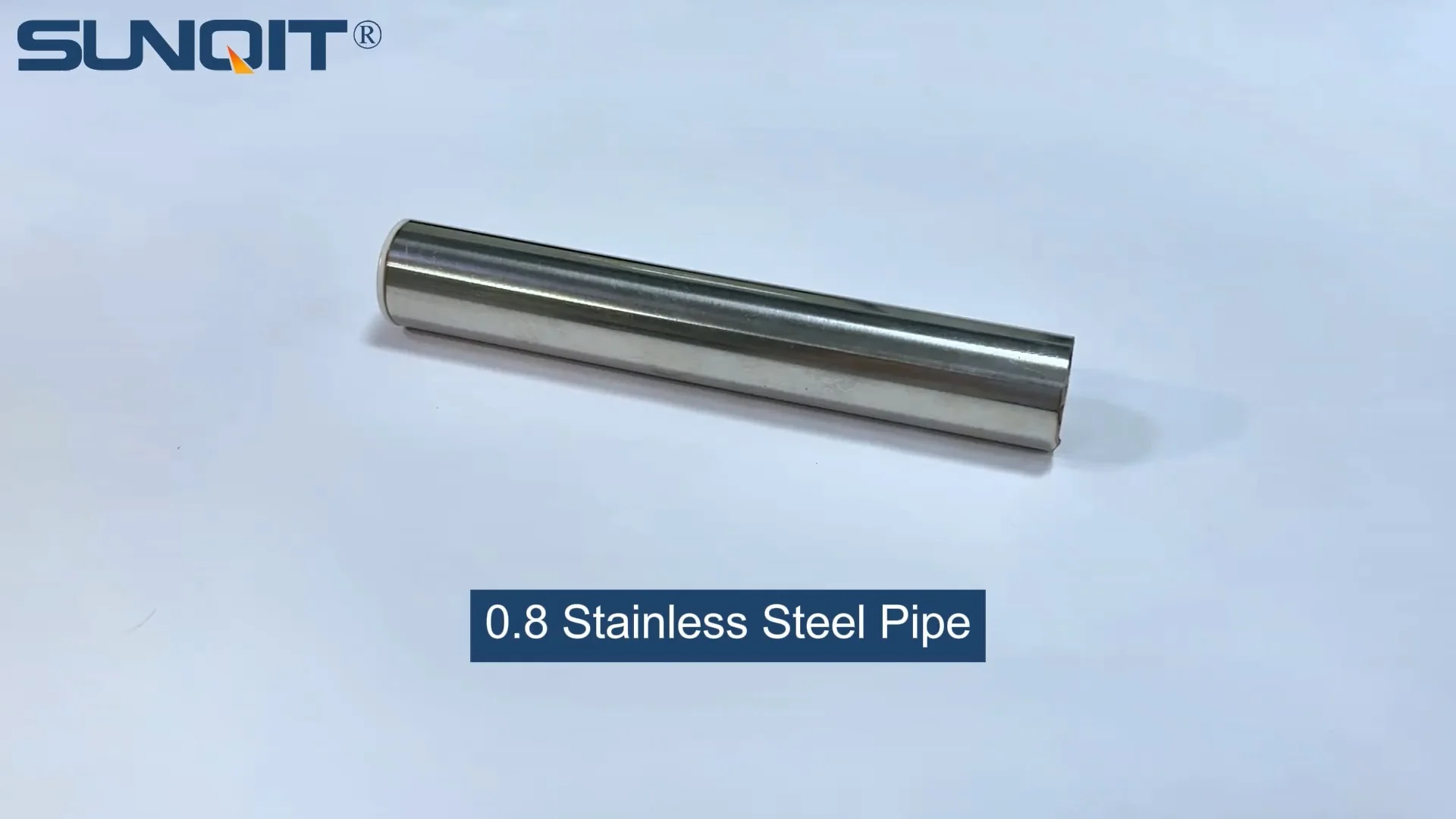
0.8mm Stainless Steel Pipe
Stainless steel pipe, lean pipe, diameter is 28mm, material is SS201 or SS304, SS201 is normally used in the market. It knows a KARAKURI, KAIZEN material for industrial plant to improve efficiency, save labor cost, standard management.
The Hidden Cost of Rigid Workstations in Modern Factories
Walk into almost any manufacturing facility, and you'll likely encounter the same silent productivity killer: workstations bolted to the floor, built for a single product, and impossible to adjust without a team of engineers and a weekend of downtime. For years, this was the norm. Factories prioritized "permanence"—the idea that a workstation, once built, should last decades. But in today's fast-paced manufacturing landscape, where product cycles shrink from years to months (and sometimes weeks), rigidity has become a liability.
Consider a mid-sized electronics manufacturer I worked with last year. They produced smartphone chargers, and when a new model with a slimmer design launched, their existing assembly stations were too narrow to accommodate the new components. The solution? Dismantle the old workbenches, order custom metal frames, and wait three weeks for delivery. In that time, they fell behind on orders, and their team spent hours manually assembling products on temporary tables—hardly the "lean" approach they strived for.
This scenario isn't unique. From automotive parts to medical devices, manufacturers are drowning in the inefficiencies of fixed workstations. They waste time on retooling, lose money on custom builds, and demoralize teams forced to work around outdated setups. The good news? There's a simpler, more agile alternative: reconfigurable workstations built with 0.8mm stainless steel pipe. This unassuming material is quietly revolutionizing lean manufacturing, offering the strength of traditional steel with the flexibility to adapt to whatever your production line throws at it.
Why 0.8mm Stainless Steel Pipe? The Sweet Spot of Strength and Flexibility
When most people think of stainless steel pipe, they picture heavy, industrial-grade tubing—thick, cumbersome, and difficult to maneuver. But 0.8mm stainless steel pipe is a different beast. At just 0.8 millimeters thick, it's lightweight enough for two workers to carry and assemble, yet strong enough to support the day-to-day demands of manufacturing: think power tools, bins of components, and the constant movement of parts. It's the Goldilocks of materials—not too flimsy, not too heavy—and it's quickly becoming the backbone of lean workstations worldwide.
What makes 0.8mm stainless steel pipe stand out? Let's break it down:
- Corrosion resistance: Unlike carbon steel, stainless steel resists rust and wear, even in factories where oils, coolants, or moisture are present. This longevity means fewer replacements and lower long-term costs.
- Tool-free assembly: Pair it with the right lean pipe joint, and you can build (and rebuild) workstations without welding or drilling. Most joints twist or clamp into place, letting teams adjust layouts in minutes, not days.
- Weight savings: Compared to 1.2mm or 1.5mm steel pipes, 0.8mm tubing cuts weight by up to 30%. This makes workstations easier to move (more on that later with caster wheels) and reduces strain on workers who need to reposition components.
- Cost efficiency: While stainless steel costs more upfront than plastic or aluminum, its durability and reusability mean it pays for itself over time. A single 0.8mm pipe can be repurposed across multiple workstation designs, eliminating the need to buy new materials for every product change.
But don't just take my word for it. A recent study by the Lean Manufacturing Institute found that factories using modular stainless steel pipe systems reduced workstation reconfiguration time by 72% compared to traditional fixed setups. That's not just a number—it's hours of lost production recovered, teams kept on schedule, and customers getting orders faster.

Building a Reconfigurable Workstation: The 0.8mm Stainless Steel Pipe System
Reconfigurable workstations aren't about "temporary" solutions—they're about adaptable ones. The goal is to create a base structure that can evolve with your needs, using 0.8mm stainless steel pipe as the foundation and pairing it with components that enhance flexibility. Let's walk through how to design one from scratch, step by step.
Step 1: Start with a Modular Frame (The "Skeleton")
The frame is where 0.8mm stainless steel pipe shines. Instead of welding metal beams, you'll use lean pipe joints to connect pipes into a basic cube or rectangle. These joints come in all angles—45°, 90°, 135°—so you can build everything from a simple tabletop to a multi-tiered material rack. Pro tip: Opt for internal rotation lean pipe joints if you need to adjust angles on the fly (e.g., tilting a work surface for better ergonomics).
For a standard assembly workstation, start with four vertical pipes (height: 750mm for seated work, 900mm for standing) connected by horizontal pipes at the top and bottom. Use 90° lean pipe joints to secure the corners—no tools needed, just a firm twist. This basic frame takes 15 minutes to assemble, and it's strong enough to hold up to 150kg (that's 330 pounds) of equipment and materials.
Step 2: Add Mobility with Caster Wheels
What good is a reconfigurable workstation if you can't move it? That's where caster wheels come in. Attach four heavy-duty caster wheels (with brakes!) to the bottom of your frame using castor fixed plates—these clamp onto the stainless steel pipes, no drilling required. Suddenly, your workstation isn't tied to one spot. Need to rearrange the assembly line for a new product? Unlock the brakes, roll it into place, and lock again. It's that simple.
I visited a furniture manufacturer last month that took this to the next level. They built 12 identical workstations on caster wheels, each with a 0.8mm stainless steel frame. When a large order for office chairs came in, they lined the stations in a U-shape to create a continuous assembly line. The next week, when they switched to dining tables, they rearranged the same stations into a straight line. No disassembly, no wasted materials—just quick, tool-free movement.
Step 3: Integrate Roller Track for Smooth Material Flow
Lean manufacturing is all about reducing waste, and one of the biggest time-wasters is manually moving parts from one station to the next. That's why adding roller track to your 0.8mm stainless steel workstation is a game-changer. Roller track—those simple, wheeled rails you've seen in warehouses—lets materials glide from one worker to the next with minimal effort, cutting down on walking time and errors.
Here's how to do it: Mount aluminum guide rails (I prefer aluminum guide rail A for its durability) to the side of your workstation frame using roller track placon mounts. Then snap in plastic roller track guide rails (yellow or grey—pick a color that stands out for safety) and attach swivel roller balls (1 inch works best for most small parts). Now, when a worker finishes assembling a component, they push it along the roller track to the next station. No more bending to pick up bins, no more trips across the factory floor—just a steady, uninterrupted flow.
A medical device manufacturer I consulted with added roller track to their 0.8mm stainless steel workstations and saw a 22% drop in "non-value-added" movement (the lean term for walking, reaching, or lifting that doesn't directly contribute to production). Their workers reported less fatigue, and the quality team noticed fewer dropped parts—all from a simple rail added to their existing frames.

Traditional vs. Reconfigurable: The Numbers Speak for Themselves
Still on the fence about switching to 0.8mm stainless steel pipe? Let's compare the costs—both financial and operational—of traditional fixed workstations versus reconfigurable ones. The table below is based on data from 10 manufacturing plants that made the switch over the past two years:
| Metric | Traditional Fixed Workstation | Reconfigurable Workstation (0.8mm Stainless Steel Pipe) |
|---|---|---|
| Initial setup cost | $1,200–$1,800 (welding, custom parts, labor) | $800–$1,100 (pipe, lean pipe joints, caster wheels) |
| Time to reconfigure for new product | 40–60 hours (dismantling, rebuilding, testing) | 2–4 hours (adjusting joints, adding/removing pipes) |
| Weight capacity | 200–300kg (but immobile) | 150–200kg (and mobile with caster wheels) |
| Longevity (before replacement) | 5–7 years (fixed design becomes obsolete) | 10+ years (repurposable for multiple product lines) |
| Worker satisfaction (1–10 scale) | 5.2 (rigid setups cause strain, frustration) | 8.7 (adjustable heights, easy movement reduce fatigue) |
The standout number here? Reconfiguration time. For a factory running two shifts, 40 hours of downtime translates to roughly $16,000 in lost production (based on an average hourly output of $200 per shift). A reconfigurable workstation cuts that to $1,600—saving $14,400 per product change. Over a year with 5–6 product changes, that's $72,000–$86,400 back in your pocket.
5 Pro Tips for Maximizing Your 0.8mm Stainless Steel Pipe Workstation
Switching to reconfigurable workstations is a big step—but to get the most out of your 0.8mm stainless steel pipe system, you'll need to plan ahead. Here are five tips I've learned from helping dozens of factories implement this technology:
1. Standardize Pipe Lengths to Reduce Waste
Not all pipes are created equal, and cutting custom lengths for every workstation wastes material and time. Instead, standardize on a few key sizes: 1m, 1.5m, and 2m pipes work for most frames. Store extra pipes on a simple rack (built, of course, with 0.8mm stainless steel pipe and lean pipe joints) so teams can grab what they need without measuring. A food packaging plant I worked with did this and reduced pipe waste by 40% in the first six months.
2. Invest in Quality Lean Pipe Joints
The weakest link in any modular system is the joints. Cheap plastic joints crack under pressure, and low-grade metal joints rust or loosen over time. Spend a little extra on chrome-plated or stainless steel lean pipe joints—they'll last longer and keep your workstation stable. Look for joints with internal locking mechanisms (like the 180° internal rotation lean pipe joint) that stay tight even after repeated adjustments.
3. Train Teams to "Think Modular"
Your assembly line workers are the ones using the workstations—so involve them in the design process. Host a 30-minute training session on how the lean pipe joints work, and challenge teams to sketch out workstation improvements. You'll be surprised by their ideas: one team at a automotive parts plant suggested adding a tilted roller track to reduce neck strain, cutting reported injuries by 30%.
4. Label Components for Quick Reassembly
When you disassemble a workstation (to repurpose pipes for a new design), label each pipe and joint with a number or color code. Use a simple label maker or even masking tape—just make sure the labels stay put through oil, grease, and cleaning. A electronics manufacturer I know did this and cut reassembly time by 15%—no more guessing which pipe goes where.
5. Pair with ESD Workstations for Sensitive Electronics
If you're manufacturing electronics (like circuit boards or semiconductors), static electricity is a silent killer. 0.8mm stainless steel pipe is naturally conductive, but for extra protection, pair it with ESD (electrostatic discharge) accessories: ESD workbench tops, ESD caster wheels, and grounding wires. This turns your reconfigurable workstation into a static-safe zone, preventing costly component damage.
From Rigid to Agile: The Future of Manufacturing Workstations
Lean manufacturing isn't just about cutting costs—it's about empowering teams to adapt, innovate, and respond to change. For too long, workstations have been the opposite: barriers to progress, fixed in place while the world moves forward. 0.8mm stainless steel pipe changes that. It's a simple, affordable tool that turns "we can't" into "we can—right now."
The factories that thrive in the next decade won't be the ones with the biggest machines or the cheapest labor. They'll be the ones with the most agile setups—workstations that evolve with their products, teams that can reconfigure on a Tuesday afternoon for a Thursday product launch, and materials that keep up with the pace of innovation. 0.8mm stainless steel pipe isn't just a material; it's a mindset shift toward flexibility, resilience, and the kind of lean thinking that transforms good factories into great ones.
So, what's stopping you? Grab a few lengths of 0.8mm stainless steel pipe, a handful of lean pipe joints, and a team of workers. Build a prototype workstation this week. Test it, tweak it, and watch as rigidity gives way to possibility. Your production line (and your bottom line) will thank you.