- Company Articles
- Products and Technology
- Solution
- Lean Manufacturing Tools: 40 Steel Wheel Roller Track Implementation

Lean Manufacturing Tools: 40 Steel Wheel Roller Track Implementation
Related Product
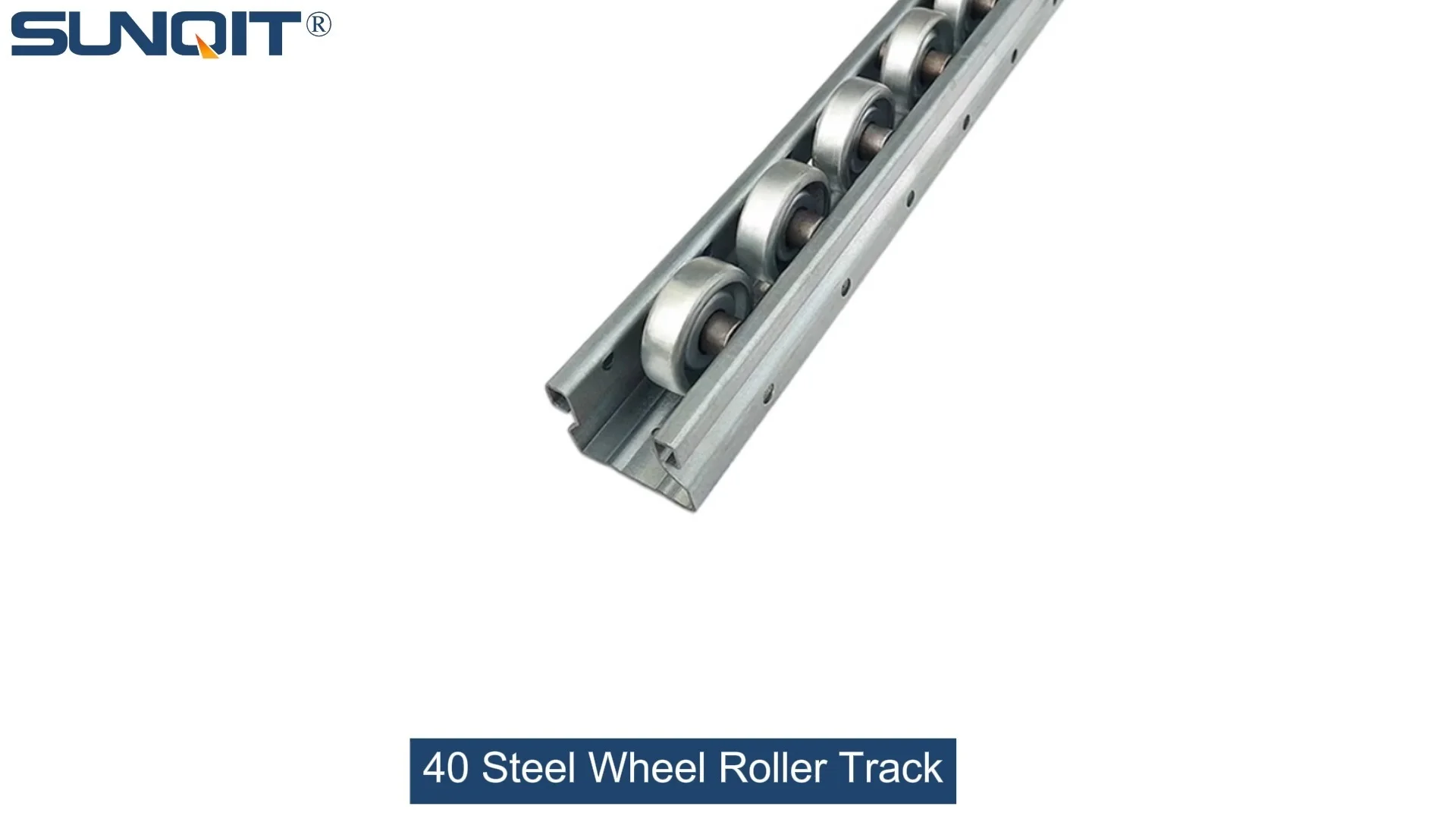
40 Steel Wheel Roller Track
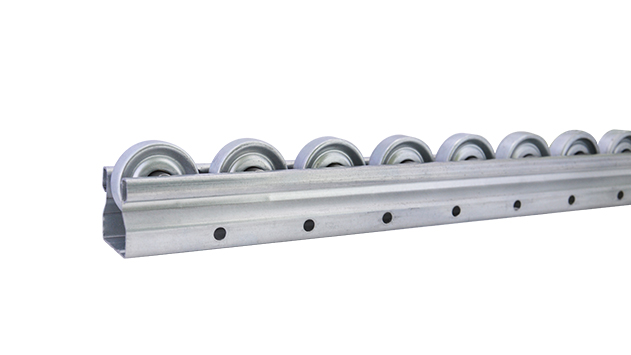
Heavy duty steel wheel roller track with cylindrical steel rollers for use in processing, logistics and materials handling operations. Ideal for transporting goods quickly and easily as well as for installing on shelving to aid in picking operations.
Walk into any manufacturing plant today, and you'll notice a common rhythm—machines humming, teams coordinating, and materials moving. But beneath this seemingly smooth operation lies a hidden bottleneck that costs factories millions annually: inefficient material flow. Imagine a 3C assembly line where workers spend 20% of their shift just fetching components, or a medical device workshop where fragile parts get damaged during manual transport. These aren't isolated incidents; they're symptoms of outdated material handling systems that drag down productivity and demoralize teams. That's where the 40 Steel Wheel Roller Track comes in—a quiet revolution in lean manufacturing that's transforming how factories move materials, one smooth roll at a time.
What Exactly Is a 40 Steel Wheel Roller Track?
At first glance, it might look like a simple series of metal rollers mounted on a frame. But the 40 Steel Wheel Roller Track is far more than that. Engineered for the demands of modern manufacturing, this tool combines heavy-duty steel construction with precision-engineered rollers to create a material handling system that's both robust and. The "40" refers to its standard width—40mm—making it compatible with most industry-standard containers and workstations. What truly sets it apart, though, is its modular design: sections can be connected, extended, or reconfigured in minutes, allowing factories to adapt to changing production needs without overhauling entire lines.
Unlike rigid conveyor belts that lock you into fixed paths, these roller tracks work like building blocks. Need to route materials around a new machine? Add a curved section. Expanding production? Connect extra straight tracks. It's this flexibility that makes them a cornerstone of lean manufacturing—empowering teams to eliminate waste, optimize workflows, and respond quickly to market changes.
5 Game-Changing Benefits for Your Production Floor
1. Effortless Material Movement That Reduces Worker Fatigue
Ask any factory worker about their biggest daily challenge, and "heavy lifting" will likely top the list. Traditional material handling often means pushing carts or carrying boxes, leading to strained muscles and increased sick days. The 40 Steel Wheel Roller Track changes this with its precision ball bearings and low-friction rollers. A single worker can easily push a 300kg load with one hand—no more struggling with heavy carts or waiting for forklift assistance. "Since we installed these tracks in our automotive parts line, reported back injuries dropped by 40%," says a production manager at a leading auto components manufacturer. "Our team comes in fresher and stays productive longer."
2. Built to Last in the Toughest Environments
Manufacturing floors are harsh places—oils, chemicals, and constant use take a toll on equipment. That's why the 40 Steel Wheel Roller Track is constructed with high-grade steel and coated with anti-corrosive finishes. The rollers themselves are heat-treated to resist wear, even in 24/7 operation. Compare that to plastic roller systems that crack under heavy loads or tracks that rust after six months. One electronics factory in Shenzhen reported their 40 Steel Wheel tracks still performing like new after three years of non-stop use, handling everything from circuit boards to metal chassis without a single roller replacement.
3. Flexibility to Adapt to Your Changing Needs
The days of building production lines that stay the same for years are gone. Today's factories need to switch between products, scale up for seasonal demand, and experiment with new layouts—all without halting production for weeks. The 40 Steel Wheel Roller Track's modular design makes this possible. Need to rearrange your line for a new product launch? Simply unbolt the sections, reconfigure, and bolt them back down—all in under an hour. A medical device manufacturer we worked with recently used this flexibility to split their line into two smaller cells during low season, cutting energy costs by 25% while maintaining output.
4. Seamless Integration with Other Lean Tools
Lean manufacturing isn't about one tool—it's about creating a system where every component works together. The 40 Steel Wheel Roller Track plays well with others, connecting effortlessly to lean pipe workbenches, flow racks, and ESD workstations. Imagine a smartphone assembly line: components roll smoothly from the flow rack via the roller track directly to the ESD workbench, where operators assemble them without ever leaving their station. This integration eliminates unnecessary steps, reduces material handling time by up to 35%, and creates a workflow that feels almost intuitive.
5. Cost Savings That Add Up Fast
Let's talk numbers. A typical mid-sized factory with 50 workers might spend $100,000 annually on labor for material handling alone. By automating these tasks with roller tracks, you could reduce that by 30-40%. Then there's the cost of damaged goods—with gentle, controlled movement, breakage rates drop significantly. A consumer electronics client reported cutting component damage by 60% after installing roller tracks, saving $20,000 in replacement parts in the first year. And because the system is modular, you avoid the high upfront costs of custom conveyor systems—start small, expand as you grow, and never pay for capacity you don't need.
Real-World Impact: How Factories Are Winning with 40 Steel Wheel Roller Tracks
Automotive Parts Plant: From Chaos to Order in 3 Days
A major automotive parts supplier in Guangzhou was struggling with a chaotic assembly line. Workers were constantly tripping over loose cables and stacked boxes, and material delivery delays were causing frequent line stoppages. Their lean team decided to implement 40 Steel Wheel Roller Tracks to create dedicated material lanes. In just three days, they installed 120 meters of track, connecting storage areas directly to workstations. The results? Material delivery time dropped from 15 minutes to under 2 minutes per station, and line stoppages decreased by 70%. "We went from firefighters putting out daily crises to a team that can focus on improving quality," said the plant manager.
3C Electronics: Protecting Sensitive Components with ESD Solutions
In the world of smartphone manufacturing, static electricity is a silent killer—even a small discharge can ruin a $500 circuit board. A leading 3C manufacturer in Shenzhen needed a way to move ESD-sensitive components safely between stations. They paired 40 Steel Wheel Roller Tracks with ESD workbenches and conductive rollers, creating a fully grounded material flow system. The result? Zero static-related failures in six months, and a 25% increase in first-pass yield. "Before, we'd test components after every move; now we trust the system to protect them," noted the production engineer.
Medical Device Assembly: Meeting Strict Hygiene Standards
Medical device manufacturing demands precision and cleanliness, which made manual material handling a constant headache for a Shanghai-based factory. Their cleanroom staff was spending hours sanitizing carts and containers, and the risk of contamination was ever-present. They turned to 40 Steel Wheel Roller Tracks with stainless steel rollers and easy-to-clean surfaces. The smooth, crevice-free design reduced sanitization time by 60%, and the enclosed track system minimized dust accumulation. "We now meet ISO 13485 standards with half the effort," said their quality director. "It's not just about moving parts—it's about protecting patients."

Traditional vs. Modern: Why Roller Tracks Beat Old-School Methods
| Handling Method | Productivity Impact | Labor Cost | Flexibility | Maintenance Needs |
|---|---|---|---|---|
| Manual Cart Transport | Workers spend 20-30% of shift moving materials | Requires 2-3 dedicated handlers per line | Fixed paths, hard to reconfigure | Frequent cart repairs, wheel replacements |
| Conventional Belt Conveyors | Fast but inflexible; downtime for product changes | Low labor but high installation/maintenance | Permanent installation, impossible to relocate | Regular belt replacements, motor repairs |
| 40 Steel Wheel Roller Track | Material delivery time reduced by 60-70% | 1 handler can manage 3+ lines | Reconfigurable in minutes, modular expansion | Minimal—rollers last 3+ years with basic cleaning |

Beyond the Track: Building a Complete Lean Solution
The 40 Steel Wheel Roller Track is powerful on its own, but its true potential shines when it's part of a holistic lean system. That's where custom lean solutions come into play—tailoring your material flow, workstations, and storage to your unique production needs. For example, a consumer goods manufacturer might pair roller tracks with flow racks for first-in-first-out inventory management, while a medical device plant could integrate them with anti-static workbenches and cleanroom-compatible components.
The key is working with a supplier who understands both the tools and the philosophy of lean manufacturing. Look for partners who don't just sell products but take the time to walk your floor, identify bottlenecks, and design solutions that grow with you. A great lean solution isn't about installing equipment—it's about empowering your team to continuously improve, adapt, and thrive in an ever-changing market.
The Future of Manufacturing Is Rolling Your Way
In the end, manufacturing isn't just about making products—it's about making progress. Every tool, every process, and every system should bring you closer to a more efficient, more sustainable, and more human-centered factory. The 40 Steel Wheel Roller Track embodies this vision: it reduces physical strain on workers, cuts waste from your operations, and gives you the flexibility to innovate without limits. It's not just a piece of equipment; it's a step toward the factory of the future—one where materials flow as smoothly as ideas, and teams are free to focus on what they do best: creating quality products.
So if you're tired of watching productivity slip through the cracks of outdated material handling, it's time to roll into the future. Start small—a single track connecting two workstations—and watch the difference it makes. Before long, you'll wonder how you ever managed without it.