- Company Articles
- Products and Technology
- Product knowledge
- Lean Pipe Accessories: Flat Swivel Castor Wheel with Brake for Workbench E & Material Racks

Lean Pipe Accessories: Flat Swivel Castor Wheel with Brake for Workbench E & Material Racks
Related Product
Flat Swivel Castor Wheel With Brake
Chair Casters Ball Bearing Wheels Rubber Base with brake design. Resistant to abrasion, impact and corrosion. Heavy payload can hold 70Kgs per pcs,which can make it works at a stable and smooth status.
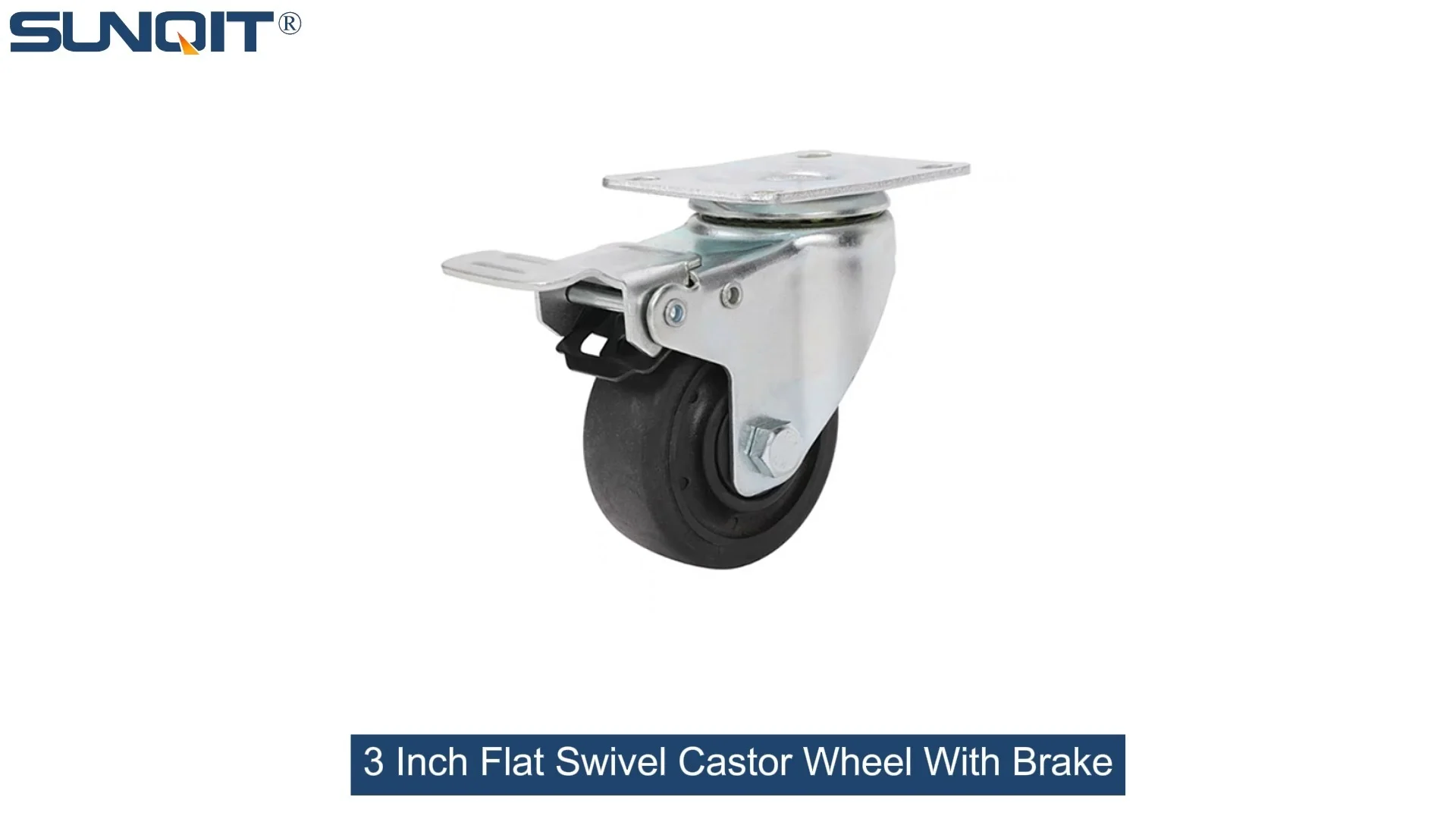
Walk into any busy workshop, manufacturing floor, or warehouse, and you'll notice a common thread: the constant dance of tools, materials, and workstations. Every second counts, and the last thing anyone needs is a workstation that's stuck in place or a material rack that's a hassle to move. That's where the unsung heroes of workplace efficiency come in—casters. Not just any casters, though. Today, we're diving deep into a game-changer for anyone who relies on Workbench E (single deck-without caster) or Material Rack B (3 row and 3 floor) : the Flat Swivel Castor Wheel with Brake. It might sound like a small part, but trust me, once you've experienced the difference, you'll wonder how you ever worked without it.
The Problem: When Static Becomes a Struggle
Let's start with the basics. Workbench E is a staple in many facilities—a sturdy, single-deck surface designed for assembly, packaging, or quality checks. But here's the catch: it comes "without caster." That means it's fixed to the floor. Great for stability, sure, but what if your team needs to shift the workbench closer to a conveyor line? Or rearrange the floor layout to accommodate a new production run? Suddenly, that stability becomes a liability. You're looking at a crew of two or three people grunting to move a heavy workbench, risking strained backs or scratched floors in the process.
Then there's Material Rack B—3 rows, 3 floors, stacked with everything from small components to bulk parts. In a warehouse, this rack is a lifesaver for organization, but static storage only works if the materials never need to leave their spot. More often than not, though, those materials need to be near the assembly line, the packing station, or the shipping dock. Without mobility, you're stuck with forklifts navigating tight spaces or workers making multiple trips with hand trucks—wasting time and energy that could be better spent on actual production.
And let's not forget safety. A workbench that's hard to move might get left in a less-than-ideal spot, blocking walkways. A material rack that's manually dragged could tip if not handled carefully. Static setups don't just hurt efficiency; they can create real hazards.
The Solution: Flat Swivel Castor Wheel with Brake—Small Part, Big Impact
Enter the Flat Swivel Castor Wheel with Brake. This isn't your average caster. It's designed to turn static workbenches and racks into dynamic, flexible tools that adapt to your team's needs. Let's break down why this caster is a must-have, especially for Workbench E and Material Rack B.
What Makes This Caster Stand Out?
First, let's talk about the "swivel" part. Unlike fixed casters that only roll forward and backward, this one spins 360 degrees. Picture this: You're at Workbench E, assembling a complex component, and you need to reach a toolbox on the other side of the room. Instead of stretching (and risking a spill) or getting up (and breaking your focus), you gently push the workbench. The swivel casters glide smoothly, letting you position the bench exactly where you need it—no heavy lifting, no awkward angles.
Then there's the "brake" feature. Mobility is great, but stability is non-negotiable. When you're using Workbench E for precision work—like soldering tiny electronics or measuring parts—you don't want it budging an inch. Step on the brake pedal, and the caster locks both the wheel and the swivel mechanism. It's like hitting a pause button on movement, giving you a rock-solid surface to work on. For Material Rack B, loaded with heavy materials, that brake becomes a safety net. No more worrying about the rack rolling away when you're loading or unloading.
Durability is another key factor. These casters are built tough. The wheel itself is often made of high-quality nylon, which is gentle on floors (no scuff marks on concrete or tile!) but tough enough to handle daily use. The housing? Usually steel, so it can take the weight of a fully loaded Workbench E or Material Rack B without bending or warping. We're talking load capacities of up to 300kg per caster—so even with four casters, you're looking at supporting over a ton of weight. That's peace of mind, knowing your equipment won't fail when you need it most.
Compatibility: Made for Workbench E and Material Rack B
Not all casters work with all equipment, but this Flat Swivel Castor Wheel with Brake is designed to play nice with two of the most common setups: Workbench E and Material Rack B.
Let's start with Workbench E (single deck-without caster) . As the name suggests, this workbench comes without casters, which means it's a blank canvas for mobility. The caster plates (the part that attaches to the workbench legs) are designed to fit the standard leg dimensions of Workbench E. Most models come with pre-drilled holes that line up perfectly with the workbench's legs, so installation is a breeze—no drilling custom holes or jury-rigging solutions. Once installed, that static workbench transforms into a mobile workstation that can glide across the floor, making it easy to reconfigure your workspace for different tasks.
Now, Material Rack B (3 row and 3 floor) . This rack is built to hold a lot of material—think boxes, bins, or even heavy parts. Its three rows and three floors mean it's tall and potentially top-heavy, so stability is critical. The Flat Swivel Castor Wheel with Brake addresses this by offering a low-profile design (so the rack doesn't become too wobbly) and that reliable brake system. When you need to move the rack, unlock the brakes, and the swivel function lets you navigate tight corners in warehouses or around other equipment. When you're done, lock the brakes, and the rack stays put—even if someone bumps into it.
A Quick Comparison: Why Swivel with Brake Beats Other Casters
Still not convinced? Let's put this caster head-to-head with other common types. Check out the table below to see how it stacks up:
| Caster Type | Mobility (1-5) | Stability (1-5) | Brake Function | Best For |
|---|---|---|---|---|
| Fixed Caster | 2 | 4 | None | Straight-line movement (e.g., conveyor belts) |
| Swivel Caster (No Brake) | 5 | 2 | None | Light, frequently moved items (e.g., small tool carts) |
| Flat Swivel Castor Wheel with Brake | 5 | 5 | Locks wheel + swivel | Workbenches, heavy material racks, precision workstations |
As you can see, the Flat Swivel Castor Wheel with Brake hits the sweet spot—max mobility when you need it, max stability when you don't. It's the ultimate multitasker for Workbench E and Material Rack B.
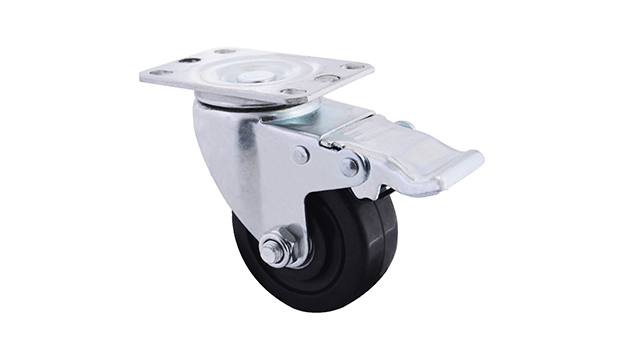
Installation: It's Easier Than You Think
You might be thinking, "This sounds great, but I'm not handy with tools. Will I be able to install these casters myself?" The answer is a resounding yes. Installing these casters is straightforward, even if you're not a seasoned DIYer. Here's a quick walkthrough, using Workbench E as an example:
- Prep the Workbench: Clear off any tools or materials from Workbench E. You'll need to flip it onto its side, so make sure the surface is clean to avoid scratches.
- Line Up the Caster Plates: Take one caster and hold its plate against the bottom of the workbench leg. The pre-drilled holes on the plate should align with the holes on the leg (most Workbench E models come with these holes specifically for casters).
- Secure with Bolts: insert the included bolts through the plate and into the leg. Tighten them with a wrench—you don't need to overdo it, just enough to keep the plate snug.
- Repeat for All Legs: Do the same for the other three legs. Make sure all casters are facing the same direction (swivel side out) for smooth movement.
- Test It Out: Carefully flip the workbench back onto its new casters. Give it a gentle push—does it roll smoothly? Step on the brake pedal—does it lock in place? If yes, you're good to go!
For Material Rack B, the process is similar, though you might need a second person to help flip the rack (it's heavier than Workbench E when empty, let alone loaded). Just take your time, and you'll have mobile racks in no time.

Maintenance Tips: Keep Your Casters Rolling Smoothly
Like any tool, these casters need a little TLC to keep performing at their best., maintenance is minimal. Here are a few simple tips:
- Clean the Wheels: Every week or so, wipe the wheels with a damp cloth to remove dust, dirt, or debris. Small stones or bits of plastic can get stuck in the wheel, making movement bumpy. A quick clean keeps them rolling smoothly.
- Check the Brakes: Test the brake pedal regularly to make sure it engages and releases easily. If it feels sticky, a drop of lubricating oil (like WD-40) on the brake mechanism should do the trick.
- Lubricate the Swivel Joint: The swivel part of the caster can get stiff over time. A little lubricant on the joint (where the wheel connects to the plate) will keep it spinning freely.
- Tighten Bolts: Every month, check the bolts holding the caster plates to the workbench or rack. They can loosen with vibration, so a quick tighten ensures the casters stay secure.
Follow these steps, and your casters should last for years—saving you money on replacements and keeping your workflow uninterrupted.

Why Choosing the Right Supplier Matters
Not all Flat Swivel Castor Wheels with Brake are created equal. That's why partnering with a reliable lean pipe workbench supplier is so important. A good supplier doesn't just sell you a product—they offer expertise, quality assurance, and support. Here's what to look for:
- Quality Control: Reputable suppliers test their casters rigorously, checking load capacity, durability, and brake function before shipping. They'll often share test results or certifications, so you know you're getting a product that meets industry standards.
- Customization Options: Maybe you need casters with a higher load capacity for an extra-heavy Material Rack B, or a different wheel material for sensitive floors. A good supplier can offer customization to fit your specific needs.
- Warranty: Look for suppliers that stand behind their products with a warranty. This shows they believe in the quality of their casters and will help you if something goes wrong.
- Expert Advice: Not sure if these casters are right for your setup? A knowledgeable supplier can answer questions, recommend the best caster for your equipment, and even provide installation tips.
Avoid the temptation to go for the cheapest option online. Cheap casters often cut corners on materials—think plastic housings instead of steel, or low-grade wheels that wear out quickly. You'll end up replacing them sooner, costing you more in the long run. Invest in quality from a trusted lean pipe workbench supplier, and you'll reap the benefits for years.
Real-World Impact: How These Casters Transform Workplaces
To really understand the difference these casters make, let's look at a couple of real-world scenarios:
Scenario 1: The Busy Assembly Line
Imagine a small electronics manufacturing plant. Their assembly line runs in shifts, and each shift works on a different product. Without mobile workbenches, they'd have to set up separate stations for each product—a waste of space and time. By adding Flat Swivel Castor Wheels with Brake to their Workbench E units, they can reconfigure the line in minutes. When the morning shift finishes assembling smartphones, they unlock the casters, move the workbenches into a new layout, lock the brakes, and the afternoon shift is ready to assemble tablets. Productivity is up, and the team isn't wasting time on setup.
Scenario 2: The Warehouse with Tight Spaces
A warehouse that stocks auto parts uses Material Rack B to store small components. The racks are tall and narrow, making them hard to maneuver in tight aisles. With fixed casters, workers would have to drag the racks, risking damage to the racks or the walls. With swivel casters, they can pivot the racks on a dime, sliding them into place with minimal effort. The brake ensures the racks stay put during picking, so workers can focus on grabbing the right part instead of holding the rack steady. It's safer, faster, and less physically demanding.
Conclusion: Small Accessory, Big Difference
At the end of the day, the Flat Swivel Castor Wheel with Brake might seem like a small accessory, but its impact on workplace efficiency and safety is huge. For anyone using Workbench E (single deck-without caster) or Material Rack B (3 row and 3 floor) , these casters turn static, frustrating equipment into dynamic, flexible tools that adapt to your needs. They save time, reduce physical strain, and make workspaces safer—all while being easy to install and maintain.
So if you're still struggling with a workbench that won't move or a material rack that's a hassle to position, it's time to make the switch. Talk to your lean pipe workbench supplier today about adding these casters to your setup. Your team (and your back) will thank you.