- Company Articles
- Products and Technology
- Product knowledge
- Lean Pipe Clamp B Chrome: Basic Components and Assembly Process Guide

Lean Pipe Clamp B Chrome: Basic Components and Assembly Process Guide
Related Product
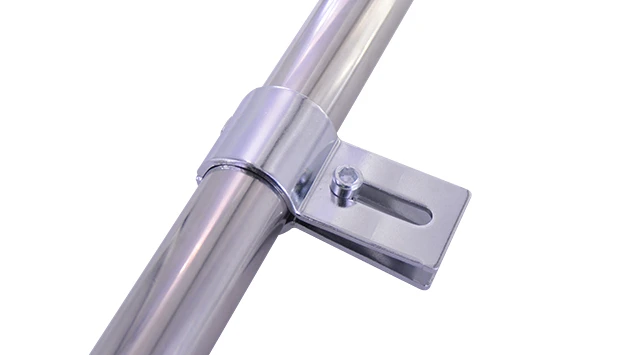
Lean Pipe Clamp B Chrome
Lean pipe clamp is used for turnover trolley, workbench, flowrack adjust the frame or fix some accessory.
Introduction: The Backbone of Flexible Lean Systems
In the world of manufacturing, where efficiency and adaptability can make or break a production line, lean systems have become the gold standard. These systems thrive on minimizing waste, streamlining workflows, and allowing teams to reconfigure spaces and processes quickly as needs change. At the heart of these systems lies a network of modular components—pipes, joints, workbenches, and clamps—that come together to form everything from assembly stations to material racks. Among these components, the Lean Pipe Clamp B Chrome stands out as a yet indispensable workhorse. It's the small but critical piece that holds lean pipe structures together, ensuring stability while maintaining the flexibility that makes lean manufacturing so powerful.
Whether you're setting up a new workbench on the factory floor, building a flow rack for material handling, or assembling a turnover trolley to transport parts between stations, chances are you'll reach for a Lean Pipe Clamp B Chrome. Its chrome-plated finish isn't just for show; it adds durability and resistance to the wear and tear of daily industrial use. But what exactly is this clamp, how does it work, and why is it a staple in lean systems worldwide? Let's dive in and explore its basic components, assembly process, and the role it plays in keeping production lines running smoothly.
Basic Components: What Makes Up a Lean Pipe Clamp B Chrome?
At first glance, the Lean Pipe Clamp B Chrome might seem simple—and in many ways, that's the point. Its design prioritizes functionality, ease of use, and compatibility with standard lean pipe systems. Let's break down its key components and understand how each part contributes to its performance.
Note: Lean Pipe Clamp B Chrome is part of a broader ecosystem of lean pipe and accessories , which includes pipes, joints, casters, and workbench components. Its design is standardized to work seamlessly with these parts, ensuring that teams can mix and match components without compatibility issues.
1. The Clamp Body
The core of the Lean Pipe Clamp B Chrome is its clamp body, typically made from high-grade steel. Steel is chosen for its strength—this component needs to hold pipes firmly in place, even when supporting heavy loads like tools, materials, or finished products. The body is shaped to wrap around the outer diameter of a lean pipe, with a semi-circular groove that matches the pipe's curvature. This ensures maximum contact between the clamp and the pipe, reducing slippage and enhancing stability.
2. Chrome Plating
The "chrome" in the name refers to the electroplated chromium finish applied to the steel body. This isn't just an aesthetic choice; chrome plating adds a layer of protection against corrosion, rust, and scratches. In manufacturing environments where spills, humidity, or exposure to chemicals are common, this finish the clamp's lifespan significantly. It also makes the surface easier to clean—wiping away dust, oil, or debris with a cloth is all it takes to keep the clamp looking and functioning like new.
3. Clamping Mechanism
What sets the Lean Pipe Clamp B apart from simpler pipe fasteners is its adjustable clamping mechanism. Most models feature a bolt or screw that, when tightened, draws the two ends of the clamp body together, securing the pipe in place. The mechanism is designed to be user-friendly: a standard hex key (often included with the clamp) is all you need to tighten or loosen it. This adjustability is crucial for lean systems, where reconfiguring a structure might require moving clamps to new positions or swapping out pipes of different lengths.
4. Mounting Points
Many Lean Pipe Clamp B Chrome models include additional mounting points or holes in the clamp body. These allow the clamp to be attached to other components, such as workbench surfaces, shelves, or lean pipe joints (like 90° or 45° joints for corner connections). For example, if you're building a workbench, you might use these mounting points to secure the clamp to the bench's frame, ensuring the entire structure stays rigid during use.
5. Compatibility Features
To work with the wide range of lean pipes available, the Lean Pipe Clamp B Chrome is designed to fit standard pipe diameters. Most commonly, it's compatible with 28mm (1.1-inch) lean pipes, which are the industry standard for lean systems. This includes 1.5mm PE coated lean pipe —a popular choice for its durability and lightweight properties. The clamp's groove is precisely sized to grip these pipes without damaging their outer coating, ensuring a snug fit that won't slip even under vibration or movement.
| Component | Material | Function |
|---|---|---|
| Clamp Body | High-grade steel | Forms the structural core; wraps around and grips the lean pipe |
| Chrome Plating | Electroplated chromium | Resists corrosion, rust, and scratches; eases cleaning |
| Clamping Mechanism (Bolt/Screw) | Steel (often zinc-plated) | Tightens to secure the pipe; allows for easy adjustment or removal |
| Mounting Points | Integral to steel body | Enables attachment to other components (joints, workbenches, etc.) |
Key Features: Why Choose the Chrome-Plated Version?
With so many pipe clamps on the market, why has the Lean Pipe Clamp B Chrome become a go-to for lean system builders? Its popularity stems from a few key features that address the unique demands of manufacturing environments:
1. Durability in Harsh Conditions
Manufacturing floors are tough on equipment. Spills, humidity, and constant handling can take a toll on metal components, leading to rust and degradation over time. The chrome plating on the Lean Pipe Clamp B acts as a barrier, preventing moisture and corrosive substances from reaching the underlying steel. This makes the clamp ideal for use in environments like automotive plants, food processing facilities, or electronics assembly lines—where cleanliness and longevity are priorities.
2. Reusability and Flexibility
Lean manufacturing is all about adaptability. A production line that works today might need to be rearranged next month to accommodate a new product or process. The Lean Pipe Clamp B Chrome supports this flexibility by being fully reusable. Unlike welded connections or permanent adhesives, these clamps can be loosened, removed, and reinstalled in new configurations with minimal effort. This not only saves time but also reduces waste, as components can be repurposed rather than discarded.
3. Secure Grip Without Pipe Damage
One common concern with pipe clamps is that over-tightening can dent or damage the pipe, especially if it's coated (like PE coated lean pipe). The Lean Pipe Clamp B Chrome's design mitigates this risk. The semi-circular groove in the clamp body distributes pressure evenly around the pipe's circumference, reducing the chance of deformation. Additionally, the clamping mechanism allows for precise control—you can tighten the clamp just enough to hold the pipe securely without overdoing it.
4. Compatibility Across Lean Systems
As part of the broader lean pipe and accessories family, the Lean Pipe Clamp B Chrome is designed to work with standard lean pipe sizes and components. Whether you're using it with a 90° lean pipe joint to build a corner structure or attaching it to a workbench frame, you can trust that the clamp will fit seamlessly. This interoperability is a cornerstone of lean systems, as it allows teams to source components from different suppliers without worrying about mismatched parts.
Assembly Process Guide: How to Install Lean Pipe Clamp B Chrome
Installing a Lean Pipe Clamp B Chrome is straightforward, even for those new to lean system assembly. With a few basic tools and a little attention to detail, you can have your clamp secured and your structure stable in minutes. Below is a step-by-step guide to the assembly process, along with tips to ensure a safe and effective installation.
Tools You'll Need
- Lean Pipe Clamp B Chrome (quantity depends on your project)
- Lean pipe (e.g., 1.5mm PE coated lean pipe, cut to your desired length)
- Hex key (size varies by clamp model; often 5mm or 6mm)
- Tape measure or ruler (for aligning pipes)
- Level (to ensure structures are straight and stable)
- Optional: Rubber mallet (for gently tapping pipes into alignment)
Step 1: Prepare Your Workspace and Materials
Start by clearing a flat, stable surface to work on—this could be a workbench, a clean section of the factory floor, or even a large table. Lay out your lean pipes, clamps, and any additional components (like lean pipe joints or workbench panels) so they're easy to access. If you're building a larger structure (e.g., a flow rack or turnover trolley), measure and mark where each clamp will go on the pipes. This helps ensure alignment and prevents mistakes later.
Step 2: Position the Clamp on the Pipe
Take one of your lean pipes and slide the Lean Pipe Clamp B Chrome onto it. The clamp should move freely along the pipe at first—you'll tighten it later. Position the clamp at the marked location (if you measured) or where you want the connection to be. For example, if you're attaching a horizontal pipe to a vertical support, place the clamp on the horizontal pipe where it will meet the vertical one.
Step 3: Align with the Second Pipe or Component
Next, bring in the second pipe or component you're connecting. If you're using a lean pipe joint (e.g., a 90° joint to create a corner), insert the second pipe into the joint first, then position the joint so that it meets the clamp on the first pipe. Ensure the pipes are straight and aligned correctly—use a level if needed to avoid building a wobbly structure. For workbench assembly, this might mean aligning the clamp with a pre-drilled hole in the bench frame.
Step 4: Tighten the Clamping Mechanism
Once everything is aligned, take your hex key and insert it into the bolt or screw on the clamp. Turn the key clockwise to tighten the clamp. Apply firm, steady pressure—you want the clamp to grip the pipe securely, but be careful not to over-tighten, as this could damage the pipe's coating or strip the bolt. A good rule of thumb is to tighten until you feel resistance, then give the key a quarter-turn more to ensure a snug fit.
Step 5: Test Stability and Make Adjustments
After tightening the clamp, gently shake the connected pipes to test stability. If there's any wobbling or movement, check the alignment and tighten the clamp a bit more. If the clamp slips, ensure the pipe is clean (debris or oil can reduce grip) and that the clamp is positioned correctly. Repeat this process for all clamps in your structure, double-checking alignment and tightness as you go.
Pro Tip: For large structures like turnover trolley and rack assemblies, tighten clamps in a crisscross pattern (like tightening lug nuts on a car wheel). This distributes pressure evenly and prevents the structure from warping as you build.
Step 6: Final Inspection
Once all clamps are installed, do a final walk-around of your structure. Check that all connections are tight, pipes are aligned, and the structure feels stable. If you're building a workbench, place some weight on it (e.g., tools or materials) to simulate real-world use and ensure it holds. If everything checks out, your Lean Pipe Clamp B Chrome connections are ready for action.
Applications: Where You'll Find Lean Pipe Clamp B Chrome in Action
The versatility of the Lean Pipe Clamp B Chrome makes it a staple in countless lean manufacturing setups. Here are a few common applications where these clamps shine:
1. Workbench Assembly
Workbenches are the heart of many production lines, and lean pipe workbenches are prized for their customizability. The Lean Pipe Clamp B Chrome is used to connect the bench's frame, attach shelves, or add accessories like tool holders. For example, a workbench with a single deck (without casters) might use these clamps to secure the legs to the tabletop frame, ensuring stability even during heavy assembly work.
2. Flow Racks and Material Handling
Flow racks use gravity to move materials from the back to the front, reducing the need for manual lifting. The frame of these racks is often built with lean pipes and connected using Lean Pipe Clamp B Chrome. The clamps secure the vertical supports and horizontal rails, while roller tracks (another key component in lean systems) are attached to the rails to allow materials to slide smoothly. In busy warehouses, these racks keep inventory organized and accessible, with the clamps ensuring the structure holds up to constant loading and unloading.
3. Turnover Trolleys
Turnover trolleys are used to transport parts, tools, or finished products between workstations. Their frames need to be strong enough to carry heavy loads but light enough to be pushed around easily. Lean Pipe Clamp B Chrome helps achieve this balance by securely connecting lightweight lean pipes into a rigid frame. Casters are often attached to the bottom using the same clamps, making the trolley mobile and easy to maneuver.
4. Production Line Cages and Partitions
In manufacturing plants, safety is paramount. Lean pipe systems are sometimes used to build temporary cages or partitions around machinery or hazardous areas. The Lean Pipe Clamp B Chrome ensures these structures are stable enough to withstand accidental bumps or impacts, keeping workers safe without sacrificing the ability to disassemble or reconfigure the barriers when needed.
Maintenance and Care: Keeping Your Clamps in Top Shape
Like any tool or component, the Lean Pipe Clamp B Chrome will last longer and perform better with a little regular maintenance. Here are some simple steps to keep your clamps in good condition:
1. Clean Regularly
The chrome finish is easy to clean—simply wipe the clamps with a damp cloth to remove dust, oil, or debris. For tougher grime, use a mild detergent (avoid harsh chemicals, as they can damage the chrome). Dry the clamps thoroughly after cleaning to prevent water spots or corrosion.
2. Check for Loose Bolts
Over time, vibration from machinery or frequent use can cause the clamping bolts to loosen. Periodically inspect your lean structures and tighten any loose clamps with a hex key. This simple step prevents slippage and ensures the structure remains stable.
3. replace Damaged Clamps
If a clamp's chrome plating is chipped or scratched (exposing the steel underneath), or if the clamping mechanism is stripped, replace the clamp immediately. Damaged clamps are less secure and more prone to corrosion, which can compromise the entire structure.
4. Store Properly When Not in Use
If you're not using your clamps right away, store them in a dry, cool place. Avoid leaving them on the factory floor or in areas where they might be stepped on or crushed. A small toolbox or bin works well for keeping clamps organized and protected.
Conclusion: The Unsung Hero of Lean Manufacturing
In the grand scheme of lean manufacturing, the Lean Pipe Clamp B Chrome might not get the same attention as high-tech machinery or automated systems. But without it, the flexible, modular lean systems that drive efficiency and innovation in factories worldwide would simply fall apart. It's a small component with a big job: holding things together while still allowing for change.
From its durable steel body and corrosion-resistant chrome finish to its easy-to-use clamping mechanism, every aspect of the Lean Pipe Clamp B Chrome is designed with the needs of manufacturers in mind. It works seamlessly with lean pipe and accessories , supports a wide range of applications (from workbenches to turnover trolleys), and stands up to the rigors of daily industrial use. Whether you're a seasoned production manager or a new team member setting up your first lean structure, understanding how to use and care for these clamps is key to building systems that are not just efficient, but adaptable and long-lasting.
So the next time you walk past a lean pipe workbench or a flow rack on the factory floor, take a moment to appreciate the small, shiny clamps holding it all together. They might not be glamorous, but they're the unsung heroes keeping lean manufacturing moving forward—one secure connection at a time.