- Company Articles
- Products and Technology
- Product knowledge
- Lean Pipe Clamp B Chrome for High-Moisture Areas: Key Considerations

Lean Pipe Clamp B Chrome for High-Moisture Areas: Key Considerations
Related Product
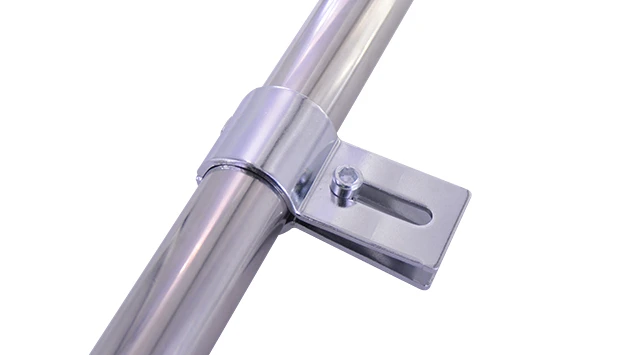
Lean Pipe Clamp B Chrome
Lean pipe clamp is used for turnover trolley, workbench, flowrack adjust the frame or fix some accessory.
Step into a pharmaceutical manufacturing facility, and you'll feel the hum of precision—machines whirring, workers in sterile gear moving with purpose. But beneath that efficiency lies a silent threat: moisture. Whether from humidity-controlled cleanrooms, daily sanitization sprays, or coastal air carrying salt particles, high-moisture environments are unforgiving to industrial equipment. For teams building lean manufacturing systems—those carefully designed setups of workbenches, flow racks, and conveyor lines—choosing components that can stand up to dampness isn't just about avoiding rust; it's about protecting productivity, safety, and the bottom line. One component that often takes center stage in these systems is the Lean Pipe Clamp B Chrome. Small in size but mighty in function, this clamp is a workhorse for connecting pipes, building frames, and stabilizing structures. But using it in high-moisture areas requires more than just picking it off a shelf. Let's explore the critical factors that will ensure your Lean Pipe Clamp B Chrome performs when the going gets wet.
1. The Hidden Risks of High-Moisture Environments
Before diving into the specifics of the Lean Pipe Clamp B Chrome, it's important to understand why moisture is such a formidable opponent. In industrial settings, "high-moisture" can mean many things: relative humidity hovering above 70%, frequent exposure to water (think hosing down workstations in food processing plants), or even corrosive liquids like cleaning agents with high pH levels. Each of these scenarios attacks metal components in unique ways.
Take rust, for example. When iron-based metals (like the steel often used in lean pipes) react with oxygen and moisture, they form iron oxide—better known as rust. Rust doesn't just look unsightly; it weakens the metal, turning rigid pipes into brittle liabilities. In a lean system, where stability is key (imagine a conveyor line holding heavy products), a rusted clamp could lead to structural failure, downtime, or worse, safety hazards. But moisture doesn't stop at rust. It can also degrade protective coatings, loosen joints, and even cause electrical issues if components are near wiring. For facilities like coastal factories, salt-laden air amplifies these problems, accelerating corrosion even on supposedly "resistant" materials.
The bottom line? In high-moisture areas, every component choice is a bet on durability. And when it comes to connecting pipes—the backbone of any lean setup—that bet starts with the clamp.
2. What Makes Lean Pipe Clamp B Chrome a Go-To Choice?
If you've spent any time around lean manufacturing systems, you've likely encountered the Lean Pipe Clamp B Chrome. It's a staple for a reason: versatile, easy to install, and designed to hold pipes securely in place. But what exactly sets it apart, especially in wet conditions?
First, let's break down its design. The "B" in its name often refers to its shape—typically a two-piece clamp with a U-shaped base and a top plate, secured by bolts. This design allows it to grip pipes tightly, whether you're building a workbench, a material rack, or a custom conveyor frame. The "Chrome" part is where things get interesting for moisture resistance. Unlike uncoated steel clamps or those with basic paint, the Lean Pipe Clamp B Chrome undergoes a chrome-plating process. This involves electroplating a thin layer of chromium onto the steel base, creating a barrier that repels water and resists corrosion.
But chrome plating isn't just about looks (though its shiny finish does make it easy to spot signs of wear). Chromium is naturally resistant to oxidation, meaning it doesn't rust when exposed to moisture. This makes the clamp a step up from standard zinc-plated alternatives, which can corrode if their coating is scratched. For high-moisture areas, that extra layer of protection can mean the difference between a clamp that lasts five years and one that fails in six months.
Of course, the Lean Pipe Clamp B Chrome doesn't work alone. It's part of a larger ecosystem of lean components, including pipes, joints, and accessories. To truly thrive in wet conditions, it needs to pair well with these partners—a topic we'll explore later. But first, let's dig into the material science behind what makes this clamp tick.
3. Material Matters: Chrome Plating vs. the Competition
Not all metal coatings are created equal, and when it comes to moisture resistance, the details of the Lean Pipe Clamp B Chrome's plating matter. Let's start with how chrome plating works. During manufacturing, the steel clamp is dipped into a chromic acid solution and subjected to an electric current, which deposits a layer of chromium atoms onto the surface. The thickness of this layer—usually between 0.0001 and 0.001 inches—directly impacts durability. Thicker plating offers better protection but can be more brittle, while thinner layers may wear off faster in high-friction environments (like clamps that are adjusted or tightened frequently).
So how does chrome stack up against other common coatings? Let's compare:
- Zinc plating: Often cheaper than chrome, zinc provides basic corrosion resistance by acting as a sacrificial layer (it rusts before the steel does). But in high-moisture areas, zinc can develop white rust (zinc oxide) quickly, especially if the coating is thin or scratched.
- Powder coating: A dry powder applied electrostatically and baked on, powder coating creates a thick, durable finish. While it resists chips and scratches well, it's not impervious to moisture. If water seeps through a crack in the powder, it can rust the steel underneath, and the coating may bubble or peel.
- Stainless steel: Stainless steel contains chromium (at least 10.5%), which forms a passive oxide layer that resists corrosion. It's excellent for wet areas but often more expensive than chrome-plated steel. For clamps, which are often low-cost components, stainless steel may be overkill unless the environment is extremely harsh (like constant submersion).
Chrome plating hits a sweet spot: it's more affordable than stainless steel, more durable than zinc or powder coating in wet conditions, and its smooth surface makes it easy to clean (a big plus for facilities with strict sanitization protocols). That said, it's not invincible. If the chrome layer is damaged—say, from a dropped tool that scratches the surface—moisture can reach the steel underneath, leading to rust. This is why proper handling and installation (more on that later) are critical.
4. Compatibility: Pairing Clamps with Pipes and Joints
A clamp is only as good as the system it's part of. In lean manufacturing setups, the Lean Pipe Clamp B Chrome is typically used to connect pipes—often steel, aluminum, or stainless steel—to build structures. But not all pipes and joints play well with chrome-plated clamps in high-moisture areas. Let's break down the key pairings to consider.
Lean Pipe Joints: The Unsung Heroes
No clamp works alone, and the lean pipe joint is its closest partner. These small, often plastic or metal connectors join pipes at angles, forming the "bones" of a lean system. When using Lean Pipe Clamp B Chrome in wet conditions, the material of the joint matters as much as the clamp itself. For example, plastic joints (like those made from nylon) are naturally resistant to moisture and won't rust, but they can degrade over time if exposed to harsh chemicals. Metal joints, on the other hand, may need their own corrosion protection—like being made from stainless steel or plated with chrome to match the clamp.
The fit between the clamp and joint is equally important. A loose connection creates gaps where moisture can collect, turning a tight joint into a rust trap. Look for clamps with adjustable tension (many Lean Pipe Clamp B Chrome models have slotted bolt holes) to ensure a snug fit, even as pipes expand or contract with temperature changes. And when assembling, avoid over-tightening—this can crack plastic joints or strip threads, creating new entry points for water.
Pipes: Steel, Aluminum, or Stainless Steel?
The type of pipe you're clamping also affects performance in high-moisture areas. Let's compare the most common options:
- Steel pipes (with or without coating): Traditional lean pipes are often steel, sometimes coated with PE (polyethylene) for added protection. While PE coating resists moisture, it can scratch, exposing the steel underneath. When paired with Lean Pipe Clamp B Chrome, ensure the pipe's coating is intact—any nick or scrape is a potential rust spot.
- Aluminum profile pipes: Aluminum is naturally corrosion-resistant, thanks to a thin oxide layer that forms on its surface. This makes it a great choice for high-moisture areas. When using aluminum pipes with chrome clamps, check that the clamp's grip is firm but not so tight that it damages the aluminum's oxide layer (which could lead to pitting).
- Stainless steel pipe series: For the ultimate in moisture resistance, stainless steel pipes are hard to beat. They're ideal for coastal or chemical-heavy environments. When paired with Lean Pipe Clamp B Chrome, the combination is a moisture-fighting dream team—just ensure the clamp's bolts are also stainless steel (or chrome-plated) to avoid galvanic corrosion (a reaction between dissimilar metals in the presence of moisture).
The takeaway? Don't mix and match materials blindly. A chrome-plated clamp on a rust-prone steel pipe is a recipe for failure, even if the clamp itself is moisture-resistant. For high-moisture areas, consider upgrading to stainless steel pipe series or aluminum profile pipes, and always pair them with joints that can stand up to dampness.
5. Installation: Getting It Right the First Time
Even the best clamp will fail if installed incorrectly—especially in high-moisture areas. Installation mistakes like over-tightening, using damaged components, or ignoring gaps can turn a moisture-resistant setup into a corrosion nightmare. Here's how to avoid common pitfalls.
Pre-Installation Checks
Before you even pick up a wrench, inspect your Lean Pipe Clamp B Chrome for signs of damage. Look for scratches in the chrome plating, dents in the steel, or bent bolts—any of these can compromise performance. If the clamp came with a protective plastic film (common for chrome-plated parts), remove it carefully to avoid scratching the surface. Next, check the pipes and joints you'll be using: are there any rust spots, cracks, or worn coatings? replace any damaged components before assembly—cutting corners here will cost you later.
Torque: Tight, But Not Too Tight
One of the biggest installation mistakes is over-tightening the clamp's bolts. While it's tempting to crank down hard to ensure a "secure" fit, this can stretch the bolts, damage the chrome plating (as the metal flexes), or even crack plastic joints. Most manufacturers provide torque specifications for their clamps—for example, 15-20 Nm for M8 bolts. Invest in a torque wrench to get this right; it's a small tool that will save you from big headaches.
Sealing the Deal: Gaps and Crevices
Moisture loves to hide in small spaces—in the gap between a clamp and a pipe, under a bolt head, or where two joints meet. To combat this, consider using anti-corrosion sealant on bolt threads or between the clamp and pipe. Look for sealants rated for industrial use and compatible with chrome (avoid acidic sealants, which can eat away at the plating). For extra protection, wrap pipe threads with Teflon tape before connecting joints—this creates a water-tight barrier.
Another trick? Install clamps in a way that minimizes water pooling. For example, when mounting a clamp on a horizontal pipe, position the bolt head facing downward so water doesn't collect on top of it. Similarly, avoid leaving gaps between the clamp and pipe where moisture can seep in. A snug, even fit is your best defense.
6. Maintenance: Keeping Clamps (and Systems) Healthy
Even with perfect installation, high-moisture environments demand regular maintenance. Think of your lean system like a car—skip the oil changes, and you'll be stuck on the side of the road. Here's how to keep your Lean Pipe Clamp B Chrome (and the rest of your setup) in top shape.
Regular Inspections
Set a schedule for checking clamps—monthly is a good start for high-moisture areas. During inspections, look for:
- Rust spots: Even tiny specks of rust on the chrome plating are a red flag—they mean moisture has breached the coating. Scrub them gently with a wire brush and apply a rust-inhibiting spray to stop spread.
- Loose bolts: Moisture can cause metal to expand and contract, loosening bolts over time. Tighten any loose bolts to the manufacturer's torque specs.
- Damaged chrome: Scratches or peeling chrome expose the steel underneath. If the damage is small, touch it up with a chrome-specific paint pen. For larger areas, replace the clamp—don't risk structural failure.
Cleaning: Less Is More
In facilities that require frequent cleaning (like food or pharmaceutical plants), avoid harsh chemicals on chrome-plated clamps. Bleach, ammonia, or acidic cleaners can strip the chrome plating, leaving steel vulnerable. Instead, use mild soap and water, and dry the clamps thoroughly with a lint-free cloth. For stubborn grime, a soft-bristle brush (like an old toothbrush) works wonders—just don't scrub so hard you scratch the chrome.
When to replace
No clamp lasts forever, even with perfect care. If you notice any of these signs, it's time to swap in a new Lean Pipe Clamp B Chrome:
- Rust that can't be removed (it's spread beneath the chrome plating).
- Bent or cracked steel (the clamp no longer holds pipes securely).
- Stripped bolt threads (the clamp can't be tightened properly).
Replacing a clamp is far cheaper than repairing a collapsed workbench or dealing with downtime, so don't delay.
7. Real-World Success: Lean Pipe Clamp B Chrome in Action
To put these considerations into context, let's look at a real-world example. A mid-sized food processing plant in Florida (think high humidity + daily sanitization) was struggling with rusted lean system components. Their original setup used zinc-plated clamps and standard steel pipes, and within six months, clamps were rusting, joints were loosening, and workbenches needed constant repairs. The plant manager reached out to a lean pipe supplier, who recommended switching to Lean Pipe Clamp B Chrome paired with stainless steel pipe series and plastic joints.
The results? After a year, the new system showed minimal signs of corrosion. The chrome-plated clamps held up to daily hose-downs, and the stainless steel pipes resisted rust even in the humid air. The key, the supplier noted, was not just the clamp choice but the entire ecosystem: using compatible materials, sealing joints with Teflon tape, and training staff to inspect clamps monthly. Today, the plant saves thousands in replacement parts and downtime—proof that the right considerations pay off.
8. Key Considerations at a Glance
| Consideration | Why It Matters | Action Step |
|---|---|---|
| Chrome Plating Quality | Thin or damaged plating leads to rust. | Inspect clamps for scratches before installation; avoid abrasive cleaners. |
| Material Pairings | Mixing rust-prone pipes with chrome clamps causes system failure. | Pair with stainless steel pipe series or aluminum profile pipes; use moisture-resistant joints. |
| Installation Technique | Over-tightening or gaps let moisture seep in. | Use torque wrenches; apply sealant on threads; position clamps to avoid water pooling. |
| Regular Maintenance | Moisture accelerates wear—catching issues early saves money. | Inspect monthly for rust, loose bolts, and damaged plating; clean with mild soap. |
9. Conclusion: Protecting Your System, One Clamp at a Time
In high-moisture environments, every component in your lean system is a line of defense against corrosion. The Lean Pipe Clamp B Chrome, with its chrome plating and durable design, is a strong ally—but it's not a silver bullet. Success depends on choosing the right materials (stainless steel pipe series, aluminum profiles), installing with care (sealant, proper torque), and maintaining vigilantly (monthly inspections, gentle cleaning). By keeping these considerations in mind, you'll build a system that doesn't just withstand moisture—it thrives in it.
At the end of the day, the goal is simple: to keep your lean system running smoothly, safely, and efficiently, no matter what the environment throws at it. And when it comes to clamps, that means looking beyond the price tag and focusing on the factors that truly matter—because in high-moisture areas, cutting corners today costs you tomorrow.