- Company Articles
- Products and Technology
- Application Cases
- Lean Pipe Clamp B Chrome in Automotive Manufacturing: Assembly Line Applications

Lean Pipe Clamp B Chrome in Automotive Manufacturing: Assembly Line Applications
Related Product
Lean Pipe Clamp B Chrome
Lean pipe clamp is used for turnover trolley, workbench, flowrack adjust the frame or fix some accessory.
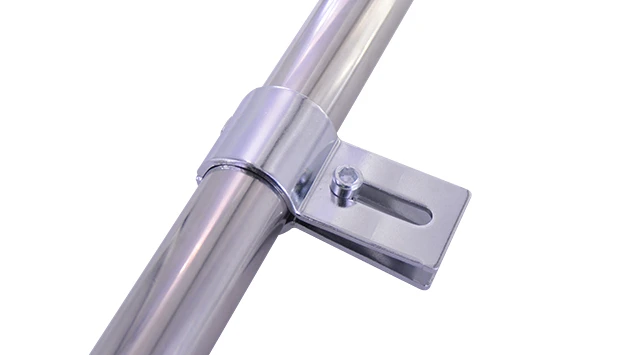
In the fast-paced world of automotive manufacturing, where precision, efficiency, and adaptability are non-negotiable, every component on the assembly line plays a critical role. From the smallest fastener to the largest conveyor system, each part contributes to the seamless flow of production—turning raw materials into finished vehicles that roll off the line with clockwork reliability. Among these unsung heroes are the connectors and fasteners that hold the physical infrastructure together: workbenches, flow racks, material trolleys, and conveyor systems. Today, we shine a spotlight on one such component that has quietly revolutionized how automotive plants build and adapt their assembly lines: the Lean Pipe Clamp B Chrome . More than just a simple fastener, this unassuming tool is a cornerstone of modern lean system implementation, offering the durability, flexibility, and reliability that automotive manufacturers demand.
Understanding the Role of Lean Systems in Automotive Assembly
Before diving into the specifics of Lean Pipe Clamp B Chrome, it's essential to ground ourselves in the principles of lean manufacturing—a methodology that has become the backbone of automotive production worldwide. At its core, lean manufacturing is about eliminating waste, optimizing flow, and continuous improvement. In automotive assembly, where production lines often span hundreds of meters and involve thousands of parts, even small inefficiencies can snowball into costly delays, missed deadlines, or compromised quality.
Lean systems address these challenges by designing workflows that prioritize value-added activities. This means minimizing unnecessary movement of materials, reducing setup times between production runs, and ensuring that every workstation is ergonomically designed to keep workers safe and productive. Central to this is the concept of "modularity"—the ability to reconfigure workspaces, racks, and conveyors quickly to adapt to changing production needs, whether that's shifting to a new car model, scaling up output, or accommodating a temporary process adjustment.
Enter the physical infrastructure that supports these lean goals: lean pipe workbenches , flow racks, roller tracks, and mobile trolleys. These structures are built using lightweight yet sturdy pipes (often steel, aluminum, or chrome-plated steel) and connectors that allow for quick assembly, disassembly, and reconfiguration. And at the heart of these connections? Clamps like the Lean Pipe Clamp B Chrome. Unlike rigid, permanent fasteners, these clamps offer a balance of strength and flexibility, making them ideal for environments where change is constant.
What Is Lean Pipe Clamp B Chrome? A Closer Look at Design and Durability
At first glance, the Lean Pipe Clamp B Chrome might seem like a simple piece of hardware, but its design is a masterclass in functional engineering. Let's break down its key features and why they matter in automotive settings:
Material: Chrome-Plated Steel for Longevity
Automotive assembly lines are harsh environments. Oils, coolants, lubricants, and occasional spills are part of daily operations, not to mention the constant vibration from machinery and the wear and tear of frequent adjustments. For a clamp to survive here, it needs to resist corrosion, withstand heavy loads, and maintain its grip over time. The Lean Pipe Clamp B Chrome delivers on all fronts. Constructed from high-grade steel with a thick chrome plating, it forms a barrier against moisture and chemicals, preventing rust and degradation. This isn't just about aesthetics—chrome plating ensures the clamp remains functional for years, even in high-humidity or messy work zones, reducing the need for frequent replacements and cutting maintenance costs.
Ergonomic Design: Quick Installation, No Special Tools
One of the biggest time drains in manufacturing is waiting for specialized tools or skilled technicians to assemble or adjust equipment. The Lean Pipe Clamp B Chrome is designed to eliminate this bottleneck. Its intuitive, tool-free (or minimal-tool) tightening mechanism allows line workers or maintenance staff to secure or loosen connections in seconds. Most models feature a hand-tightened lever or a simple hex-key slot that can be adjusted with a standard wrench—no need for torque guns or complex calibrations. This speed is a game-changer during line reconfigurations, where every minute saved translates to more uptime and higher productivity.
Secure Grip: Preventing Slippage and Instability
A loose clamp isn't just an inconvenience; it's a safety hazard. On an automotive assembly line, a wobbly workbench could cause tools to fall, or a unstable flow rack might lead to parts tumbling onto the floor—risking damage to components or injury to workers. The Lean Pipe Clamp B Chrome addresses this with a precision-engineered grip. Its inner surface often features serrations or rubberized padding that bite into the lean pipe, creating a friction fit that resists slippage even under heavy loads or vibration. During testing, these clamps have been shown to maintain their hold under static loads of up to 500 kg and dynamic loads (like the movement of parts on a roller track ) of 200 kg, making them reliable for even the most demanding applications.
Compatibility: Works Seamlessly with Standard Lean Pipes
Automotive plants rarely use one-size-fits-all equipment, and their lean infrastructure is no exception. Lean pipes come in various diameters (common sizes include 28mm, 30mm, and 40mm), materials (steel, aluminum, stainless steel), and finishes. The Lean Pipe Clamp B Chrome is designed to be compatible with most standard lean pipe sizes, thanks to adjustable jaws or modular inserts that can accommodate minor variations. This versatility means plants don't have to overhaul their existing pipe inventory to switch to these clamps—they can integrate them into their current setup, reducing transition costs and minimizing disruption.
Assembly Line Applications: How Lean Pipe Clamp B Chrome Drives Efficiency
Now that we understand what makes the Lean Pipe Clamp B Chrome unique, let's explore how it's applied in real-world automotive assembly lines. From workstations to material handling, its impact is felt across multiple stages of production.
1. Building Flexible Workstations: The Backbone of Worker Productivity
Every automotive assembly line is dotted with workstations—dedicated areas where workers perform specific tasks, such as installing dashboards, wiring harnesses, or brake components. These workstations need to be tailored to the task at hand: the right height to prevent back strain, enough surface area for tools and parts, and easy access to materials. The Lean Pipe Clamp B Chrome is instrumental in building these workstations using lean pipe frames. For example, a lean pipe workbench might consist of a chrome-plated steel pipe frame, a wooden or metal top, and accessories like tool hooks, part bins, or overhead shelves—all connected via clamps.
What makes this setup so powerful is its adaptability. If a new task requires the workbench to be 10cm taller, or if a worker needs a side shelf added, the clamps can be loosened, the pipes repositioned, and the structure retightened in minutes. In contrast, traditional welded workbenches would require cutting, welding, and repainting—a process that could take hours or even days. For automotive plants producing multiple models (e.g., sedans, SUVs, and trucks on the same line), this flexibility is invaluable. A workstation configured for a sedan's door panel can be quickly adjusted for an SUV's larger door, ensuring the line keeps moving without costly downtime.
2. Streamlining Material Flow with Roller Tracks and Flow Racks
Material flow is the lifeblood of automotive assembly. Parts need to move from storage to the line, between workstations, and eventually to final inspection—all without delays or damage. Roller tracks and flow racks are the unsung heroes here, using gravity or powered rollers to move parts smoothly. But these systems are only as reliable as the connections holding them together. The Lean Pipe Clamp B Chrome plays a critical role in securing roller tracks to their support frames, ensuring alignment and stability.
Imagine a flow rack in the engine assembly area, holding heavy cylinder heads. Each level of the rack is a roller track, allowing workers to slide parts forward as needed. If the clamps securing the roller track to the rack's vertical pipes loosen, the track could tilt, causing parts to jam or slide off prematurely. The chrome-plated clamp's secure grip prevents this, maintaining the track's horizontal alignment even under the weight of multiple engine components. Additionally, when the plant needs to adjust the rack's height or add a new level to accommodate a different part size, the clamps make reconfiguration fast and straightforward—no welding, no drilling, just a quick twist to loosen, reposition, and retighten.
3. Mobile Trolleys: Keeping Parts Moving, Safely
Not all materials stay on fixed racks—many need to be transported across the plant, from the warehouse to the line or between distant workstations. Mobile trolleys, often built with lean pipes and caster wheels , are the solution here. These trolleys need to be sturdy enough to carry heavy loads (think batteries, transmissions, or body panels) while remaining easy to maneuver. The Lean Pipe Clamp B Chrome ensures the trolley's frame stays rigid, even when navigating uneven factory floors or tight corners.
For example, a trolley used to transport door panels might have a frame built from 30mm lean pipes, with a mesh shelf to hold the panels securely. The clamps connect the vertical and horizontal pipes at each corner, creating a square, stable structure. When the trolley hits a bump, the clamps absorb the shock without loosening, preventing the frame from warping or the shelf from detaching. And when the plant switches to a larger door panel model, the trolley can be modified by adding an extra horizontal bar—again, using the same clamps—to raise the shelf height, ensuring the panels fit without damage.
The Benefits of Lean Pipe Clamp B Chrome: Beyond the Basics
While its primary role is to connect and secure, the Lean Pipe Clamp B Chrome offers a host of secondary benefits that make it a standout choice for automotive manufacturers. Let's explore these advantages in detail:
Cost Savings: Reducing Replacement and Downtime
Automotive manufacturing is a low-margin industry—every dollar saved counts. The Lean Pipe Clamp B Chrome delivers cost savings in two key ways: longevity and reduced downtime. Its chrome-plated steel construction resists corrosion and wear, meaning it lasts 3-5 times longer than unplated steel clamps, which rust and degrade quickly in messy environments. Fewer replacements mean lower procurement costs and less time spent on maintenance. Additionally, its tool-free adjustment cuts reconfiguration time by up to 70% compared to traditional fasteners, keeping the line running and boosting overall productivity.
Safety First: Minimizing Risks for Workers
Safety is paramount in automotive plants, where heavy machinery, moving parts, and repetitive tasks create constant risks. A loose clamp can lead to falling equipment, jamming conveyors, or unstable work surfaces—all potential hazards. The Lean Pipe Clamp B Chrome's secure grip and durability minimize these risks. Its smooth, chrome-plated surface also reduces the chance of snags or cuts, unlike rough, unplated steel clamps that can have sharp edges. For workers who adjust equipment regularly, the ergonomic tightening mechanism (often a large, easy-to-grip lever) reduces hand strain, making it safer to use multiple times a day.
Sustainability: Reusability and Waste Reduction
Modern automotive manufacturers are under increasing pressure to reduce their environmental footprint. The Lean Pipe Clamp B Chrome aligns with sustainability goals by being fully reusable. When a workstation or rack is no longer needed, the clamps can be disassembled, cleaned, and reused on new projects—unlike welded connections, which are destroyed during disassembly and end up in landfills. This reusability reduces waste and lowers the demand for raw materials, making it a greener choice for forward-thinking plants.
Comparing Lean Pipe Clamp B Chrome to Other Clamp Types
To truly appreciate the value of the Lean Pipe Clamp B Chrome, it helps to compare it to other common clamp types used in automotive manufacturing. Below is a table breaking down key differences in material, performance, and suitability for assembly line use:
| Clamp Type | Material | Corrosion Resistance | Load Capacity (Max) | Installation Time (Min per Clamp) | Reusability | Best For |
|---|---|---|---|---|---|---|
| Lean Pipe Clamp B Chrome | Chrome-plated steel | High (resists oils, coolants) | 500 kg (static), 200 kg (dynamic) | 30 seconds (tool-free) | High (unlimited disassembly/reassembly) | High-variability assembly lines, messy environments |
| Standard Steel Clamp (Unplated) | Mild steel | Low (prone to rust) | 450 kg (static), 180 kg (dynamic) | 2 minutes (requires wrench) | Medium (threads wear with reuse) | Indoor, dry storage areas with minimal adjustments |
| Aluminum Alloy Clamp | Aluminum alloy | Medium (resists corrosion but less durable) | 300 kg (static), 150 kg (dynamic) | 45 seconds (tool-free) | High (lightweight, easy to handle) | Light-duty workstations, cleanrooms, low-load applications |
As the table shows, the Lean Pipe Clamp B Chrome outperforms alternatives in key areas like corrosion resistance, load capacity, and installation speed—making it the clear choice for automotive assembly lines where durability and flexibility are non-negotiable.
Real-World Impact: A Case Study from a Mid-Size Automotive Plant
To put these benefits into context, let's look at a real-world example. A mid-sized automotive manufacturer in the Midwest, producing 50,000 vehicles annually, was struggling with frequent line stoppages due to workstation instability and slow reconfiguration times. Their existing setup relied on unplated steel clamps that rusted quickly in the plant's humid paint shop, leading to loose connections and wobbly workbenches. Reconfiguring workstations for new models took 4-6 hours per line, causing costly delays.
In 2023, the plant switched to Lean Pipe Clamp B Chrome for all new and existing lean pipe structures. Within six months, the results were striking: clamp-related downtime dropped by 65%, as the chrome plating prevented rust and the secure grip eliminated loose connections. Reconfiguration time for workstations fell to just 45 minutes, freeing up 12 hours of production time per model changeover. Workers also reported fewer hand strain injuries, and the plant reduced clamp replacement costs by 40% due to the clamps' reusability. "It's not just a clamp—it's a productivity multiplier," said the plant's operations manager. "We're now able to adjust lines faster, keep workers safer, and stay on schedule even with tight deadlines."
Maintenance Tips: Keeping Lean Pipe Clamp B Chrome in Top Shape
Like any tool, the Lean Pipe Clamp B Chrome performs best with regular maintenance. Here are simple steps to ensure longevity and reliability:
- Weekly Inspections: Check clamps for signs of wear, such as cracks in the chrome plating, bent levers, or stripped threads. Tighten any loose connections with a standard wrench (avoid over-tightening, as this can damage the pipe).
- Monthly Cleaning: Wipe clamps with a damp cloth to remove oil, grease, or debris. For heavy buildup, use a mild detergent—avoid abrasive cleaners, which can scratch the chrome plating.
- Lubrication: Apply a small amount of dry lubricant (like graphite powder) to the clamp's moving parts (e.g., the hinge or tightening mechanism) every three months to ensure smooth operation.
- replace When Needed: If a clamp shows signs of severe damage (e.g., a cracked body or seized lever), replace it immediately. A compromised clamp risks the stability of the entire structure.
Future Trends: Lean Pipe Clamp B Chrome in the Age of Smart Manufacturing
As automotive manufacturing evolves—with the rise of electric vehicles, autonomous production, and Industry 4.0 technologies—the role of components like the Lean Pipe Clamp B Chrome is set to grow. One emerging trend is the integration of smart sensors into clamps to monitor tightness in real time. Imagine a clamp with a built-in RFID tag or strain gauge that alerts maintenance staff when it starts to loosen, preventing failures before they happen. While still in development, this could further reduce downtime and improve predictive maintenance.
Another trend is the use of lightweight, high-strength alloys in clamp construction, combining the durability of steel with the weight savings of aluminum. This would make clamps easier to handle while maintaining load capacity—a boon for workers assembling large structures. Finally, as plants adopt more modular, cell-based production (where small teams build entire subassemblies), the demand for fast, tool-free clamps like the Lean Pipe Clamp B Chrome will only increase, as these cells need to reconfigure constantly to meet changing needs.
Conclusion: The Small Component with a Big Impact
In the grand scheme of automotive manufacturing, the Lean Pipe Clamp B Chrome may seem. But as we've explored, its impact is far-reaching: securing workstations, streamlining material flow, reducing downtime, and keeping workers safe. It embodies the principles of lean manufacturing—eliminating waste, optimizing flexibility, and prioritizing value—all in a small, chrome-plated package. For automotive plants looking to stay competitive in a fast-changing industry, investing in high-quality, adaptable components like this isn't just a choice; it's a necessity.
So the next time you see a car roll off the line, take a moment to appreciate the unseen heroes holding its production together. The Lean Pipe Clamp B Chrome may not have a spot in the owner's manual, but without it, that car might never have made it to the showroom.