- Company Articles
- Products and Technology
- Installation And Maintenance
- Lean Pipe Clamp B Chrome Loosening? Solutions for Secure Joints

Lean Pipe Clamp B Chrome Loosening? Solutions for Secure Joints
Related Product
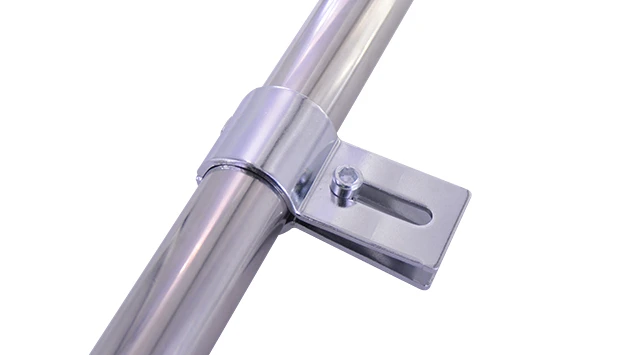
Lean Pipe Clamp B Chrome
Lean pipe clamp is used for turnover trolley, workbench, flowrack adjust the frame or fix some accessory.
It's 9:15 AM on a Wednesday, and Maria, the production supervisor at a mid-sized electronics assembly plant, is already juggling a crisis. The third workbench in Line 4 has just given out—again. A critical component, the lean pipe clamp holding the upper shelf to the frame, has loosened overnight, sending a tray of circuit boards crashing to the floor. Tools clatter, operators pause, and the once-smooth hum of the line stutters to a halt. "Not again," Maria mutters, kneeling to inspect the clamp. It's the same issue they've been fighting for months: the Lean Pipe Clamp B Chrome, a staple in their lean pipe and accessories setup, just won't stay tight. If this keeps happening, meeting the week's order deadline might be impossible.
If you've ever stood in Maria's shoes—staring at a wobbly workbench, a sagging material rack, or a flow rack that's suddenly misaligned—you know how frustrating loose lean pipe clamps can be. These small but mighty components are the unsung heroes of lean manufacturing systems, holding together everything from workbenches to turnover trolleys. When they fail, the consequences ripple: downtime, damaged materials, and even safety risks for your team. But here's the good news: loose clamps aren't a mystery. With the right knowledge, you can diagnose the problem, fix it, and prevent it from recurring. Let's dive in.
First, Let's Talk About Lean Pipe Clamp B Chrome: What It Is and Why It Matters
Before we fix the problem, let's make sure we're on the same page about the part itself. Lean Pipe Clamp B Chrome is a heavy-duty connector designed to secure lean pipes (often aluminum or steel) at 90-degree angles. Picture it: two curved metal jaws that wrap around the pipes, held tight by a bolt and nut. The chrome plating isn't just for looks—it adds corrosion resistance, making the clamp durable even in busy, humid factory environments. You'll find these clamps everywhere in lean systems: holding up the shelves of a material rack B (3 row and 3 floor), reinforcing the legs of a workbench E (single deck-without caster), or stabilizing the frame of a roller track assembly.
What makes this clamp so crucial? Unlike rigid welding, lean pipe systems rely on modular components like clamps and lean pipe joints to stay flexible. Need to reconfigure a workbench for a new product? Loosen the clamps, adjust the pipes, retighten, and you're done. But that flexibility is a double-edged sword: if the clamps don't hold, the entire system becomes unstable. In short, Lean Pipe Clamp B Chrome is the glue that keeps your lean system from falling apart—literally.
Why Do These Clamps Loosen? The Top Culprits
Loose clamps rarely happen for no reason. More often, it's a mix of small, overlooked factors that add up over time. Let's break down the most common causes, using Maria's plant as a case study.
| Cause | Real-World Impact (Example from Maria's Plant) | How to Spot It |
|---|---|---|
| Constant Vibration | Line 4 runs 12-hour shifts, and the adjacent conveyor belt vibrates nonstop. Over weeks, this shakes the clamp's bolt loose. | Clamps near high-movement areas (conveyors, roller tracks) are most affected; bolts feel "wobbly" when touched. |
| Incorrect Installation Torque | New hires were told to "tighten until it feels snug" but used pliers instead of torque wrenches, leading to uneven pressure. | Clamps loosen soon after setup; some jaws don't fully grip the pipe. |
| Wear and Tear | The workbench in question was assembled 3 years ago; the clamp's threads are now stripped from repeated adjustments. | Bolt spins freely even when tightened; visible rust or pitting on the chrome plating. |
| Environmental Stress | Humidity spikes in summer cause the steel bolt to expand, then contract in AC-cooled nights, weakening the joint. | Clamps loosen seasonally (worse in summer/winter); chrome shows signs of flaking. |
| Low-Quality Components | Last quarter, the plant switched to a cheaper lean pipe supplier; the new clamps have thinner chrome and softer metal. | Clamps fail even with proper installation; bolts bend or snap under normal pressure. |
Now that we know the "why," let's tackle the "how to fix it." Below is a step-by-step guide to diagnosing and resolving loose Lean Pipe Clamp B Chrome issues—whether you're dealing with a single wobbly joint or a plant-wide problem.
Step-by-Step Solutions: From Quick Fixes to Long-Term Stability
1. Immediate Action: Stop the Problem Before It Worsens
If you notice a loose clamp (like Maria did), don't wait for it to fail completely. Start with these quick checks:
Inspect for visible damage: Look for cracks in the clamp's jaws, stripped threads on the bolt, or rust that's eating through the chrome. If any of these are present, the clamp needs to be replaced immediately—no amount of tightening will save it.
Check torque with a wrench: Grab a torque wrench (set to the manufacturer's recommended setting—usually 15-20 Nm for these clamps) and test the bolt. If it turns more than 1/4 inch, it was under-tightened. Tighten it to spec and mark the bolt with a permanent marker so you can check later if it loosens again.
Reinforce temporarily: If production can't stop, use a zip tie or a temporary lean pipe joint to hold the clamp in place while you gather tools for a proper fix. Never leave a loose clamp unattended—this is how accidents happen.
2. Deep Dive: Clean, Lubricate, and Repair
For clamps that loosen repeatedly, a deeper fix is needed. Here's how to do it:
Disassemble and clean: Remove the clamp completely (you'll need a wrench for this). Wipe away dirt, grease, and rust from the jaws, bolt, and nut. Pay special attention to the threads—debris here is a common cause of slipping.
Lubricate (sparingly): Apply a tiny amount of anti-seize lubricant to the bolt's threads (avoid getting it on the clamp jaws—this can reduce grip). This prevents corrosion and makes future tightening easier without weakening the joint.
replace worn parts: If the bolt's threads are stripped, or the clamp jaws are bent, swap in a new clamp. Don't skimp here—using a damaged clamp is like putting a band-aid on a broken bone. A reliable lean pipe supplier should stock replacements; keep a few spares in your maintenance closet.
3. Prevent Future Loosening: Proactive Maintenance That Works
Fixing a loose clamp is one thing—keeping it tight is another. Maria's team turned things around by adopting these habits:
Schedule "clamp check" rounds: Assign a maintenance tech to inspect critical clamps (those on workbenches, material racks, and high-vibration areas) twice a week. They use a torque wrench to retighten bolts to 18 Nm (the spec from their lean pipe supplier) and log any issues in a shared spreadsheet.
Train your team on proper installation: New hires and even seasoned operators often underestimate how important torque is. Hold a 15-minute workshop with your lean pipe supplier—they'll usually send a rep to demo proper tool use (e.g., "This is how a torque wrench clicks when it's tight enough"). Post a cheat sheet near workbenches: "Tighten until the wrench clicks at 18 Nm—no more, no less."
Upgrade where needed: For high-vibration areas like near conveyors, switch to "lock nut" versions of Lean Pipe Clamp B Chrome. These have a nylon insert that grips the bolt threads, preventing backsliding. Maria's plant did this for Line 4, and clamp failures dropped by 70%.
The Role of Your Lean Pipe Supplier: Why Quality Matters
Here's a hard truth: even the best maintenance can't save a low-quality clamp. Maria learned this the hard way when she discovered her previous supplier was cutting corners. Their clamps had thin chrome plating that flaked off after 6 months, and the bolts were made from soft steel that bent under pressure. After switching to a reputable lean pipe supplier, she noticed an immediate difference: the new clamps felt heavier, the jaws gripped tighter, and the bolts didn't strip—even after repeated adjustments.
When vetting a supplier, ask these questions:
- "What material is the clamp made from?" Look for high-carbon steel with a thick chrome coating (at least 0.0005 inches).
- "Do you test for torque resistance?" A good supplier will have data on how much vibration their clamps can withstand before loosening.
- "What's your warranty?" A 1-year warranty on clamps shows confidence in their durability.
Case Study: How Maria's Plant Solved the Loose Clamp Crisis
Let's circle back to Maria. After 3 months of trial and error, here's what worked for her team:
Step 1: They mapped all clamps in the plant and labeled high-risk areas (near conveyors, heavy workbenches). Result: They found 12 clamps that were already damaged and needed replacement.
Step 2: They held a training session with their new lean pipe supplier, who demonstrated proper torque wrench use and shared a maintenance checklist. Result: Operator error dropped—new hires now tighten clamps correctly on the first try.
Step 3: They upgraded 20% of their clamps to lock-nut versions in high-vibration zones. Result: Line 4, once the problem child, now runs 30-day stretches without a single loose clamp.
Bonus: Maria's team also started using a simple "clamp log" app, where operators can flag loose joints with a quick photo. Maintenance responds within 2 hours, preventing small issues from becoming crises. Final Outcome: Downtime due to loose clamps dropped by 92%, and the plant hit its quarterly production target for the first time in a year.
Final Thoughts: Your Lean System Deserves Secure Joints
Loose Lean Pipe Clamp B Chrome might seem like a small problem, but in lean manufacturing, small problems become big ones fast. A wobbly workbench leads to slowed assembly, damaged parts, and frustrated operators. But with the right approach—diagnosing the cause, fixing it properly, and partnering with a quality lean pipe supplier—you can turn "not again" into "never again."
Remember: your lean system is only as strong as its weakest joint. By investing a little time in clamp maintenance and choosing the right parts, you'll keep your production line running smoothly, your team safe, and your deadlines on track. And isn't that the whole point of lean manufacturing? To eliminate waste—including the waste of time spent fixing preventable problems.
So, the next time you walk past a workbench or material rack, take a second to check those clamps. A quick tug on the pipe could save you from a Maria-style crisis. Your future self (and your production numbers) will thank you.