- Company Articles
- Products and Technology
- Product knowledge
- Lean Pipe Clamp B Chrome Surface Hardness: Wear Resistance in Industrial Settings

Lean Pipe Clamp B Chrome Surface Hardness: Wear Resistance in Industrial Settings
Related Product
Lean Pipe Clamp B Chrome
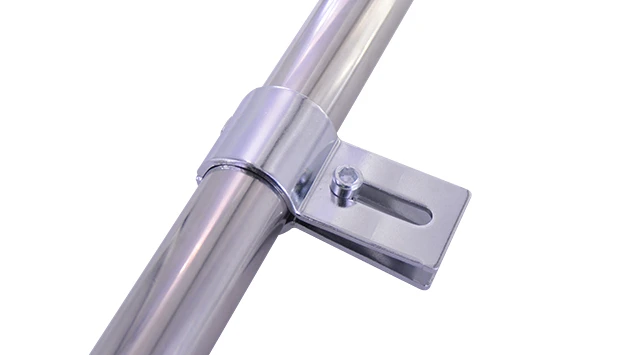
Lean pipe clamp is used for turnover trolley, workbench, flowrack adjust the frame or fix some accessory.
In the bustling world of manufacturing and production, where every second counts and efficiency is king, it's often the smallest components that keep the entire operation from grinding to a halt. Think about the assembly lines humming with activity, the workbenches stacked with tools, or the material racks shuttling parts across the factory floor—none of these would function smoothly without the heroes holding them together. Today, we're shining a spotlight on one such unsung champion: the Lean Pipe Clamp B Chrome. Specifically, we'll dive into its surface hardness, why wear resistance matters in industrial settings, and how this unassuming part plays a critical role in keeping your production assemble lines running like clockwork.
What Exactly Is a Lean Pipe Clamp B Chrome?
Before we get into the nitty-gritty of surface hardness and wear resistance, let's make sure we're all on the same page about what a Lean Pipe Clamp B Chrome is. If you've ever walked through a factory or warehouse, you've probably seen lean pipe systems—those modular structures made of metal pipes and joints that form workbenches, material racks, trolleys, and conveyor supports. These systems are the backbone of lean manufacturing, designed to be flexible, customizable, and easy to reconfigure as production needs change.
The Lean Pipe Clamp B Chrome is a key piece of this puzzle. It's a specialized clamp used to secure lean pipes (or tubes) to joints, ensuring the structure stays stable even under heavy loads or constant movement. What sets the "Chrome" variant apart? Its surface is treated with a chrome plating, a process that adds a thin layer of chromium to the base metal (usually steel). This isn't just for aesthetics—chrome plating is a workhorse when it comes to enhancing durability, and that's where surface hardness comes into play.
Surface Hardness: Why It's the Backbone of Durability
Surface hardness might sound like a technical term, but it's actually pretty straightforward: it's a measure of how resistant a material's surface is to indentation, scratching, or deformation. In industrial terms, think of it as the "toughness" of the clamp's outer layer. For Lean Pipe Clamp B Chrome, this hardness is measured using scales like the Rockwell C scale (HRc), a common method for testing metals. Most high-quality chrome-plated clamps boast a hardness rating of 55-60 HRc, which is significantly higher than standard unplated steel clamps (typically around 30-40 HRc).
Why does this matter? Imagine using a standard steel clamp in a busy production assemble line. Every time a worker adjusts the workbench, moves a heavy part, or bumps into the structure, that clamp takes a hit. Over time, a softer surface would scratch, dent, or even bend, weakening the joint and putting the entire structure at risk. A chrome-plated clamp with high surface hardness, on the other hand, laughs off these daily abuses. It resists scratches from tools, indentations from heavy loads, and deformation from constant vibration—all critical in environments where equipment is used 24/7.
Wear Resistance: The Secret to Longevity in Harsh Environments
Surface hardness and wear resistance go hand in hand, but they're not the same thing. While hardness measures resistance to indentation, wear resistance is about how well a material holds up against friction, abrasion, and repeated contact over time. This is where chrome plating truly shines for Lean Pipe Clamp B Chrome.
Chrome plating creates a smooth, dense surface that minimizes friction. When two metal parts rub against each other (like a clamp and a lean pipe joint), friction causes wear—tiny particles of metal are scraped off, gradually weakening the connection. Chrome's low coefficient of friction reduces this wear, meaning the clamp maintains its grip and structural integrity longer. Additionally, chrome is highly resistant to corrosion, a common enemy in factories where moisture, oils, or chemicals might be present. A rusted clamp isn't just unsightly; it's a safety hazard, as rust weakens the metal and can cause joints to fail.
Let's put this into perspective. A standard unplated steel clamp in a humid factory might start showing signs of wear or rust within 6-12 months of heavy use. A Lean Pipe Clamp B Chrome, however, can last 3-5 years or more under the same conditions. That's a massive difference in lifespan, translating to fewer replacements, less downtime, and lower maintenance costs for your operation.
Real-World Impact: How Wear Resistance Keeps Production Flowing
To truly appreciate the value of Lean Pipe Clamp B Chrome's wear resistance, let's walk through a typical day in a manufacturing plant. Picture a production assemble line for electronics, where workers are assembling circuit boards on a lean pipe workbench. The workbench is loaded with tools, components, and, and it's adjusted multiple times a day to accommodate different tasks. Each adjustment involves loosening and tightening the clamps that hold the workbench's frame together.
Without the chrome plating's wear resistance, those clamps would quickly degrade. The constant twisting and turning would scratch the surface, making the threads worn and difficult to tighten. Over time, the clamps might slip, causing the workbench to wobble. A wobbly workbench isn't just annoying—it can lead to mistakes in assembly, damaged components, or even worker injuries. Now multiply that by dozens of workbenches, material racks, and trolleys across the factory, and you start to see how a small component like a clamp can have a ripple effect on overall productivity.
Another example: material handling. Many factories use lean pipe systems to build roller tracks or flow racks, which rely on clamps to secure the rails in place. These systems are in constant use, with boxes, parts, or pallets sliding across them every minute. The clamps holding the rails must withstand not just the weight of the materials but also the vibrations and occasional impacts from misaligned loads. A clamp with poor wear resistance might loosen over time, causing the rail to shift. This could jam the flow of materials, bringing the entire line to a stop—a costly delay that no production manager wants to deal with.
Comparing the Competition: Standard vs. Chrome-Plated Clamps
Still not convinced that Chrome Lean Pipe Clamp B is worth the investment? Let's look at a side-by-side comparison of standard unplated clamps and their chrome-plated counterparts. The table below breaks down key metrics like surface hardness, wear resistance, and lifespan in industrial settings:
| Feature | Standard Unplated Steel Clamp | Lean Pipe Clamp B Chrome |
|---|---|---|
| Surface Hardness (Rockwell C Scale) | 30-40 HRc | 55-60 HRc |
| Wear Resistance (Cycles Before Visible Wear) | 10,000-20,000 cycles | 80,000-100,000 cycles |
| Typical Lifespan in Heavy Use | 6-12 months | 3-5 years |
| Resistance to Corrosion | Low (prone to rust in humid environments) | High (chrome plating prevents rust) |
| Best For | Light-duty, low-use applications | Heavy-duty, high-use industrial settings |
Choosing the Right Lean Pipe Supplier: Why Quality Matters
Of course, not all Lean Pipe Clamp B Chrome products are created equal. The quality of the chrome plating, the base metal used, and the manufacturing process can vary widely between suppliers. That's why partnering with a reputable lean pipe supplier is crucial. A trusted supplier will use high-grade steel for the clamp's base, ensure the chrome plating is applied evenly (with a thickness of at least 0.001 inches), and test the clamps for hardness and wear resistance before shipping.
What should you look for in a supplier? First, ask about their plating process. Do they use electroplating (the most durable method) or cheaper alternatives? Second, request hardness test reports—reputable suppliers will have no problem sharing these. Third, check if they offer a warranty. A supplier confident in their product's durability will stand behind it with a warranty, giving you peace of mind. Finally, consider their range of lean pipe and accessories. A supplier that offers a full line of components (pipes, joints, clamps, etc.) ensures compatibility, which is key for building stable, long-lasting lean systems.
The Bottom Line: Small Component, Big Impact
At the end of the day, Lean Pipe Clamp B Chrome might not be the most glamorous part of your industrial setup, but it's undoubtedly one of the most essential. Its surface hardness and wear resistance ensure that your lean pipe systems—whether they're workbenches, production assemble lines, or material racks—stay strong, stable, and reliable, even in the toughest environments. By investing in high-quality chrome-plated clamps, you're not just buying a component; you're investing in fewer breakdowns, smoother operations, and higher productivity.
So the next time you walk through your factory, take a moment to look at the lean pipe structures around you. Notice the clamps holding them together. Chances are, if they're chrome-plated, they're working hard behind the scenes to keep your business moving forward. And when it's time to replace or upgrade your lean pipe systems, remember: the right clamp, from the right lean pipe supplier, can make all the difference.