- Company Articles
- Products and Technology
- Product knowledge
- Lean Pipe Clamp B Chrome vs. Black Oxide: Aesthetic and Functional Differences

Lean Pipe Clamp B Chrome vs. Black Oxide: Aesthetic and Functional Differences
Related Product
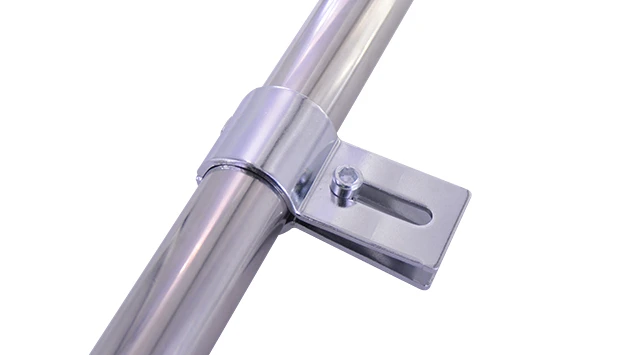
Lean Pipe Clamp B Chrome
Lean pipe clamp is used for turnover trolley, workbench, flowrack adjust the frame or fix some accessory.
Introduction: The Unsung Hero of Lean Systems
In the bustling world of manufacturing and assembly, where efficiency is king and every second counts, there's a silent workhorse that keeps operations running smoothly: the lean pipe system . From the assembly lines of automotive plants to the workbenches of electronics workshops, these modular systems—built from pipes, joints, and clamps—are the backbone of lean manufacturing. They adapt, evolve, and reconfigure to meet changing production needs, making them indispensable for businesses striving to minimize waste and maximize productivity.
At the heart of these systems lies a small but critical component: the lean pipe clamp B . Often overlooked, this unassuming piece is what holds the entire structure together, connecting pipes at precise angles to form workbenches, flow racks, turnover trolleys, and more. But not all clamps are created equal. The finish applied to a lean pipe clamp B isn't just about looks; it's a functional choice that impacts durability, performance, and even workplace safety. Today, we're diving deep into two popular finishes: Chrome and Black Oxide. By the end, you'll understand how these finishes differ aesthetically and functionally, and which one might be the right fit for your operation.
Understanding Lean Pipe Clamp B: More Than Just a "Clamp"
Before we compare finishes, let's take a moment to appreciate the role of the lean pipe clamp B itself. Part of the broader category of lean pipe and accessories , this clamp is designed to connect two lean pipes at a fixed angle—typically 90 degrees, though variations exist for other angles like 45 or 135 degrees. Made from materials like steel or aluminum, it's engineered to withstand the rigors of daily use, from the weight of heavy components on a material rack to the constant motion of parts sliding along a flow rack's roller track.
What makes lean pipe clamp B unique is its versatility. Unlike rigid welding, which locks structures in place, these clamps allow for quick disassembly and reconfiguration. Need to adjust the height of a workbench? Swap out a shorter pipe for a longer one, loosen the clamp, and retighten. Expanding your production line? Add extra sections using the same clamps and pipes. This flexibility is why lean systems are so beloved in dynamic industries—they grow with your business, reducing the need for costly new equipment.
But even the sturdiest clamp can fail if its finish isn't up to par. The finish acts as a barrier between the clamp's metal core and the environment, protecting it from corrosion, wear, and damage. It also affects how the clamp interacts with other components: a slippery finish might make pipes harder to secure, while a rough finish could scratch delicate materials. That's where Chrome and Black Oxide come in—two finishes with distinct personalities, each suited to different needs.
Chrome Finish: The Shiny Standard
Walk into any modern factory or cleanroom, and you're likely to spot Chrome-finished components glinting under the lights. Chrome plating has long been a favorite in industrial settings for its sleek, reflective appearance and robust performance. Let's break down its appeal, starting with aesthetics.
Aesthetics: Polished to Perfection
Chrome's most obvious trait is its mirror-like shine. Achieved through a process called electroplating—where a thin layer of chromium is deposited onto the clamp's surface via an electric current—it creates a finish that's bright, uniform, and undeniably modern. This shine isn't just for show: in environments like electronics assembly lines or pharmaceutical labs, where cleanliness is critical, a Chrome finish signals "precision" and "care." It's a visual cue that the workspace is well-maintained, which can boost employee morale and impress clients or auditors.
Another aesthetic advantage of Chrome is its color consistency. Unlike painted finishes, which can fade or chip over time, Chrome maintains its silver-white hue even after years of use. This makes it ideal for facilities where visual uniformity is important—think of a row of identical workbenches, each with Chrome clamps that all look brand-new, even if some were installed months earlier.
Functionality: Smooth, Durable, and Easy to Clean
Beyond looks, Chrome excels in functionality. Its smooth, non-porous surface is resistant to moisture, oils, and chemicals—common culprits of corrosion in industrial settings. When exposed to water or humidity, Chrome forms a thin oxide layer that acts as a barrier, preventing rust from reaching the underlying metal. This makes it a top choice for environments like food processing plants, where frequent washdowns are necessary, or outdoor facilities where rain and dew are a concern.
Cleaning Chrome is also a breeze. A quick wipe with a damp cloth removes dust, grease, or spills, and its reflective surface makes it easy to spot dirt or debris that might otherwise go unnoticed. In cleanrooms, where even a tiny particle can ruin a batch of microchips, this visibility is a huge plus. Chrome's smoothness also reduces friction, which can be helpful when adjusting clamps—no rough edges to catch on gloves or tools.
That said, Chrome isn't without drawbacks. Its high shine can create glare under bright overhead lights, which might be distracting for workers focused on detailed tasks like circuit board assembly. It's also more prone to fingerprints and smudges, which can dull its appearance if not cleaned regularly. And while Chrome is durable, it can chip if struck by heavy objects—a risk in busy warehouses where forklifts or pallet jacks might accidentally bump into a rack.
Black Oxide Finish: The Understated Workhorse
If Chrome is the "flashy cousin" of finishes, Black Oxide is the "quiet professional." Unlike Chrome, which adds a layer of metal to the clamp's surface, Black Oxide is a conversion coating—a chemical process that transforms the top layer of the metal into a hard, black oxide film. The result is a finish that's matte,, and built for durability. Let's explore its unique traits.
Aesthetics: Industrial Charm with a Purpose
Black Oxide's aesthetic is all about understatement. Instead of reflecting light, it absorbs it, creating a deep, uniform black color with a subtle matte or satin sheen. This look is perfect for environments where "less is more"—think of a workshop focused on functionality over flash, or a production line where bright surfaces might compete with warning signs or safety labels.
One of the biggest advantages of Black Oxide's appearance is its ability to hide wear and tear. Scratches, fingerprints, and minor dents are far less noticeable on a dark, non-reflective surface than on a shiny Chrome finish. This makes it ideal for high-traffic areas, like loading docks or assembly stations where clamps are frequently adjusted or bumped. Over time, Chrome might start to look "tired" with visible scratches, but Black Oxide ages gracefully, maintaining a consistent, professional appearance.
Black Oxide also has a certain industrial charm that appeals to brands going for a rugged, no-nonsense vibe. It pairs well with other dark components, like black ESD workbenches or grey plastic roller tracks, creating a cohesive, unified look. In contrast, Chrome can sometimes clash with more muted surroundings, drawing attention away from the system's functionality and toward its appearance.
Functionality: Grip, Durability, and Reduced Glare
While Chrome relies on a protective layer, Black Oxide works from the inside out. The conversion process creates a surface that's harder than the base metal, improving wear resistance. This makes Black Oxide-finished clamps less likely to scratch when pipes are inserted or removed, extending their lifespan. It also enhances grip: the slightly textured surface (compared to Chrome's smoothness) helps prevent pipes from slipping, even when clamps are slightly loosened—a critical safety feature in applications where stability is key, like overhead racks or tall material storage units.
Another functional benefit is reduced glare. In environments with bright lighting or natural sunlight, Chrome's reflectivity can cause eye strain for workers, especially those performing detailed tasks like soldering or inspecting small parts. Black Oxide's matte finish diffuses light, creating a more comfortable workspace. This is why it's often preferred in electronics manufacturing, where precision and focus are paramount.
Black Oxide also plays well with lubricants. Unlike Chrome, which can sometimes repel oils, the porous nature of the oxide film allows lubricants to adhere better, reducing friction when adjusting clamps. This makes maintenance easier—apply a drop of oil to the clamp's threads, and it stays where it's needed, keeping the clamp easy to tighten or loosen over time.
However, Black Oxide isn't invincible. While it offers moderate corrosion resistance, it's not as robust as Chrome in extremely wet or humid environments. Without a topcoat (like oil or wax), it can start to rust if exposed to standing water for long periods. For this reason, it's often paired with additional treatments in harsh conditions—though in dry, indoor settings, it holds up remarkably well.
Aesthetic Showdown: Chrome vs. Black Oxide
Now that we've explored each finish individually, let's put them head-to-head in terms of aesthetics. The table below summarizes their key visual traits:
| Aspect | Chrome Finish | Black Oxide Finish |
|---|---|---|
| Color | Bright silver-white, reflective | Deep black, matte to satin |
| Sheen | High-gloss, mirror-like | Low-sheen, non-reflective |
| Texture | Smooth, glass-like | Slightly textured (subtle) |
| Visual Impact | Eye-catching, modern, "high-end" | Understated, industrial, functional |
| Maintenance of Appearance | Shows fingerprints, smudges, and scratches easily; requires regular cleaning | Hides wear and tear; stays uniform with minimal cleaning |
| Best For | Cleanrooms, showrooms, environments where aesthetics matter | High-traffic areas, workshops, settings with bright lighting |
The takeaway? Chrome is all about making a statement—its brightness and shine work best in environments where appearance is part of the brand or where cleanliness is on display (like a customer-facing demo area). Black Oxide, on the other hand, lets the system's functionality take center stage, with a look that's built to last in busy, practical settings.
Functional Face-Off: Which Finish Performs Better?
Aesthetics are important, but in industrial settings, performance often takes precedence. Let's compare Chrome and Black Oxide across key functional metrics:
Corrosion Resistance
Chrome is legendary for its corrosion resistance. The chromium layer acts as a physical barrier, preventing moisture and oxygen from reaching the underlying metal. Even if the Chrome layer is scratched, the chromium oxidizes to form a protective "passive layer" that seals the scratch, stopping rust in its tracks. This makes Chrome ideal for wet environments, like outdoor storage yards or facilities with high humidity (e.g., food processing plants that use steam cleaning).
Black Oxide, by contrast, offers moderate corrosion resistance on its own. The oxide film is thin and porous, so it can absorb moisture over time. To boost its performance, Black Oxide clamps are often sealed with oil, wax, or a clear topcoat, which fills the pores and creates a secondary barrier. In dry, indoor environments (like electronics assembly lines), this is usually sufficient. But in wet or coastal areas, Chrome is the safer bet.
Durability and Wear
When it comes to wear resistance, Black Oxide has a slight edge. The conversion process hardens the metal's surface, making it more resistant to scratches and abrasion. This is useful in applications where clamps are frequently adjusted—for example, on a workbench that's reconfigured daily for different tasks. Chrome, while durable, has a softer plating that can chip or wear thin over time, especially if the clamp is repeatedly tightened and loosened.
That said, Chrome is more resistant to heavy impacts. A Chrome-plated clamp can take a hard knock from a tool or pallet without the finish peeling, whereas Black Oxide might chip if struck with enough force, exposing the base metal to corrosion.
Grip and Safety
Here, Black Oxide shines (pun intended). Its slightly textured surface provides better grip between the clamp and the pipe, reducing the risk of slippage. This is critical in safety-sensitive areas, like overhead racks holding heavy materials or tilt trays on a conveyor system. Chrome's smooth surface, while easy to clean, can be slippery—especially if oil or grease is present—making pipes more likely to shift if the clamp isn't tightened perfectly.
Cost
In general, Black Oxide is more cost-effective than Chrome. The electroplating process for Chrome is labor-intensive and requires expensive equipment, driving up the price. Black Oxide, a chemical conversion process, is faster and less resource-heavy, making it a budget-friendly option for businesses looking to reduce costs without sacrificing quality.
Real-World Applications: When to Choose Chrome vs. Black Oxide
To bring this comparison to life, let's look at a few scenarios where one finish might outperform the other:
Scenario 1: Cleanroom Manufacturing (Electronics)
In a semiconductor cleanroom, where dust and contamination are enemy number one, Chrome's smooth, non-porous surface is a winner. It's easy to sanitize with alcohol wipes, and its bright appearance helps highlight any particles that might land on it. Black Oxide's porous finish, while durable, could trap tiny dust particles, making it harder to maintain the strict cleanliness standards required for microchip production.
Scenario 2: Heavy-Duty Warehouse (Automotive Parts)
A warehouse storing car engines and transmissions needs clamps that can handle rough handling and constant reconfiguration. Black Oxide's scratch resistance and grip make it ideal here—no more worrying about pipes slipping or clamps looking worn after a few months. Plus, its matte finish reduces glare under the warehouse's bright LED lights, making it easier for workers to read labels on parts bins.
Scenario 3: Customer-Facing Workshop (Furniture Assembly)
A custom furniture workshop that welcomes clients for tours needs systems that look as good as the products they build. Chrome-finished clamps on the assembly workbenches add a touch of professionalism, complementing the workshop's modern aesthetic. Clients notice details like shiny, well-maintained equipment, and Chrome helps convey a sense of quality and precision.
Scenario 4: Outdoor Storage (Agricultural Equipment)
Storing large agricultural parts outdoors exposes equipment to rain, snow, and humidity. Here, Chrome's superior corrosion resistance is non-negotiable. Black Oxide, even with a topcoat, would struggle to withstand constant moisture, leading to rust and weakened clamps over time. Chrome's protective layer ensures the clamps stay strong, keeping the storage racks stable season after season.
Conclusion: Choosing the Right Finish for Your Lean System
At the end of the day, the choice between Chrome and Black Oxide for your lean pipe clamp B comes down to balancing aesthetics, functionality, and environment. Chrome is the go-to for clean, modern settings where appearance and corrosion resistance are key—think cleanrooms, showrooms, or wet environments. Black Oxide shines in industrial, high-traffic areas where durability, grip, and cost-effectiveness matter most—like warehouses, heavy manufacturing plants, or workshops with bright lighting.
Remember, there's no "one-size-fits-all" answer. Some operations might even mix finishes: Chrome clamps on front-of-house workbenches and Black Oxide on back-of-house material racks. The beauty of lean pipe and accessories is their flexibility, and that includes choosing finishes that align with your specific needs.
So, whether you're drawn to Chrome's glossy allure or Black Oxide's understated strength, rest assured that both finishes are designed to keep your lean system running smoothly. After all, the best finish is the one that helps your team work smarter, safer, and more efficiently—because in lean manufacturing, that's what truly matters.