- Company Articles
- Products and Technology
- Product knowledge
- Lean Pipe Clamp B Chrome vs. Stainless Steel: Which Offers Better Longevity?

Lean Pipe Clamp B Chrome vs. Stainless Steel: Which Offers Better Longevity?
Related Product
Lean Pipe Clamp B Chrome
Lean pipe clamp is used for turnover trolley, workbench, flowrack adjust the frame or fix some accessory.
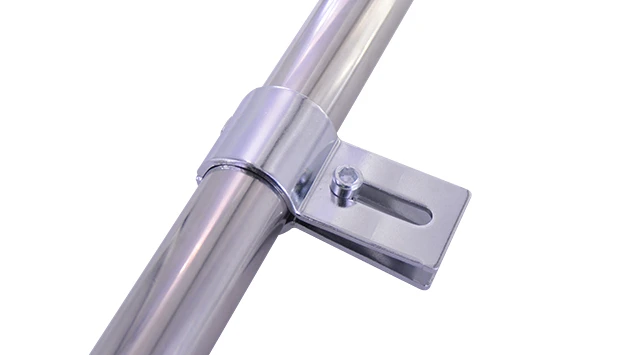
Walk into any manufacturing facility that runs on lean principles, and you'll notice a common thread: modular structures that seem to adapt and evolve with the workflow. These aren't random setups—they're carefully designed lean pipe systems, built from components like aluminum pipes, roller tracks, and workbenches. And holding it all together? The unsung hero: lean pipe clamps. Specifically, Lean Pipe Clamp B, a workhorse connector that turns simple tubes into sturdy workstations, flow racks, and material handlers.
But here's the thing about industrial components: the difference between a clamp that lasts 2 years and one that lasts 10 can be the difference between smooth operations and constant downtime. When facility managers or lean pipe suppliers choose between Chrome-plated Lean Pipe Clamp B and its stainless steel counterpart, the stakes are high. Longevity isn't just about durability—it's about reliability, cost-effectiveness, and keeping workflows uninterrupted. So, which material truly delivers better longevity?
Let's cut through the jargon and get to the heart of the matter. We'll explore how these clamps are made, how they perform in real-world conditions, and why one might outlast the other. Whether you're setting up a new production line or upgrading an existing one, this isn't just a material choice—it's an investment in your facility's future.
Understanding Lean Pipe Clamp B: The Backbone of Modular Systems
Before diving into materials, let's clarify what makes Lean Pipe Clamp B essential. These clamps are the "glue" of lean systems, designed to connect pipes (like aluminum lean pipe or stainless steel pipe series) at precise angles. Unlike generic clamps, Lean Pipe Clamp B is engineered for heavy-duty use—think supporting a loaded material rack B (3 row and 3 floor) or securing a workbench E (single deck-without caster) in a high-traffic area. Their design allows quick assembly and reconfiguration, which is why they're a staple for lean manufacturers aiming to minimize waste and maximize flexibility.
But even the best design can fail if the material isn't up to par. That's where the choice between chrome-plated and stainless steel comes in. Both claim to offer durability, but their approaches to longevity are worlds apart.
Material Deep Dive: What Are These Clamps Made Of?
Chrome-Plated Lean Pipe Clamp B: A Thin Shiny Layer
Chrome-plated clamps start as steel—usually low-carbon steel—shaped into the clamp's design. Then, they're dipped in a chromic acid bath and electroplated: an electric current bonds a thin layer of chromium (typically 0.0005–0.002 inches thick) to the steel surface. The result? A bright, mirror-like finish that's hard and initially resistant to scratches.
This chrome layer is the clamp's first line of defense. It's smooth, which reduces friction during adjustments, and it looks clean—important for facilities where aesthetics matter. But here's the catch: that layer is just skin-deep. Underneath, the steel is vulnerable. And when that layer chips, cracks, or wears off? The steel beneath is exposed, and that's when problems start.
Stainless Steel Lean Pipe Clamp B: Corrosion Resistance Built In
Stainless steel clamps, by contrast, are crafted from an alloy of steel, chromium (at least 10.5%), and often nickel or molybdenum. The most common grades for industrial use are 304 (18% chromium, 8% nickel) and 316 (adds molybdenum for extra corrosion resistance). Unlike chrome plating, stainless steel's strength isn't a surface treatment—it's part of the metal itself.
The magic lies in chromium: when exposed to oxygen, it forms a micro-thin "passive layer" of chromium oxide on the surface. This layer is invisible, but it's tough—so tough that if scratched, it self-repairs. As long as there's oxygen, the layer reforms, blocking moisture and rust from reaching the metal below. It's like having a self-healing shield built into the clamp.
Longevity Battle: 3 Key Factors That Decide Lifespan
1. Corrosion Resistance: The Silent Enemy
Industrial environments are harsh. Humidity, oil, cleaning chemicals, even salt air near coastal facilities—all these attack metal. Let's see how each clamp holds up.
Chrome-Plated Clamps: In dry, dust-free settings (like a climate-controlled electronics lab), chrome might last. But in real life? A clamp on a turnover trolley that gets wheeled through a damp warehouse, or a material rack B (3 row and 3 floor) near a pressure washer, won't stay pristine. Over time, the chrome layer chips from impacts or wears thin from repeated tightening. Once steel is exposed, rust takes hold. Rust doesn't just look bad—it weakens the clamp's grip. A rusted clamp might loosen, leading to wobbly pipes or even collapses.
Stainless Steel Clamps: Stainless steel laughs at corrosion. Its passive chromium oxide layer self-repairs: scratch it, and more chromium reacts with oxygen to seal the wound. In a food processing plant with daily washdowns, a 304 stainless clamp stays rust-free. In a marine facility with salt spray, 316 stainless (with molybdenum) shrugs off corrosion. Even in a workshop with oil and coolant spills, stainless steel resists degradation. No rust, no weakening—just consistent performance.
2. Wear and Tear: Handling the Grind of Daily Use
Clamps aren't just sitting pretty—they're adjusted, tightened, and stressed daily. A clamp that can't handle friction and pressure won't last.
Chrome-Plated Clamps: Chrome is hard, which sounds good for wear resistance. But it's also brittle. Tighten a chrome clamp with a wrench, and you might chip the layer. Bump a loaded trolley into a clamped joint, and the chrome could crack. Once that happens, the soft steel underneath wears quickly. The clamp's grip weakens, and before you know it, you're retightening it weekly to keep the structure stable.
Stainless Steel Clamps: Stainless steel is ductile—it bends slightly under pressure without breaking. Tighten it, and the material flexes to grip the pipe, then holds steady. Even after dozens of adjustments (common in agile manufacturing), the surface stays smooth, and the grip remains strong. Its natural texture (less slippery than chrome) also helps: pipes stay put under load, reducing stress on the clamp itself.
3. Load Capacity: When Strength Can't Afford to Fade
A clamp's job is to hold weight—consistently. A clamp that starts strong but weakens is worse than a cheap one that fails fast.
Chrome-Plated Clamps: New chrome clamps have decent load capacity—steel is strong, after all. But as corrosion eats away at the base metal, that strength plummets. A rusted clamp might look intact, but its internal structure is compromised. What was once rated to hold 50kg could start failing at 30kg, putting workers and products at risk.
Stainless Steel Clamps: Stainless steel's strength doesn't fade. Since it resists corrosion, its load capacity stays steady for decades. Whether supporting a fully loaded workbench or a multi-tiered material rack, stainless steel clamps maintain their rating year after year. That's reliability you can build a production line on.
Real-World Showdown: Case Studies That Tell the Truth
Case Study 1: Automotive Plant Workstations
A mid-sized auto parts manufacturer installed 50 workbenches using Chrome-plated Lean Pipe Clamp B. Within 18 months, clamps near washing stations showed rust spots. By year 3, 20% of clamps needed replacement—costing $8,000 in parts and 40 hours of downtime. A neighboring plant using stainless steel clamps on identical workbenches? After 7 years, zero rust, zero replacements. They're still going strong.
Case Study 2: Warehouse Material Racks
A logistics firm set up 20 material rack B (3 row and 3 floor) units with chrome clamps. Forklift bumps and humid air took their toll: by year 2, lower-shelf clamps had chipped chrome and rust. By year 4, 30% were replaced. A competitor using stainless steel racks? After 6 years, clamps still looked new. No maintenance beyond occasional tightening.
The Verdict: Comparing Longevity Head-to-Head
| Factor | Chrome-Plated Lean Pipe Clamp B | Stainless Steel Lean Pipe Clamp B |
|---|---|---|
| Typical Lifespan (Industrial Use) | 2–4 years (often less in harsh environments) | 10–15+ years (consistent performance) |
| Corrosion Risk | High (if chrome layer is damaged) | Low (self-healing passive layer) |
| Wear Resistance | Brittle; prone to chipping and surface wear | Ductile; maintains integrity through adjustments |
| Maintenance Needs | High (regular cleaning, rust treatment) | Low (occasional wiping) |
| Total Cost Over 10 Years* | $15–$20 per clamp (replacement cycles) | $5–$7 per clamp (one-time purchase) |
*Estimate based on average industrial use and replacement costs.
Why Lean Pipe Suppliers and Managers Should Choose Stainless Steel
Stainless steel clamps cost more upfront—often 2–3x the price of chrome. But factor in replacement cycles, downtime, and labor, and they're far cheaper long-term. For lean pipe suppliers, offering stainless steel isn't just selling a product—it's selling reliability. Clients remember suppliers who help them avoid headaches (and costs) down the line.
For facility managers, it's simple: less maintenance, fewer replacements, and peace of mind. Your lean system is only as strong as its weakest link. Don't let that link be your clamps.
Final Thoughts: Longevity Wins the Day
Chrome-plated Lean Pipe Clamp B might seem like a budget-friendly choice, but it's a false economy. In industrial settings, its thin protective layer and vulnerability to corrosion make it a short-term fix. Stainless steel, on the other hand, is an investment in longevity. Its self-healing corrosion resistance, ductile strength, and minimal maintenance needs make it the clear winner for facilities that value reliability and cost-effectiveness.
When you choose stainless steel, you're not just buying a clamp—you're building a system that grows with your business, stands up to daily grind, and keeps workflows moving. And in lean manufacturing, that's the ultimate goal.