- Company Articles
- Products and Technology
- Product knowledge
- Lean Pipe Clamp B Material Guide: Aluminum Alloy Advantages for Manufacturing

Lean Pipe Clamp B Material Guide: Aluminum Alloy Advantages for Manufacturing
Related Product
Lean Pipe Clamp
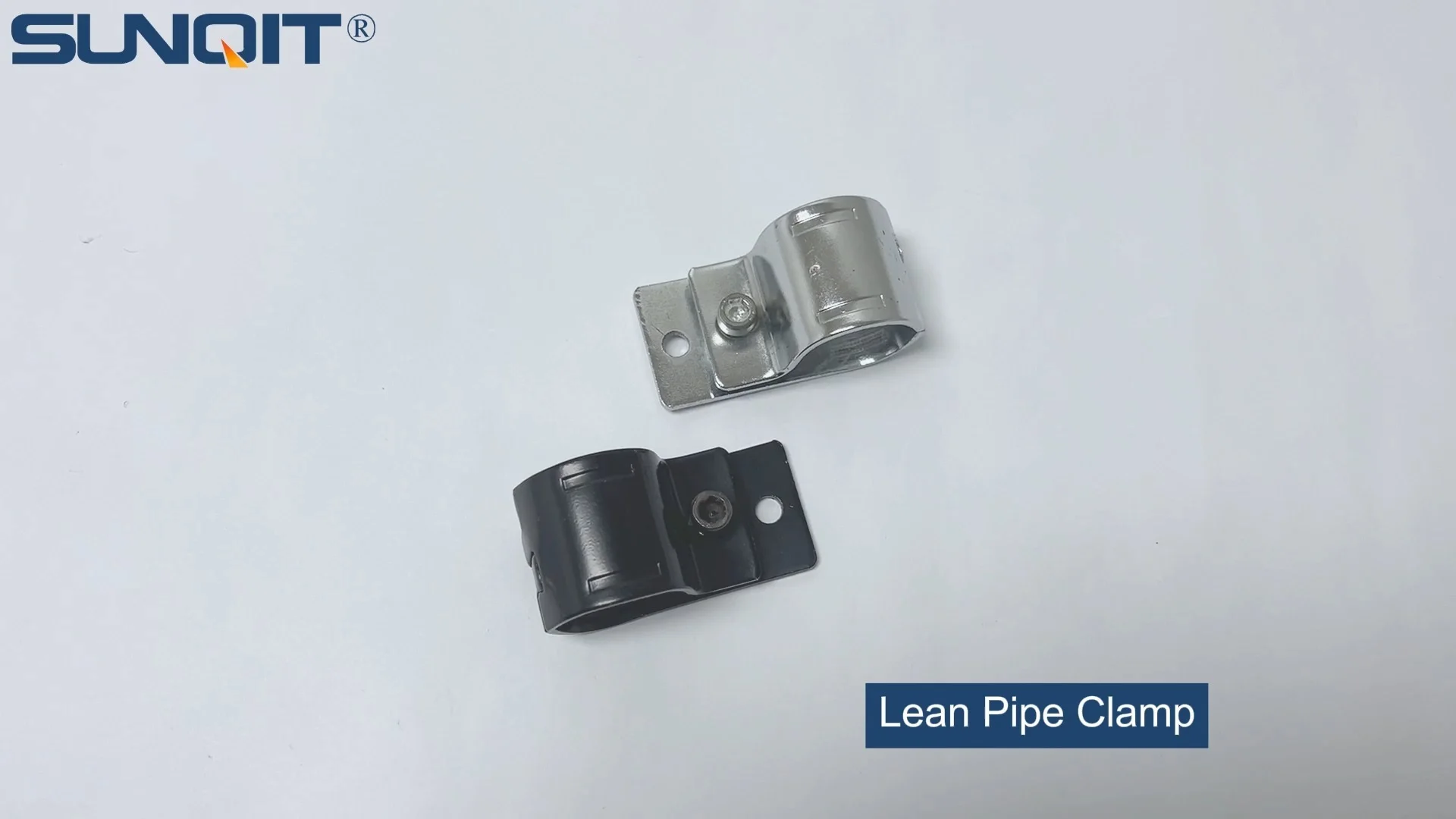
Lean pipe clamp is used for rack system hang monitor or other panel for workbenck, flowrack in production daily use.
Walk into any modern manufacturing facility, and you'll notice a silent hero working behind the scenes: the humble lean pipe system. These modular structures—workbenches, flow racks, conveyors, and trolleys—form the backbone of efficient production lines, streamlining workflows and reducing waste. At the heart of these systems lie the connectors that hold everything together: lean pipe clamps. Among the many options available, Lean Pipe Clamp B stands out for its versatility, but its true potential is unlocked when paired with the right material. Today, we're diving deep into why aluminum alloy has become the material of choice for Lean Pipe Clamp B, and how it transforms manufacturing floors from rigid setups into adaptable, future-ready workspaces.
Understanding Lean Pipe Clamp B: The Unsung Connector of Lean Manufacturing
Before we explore materials, let's get to know Lean Pipe Clamp B itself. In the world of lean manufacturing, where "just-in-time" and "continuous improvement" are more than buzzwords, modularity is king. Lean Pipe Clamp B is a critical component in this modular ecosystem. Designed to connect lean pipes (hollow tubes) at various angles—90 degrees, 45 degrees, or even custom configurations—these clamps allow teams to build, modify, and repurpose structures with minimal effort. Unlike welded or fixed connectors, they're (detachable) and reusable, making them ideal for facilities that need to adapt to shifting production demands, new product lines, or seasonal fluctuations.
But here's the thing: not all clamps are created equal. The material used to make a Lean Pipe Clamp B directly impacts its performance, lifespan, and cost-effectiveness. A poorly chosen material can lead to wobbly workbenches that compromise worker safety, clamps that rust in humid environments, or heavy structures that require extra labor to move. For manufacturers, this isn't just about buying a part—it's about investing in a system that will grow with their business. That's where aluminum alloy enters the picture.
Why Material Matters: The Cost of Cutting Corners on Clamps
Imagine this scenario: A small electronics manufacturer decides to save money by purchasing steel Lean Pipe Clamp B for their assembly line workbenches. Six months later, the coastal factory's humid air has caused the clamps to rust, weakening the joints. Workers notice the workbench shaking during delicate component installation, leading to increased product defects. When they try to reconfigure the line for a new product, the rusted clamps seize up, requiring tools and extra time to disassemble. What started as a "cost-saving" choice ends up costing thousands in repairs, downtime, and wasted materials.
This story isn't unique. Material selection for Lean Pipe Clamp B is a decision that ripples through every aspect of operations: safety, efficiency, maintenance, and long-term ROI. Steel, once the default for industrial connectors, is strong but heavy and prone to corrosion without constant treatment. Plastic clamps are lightweight but lack the durability needed for heavy-duty use. So, what's the middle ground? Aluminum alloy. This material brings together the best of both worlds—strength, lightness, and resistance—while adding a few surprises that make it perfect for modern manufacturing.

Aluminum Alloy Lean Pipe Clamp B: 5 Key Advantages That Transform Factories
Aluminum alloy isn't new, but its application in lean pipe clamps has revolutionized how manufacturers build their workspaces. Let's break down the advantages that make it stand out:
1. Lightweight Yet Strong: Reducing Labor Strain and Boosting Flexibility
Aluminum alloy is about 30% lighter than steel, but don't let that fool you—it's surprisingly strong. For Lean Pipe Clamp B, this translates to clamps that are easy to handle during installation or reconfiguration. Think about a team of workers tasked with rearranging a flow rack to accommodate a new product size. With steel clamps, each connection might require two people to lift and secure. With aluminum clamps? One person can carry a handful, adjust the structure, and tighten the bolts in half the time. This isn't just about speed; it's about reducing worker fatigue. Heavy lifting is a leading cause of workplace injuries in manufacturing, and lighter clamps mean fewer strained backs and more energy focused on value-adding tasks.
But strength isn't compromised. Modern aluminum alloys, like 6061 or 6063 (common in industrial applications), are heat-treated to enhance their tensile strength. When paired with aluminum lean pipe—another lightweight champion—they create structures that can support heavy loads (think: stacks of circuit boards, automotive parts, or raw materials) without bending or warping. A study by the Lean Manufacturing Institute found that facilities using aluminum-based lean systems reported a 22% reduction in time spent on reconfigurations, largely due to the material's lightweight nature.
2. Corrosion Resistance: Longevity in Harsh Environments
Manufacturing floors are tough places for metal. From the humidity of food processing plants to the chemical residues in electronics assembly, or the occasional spill in automotive workshops, clamps face constant exposure to elements that cause rust and degradation. Steel clamps, even when painted or galvanized, eventually succumb to corrosion—especially in coastal areas where salt air accelerates the process. The result? Frequent replacements, increased maintenance costs, and the risk of structural failure over time.
Aluminum alloy, on the other hand, is naturally corrosion-resistant. When exposed to air, it forms a thin, invisible layer of aluminum oxide that acts as a protective barrier, preventing further oxidation. This means aluminum Lean Pipe Clamp B can thrive in humid, damp, or even mildly chemical environments without rusting. For facilities like pharmaceutical labs or seafood processing plants, where cleanliness and hygiene are non-negotiable, this is a game-changer. No more scrubbing rust off workbenches or replacing corroded clamps mid-production run. It's a material that keeps up with the demands of real-world manufacturing.
3. Modularity and Precision: Perfect for Customized Lean Systems
Lean manufacturing isn't about one-size-fits-all solutions—it's about building systems tailored to your unique workflow. Aluminum alloy's malleability (the ability to be shaped without breaking) makes it ideal for crafting Lean Pipe Clamp B with precise, consistent dimensions. Unlike plastic, which can warp under heat, or steel, which requires heavy machinery to mold, aluminum can be extruded and machined to create clamps with tight tolerances. This precision ensures that every clamp fits perfectly with standard lean pipes, aluminum profile, and accessories, eliminating the "wobble" that comes from ill-fitting parts.
Take, for example, a workbench built with aluminum Lean Pipe Clamp B and aluminum lean pipe. The clamps' uniform design allows workers to adjust the height in 1-inch increments, ensuring ergonomic alignment for employees of different heights. When the company introduces a new, taller product, they can simply loosen the clamps, raise the shelves, and retighten—no need to buy a whole new workbench. This level of customization is why aluminum clamps are a favorite among lean system suppliers, who often work with clients to design bespoke solutions.
4. Cost-Effective Over Time: The Hidden Savings of Aluminum
It's true: aluminum alloy Lean Pipe Clamp B often has a higher upfront cost than plastic or low-grade steel clamps. But manufacturing is a long game, and the total cost of ownership (TCO) tells a different story. Let's break it down:
- Reduced maintenance: No need for rust treatments, paint touch-ups, or frequent replacements. Aluminum clamps can last 5–10 years in typical factory conditions, compared to 2–3 years for steel or plastic.
- Lower labor costs: Lightweight clamps reduce installation and reconfiguration time, saving hours of worker time annually.
- Energy savings: Lighter structures require less energy to move (e.g., when using conveyors or trolleys with aluminum frames).
- Reusability: When a project ends or a line is redesigned, aluminum clamps can be stripped down, cleaned, and reused elsewhere in the facility.
A case study from a mid-sized automotive parts manufacturer illustrates this. After switching from steel to aluminum Lean Pipe Clamp B, they reported a 35% decrease in annual maintenance costs and a 28% reduction in time spent on line reconfigurations. Within 18 months, the higher upfront cost of the aluminum clamps had been fully offset by these savings.
5. Sustainability: Aligning with Green Manufacturing Goals
Today's manufacturers aren't just focused on profits—they're also prioritizing sustainability. Governments, consumers, and investors are pushing for greener operations, and aluminum alloy fits the bill. Unlike plastic, which is derived from fossil fuels and can take centuries to decompose, aluminum is 100% recyclable. In fact, recycling aluminum uses just 5% of the energy required to produce new aluminum from raw materials. For companies looking to reduce their carbon footprint, choosing aluminum Lean Pipe Clamp B is a tangible step toward sustainability.
Additionally, aluminum's durability means fewer clamps end up in landfills. A single aluminum clamp can outlast multiple generations of plastic or steel clamps, reducing waste over time. For lean system suppliers and manufacturers alike, this isn't just about being eco-friendly—it's about future-proofing their operations against stricter environmental regulations and changing consumer expectations.

Aluminum vs. Steel vs. Plastic: How Lean Pipe Clamp B Materials Stack Up
To put aluminum alloy's advantages into perspective, let's compare it side-by-side with two common alternatives for Lean Pipe Clamp B: steel and plastic. The table below breaks down key factors that matter most to manufacturers:
| Factor | Aluminum Alloy | Steel (Mild Steel) | Plastic (Nylon/PP) |
|---|---|---|---|
| Weight (per clamp, avg.) | 80–120g | 200–250g | 40–60g |
| Corrosion Resistance | Excellent (natural oxide layer) | Poor (requires coating; rusts in humidity) | Good (resists moisture, but prone to UV degradation) |
| Load Capacity | High (supports 50–80kg per joint) | Very High (supports 80–120kg per joint) | Low (supports 10–30kg per joint) |
| Installation Ease | Easy (lightweight, no special tools needed) | Moderate (heavy; may require two people) | Easy (lightweight, but prone to stripping threads) |
| Cost (per clamp, avg.) | $3–$5 | $2–$3 | $1–$2 |
| Expected Lifespan (in factory use) | 5–10 years | 2–3 years (uncoated); 3–5 years (galvanized) | 1–2 years (prone to cracking/weakening) |
| Sustainability | High (100% recyclable, low energy to recycle) | Medium (recyclable, but high energy to process) | Low (limited recyclability; derived from fossil fuels) |
As the table shows, aluminum alloy strikes a balance that's hard to beat. Steel offers higher load capacity but at the cost of weight, corrosion risk, and sustainability. Plastic is cheap and light but lacks the durability needed for industrial use. For most manufacturing applications—from workbenches to flow racks to light-duty conveyors—aluminum alloy Lean Pipe Clamp B delivers the best combination of performance, longevity, and value.
Real-World Example: How a Furniture Manufacturer Upgraded with Aluminum Clamps
A mid-sized furniture manufacturer in North Carolina was struggling with their steel lean pipe system. Their workbenches, used for assembling wooden chairs, were heavy and hard to adjust. The steel clamps rusted quickly in the humid workshop, leading to wobbly shelves that sometimes caused tools to fall. After consulting with a lean system supplier, they switched to aluminum Lean Pipe Clamp B and aluminum lean pipe. Within three months, workers reported less fatigue from moving workbenches, and the maintenance team noted zero rust issues. The company also saved $8,000 in the first year by reusing clamps from old lines to build new ones for a seasonal product launch. "It's like night and day," said the production manager. "We're not just working faster—we're working smarter."

Beyond the Clamp: How Aluminum Lean Pipe Systems Enhance Workflow
Lean Pipe Clamp B doesn't work in isolation—it's part of a larger ecosystem that includes lean pipes, aluminum profile, accessories, and the people who use them. When paired with aluminum lean pipe (tubes made from the same alloy), the benefits multiply. Aluminum lean pipe is lightweight, easy to cut to length, and compatible with a wide range of accessories like caster wheels, roller tracks, and workbench surfaces. Together, aluminum clamps and pipes create a system that's not just modular, but intuitively modular—meaning workers can make adjustments on the fly without waiting for maintenance teams or specialized tools.
Consider a typical assembly line workbench built with aluminum Lean Pipe Clamp B and aluminum lean pipe. The frame is lightweight enough for two workers to move, but sturdy enough to support power tools, parts bins, and a laptop for digital work instructions. If a new part requires a taller shelf, the team can loosen the clamps, adjust the height, and retighten in minutes. If the line needs to expand, they can add more pipes and clamps without welding or drilling. This level of agility is crucial in today's manufacturing landscape, where product life cycles are shorter and customer demands are more variable than ever.
Aluminum profile, another key component, often complements lean pipe systems. These extruded aluminum beams, with T-slot grooves for easy accessory attachment, are used for heavier-duty structures or when a sleeker, more finished look is desired. Lean Pipe Clamp B can even connect aluminum profile to lean pipes, bridging the gap between different modular systems. For example, a flow rack might use aluminum profile for the main frame and lean pipes for the roller tracks, all held together with aluminum clamps. This flexibility allows manufacturers to mix and match components based on their specific needs, rather than being locked into a single system.
Choosing the Right Lean System Supplier: Why Expertise Matters
Now that you're convinced of aluminum alloy's benefits for Lean Pipe Clamp B, the next step is finding a reliable supplier. Not all aluminum clamps are created equal, and working with a knowledgeable lean system supplier can make all the difference in your experience. Here's what to look for:
1. Material Quality
Not all aluminum is the same. Look for suppliers that use high-grade alloys (like 6061-T6 or 6063-T5) known for strength and corrosion resistance. Ask about their manufacturing process—do they use precision machining to ensure clamp dimensions are consistent? Are the clamps tested for load capacity and durability?
2. Range of Accessories
A good lean system supplier should offer more than just clamps. They should provide a full suite of aluminum lean pipe, aluminum profile, caster wheels, roller tracks, and other accessories to help you build a complete system. This saves time and ensures compatibility between components.
3. Technical Support
Even the best products benefit from expert guidance. Look for suppliers that offer design support, installation tips, or case studies from similar industries. A supplier who takes the time to understand your workflow challenges can help you optimize your lean system for maximum efficiency.
4. Sustainability Practices
If sustainability is a priority for your business, ask about the supplier's recycling programs, use of recycled aluminum, and carbon footprint. A supplier who aligns with your values is more likely to be a long-term partner.
The Future of Lean Manufacturing: Aluminum's Role in Smart Factories
As manufacturing evolves toward Industry 4.0—with IoT sensors, automation, and data-driven decision-making—lean systems are becoming smarter, too. Aluminum alloy Lean Pipe Clamp B is poised to play a key role in this transformation. Its lightweight nature makes it ideal for mounting sensors or small automation components (like barcode scanners or LED work lights) on workbenches or flow racks. Its corrosion resistance ensures these smart devices stay secure and functional in industrial environments.
Imagine a flow rack equipped with aluminum clamps and IoT-enabled roller tracks that monitor part flow and alert teams when stock is low. Or a workbench with aluminum frame that adjusts height automatically based on worker biometrics, all held together by durable, lightweight clamps. These aren't just sci-fi scenarios—they're real possibilities made possible by the flexibility and reliability of aluminum lean systems.
Conclusion: Invest in Aluminum, Invest in Your Factory's Future
At the end of the day, Lean Pipe Clamp B is more than a piece of hardware—it's a building block for manufacturing excellence. Choosing aluminum alloy for these clamps isn't just a material decision; it's a strategic choice to prioritize efficiency, durability, and adaptability. From reducing labor strain and maintenance costs to supporting sustainability goals and future expansion, aluminum alloy Lean Pipe Clamp B delivers value at every turn.
So, whether you're building a new lean system from scratch or upgrading an existing one, remember: the right material transforms a good system into a great one. Aluminum alloy doesn't just hold your lean pipes together—it holds your manufacturing future together. And in a world where change is the only constant, that's an investment worth making.