- Company Articles
- Products and Technology
- Product knowledge
- Lean Pipe Clamp B vs. Traditional Clamps: Why Lean Manufacturing Prefers It

Lean Pipe Clamp B vs. Traditional Clamps: Why Lean Manufacturing Prefers It
Related Product
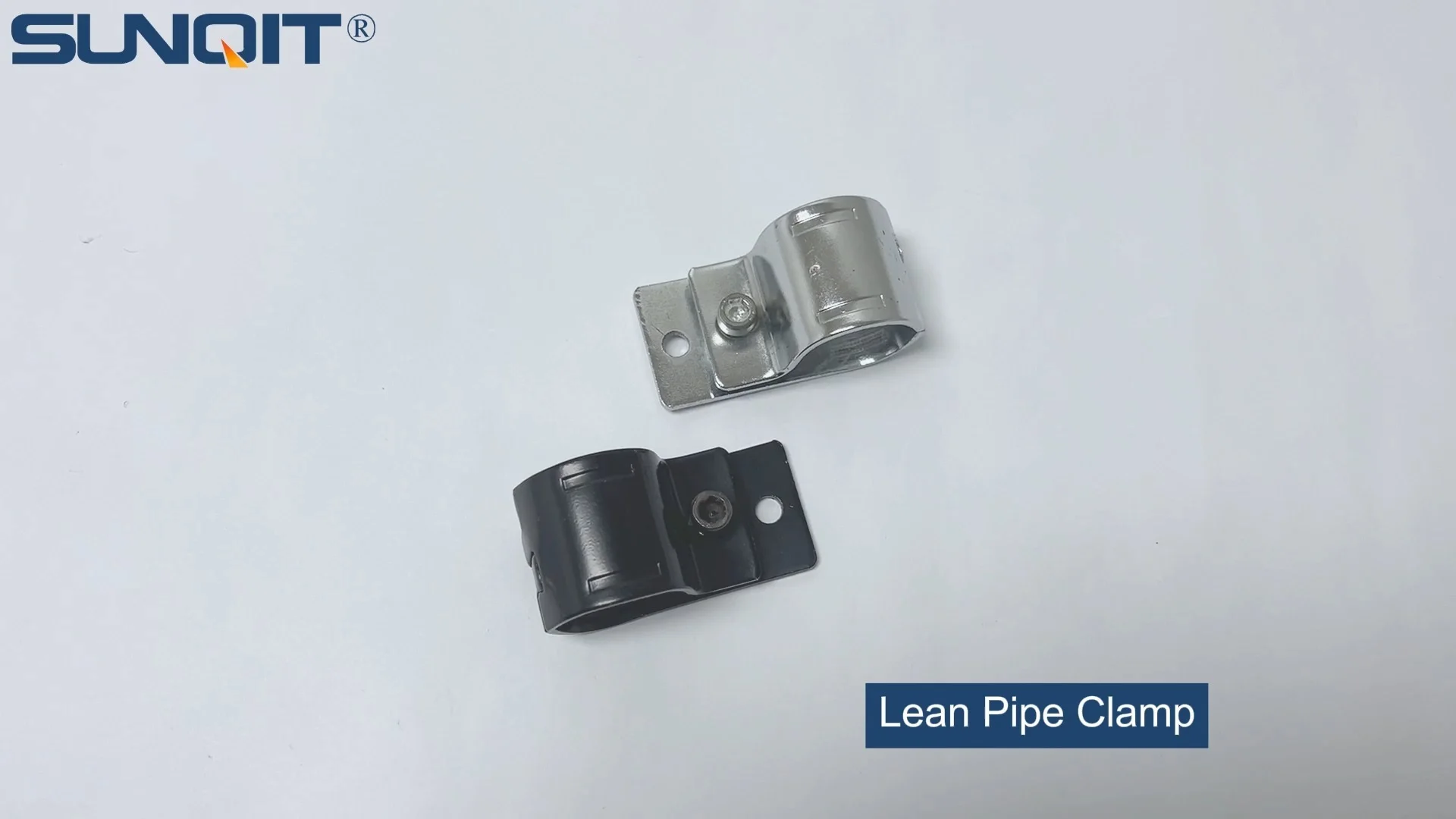
Lean Pipe Clamp
Lean pipe clamp is used for rack system hang monitor or other panel for workbenck, flowrack in production daily use.
Walk into any modern manufacturing facility, and you'll quickly notice the invisible force driving its success: efficiency. Every tool, every workstation, and every small component plays a role in keeping production lines moving, waste minimized, and teams productive. Yet, amid the buzz of machinery and the hum of assembly lines, some of the most critical innovations are the smallest ones—like the clamps that hold everything together. For decades, traditional clamps have been the backbone of factory setups, but as lean manufacturing principles reshape how we think about productivity, a new contender has emerged: the Lean Pipe Clamp B. In this article, we'll explore why this unassuming component is becoming a staple in lean systems worldwide, outshining traditional clamps in flexibility, durability, and adaptability.
Traditional Clamps: The Status Quo and Its Shortcomings
Before diving into what makes Lean Pipe Clamp B special, let's first understand the tool it's replacing. Traditional clamps—think bolt-on metal clamps, welded fasteners, or rigid plastic holders—have been around for generations. They're familiar, widely available, and initially cost-effective. For static production lines with unchanging workflows, they do the job: securing pipes, frames, or workbench components in place. But in today's manufacturing landscape, where "static" is a four-letter word, their limitations are becoming impossible to ignore.
Rigidity: The Enemy of Continuous Improvement
Lean manufacturing thrives on continuous improvement —the idea that processes should evolve, adapt, and get better over time. Traditional clamps, however, are designed for permanence. Once bolted or welded into place, adjusting their position means grabbing a wrench, drill, or even a cutting tool. Imagine a team needing to reconfigure a workstation to accommodate a new product line: with traditional clamps, that could take hours (or days) of unscrewing, repositioning, and re-securing. By the time the setup is done, production deadlines might have shifted, or the team might realize another adjustment is needed—wasting valuable time and effort.
Time-Consuming Installation: A Hidden Waste of Labor
Traditional clamps often require specialized tools and technical know-how. Installing a single clamp might involve measuring, aligning, drilling holes, and tightening bolts—steps that add up when scaling to an entire production line. For a small facility with 10 workstations, each using 5-10 clamps, that's hours of labor spent on setup alone. In lean terms, this is muda (waste)—time that could be better spent on value-adding tasks like assembly or quality checks.
Durability Issues: Wear and Tear Over Time
Many traditional clamps are made from low-grade steel or plastic, which degrade quickly under the stress of daily use. Metal clamps rust when exposed to moisture or chemicals; plastic clamps crack under heavy loads. Even when they don't break, their grip weakens over time, leading to loose components, wobbly workbenches, or misaligned flow racks. This isn't just a maintenance headache—it's a safety risk. A loose clamp could cause a tool to slip, a material rack to collapse, or a conveyor to jam, bringing production to a halt.
Lack of Compatibility: A One-Size-Fits-None Problem
Traditional clamps are often designed for specific pipe sizes, materials, or brands. A clamp that works with steel pipes might not fit aluminum ones; a plastic clamp for small-diameter tubes is useless for larger frames. In a lean system, where modularity and standardization are key, this lack of compatibility forces teams to stock multiple clamp types, increasing inventory costs and complicating repairs. It also limits the ability to repurpose old components—if you switch from steel to aluminum lean pipe, your existing clamps become obsolete.
Introducing Lean Pipe Clamp B: A Lean Manufacturing Game-Changer
Enter Lean Pipe Clamp B—a component engineered from the ground up to align with lean principles. At first glance, it might look similar to traditional clamps, but a closer inspection reveals thoughtful design choices that address every shortcoming of its predecessors. Let's break down what makes it different.
Design and Materials: Built for Flexibility
Lean Pipe Clamp B is typically made from high-grade aluminum or steel, coated with anti-corrosive finishes to withstand harsh factory environments. Unlike traditional clamps, which rely on fixed bolts or welds, it uses a cam-lock or friction-based mechanism that allows for tool-free adjustment. Picture this: instead of fumbling with a wrench, a worker can simply twist a knob or flip a lever to loosen the clamp, reposition it along a lean pipe, and lock it back in place—all in seconds. This design isn't just about speed; it's about adaptability . In a lean system, where workflows change weekly (or daily), the ability to reconfigure a workstation in minutes instead of hours is a game-changer.
Key Features: More Than Just a "Clamp"
What truly sets Lean Pipe Clamp B apart is its integration with the broader lean pipe ecosystem. It's not a standalone tool—it's part of a modular system that includes lean pipes, lean pipe joints, workbenches, and flow racks. This compatibility means it can be used to build everything from simple material carts to complex assembly lines, all while maintaining consistency and ease of adjustment. For example, pair it with an aluminum lean pipe, and you've got a lightweight, durable frame that can be disassembled, reconfigured, and reused for new projects. Add a few lean pipe joints, and suddenly you're building custom workstations tailored to specific tasks—no welding or drilling required.
Another standout feature is its ergonomic design. Traditional clamps often require tight gripping or awkward angles to adjust, leading to worker fatigue. Lean Pipe Clamp B, by contrast, is designed with user comfort in mind: rounded edges, easy-to-turn knobs, and a secure grip that doesn't slip under pressure. This might seem like a small detail, but over a full workday, it reduces strain and keeps teams focused on the task at hand—not on wrestling with tools.

Lean Pipe Clamp B vs. Traditional Clamps: A Head-to-Head Comparison
To truly see why Lean Pipe Clamp B is winning over manufacturers, let's put it side by side with traditional clamps across key metrics that matter in lean manufacturing.
| Metric | Traditional Clamps | Lean Pipe Clamp B |
|---|---|---|
| Flexibility | Rigid; requires tools and disassembly to reposition. Fixed to specific pipe sizes or materials. | Tool-free adjustment; can be repositioned along a lean pipe in seconds. Compatible with multiple pipe types (aluminum, steel, stainless steel). |
| Installation Time | 30+ minutes per clamp (including measuring, drilling, and securing). | 30 seconds per clamp (tool-free, no pre-drilling needed). |
| Durability | Prone to rust, cracking, or slipping over time. Limited lifespan (6–12 months with heavy use). | Corrosion-resistant materials; designed to withstand repeated adjustment. Lifespan of 5+ years with proper care. |
| Cost-Effectiveness | Low upfront cost, but high long-term expenses (replacement, labor for adjustments, downtime). | Slightly higher upfront cost, but lower total cost of ownership (reusable, minimal labor, reduced downtime). |
| Compatibility | Limited to specific pipe sizes or brands. Not reusable across different projects. | Works with standard lean pipe systems, lean pipe joints, and accessories. Reusable for endless configurations. |
| Worker Safety & Ergonomics | Sharp edges, requires tools (risk of injury). Awkward adjustment leads to fatigue. | Rounded edges, tool-free design. Ergonomic knobs reduce strain during use. |

Why Lean Manufacturing Systems Prefer Lean Pipe Clamp B
The table above tells a clear story: Lean Pipe Clamp B outperforms traditional clamps in nearly every category that matters to lean systems. But beyond the metrics, its value lies in how it enables the core principles of lean manufacturing. Let's explore why it's become a favorite among lean practitioners.
Supports Continuous Improvement (Kaizen)
Kaizen, or continuous improvement, is the heartbeat of lean manufacturing. It's about empowering teams to identify inefficiencies and make small, incremental changes to processes. Traditional clamps stifle this by making adjustments costly and time-consuming. Why bother suggesting a workstation tweak if it means hours of rework? Lean Pipe Clamp B removes this barrier. Teams can experiment with new layouts, test different workflows, and implement improvements on the spot—no waiting for maintenance or specialized tools. Over time, these small adjustments add up to significant gains in efficiency.
Reduces Waste (Muda)
Lean manufacturing aims to eliminate seven types of waste, and Lean Pipe Clamp B attacks several at once:
Time waste
: Faster setup and reconfiguration mean less downtime.
Material waste
: Reusable design reduces the need for new clamps when workflows change.
Overprocessing
: No more drilling unnecessary holes or welding fixed joints.
Defects
: Secure, consistent gripping reduces errors caused by loose components.
For example, a electronics manufacturer in Japan reported cutting setup time for a production line by 70% after switching to Lean Pipe Clamp B. Instead of spending two days reconfiguring workstations for a new product, the team now does it in under four hours—all while reusing 90% of their existing lean pipe and clamp components.
Enhances Adaptability for Modern Production
Today's manufacturers face a new challenge: customization . Consumers want products tailored to their needs, which means shorter production runs, frequent design changes, and flexible lines. Traditional clamps, built for mass production of identical items, can't keep up. Lean Pipe Clamp B, however, thrives in this environment. Need to add a new shelf to a material rack? Reposition the clamps. Want to adjust the height of a workbench for a taller worker? Twist a knob. It's the ultimate tool for "small-batch, high-mix" production, allowing facilities to pivot quickly without sacrificing speed or quality.
Improves Worker Morale and Safety
Happy, safe workers are productive workers. Traditional clamps often contribute to frustration: struggling with tools, dealing with loose components, or working in awkward positions. Lean Pipe Clamp B's user-friendly design changes this. Workers no longer feel like they're fighting their tools—they feel in control. This boost in morale translates to better focus, fewer errors, and lower turnover. Plus, its secure grip and ergonomic features reduce the risk of strains, cuts, or accidents, making workstations safer for everyone.

Real-World Impact: Case Studies
Numbers and features tell part of the story, but real-world examples show just how transformative Lean Pipe Clamp B can be. Let's look at two manufacturers that made the switch and never looked back.
Case Study 1: Automotive Parts Supplier
A mid-sized automotive parts supplier in Michigan was struggling with frequent line changes. Their production lines built components for multiple car models, each requiring different workstation setups. With traditional clamps, reconfiguring a line took 8–10 hours, leading to costly downtime. Workers often skipped adjustments to meet deadlines, resulting in ergonomic issues and occasional quality defects.
After switching to Lean Pipe Clamp B and a full lean pipe system, the company saw dramatic results:
• Line reconfiguration time dropped to 1–2 hours.
• Worker-reported fatigue decreased by 40%.
• Defect rates fell by 25% due to more stable workbench setups.
• Over two years, the investment in Lean Pipe Clamp B paid for itself through reduced downtime and lower replacement costs.
Case Study 2: Medical Device Manufacturer
A medical device manufacturer in Germany needed to comply with strict safety regulations, which required frequent audits and workstation validations. Traditional clamps made this process painful: every adjustment meant re-drilling holes, which required re-validation and documentation. This slowed down improvements and frustrated the team.
By adopting Lean Pipe Clamp B, the manufacturer gained the flexibility to adjust workstations without altering the underlying structure. Auditors praised the system for its traceability (each clamp could be tracked and documented easily), and the team reduced validation time by 60%. Today, they use Lean Pipe Clamp B to build custom workstations for new products in days, not weeks.
Addressing Common Concerns
If Lean Pipe Clamp B is so great, why isn't everyone using it? Let's address the most common concerns manufacturers have when considering the switch.
"It's More Expensive Upfront"
It's true: Lean Pipe Clamp B costs more than basic traditional clamps. But this is a classic case of "pay now or pay later." Traditional clamps require frequent replacement, tools, and labor for adjustments—costs that add up over time. A 2023 study by the Lean Manufacturing Institute found that facilities using Lean Pipe Clamp B saved 30–50% on clamp-related expenses over three years compared to those using traditional clamps.
"We're Used to Traditional Clamps—Training Will Take Time"
Change can be intimidating, but Lean Pipe Clamp B is designed to be intuitive. Most workers master its use in under 10 minutes. Many suppliers even offer free training sessions to help teams get up to speed. In fact, workers often prefer it once they try it—no one misses wrestling with wrenches.
"Will It Work with Our Existing Equipment?"
Yes! Lean Pipe Clamp B is compatible with most standard lean pipes, aluminum profiles, and even some traditional pipe sizes. Manufacturers can transition gradually, replacing clamps as they wear out, without overhauling their entire system. This "hybrid" approach makes the switch low-risk and budget-friendly.
Conclusion: The Future of Lean Manufacturing is Flexible
In the world of lean manufacturing, success hinges on the ability to adapt, improve, and eliminate waste. Traditional clamps, while reliable in their day, are relics of a less dynamic era—one where production lines stayed the same for years, and change was seen as a disruption. Lean Pipe Clamp B, by contrast, is a tool for the future: built for flexibility, designed for workers, and engineered to support continuous improvement.
Whether you're running a small workshop or a large-scale production facility, the message is clear: the right clamp isn't just a fastener—it's a catalyst for efficiency. Lean Pipe Clamp B doesn't just hold things together; it holds the key to a more productive, adaptable, and worker-friendly manufacturing floor. As more companies embrace lean principles, expect to see this small but mighty component at the heart of their success.
So, the next time you walk through a manufacturing facility, take a closer look at the clamps. Chances are, if it's a lean operation, you'll spot Lean Pipe Clamp B—quietly revolutionizing how we build, adjust, and improve the systems that power our world.