- Company Articles
- Products and Technology
- Product knowledge
- Lean Pipe Clamp Chrome: A Key to Sustainable and Reusable Manufacturing Systems

Lean Pipe Clamp Chrome: A Key to Sustainable and Reusable Manufacturing Systems
Related Product
Lean Pipe Clamp Chrome
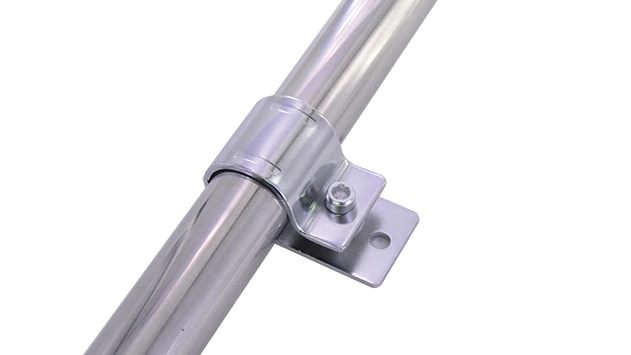
Lean pipe clamp is used for rack system hang monitor or other panel for workbenck, flowrack in production daily use.
In the bustling world of manufacturing, where every second and every resource counts, the difference between a struggling factory and a thriving one often lies in the details. We hear a lot about "lean manufacturing"—the philosophy of cutting waste and boosting efficiency—but what about the physical tools that make lean possible? Enter the unsung hero of factory floors everywhere: the lean pipe clamp chrome. This small, unassuming component is the quiet force behind the flexible workbenches, adaptable material racks, and dynamic assembly lines that define modern, sustainable manufacturing. Today, we're pulling back the curtain to explore how this simple clamp is reshaping the industry, one connection at a time.
The Foundation: What Makes a Lean System Tick?
Before we dive into the specifics of lean pipe clamp chrome, let's ground ourselves in what a "lean system" really means. At its core, lean is about creating more value with less waste. Think of it as tidying up your workspace, but on an industrial scale: removing unnecessary steps, streamlining workflows, and making sure every tool and process has a purpose. But here's the thing: you can't run a lean operation with clunky, fixed infrastructure. A factory that relies on welded steel workbenches or permanent shelving can't pivot when a new product comes in or demand shifts. That's where modular components like lean pipes, lean pipe joints, and clamps step in.
Lean systems are built on adaptability. They use lightweight, easy-to-assemble parts that let workers design, build, and reconfigure structures in hours, not weeks. Imagine needing a new workstation for a rush order: with lean components, you grab some lean pipes, connect them with joints and clamps, and voilà—you've got a custom setup. No welding, no special tools, no waiting for contractors. And when the rush is over? Take it apart, store the parts, and reuse them later. This flexibility is the heartbeat of lean manufacturing, and the lean pipe clamp chrome is the vital valve that keeps that heartbeat steady.
Meet the Lean Pipe Clamp Chrome: More Than Just a "Clamp"
Let's start with the basics: What exactly is a lean pipe clamp chrome? Picture a sturdy, metal clamp designed to hold two lean pipes together. But it's the "chrome" part that elevates it from ordinary to extraordinary. Most clamps are made of steel, but chrome plating adds a thin layer of chromium to the surface. Why does that matter? Chromium is tough—it resists rust, scratches, and corrosion, even in the messy, humid environments of factories where oils, coolants, and moisture are part of daily life. Unplated steel clamps rust; plastic clamps crack under pressure; but chrome-plated clamps? They keep going, year after year.
But durability is just the start. The real magic of lean pipe clamp chrome is in its design. These clamps are engineered for speed and versatility . Most use a simple screw or lever mechanism that lets you tighten or loosen them by hand or with a basic wrench. No need for power tools or technical expertise—any worker on the floor can assemble or disassemble a structure. This means less downtime when reconfiguring workspaces, and more time spent on actual production. And because they're compatible with standard lean pipes (those 28mm or 30mm hollow tubes you see everywhere) and lean pipe joints, they fit seamlessly into existing systems, no matter the brand or setup.

Why Chrome? The Hidden Benefits of Plating
You might be wondering: Why chrome? Why not just use regular steel or plastic? Let's break down the advantages of chrome plating, because they're bigger than you might think:
Corrosion Resistance: Factories are tough on equipment. Spills, humidity, and even the chemicals in cleaning products can eat away at unprotected metal. Chrome acts as a shield, preventing rust and degradation. A chrome-plated clamp can survive years in these conditions, while an unplated one might start rusting in months.
Strength Without Bulk: Chrome plating adds minimal weight but maximum strength. The clamp remains lightweight enough to handle easily, but strong enough to hold heavy loads—critical for structures like workbenches that need to support tools, parts, and sometimes even workers.
Reusability: Here's where sustainability comes in. A rusted or cracked clamp ends up in the trash. A chrome-plated clamp? You can take it apart, wipe it down, and use it again and again. This reusability cuts down on waste and reduces the need to buy new parts, which is better for both the planet and your budget.
Professional Finish: Let's not overlook aesthetics. Chrome-plated clamps have a clean, shiny look that makes workspaces feel more organized and professional. A tidy factory isn't just nicer to work in—it's also a sign of efficiency, which matters for morale and customer perception.
Key Features That Make Lean Pipe Clamp Chrome Indispensable
To really understand why lean pipe clamp chrome is a game-changer, let's look at its standout features. These aren't just "nice-to-haves"—they're the reasons factories around the world rely on this component:
1. Tool-Free Assembly (Mostly)
Gone are the days of fumbling with welding torches or waiting for a maintenance crew to bolt parts together. Most lean pipe clamp chrome models can be tightened by hand or with a simple hex key. This means a team can build a basic workbench in under an hour, or reconfigure a material rack during a lunch break. For manufacturers dealing with tight deadlines or frequent product changes, this speed is invaluable.
2. Precision Adjustability
Not all pipes are perfectly aligned, and not all structures need the same level of tightness. Lean pipe clamp chrome solves this with adjustable tension. Need a rock-solid connection for a heavy-duty shelf? Crank the clamp down tight. Building a lightweight cart that might need tweaks later? Leave it a little looser for easy adjustments. This flexibility ensures that every structure is built exactly to the job's needs.
3. Universal Compatibility
The best tools play well with others, and lean pipe clamp chrome is no exception. It's designed to work with standard lean pipes (both steel and aluminum), as well as most lean pipe joints. This means you're not locked into one brand—you can mix and match parts from different suppliers, which is a huge plus for cost savings and reducing waste (no need to replace all your components if you switch suppliers).
4. Low Maintenance
Factories don't have time for high-maintenance equipment. Chrome plating makes these clamps easy to care for: a quick wipe with a damp cloth removes dirt and grime, and the corrosion resistance means you don't have to worry about rust even in damp environments. Unlike plastic clamps, which can degrade in sunlight or crack in cold temperatures, chrome-plated steel stands up to whatever the factory throws at it.
How Does It Compare? A Clamp Showdown
To really appreciate lean pipe clamp chrome, let's compare it to two common alternatives: plastic clamps and unplated steel clamps. The table below breaks down how they stack up in key areas:
| Feature | Lean Pipe Clamp Chrome | Plastic Clamp | Unplated Steel Clamp |
|---|---|---|---|
| Durability | High (lasts 10+ years with proper care) | Low (prone to cracking, UV damage) | Medium (rusts over time in humid environments) |
| Weight Capacity | High (supports heavy loads without bending) | Low (best for lightweight structures only) | High (but strength decreases as rust forms) |
| Reusability | Excellent (can be disassembled and reused indefinitely) | Poor (often cracks during disassembly) | Fair (rust makes reuse difficult after a few years) |
| Cost Over Time | Low (initial cost higher, but no need for frequent replacement) | High (cheap upfront, but needs replacing often) | Medium (moderate upfront cost, but replacement needed due to rust) |
| Environmental Impact | Low (reusability reduces waste) | High (ends up in landfills quickly) | Medium (rusted clamps are waste, but steel is recyclable) |
The takeaway? While plastic clamps might be cheaper upfront and unplated steel might seem like a middle ground, lean pipe clamp chrome offers the best long-term value—especially for factories committed to sustainability and efficiency.
Real-World Applications: Where Lean Pipe Clamp Chrome Shines
Now that we understand the "why," let's look at the "how." Where exactly do you find lean pipe clamp chrome in action? Here are two common applications that highlight its versatility:
1. Custom Workbenches: The Heart of the Factory
Every factory needs workbenches, but no two factories need the same kind. A electronics plant might need a bench with ESD protection (to prevent static damage), while a furniture maker needs one that can handle heavy wood planks. Lean pipe clamp chrome makes it possible to build a bench that fits your exact needs—today, tomorrow, and next year.
Here's how it works: Start with a frame of lean pipes. Use clamps to connect the vertical legs to the horizontal rails. Add a top (wood, metal, or even a surface for ESD workbenches). Need shelves? Clamp on some extra pipes. Want to hang tools? Add hooks using—you guessed it—more clamps. Six months later, when you need a taller bench? Loosen the clamps, adjust the legs, retighten. No need to buy a new bench—just reconfigure the old one. This adaptability cuts down on waste and keeps your workspace aligned with your changing needs.
2. Turnover Trolleys and Material Racks: Moving Parts with Ease
Material handling is a big part of factory life—moving parts from storage to assembly, finished products to shipping, and so on. Turnover trolleys (mobile carts) and material racks need to be sturdy, easy to move, and able to hold different-sized items. Lean pipe clamp chrome makes this possible without the hassle of custom fabrication.
To build a turnover trolley, you start with a base frame of lean pipes, clamped together at the corners. Add casters (wheels) to the bottom, and suddenly you've got mobility. Need to carry small parts? Clamp dividers into the frame to create compartments. Moving large, bulky items? Remove the dividers and reinforce the frame with extra clamps for stability. And when the trolley isn't needed anymore? Take it apart and use the pipes and clamps to build a material rack. This "one set of parts, multiple uses" approach is the epitome of lean thinking—and it's all thanks to the humble clamp.
Sustainability: Lean Pipe Clamp Chrome and the Circular Economy
Sustainability isn't just a buzzword—it's a business imperative. Customers, regulators, and employees all care about reducing environmental impact, and lean pipe clamp chrome plays a small but significant role in this effort. Here's how:
Reduced Waste: The average factory generates tons of waste each year from broken or obsolete equipment. Lean pipe clamp chrome's durability and reusability mean fewer clamps end up in landfills. Instead of replacing a rusted clamp every few years, you reuse the same one for decades.
Lower Carbon Footprint: Manufacturing new clamps requires energy, raw materials, and transportation. By reusing existing clamps, you reduce the demand for new production—cutting down on greenhouse gas emissions and resource depletion.
Support for Lean Principles: At its core, lean is about waste reduction, which aligns perfectly with sustainability. By enabling flexible, adaptable systems, lean pipe clamp chrome helps factories avoid overproduction, excess inventory, and unnecessary transportation—all key sources of waste.
In short, lean pipe clamp chrome isn't just good for your bottom line—it's good for the planet, too.
Choosing the Right Clamp: Tips for Buyers
Not all lean pipe clamp chrome products are created equal. Here are a few things to keep in mind when shopping:
Material Thickness: Look for clamps made from thick, high-quality steel. Thinner steel might bend under heavy loads, defeating the purpose of a sturdy clamp.
Chrome Plating Quality: Check that the plating is even and free of bubbles or cracks. Poor plating will chip or rust, reducing the clamp's lifespan.
Compatibility: Make sure the clamp fits your existing lean pipes and joints. Most clamps are designed for standard 28mm or 30mm pipes, but double-check the measurements to avoid frustration.
Supplier Reliability: Buy from a reputable lean pipe supplier. A good supplier will offer warranties, stand behind their products, and help you find the right components for your needs.
Final Thoughts: The Clamp That Connects It All
In the world of manufacturing, it's easy to get excited about big machines and fancy software. But the true innovators know that success lies in the details—the small, often overlooked components that make the big picture possible. Lean pipe clamp chrome is one of those details. It's not flashy, but it's essential. It turns ordinary pipes into extraordinary structures. It turns rigid workspaces into adaptable ones. And it turns wasteful practices into sustainable ones.
So the next time you walk through a factory, take a moment to look at the workbenches, the trolleys, the racks. Chances are, you'll see the glint of chrome holding it all together—a quiet reminder that sometimes, the smallest tools are the ones that build the biggest futures.