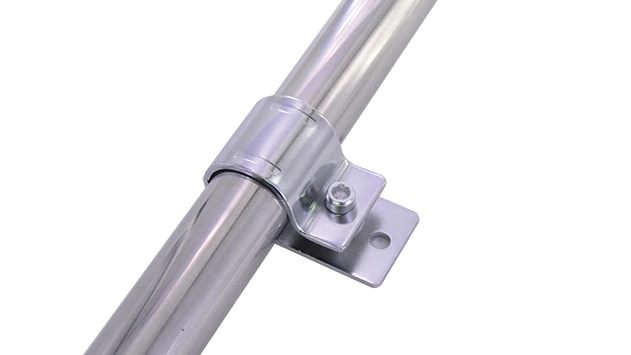
Misaligned lean pipe clamp chrome might seem like a persistent problem, but it's far from unsolvable. With the right strategies, you can prevent alignment issues from occurring and fix existing ones quickly. Here's how:
1. Start with Quality Components: Choose the Right Supplier
The first line of defense is selecting high-quality lean pipe clamp chrome from reputable suppliers. Look for suppliers who:
-
Provide detailed specifications (tolerances, torque ratings, material composition).
-
Use precision manufacturing processes (e.g., CNC machining) to ensure consistent clamp dimensions.
-
Offer corrosion-resistant finishes (like thick, even chrome plating) to withstand harsh environments.
It's also worth investing in sample testing. Order a small batch of clamps and test them under realistic conditions—attach them to your typical lean pipe and aluminum profiles, apply pressure, and check for slippage or misalignment. This upfront effort saves time and money in the long run.
2. Train Teams on Proper Installation: Precision Over "Good Enough"
Even the best clamps fail with poor installation. Train your team to follow these steps:
Step 1: Prep the Surface:
Ensure lean pipes and aluminum profiles are clean and free of debris. A small speck of dirt can prevent the clamp from sitting flush.
Step 2: Align Before Tightening:
Use a level or straightedge to ensure the pipe and clamp are perpendicular to the frame. Mark the position with a pencil if needed.
Step 3: Use Torque Wrenches:
Ditch the "by feel" approach. Use a torque wrench set to the manufacturer's recommended setting (e.g., 12-15 Nm for most steel clamps). This prevents over-tightening or under-tightening.
Step 4: Check for Gaps:
After installation, inspect the clamp for gaps between the clamp and pipe/profile. If you can slide a piece of paper into a gap, the clamp isn't seated properly.
Consider creating a visual installation guide with photos or videos—this is especially helpful for new team members or temporary staff.
3. Address Material Compatibility: Plan for Expansion and Contraction
When designing lean systems, account for material differences:
-
Group Similar Materials:
Whenever possible, connect steel pipes to steel components and aluminum profiles to aluminum. This minimizes differential expansion.
-
Use Flexible Joints:
For mixed-material connections, use lean pipe joints with built-in flexibility (e.g., swivel joints) that can absorb expansion without twisting clamps.
-
Allow for Clearance:
In high-temperature areas, leave small gaps between components to accommodate expansion. This prevents clamps from being "squeezed" out of alignment.
4. Implement a Preventive Maintenance Routine
Don't wait for alignment issues to cause problems—catch them early with regular inspections. Here's a sample maintenance schedule:
Daily Checks:
Have operators visually inspect their workbenches and nearby roller tracks for wobbling or gaps. Encourage them to report issues immediately.
Weekly Inspections:
Assign a maintenance team to check clamps on high-traffic systems (e.g., main roller tracks, heavy-duty workbenches). Tighten loose clamps and replace any with visible damage (e.g., cracked chrome, stripped threads).
Monthly Deep Dives:
Use torque wrenches to verify clamp tightness across the facility. Clean clamps with a mild detergent to remove grease and debris, which can hide misalignment.
Quarterly Replacements:
Even well-maintained clamps wear out. Plan to replace clamps in high-stress areas (e.g., near vibrating machinery) every 6-12 months, depending on use.
5. Upgrade to Self-Aligning or Locking Clamps
For problem areas, consider investing in specialized clamps designed to resist misalignment. Self-aligning clamps use ball-and-socket joints to automatically adjust to minor pipe irregularities. Locking clamps feature secondary mechanisms (e.g., set screws or teeth) that grip the pipe more securely, preventing rotation. While these clamps cost more upfront, they reduce maintenance time and downtime significantly.