- Company Articles
- Products and Technology
- Product knowledge
- Lean Pipe Clamp Chrome Basics: How It Supports Flexible Production

Lean Pipe Clamp Chrome Basics: How It Supports Flexible Production
Related Product
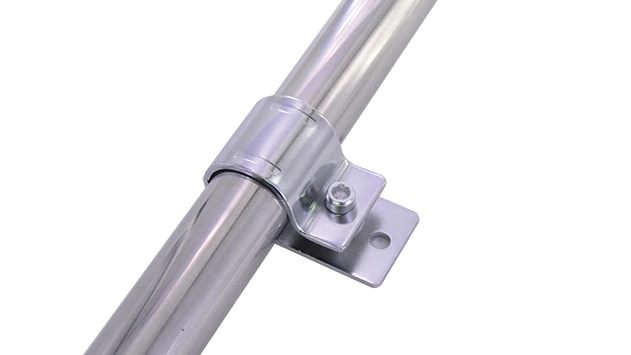
Lean Pipe Clamp Chrome
Lean pipe clamp is used for rack system hang monitor or other panel for workbenck, flowrack in production daily use.
Walk into any modern manufacturing facility today, and you'll likely notice a common challenge: the pressure to stay agile. Production lines that once ran the same process for years now need to switch between products in days, even hours. Customer demands shift overnight, and competitors are quick to adapt—so rigid, one-size-fits-all equipment just doesn't cut it anymore. This is where lean manufacturing principles step in, and at the heart of many lean systems lies a small but mighty component: the lean pipe clamp chrome . It's not the flashiest tool on the factory floor, but it's a quiet workhorse that turns rigid production setups into flexible, adaptable workspaces. Let's dive into what makes this clamp so essential, how it integrates with lean systems, and why it's become a cornerstone of flexible production.
What Even Is a Lean Pipe Clamp Chrome?
Let's start with the basics. A lean pipe clamp chrome is exactly what it sounds like: a clamp designed to connect and secure lean pipes (also called "lean tubes") in a modular workstation or material handling system. But don't let the simplicity fool you—its design is intentional. These clamps are typically made from high-quality steel, then coated in a layer of chrome to boost durability and resistance to corrosion. The chrome finish isn't just for looks; it stands up to the daily wear and tear of factory environments, from oil spills to constant handling, ensuring the clamp stays functional for years.
What really sets these clamps apart, though, is their modularity. Unlike welded or permanently fixed connections, a lean pipe clamp chrome lets you assemble, disassemble, and reconfigure structures with minimal effort. Think of it like building with advanced Lego blocks—each clamp acts as a connector that holds pipes, shelves, or panels together, but you can take it apart and rebuild something entirely new whenever you need. This modularity is why it's such a favorite in lean manufacturing: it aligns perfectly with the principle of "eliminating waste," especially the waste of rigid, inflexible equipment that can't adapt to change.
Key Features That Make It Indispensable
Not all clamps are created equal, and lean pipe clamp chrome has a few standout features that make it ideal for flexible production. Let's break them down:
1. Chrome Plating: Durability That Lasts
Factory floors are tough on equipment. Moisture, chemicals, and constant friction can corrode unprotected metal, turning a sturdy clamp into a rusted, unreliable mess. The chrome coating on these clamps acts as a shield. It resists scratches, repels water, and stands up to exposure to oils and cleaning agents—common in industries like automotive or electronics manufacturing. This means your clamps won't degrade over time, even in high-traffic areas. For example, a lean pipe workbench in a busy assembly line might get bumped, wiped down, or splashed with coolant daily; a chrome clamp ensures the bench stays stable and secure, day in and day out.
2. Tool-Free (or Minimal-Tool) Assembly
Ever tried to reconfigure a workstation with a wrench, screwdriver, and a team of technicians? It's time-consuming, frustrating, and disruptive. Lean pipe clamp chrome changes that. Most models are designed for quick assembly—some use a simple thumb screw, others a hex key (and even then, just a few turns). This means a single worker can adjust a shelf height, add a new section to a material rack, or reposition a conveyor in minutes, not hours. No more waiting for maintenance crews or shutting down production for reconfigurations. That's flexibility in action.
3. Compatibility with Lean Pipe Joints
A clamp is only as useful as the system it connects to, and lean pipe clamp chrome plays well with others—specifically, lean pipe joints . These joints are the "elbows" and "tees" of the modular world, allowing pipes to connect at angles, split into branches, or form stable frames. The clamps secure these joints in place, ensuring the entire structure stays rigid under load but can still be taken apart when needed. Together, clamps and joints form the backbone of modular workstations, material racks, and even flow racks. It's a system built on collaboration, where each component enhances the others' strengths.
4. Load-Bearing Strength Without the Bulk
You might assume a lightweight, modular clamp would struggle with heavy loads, but that's not the case here. Lean pipe clamp chrome is engineered to balance strength and weight. Most can support hundreds of pounds per connection, depending on the pipe diameter and setup. For example, a material rack built with these clamps can easily hold boxes of components, while a workbench might support heavy machinery or tools. This strength-to-weight ratio is crucial for flexible production—you don't want a workstation that wobbles under load, but you also don't want something so heavy it's impossible to move or reconfigure.

How It Fits Into the Bigger Picture: Lean Systems
To really understand the value of a lean pipe clamp chrome, you need to see it as part of a larger lean system . Lean manufacturing is all about maximizing value while minimizing waste—waste of time, space, materials, and effort. A lean system isn't just a set of tools; it's a mindset that prioritizes adaptability and efficiency. And the clamp? It's the glue that holds this mindset together in physical form.
Imagine a traditional production line: fixed conveyor belts bolted to the floor, workbenches welded into place, material racks that can't be adjusted. If you need to switch from making Product A to Product B, you're stuck. You might have to tear out equipment, buy new racks, or waste hours rearranging heavy furniture. That's waste—waste of time, money, and labor. Now, replace those fixed connections with lean pipe clamp chrome. Suddenly, the conveyor can be shortened or lengthened by unclamping and repositioning pipes. The workbench can have its height adjusted to fit a new tool. The material rack can be expanded to hold larger boxes. All of this happens without cutting, welding, or specialized tools. That's lean in action: the system adapts to the work, not the other way around.
| Feature | Lean Pipe Clamp Chrome | Traditional Fixed Clamps | Plastic Modular Clamps |
|---|---|---|---|
| Corrosion Resistance | High (chrome coating) | Low (prone to rust if uncoated) | Medium (varies by plastic type) |
| Reconfigurability | Tool-free/minimal tools, quick adjustments | Requires welding/cutting; not reusable | Tool-free, but less durable over time |
| Load Capacity | High (supports heavy loads reliably) | High, but fixed in place | Low to medium (not ideal for heavy use) |
| Longevity | 5–10+ years (with proper care) | Until reconfiguration is needed (then obsolete) | 2–3 years (prone to cracking/wear) |
| Cost Efficiency | Higher upfront, but lower long-term (reusable) | Low upfront, high long-term (frequent replacements) | Low upfront, high long-term (needs frequent replacement) |
This table shows why lean pipe clamp chrome stands out. Traditional clamps might be cheap initially, but they lock you into a single setup—when your needs change, you're forced to buy new equipment. Plastic clamps are modular but lack the durability for heavy industrial use. Chrome clamps, on the other hand, offer the best of both worlds: adaptability and longevity. They're an investment that pays off every time you reconfigure a workstation, expand a material rack, or repurpose a conveyor.
Real-World Applications: Where It Shines in Flexible Production
Enough theory—let's talk about how lean pipe clamp chrome actually gets used on the factory floor. Its versatility means you'll find it in industries from automotive to electronics, pharmaceuticals to logistics. Here are a few common applications:
1. Workstations That Grow With Your Needs
A lean pipe workbench is one of the most popular uses for these clamps. Picture a workbench in an electronics assembly line: it needs to hold circuit boards, tools, bins of components, and maybe a small testing device. With lean pipe clamp chrome, the bench can start as a simple tabletop. As the product line expands, you can add shelves above for storage, attach tool holders on the side, or even add a small conveyor to feed parts directly to the worker. If the assembly process changes, you can lower the table height for seated work, or widen it to accommodate a new machine. No need to buy a whole new bench—just reconfigure the existing one with a few clamps.
2. Material Racks That Adapt to Inventory
Material storage is a constant headache in manufacturing. Seasonal demand, new product launches, or supply chain delays can all change how much space you need for inventory. A fixed metal rack might leave you with empty shelves one month and overflow the next. But a rack built with lean pipe clamp chrome? It's adjustable. Need more vertical space? Add another shelf by clamping on a few extra pipes. Need wider shelves for larger boxes? Reposition the clamps to spread the supports apart. Even better, if the rack isn't needed in one area anymore, you can take it apart and rebuild it in a new location—no wasted space, no wasted money.
3. Conveyors and Flow Racks for Smooth Material Flow
In lean systems, "flow" is everything—materials should move seamlessly from one step to the next, without bottlenecks or delays. Lean pipe clamp chrome is perfect for building custom conveyors or flow racks. For example, a roller track (often used in flow racks) can be mounted to a frame using these clamps, allowing boxes to glide from storage to the production line. If the workflow changes—say, the production line moves to a new area—the conveyor can be disassembled, moved, and rebuilt in hours. Traditional conveyors, bolted to the floor, would require heavy machinery and days of downtime to relocate.
4. Mobile Trolleys for On-the-Go Flexibility
Not all work stays in one place. Mobile trolleys are essential for moving materials between stations, and lean pipe clamp chrome makes them easy to customize. A trolley might start as a simple flatbed for transporting tools, but with a few clamps, you can add dividers to separate parts, attach bins for small components, or even mount a laptop holder for digital work instructions. And since the clamps are secure but removable, you can rework the trolley whenever your needs change—no more buying a new trolley for every new task.
The Benefits: Why It's Worth the Investment
By now, you might be thinking, "This sounds great, but is it worth the cost?" Let's break down the benefits to see why so many manufacturers swear by lean pipe clamp chrome:
Reduced Downtime:
Reconfiguring a workstation with these clamps takes minutes, not days. That means less time waiting for equipment changes and more time producing.
Lower Long-Term Costs:
Instead of buying new equipment every time your needs change, you reuse the same pipes and clamps. Over time, this adds up to significant savings.
Improved Ergonomics:
Workers come in all shapes and sizes, and a one-size-fits-all workstation can lead to fatigue or injury. With adjustable clamps, you can tailor workbenches and racks to individual needs—raising or lowering heights, adding footrests, or positioning tools at arm's reach.
Space Optimization:
Factories pay for every square foot, so wasted space is wasted money. Modular setups let you shrink, expand, or rearrange equipment to fit the available space perfectly.
Scalability:
As your business grows, your lean system grows with you. Add more pipes, clamps, and joints to expand workstations or material handling setups without overhauling everything.
Installation Tips: Getting Started the Right Way
Ready to try lean pipe clamp chrome in your facility? Here are a few tips to ensure a smooth setup:
Start with a Plan (But Stay Flexible)
Before you start clamping pipes together, sketch out what you need. Will it be a workbench? A material rack? How tall, wide, or deep does it need to be? What will it hold? Having a rough plan helps, but remember: the beauty of these clamps is flexibility. If something doesn't work as expected, you can easily adjust later.
Invest in Quality Pipes and Joints
The clamp is only as strong as the pipes and joints it connects. Opt for high-quality lean pipes (often made of steel or aluminum) and compatible lean pipe joints . Cheap pipes might bend under load, and ill-fitting joints can make the entire structure wobbly.
Don't Over-Tighten (But Don't Under-Tighten Either)
Chrome clamps are designed to grip pipes securely without damaging them. Over-tightening can strip threads or warp the clamp, while under-tightening can lead to instability. Follow the manufacturer's guidelines for torque, and check connections regularly—especially after heavy use.
Train Your Team
Even the most user-friendly tools need a quick tutorial. Spend 10–15 minutes showing your team how to assemble, disassemble, and adjust clamps. The more comfortable they are with the system, the more likely they are to use it to its full potential—suggesting improvements or reconfiguring their own workspaces as needed.
Looking Ahead: The Future of Flexible Production
As manufacturing continues to evolve—with trends like automation, IoT, and mass customization—flexibility will only become more critical. Lean pipe clamp chrome might seem like a simple tool, but its role in enabling this flexibility can't be overstated. We're already seeing innovations, like clamps with built-in sensors to monitor load or wear, or eco-friendly chrome alternatives that reduce environmental impact. But even as technology advances, the core appeal of these clamps remains: they're simple, reliable, and adaptable.
In a world where change is the only constant, having equipment that can keep up isn't just a luxury—it's a necessity. Lean pipe clamp chrome doesn't just support flexible production; it empowers it. It turns "we can't" into "we can reconfigure," "we can adapt," and "we can grow." And in manufacturing, that's the difference between falling behind and leading the pack.
Final Thoughts: Small Clamps, Big Impact
At the end of the day, a lean pipe clamp chrome is a small component. It doesn't have flashy buttons or complex software. But in the context of a lean system, it's transformative. It's the reason a factory can switch from making smartphones to tablets in a week, or why a small manufacturer can compete with larger players by staying nimble. It's proof that sometimes, the most powerful tools are the ones that quietly get the job done—over and over, in new ways, for years on end.
So, the next time you walk through a manufacturing facility, take a closer look at those workbenches, racks, and conveyors. Chances are, there's a lean pipe clamp chrome holding them together—and behind that clamp? A team that's ready to adapt, innovate, and thrive in an ever-changing world.