- Company Articles
- Products and Technology
- Procurement Guidelines
- Lean Pipe Clamp Chrome Buying Guide: Sizes, Specifications & Standards

Lean Pipe Clamp Chrome Buying Guide: Sizes, Specifications & Standards
Related Product
Lean Pipe Clamp Chrome
Lean pipe clamp is used for rack system hang monitor or other panel for workbenck, flowrack in production daily use.
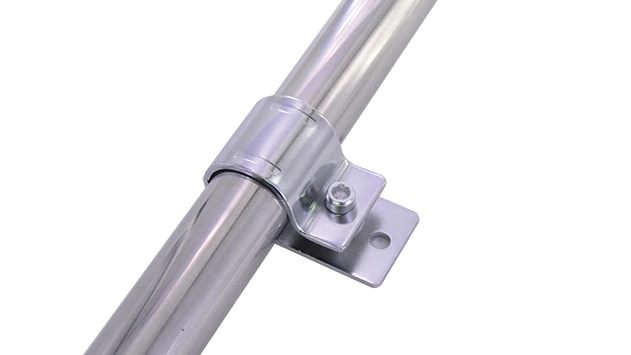
Walk into any modern manufacturing facility, warehouse, or workshop, and you'll likely spot a network of sleek, modular structures—workstations, material racks, assembly lines—held together by unassuming yet critical components. Among these, the lean pipe clamp chrome stands out as a workhorse, silently ensuring stability, flexibility, and durability in lean systems. Whether you're setting up a new production line, upgrading an existing workstation, or sourcing parts for a custom project, choosing the right lean pipe clamp chrome can make or break the efficiency and longevity of your setup. But with so many sizes, specs, and standards to sift through, where do you start? This guide breaks down everything you need to know to make an informed decision, from understanding key specifications to avoiding common pitfalls.
Why Lean Pipe Clamp Chrome Matters in Your Lean System
Before diving into sizes and specs, let's take a moment to appreciate why these clamps are so essential. Lean manufacturing and workflow optimization rely on modularity—being able to reconfigure workspaces quickly as needs change. Lean pipe clamps are the linchpins of this flexibility. Unlike welded or fixed connections, they let you assemble, disassemble, and rearrange pipes and structures with minimal tools, saving time and reducing waste. And when those clamps are chrome-plated? You add a layer of corrosion resistance, strength, and professionalism to the mix, making them ideal for environments where durability and aesthetics matter equally.
Think of it this way: A poorly chosen clamp might slip, bend, or rust after a few months, forcing you to replace parts, halt production, or even risk workplace accidents. On the flip side, a high-quality lean pipe clamp chrome ensures your structures stay tight and reliable, even under daily wear and tear. It's not just a "part"—it's an investment in the efficiency and safety of your entire operation.
Types of Lean Pipe Clamp Chrome: Sizes and Applications
Lean pipe clamps come in a range of sizes, each tailored to specific pipe diameters and use cases. The most common sizes are determined by the outer diameter of the lean pipes they're designed to hold, with 16mm and 28mm being industry standards. Let's break down the options:
16mm Lean Pipe Clamp Chrome: Light-Duty Precision
The 16mm clamp is the go-to for light to medium-duty applications. These are often used in electronics assembly, small parts storage, or workbenches where the load is relatively low—think tools, small components, or lightweight materials. Their compact size makes them perfect for tight spaces, like under-shelf racks or portable trolleys. If you're working with plastic-coated or aluminum lean pipes (common in ESD-sensitive environments, like semiconductor labs), 16mm clamps are usually the best fit, as they exert just enough pressure to hold the pipe without damaging the coating.
28mm Lean Pipe Clamp Chrome: Heavy-Duty Workhorses
When the going gets tough, the 28mm clamp steps in. These are built for heavy-duty tasks, such as automotive manufacturing, large parts storage, or material handling systems where pipes need to support significant weight—think engine components, metal sheets, or bulk inventory. The larger size distributes pressure more evenly across thicker pipes (often steel or stainless steel), reducing the risk of bending or slippage. If your setup involves workbench"> workbenches with heavy machinery or multi-tiered material racks, 28mm clamps are non-negotiable.
Specialty Sizes: Mini and Custom Clamps
Beyond the standard 16mm and 28mm, you'll find mini clamps (as small as 10mm) for ultra-light applications, like desktop organizers or hobbyist projects. Some manufacturers also offer custom sizes for unique pipe diameters, though these are less common and often pricier. Unless your project has very specific requirements, sticking to standard sizes will save you time and money, as they're widely available and compatible with most lean pipe and accessories.

Key Specifications to Consider: What to Look for on the Label
Not all lean pipe clamp chrome products are created equal. To ensure you're getting a clamp that performs as expected, pay close attention to these critical specifications:
Material and Chrome Plating Thickness
Most lean pipe clamps are made from carbon steel, which offers a balance of strength and affordability. But the real star here is the chrome plating. The thickness of this plating—measured in microns (μm)—directly impacts corrosion resistance and longevity. Aim for a minimum of 8-10μm; anything less may chip or rust quickly, especially in humid or dusty environments (like food processing plants or outdoor warehouses). Some premium clamps even offer 15-20μm plating for industrial-grade durability. Avoid clamps with uneven plating or visible blemishes, as these are red flags for poor quality control.
Clamping Force and Grip
A clamp's job is to hold pipes tight, so clamping force is non-negotiable. This is often measured in newtons (N) or indirectly through load capacity (how much weight the clamp can support without slipping). Look for clamps with a "grip range" specification—this tells you the minimum and maximum pipe diameters they can accommodate. For example, a 16mm clamp might have a grip range of 15-17mm, ensuring a snug fit even if your pipes have slight diameter variations. Many clamps also feature rubber or plastic gaskets inside the clamping jaw to enhance grip and prevent metal-on-metal friction, which can scratch pipes or cause slippage over time.
Load Capacity
Load capacity refers to the maximum weight the clamp can support when properly installed. This is usually listed as a per-clamp rating (e.g., 50kg, 100kg) and depends on factors like material thickness, jaw design, and the strength of the locking mechanism (often a screw or lever). When calculating load needs, remember that your structure's total weight is distributed across multiple clamps. For example, a workbench with a 200kg load might use 4 clamps, so each clamp should have a capacity of at least 50kg (plus a 20% safety margin to be safe). Never exceed the rated load—overloading can cause clamps to fail, leading to collapsed structures and potential injuries.
Compatibility with Lean Pipe Joints and Accessories
Your clamp doesn't work in isolation—it's part of a larger ecosystem of lean pipe joint s, pipes, and accessories. Before buying, confirm that the clamp is compatible with your existing components. For example, if you're using aluminum profile with T-slots, ensure the clamp's base or mounting hardware fits the slot dimensions. Similarly, if your setup uses swivel joints or multi-angle connectors, the clamp should leave enough space for the joint to rotate without interference. Most manufacturers provide compatibility charts, so don't hesitate to ask for one if you're unsure.
| Clamp Size (mm) | Compatible Pipe Diameter (mm) | Material | Chrome Plating Thickness (μm) | Max Load Capacity (kg) | Typical Application |
|---|---|---|---|---|---|
| 16 | 15-17 | Carbon Steel | 8-12 | 30-60 | Electronics workbenches, small parts racks |
| 28 | 27-29 | Carbon Steel (Heavy-Duty) | 12-20 | 80-150 | Automotive assembly lines, material handling racks |
| 10 (Mini) | 9-11 | Aluminum/Carbon Steel | 5-8 | 10-25 | Desktop organizers, hobby projects |
Standards Compliance: Ensuring Quality and Safety
In manufacturing, standards aren't just guidelines—they're guarantees of quality, safety, and compatibility. When shopping for lean pipe clamp chrome, look for products that meet these key standards:
ISO 9001: Quality Management
ISO 9001 certification is a no-brainer. It means the manufacturer follows strict quality control processes, from raw material sourcing to production and testing. Clamps from ISO 9001-certified suppliers are more likely to have consistent dimensions, reliable plating, and accurate load ratings. If a supplier can't provide proof of ISO 9001 certification, proceed with caution—you may be sacrificing quality for a lower price.
RoHS Compliance: Environmental and Health Safety
If your operation is in the EU or sells to EU markets, RoHS compliance is mandatory. This standard restricts the use of hazardous substances like lead, mercury, and cadmium in electronics and components. Even if you're not in the EU, RoHS compliance is a good indicator of a manufacturer's commitment to safety, as it reduces the risk of toxic exposure for workers handling the clamps.
Industry-Specific Standards
Certain industries have additional requirements. For example, in food and pharmaceutical manufacturing, clamps may need to meet FDA standards for cleanliness and non-toxicity. In aerospace, AS9100 (a stricter version of ISO 9001) ensures components can withstand extreme conditions. Always check if your industry has specific standards and verify that the clamp meets them before purchasing.
How to Choose the Right Lean Pipe Clamp Chrome: A Step-by-Step Process
Now that you understand the basics, let's walk through selecting the perfect clamp for your project:
Step 1: Define Your Application
Start by asking: What will the clamp be holding? Is it a workbench, a material rack, or a conveyor system? How much weight will it need to support? Will it be exposed to moisture, dust, or chemicals? Answering these questions narrows down your size and material options. For example, a damp warehouse might require extra-thick chrome plating to prevent rust, while a cleanroom could prioritize non-marking gaskets to avoid particle contamination.
Step 2: Measure Your Pipes
This might seem obvious, but it's easy to overlook. Grab a caliper and measure the outer diameter of your pipes—don't guess! A pipe labeled "16mm" might actually be 15.8mm or 16.2mm due to manufacturing tolerances, and a clamp that's even slightly too big or small won't grip properly. If you're using aluminum profile with T-slots, measure the slot width and depth to ensure the clamp's mounting hardware fits.
Step 3: Check Compatibility with Existing Lean Pipe and Accessories
If you're adding to an existing system, lay out the components you already have—pipes, joints, workbenches—and test-fit the clamp if possible. Does it clear the joint when tightened? Can you attach it to the profile without blocking other accessories, like roller tracks or caster wheels? Compatibility issues are a common source of frustration, so it's worth ordering a sample clamp first to test before buying in bulk.
Step 4: Compare Suppliers and Read Reviews
Not all suppliers are created equal. Look for those with a track record in lean manufacturing components—ideally, ones that specialize in lean pipe and accessories. Read customer reviews to gauge reliability: Do clamps arrive on time? Are they as described? How responsive is customer service if there's an issue? A slightly higher price from a reputable supplier is often worth it to avoid delays or defective parts.
Common Mistakes to Avoid: Don't Let These Errors Derail Your Project
Even seasoned buyers make mistakes when sourcing lean pipe clamp chrome. Here are the most frequent pitfalls and how to steer clear of them:
Mistake 1: Choosing the Wrong Size for the Pipe
Using a 28mm clamp on a 16mm pipe might seem like overkill, but it actually weakens the connection. The clamp's jaw will be too loose, leading to slippage. Conversely, a 16mm clamp on a 28mm pipe will strain the material, causing it to bend or crack over time. Always match the clamp size to the pipe diameter.
Mistake 2: Ignoring Load Capacity
Underestimating load needs is a recipe for disaster. A clamp rated for 50kg shouldn't be used to hold 70kg, even if it "feels tight." Over time, the metal will fatigue, and the clamp will fail. Always calculate the total load, divide by the number of clamps, and add a 20% safety buffer.
Mistake 3: Overlooking Corrosion Resistance
Chrome plating is great for rust resistance, but not all plating is equal. If your workspace is humid, outdoor, or near chemicals, skimping on plating thickness (less than 8μm) will lead to premature rust, which weakens the clamp and stains pipes. Invest in thicker plating or stainless steel clamps for harsh environments.
Mistake 4: Neglecting Compatibility with Lean Pipe Joints
A clamp that works perfectly on a straight pipe might clash with a lean pipe joint at a 90-degree angle. For example, a bulky clamp could block the joint's rotation or make it impossible to tighten fully. Always test-fit clamps with joints and other accessories before finalizing your order.
Maintenance Tips: Keeping Your Clamps in Top Shape
With proper care, a high-quality lean pipe clamp chrome can last for years. Here's how to maintain them:
- Clean Regularly: Wipe clamps with a dry cloth to remove dust and debris. For greasy or dirty clamps, use mild soap and water—avoid abrasive cleaners, which can scratch the chrome plating.
- Lubricate Moving Parts: If your clamps have screws or levers, apply a small amount of machine oil every 6-12 months to keep them turning smoothly. Avoid over-lubricating, as excess oil can attract dust.
- Inspect for Wear: Check clamps monthly for signs of damage—cracked plating, bent jaws, or worn gaskets. replace any damaged clamps immediately; a single faulty clamp can compromise the entire structure.
- Tighten as Needed: Over time, vibrations from machinery or frequent use can loosen clamps. Periodically check and tighten the locking screws to ensure a secure grip.
Frequently Asked Questions (FAQs)
Q: Can lean pipe clamp chrome be used with aluminum profile?
A: Yes! Most chrome clamps are designed to work with both steel and aluminum pipes, including T-slot aluminum profile. However, always check the manufacturer's specifications for compatibility with your profile's diameter and slot dimensions. Some clamps even come with adapters for T-slot mounting.
Q: How do I know if a clamp is high-quality?
A: Look for ISO 9001 certification, thick chrome plating (8μm or more), and positive customer reviews. High-quality clamps will also have smooth, even plating with no bubbles or scratches, and the locking mechanism will feel sturdy (no wobble or slippage when tightened).
Q: Can I reuse clamps when reconfiguring my lean system?
A: Absolutely! One of the benefits of lean systems is reusability. As long as the clamps are in good condition (no cracks, rust, or worn parts), they can be disassembled and reused in new configurations. Just be sure to clean and inspect them before reinstalling.
Q: Are there eco-friendly options for lean pipe clamp chrome?
A: Yes. Many manufacturers now offer clamps made from recycled steel or with RoHS-compliant plating processes that reduce environmental impact. Look for suppliers with ISO 14001 certification (environmental management) for the most eco-friendly options.
Q: What's the difference between chrome-plated and stainless steel clamps?
A: Chrome-plated clamps are carbon steel with a thin layer of chrome for corrosion resistance, making them affordable and suitable for most indoor environments. Stainless steel clamps are made entirely of stainless steel, offering superior rust resistance for outdoor or highly corrosive environments (like marine or chemical plants). They're more expensive but last longer in harsh conditions.
Conclusion: Invest in Quality, Reap the Rewards
Choosing the right lean pipe clamp chrome might seem like a small detail, but it's a decision that impacts the efficiency, safety, and longevity of your entire lean system. By understanding sizes, specifications, and standards, and taking the time to match the clamp to your application, you'll avoid costly mistakes and build a setup that adapts and grows with your needs. Remember: A high-quality clamp isn't just a purchase—it's an investment in the productivity and reliability of your workspace. So whether you're outfitting a small workshop or a large manufacturing plant, prioritize compatibility, durability, and compliance, and your lean system will thank you for years to come.