- Company Articles
- Products and Technology
- Product knowledge
- Lean Pipe Clamp Chrome Compatibility: Matching with Different Lean Pipes

Lean Pipe Clamp Chrome Compatibility: Matching with Different Lean Pipes
Related Product
Lean Pipe Clamp Chrome
Lean pipe clamp is used for rack system hang monitor or other panel for workbenck, flowrack in production daily use.
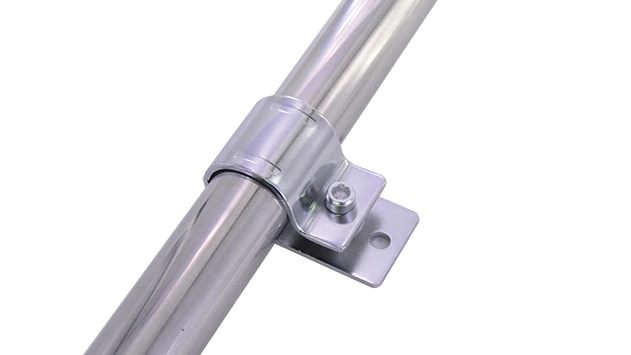
In the world of lean manufacturing and workshop organization, every component plays a quiet but critical role. From the workbench where assembly happens to the flow rack that keeps materials moving, the backbone of these systems often comes down to one unsung hero: the lean pipe clamp. Specifically, the lean pipe clamp chrome has emerged as a staple in countless production lines, warehouses, and factories. Its durability, corrosion resistance, and sleek finish make it a favorite for building everything from simple shelving to complex automated workstations. But here's the thing: even the best clamp is only as good as its compatibility with the pipes it's meant to hold. Imagine spending hours designing a custom material rack, only to find the clamps slip loose because they don't fit the pipe's diameter. Or worse, over-tightening a clamp that cracks the pipe's coating, compromising both safety and longevity. That's why understanding how lean pipe clamp chrome interacts with different pipe types isn't just a technical detail—it's the key to building lean systems that work, last, and adapt.
In this article, we'll dive deep into the world of lean pipe clamp chrome compatibility. We'll break down how these clamps pair with common pipe materials like PE coated lean pipe, stainless steel pipe series, and aluminum lean pipe. We'll explore the factors that make or break a connection, from pipe thickness to surface texture, and share real-world examples of how getting compatibility right (or wrong) impacts daily operations. Whether you're a production manager upgrading your workshop, a procurement specialist sourcing parts, or a lean enthusiast building a home garage setup, this guide will help you avoid costly mistakes and build systems that stand the test of time.
What Is a Lean Pipe Clamp Chrome, Anyway?
Before we jump into compatibility, let's make sure we're all on the same page about what a lean pipe clamp chrome actually is. At its core, it's a connector designed to join lean pipes together or attach pipes to other components like workbench frames, caster wheels, or material racks. Unlike basic plastic clips or one-time-use fasteners, these clamps are built for flexibility—most can rotate, pivot, or lock into place, allowing users to create custom configurations without welding or drilling. The "chrome" in the name refers to the plating process: a thin layer of chromium is applied to the clamp's metal surface (usually steel) to resist rust, scratches, and wear. This makes them ideal for environments where moisture, oil, or frequent handling might degrade other materials.
But here's where it gets interesting: not all lean pipe clamps are created equal. Some are fixed-angle (like the 180° fixed lean pipe joint chrome ), designed for straight connections, while others are swivel or rotatory, letting pipes bend or adjust as needed. Their size, shape, and grip strength vary too, which is why matching them to the right pipe is so critical. A clamp that's too loose won't hold the structure steady; one that's too tight can warp the pipe or damage its coating. And with lean systems often supporting heavy tools, materials, or even human workers, a secure connection isn't just about efficiency—it's about safety.
Why Compatibility Matters: More Than Just a Tight Fit
You might be thinking, "Can't I just buy any clamp and any pipe and make them work?" In theory, maybe—but in practice, compatibility issues can turn a simple project into a frustrating, expensive mess. Let's say you're building a turnover trolley using PE coated lean pipe (a popular choice for its affordability and impact resistance). If you pair it with a clamp designed for thinner stainless steel pipe, the clamp's jaws might not fully wrap around the PE coating, leading to a wobbly trolley that sways when loaded. Over time, that movement could loosen other joints, creating a domino effect of instability. Or, if you use a clamp with sharp edges on a soft aluminum lean pipe, you could scratch the surface, weakening the pipe and making it prone to bending under stress.
Real-World Example: A small electronics manufacturer once reached out to a lean pipe supplier frustrated by their assembly line workbenches. The benches, built with aluminum lean pipe and generic clamps, kept collapsing under the weight of circuit boards and testing equipment. After inspecting the setup, the supplier the clamps were designed for 1.2mm PE coated pipe, not the thicker 2.0mm aluminum they were using. The clamps couldn't grip the aluminum's wider diameter, leading to frequent failures. By switching to a chrome clamp specifically sized for aluminum lean pipe, the workbenches became stable, cutting downtime from weekly repairs to near-zero.
Compatibility also affects long-term cost. A mismatched clamp might work temporarily, but it will wear out faster, requiring frequent replacements. Pipes damaged by ill-fitting clamps will need to be replaced too, adding up over time. And in regulated industries like food processing or pharmaceuticals, using incompatible parts could even violate safety standards—for example, a rusted clamp (from using non-chrome-plated steel with stainless steel pipe series) could contaminate products.

Matching Chrome Clamps to Common Pipe Types: A Deep Dive
Now, let's get practical. Let's walk through the three most common pipe materials used in lean systems and how lean pipe clamp chrome interacts with each. We'll cover what works, what doesn't, and why.
1. PE Coated Lean Pipe: The Budget-Friendly Workhorse
PE coated lean pipe (short for polyethylene coated) is the backbone of many entry-level lean setups. It's made by wrapping a steel core in a thick layer of PE plastic, giving it a smooth, colorful finish (often white, black, or yellow) that resists scratches, chemicals, and impact. It's lightweight, easy to cut, and affordable—perfect for small businesses or temporary setups like event booths or seasonal storage racks. But that PE coating adds thickness: a standard 28mm PE coated pipe has a steel core of 1.2mm to 2.0mm, with the coating adding another 1-2mm. This extra thickness is what makes clamp compatibility tricky.
For PE coated lean pipe, look for chrome clamps with adjustable jaws or "wide-grip" designs. These clamps are engineered to accommodate the coating's thickness, ensuring the jaws press firmly against the steel core without crushing the PE layer. Fixed clamps (like the 90° fixed lean pipe joint chrome) work well here, as they provide a rigid connection that minimizes movement, reducing wear on the coating. Avoid clamps with overly narrow jaws or serrated teeth—serrations can dig into the PE, causing it to crack or peel over time, especially if the clamp is adjusted frequently.
Another tip: Check the clamp's torque rating. PE coated pipes can handle less tightening force than metal pipes, so opt for clamps with a recommended torque of 20-25 Nm (newton-meters). Over-tightening can compress the PE, creating weak spots where the coating separates from the steel core, leaving the pipe vulnerable to rust.
2. Stainless Steel Pipe Series: Durability for Harsh Environments
When hygiene, corrosion resistance, or high temperatures are priorities—think food processing plants, medical device factories, or outdoor warehouses—stainless steel pipe series take center stage. These pipes are made entirely of stainless steel (often 304 or 316 grade), with no coating to wear off. They're strong, easy to clean, and can withstand exposure to water, chemicals, and extreme temperatures. But their smooth, hard surface requires clamps that can grip tightly without slipping.
Lean pipe clamp chrome is an excellent match for stainless steel pipe series, and not just because both are corrosion-resistant. Chrome-plated clamps have a low coefficient of friction, meaning they won't gall (stick) to the stainless steel surface when tightened. Look for clamps with precision-machined jaws that align perfectly with the pipe's diameter—even a 1mm gap can cause slippage under heavy loads. Rotatory clamps (like the 180° swivel lean pipe joint chrome) are popular here, as they allow for flexible configurations while maintaining a secure grip on the smooth stainless steel.
One caveat: Stainless steel pipe is denser than PE coated or aluminum pipe, so it's heavier. Make sure the clamp's load rating matches the pipe's weight and the intended load. A clamp rated for 50kg might work for a lightweight aluminum shelf, but a stainless steel material rack loaded with 100kg of tools will need a clamp rated for at least 150kg to be safe.
3. Aluminum Lean Pipe: Lightweight Strength for Precision Systems
Aluminum lean pipe is the choice for applications where weight matters—like ESD workstations in electronics manufacturing or mobile carts that need to be moved frequently. It's lighter than steel, non-magnetic, and has natural corrosion resistance thanks to its oxide layer. But aluminum is also softer than steel, so clamps need to balance grip with gentleness to avoid damaging the pipe.
Chrome clamps designed for aluminum lean pipe often feature rounded jaw edges to prevent scratching and a more gradual tightening mechanism. Instead of serrated teeth, they might use smooth, rubberized pads to increase friction without digging into the aluminum. Parallel clamps (like the parallel lean pipe joint chrome) are ideal here, as they distribute pressure evenly across the pipe's surface, reducing the risk of bending or warping. If you're using aluminum pipe with a t-slot design (common for attaching accessories like tool holders), look for clamps with t-slot compatible bolts that fit snugly into the grooves without stripping them.
Pro Tip: When working with aluminum lean pipe, always hand-tighten clamps first, then use a torque wrench to finish. This prevents over-tightening, which is the number one cause of aluminum pipe damage reported by lean pipe suppliers.
The Compatibility Table: At a Glance
| Pipe Type | Recommended Chrome Clamp Features | Key Compatibility Considerations | Best For |
|---|---|---|---|
| PE Coated Lean Pipe (1.2mm-2.0mm core) | Wide-grip jaws, fixed angles, torque rating 20-25 Nm | Avoid sharp jaws; ensure clamp fits over coating (total diameter ~30-32mm) | Budget workbenches, turnover trolleys, temporary storage racks |
| Stainless Steel Pipe Series (1.0mm-2.0mm wall) | Precision-machined jaws, rotatory/swivel joints, load rating ≥150kg | Chrome plating must match stainless steel's corrosion resistance; tight diameter tolerance (±0.5mm) | Food processing, medical facilities, outdoor use |
| Aluminum Lean Pipe (1.2mm-1.5mm wall) | Rounded jaws, rubberized pads, parallel joints | Low torque (15-20 Nm); avoid serrated teeth; t-slot compatibility if needed | ESD workstations, mobile carts, lightweight assembly lines |
Beyond the Basics: Other Factors That Affect Compatibility
While pipe material is the biggest factor in compatibility, there are a few other details to keep in mind to ensure your clamps and pipes work in harmony:
Pipe Diameter: Size Really Does Matter
Most lean pipes come in standard diameters: 28mm is the most common, but you'll also find 20mm (for lightweight applications) and 32mm (for heavy-duty use). A clamp designed for 28mm pipe will never fit a 32mm pipe, no matter how hard you try. Always check the pipe's outer diameter (including any coating) and the clamp's specifications before purchasing. If you're unsure, ask your lean pipe supplier for a compatibility chart—reputable suppliers will have detailed guides matching their clamps to specific pipe sizes.
Joint Design: Fixed vs. Rotatory
The type of lean pipe joint you choose can also impact compatibility. Fixed joints (like the 90° straight lean pipe joint chrome) are rigid, making them great for straight sections of workbenches or racks. Rotatory joints (like the 180° swivel lean pipe joint chrome) allow pipes to pivot, which is useful for adjustable components like height-adjustable shelves. However, rotatory joints often have more moving parts, so they need a tighter fit with the pipe to prevent wobbling. If you're using a rotatory joint with flexible PE coated pipe, make sure the joint's internal bearings are sealed to keep out dust and debris that could jam the rotation.
Environmental Conditions: Heat, Moisture, and Chemicals
Where you use your lean system matters too. In high-temperature environments (like near ovens or furnaces), PE coated pipes can soften, so you'll need clamps with heat-resistant jaws that won't melt or lose grip. In damp areas (like car washes or breweries), stainless steel pipe series paired with chrome clamps is a must—both materials resist rust, ensuring the connection stays strong over time. For chemical-heavy environments (like laboratories), check that the clamp's chrome plating and the pipe's material are resistant to the specific chemicals you're using (e.g., acids, solvents).
Troubleshooting Compatibility Issues: What to Do When Things Go Wrong
Even with careful planning, you might run into compatibility snags. Here's how to diagnose and fix common problems:
Problem: Clamp slips on PE coated pipe
Cause: Clamp jaws too narrow for the PE coating; coating is slippery when new. Solution: Switch to a wide-grip clamp; clean the pipe with rubbing alcohol to remove factory oil (which can make the coating slippery); add a thin layer of rubber tape to the pipe before clamping (temporarily) until you can get the right clamp.
Problem: Aluminum pipe bends where clamp is attached
Cause: Clamp over-tightened; clamp jaws too narrow, focusing pressure on a small area. Solution: Loosen the clamp and retighten to 15-20 Nm; replace with a parallel clamp that distributes pressure; add a reinforcing sleeve around the pipe at the clamp location.
Problem: Stainless steel pipe and chrome clamp rusting together
Cause: Moisture trapped between the clamp and pipe; using dissimilar metals (e.g., carbon steel clamp with stainless steel pipe). Solution: Ensure the clamp is chrome-plated (not just painted); apply a thin layer of anti-corrosion grease between the clamp and pipe; drill small drainage holes in the clamp if used outdoors to prevent water buildup.
Final Thoughts: Building Better Lean Systems, One Compatible Connection at a Time
At the end of the day, lean pipe clamp chrome compatibility isn't just about avoiding frustration—it's about building systems that work smarter, last longer, and keep your team safe. By taking the time to match your clamp to your pipe material, diameter, and environment, you'll create lean setups that adapt to your needs, reduce downtime, and save money in the long run. And remember, you don't have to do it alone. A trusted lean pipe supplier can be your best resource, offering expert advice, compatibility charts, and even sample kits so you can test clamps and pipes together before committing to a full order.
So the next time you're planning a lean project, think beyond just the parts list. Think about how those parts work together. Because in the world of lean manufacturing, the strongest systems aren't built with the best individual components—they're built with components that work in harmony. And when it comes to harmony, few connections are as important as the one between a lean pipe clamp chrome and the pipe it holds.