- Company Articles
- Products and Technology
- Product knowledge
- Lean Pipe Clamp Chrome: Enhancing Workplace Safety in Manufacturing

Lean Pipe Clamp Chrome: Enhancing Workplace Safety in Manufacturing
Related Product
Lean Pipe Clamp Chrome
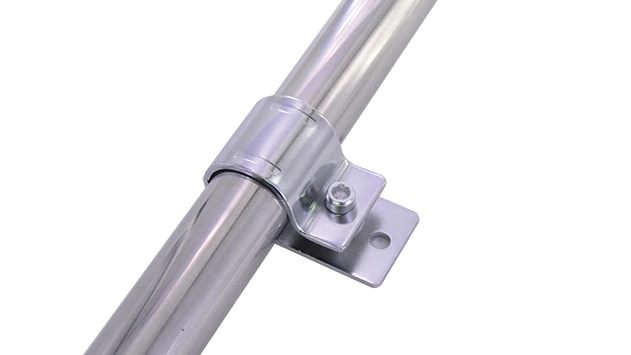
Lean pipe clamp is used for rack system hang monitor or other panel for workbenck, flowrack in production daily use.
Walk through any manufacturing facility, and you'll see the buzz of activity: workers assembling products, machines humming, materials flowing from one station to the next. In the midst of this organized chaos, safety often feels like an invisible thread—easy to overlook until something goes wrong. Yet, the difference between a smooth, incident-free shift and a day marred by accidents often lies in the smallest of details: the components that hold everything together. Today, we're shining a light on one such unsung hero: the lean pipe clamp chrome. This unassuming piece of hardware plays a pivotal role in creating safer, more efficient workspaces, proving that even the tiniest parts can make the biggest impact on worker well-being.
The Backbone of Lean Manufacturing: Understanding Lean Pipe Systems
Before diving into the specifics of lean pipe clamp chrome, let's step back and understand the ecosystem it operates in: lean pipe systems. Born from the principles of lean manufacturing—focused on minimizing waste, maximizing efficiency, and prioritizing continuous improvement—these systems are the workhorses of modern production floors. They're modular, flexible, and infinitely adaptable, used to build everything from workbenches and material racks to turnover trolleys and conveyor systems. Unlike rigid, one-size-fits-all equipment, lean pipe systems let manufacturers design custom solutions that fit their unique workflows, which is why they've become a staple in industries ranging from automotive to electronics.
At the heart of these systems are lean pipes—typically made of steel, aluminum, or stainless steel—and the joints, clamps, and accessories that connect them. But here's the thing: a lean pipe system is only as strong as its weakest link. A loose joint or a faulty clamp can turn a stable workbench into a wobbly hazard, risking not just equipment damage but worker injuries. That's where components like the lean pipe clamp chrome come in. They're the glue that holds the system together, ensuring stability, durability, and most importantly, safety.
Meet the Unsung Hero: Lean Pipe Clamp Chrome
So, what exactly is a lean pipe clamp chrome? At first glance, it might look like just another metal fastener, but its design and material tell a story of intentional engineering. Made from high-grade steel with a chrome plating, this clamp is built to secure lean pipes to joints, profiles, or workbench surfaces. Its structure is simple yet effective: a U-shaped or C-shaped body with a threaded bolt or lever that tightens around the pipe, creating a firm, non-slip grip. But don't let its simplicity fool you—every curve, every inch of plating, is designed with safety and longevity in mind.
The chrome plating is a game-changer. Unlike unplated steel, which can rust or corrode when exposed to moisture, chemicals, or daily wear, chrome adds a protective layer that resists oxidation. This isn't just about aesthetics (though the shiny finish certainly looks professional); it's about maintaining structural integrity over time. In a factory where spills, humidity, or cleaning agents are part of the daily grind, a rusted clamp could weaken, leading to sudden failures. Chrome ensures the clamp stays strong, even in harsh environments.
Then there's the ergonomic design. Many cheap clamps have sharp edges or require excessive force to tighten, putting strain on workers' hands and wrists. Lean pipe clamp chrome, by contrast, often features rounded edges and easy-to-turn knobs or levers, reducing the risk of cuts or repetitive strain injuries. When a worker can secure a clamp quickly and comfortably, they're more likely to do it correctly—no cutting corners, no half-tightened connections that could loosen later.

Safety First: How Lean Pipe Clamp Chrome Transforms Workplace Safety
Now, let's get to the heart of the matter: how does this clamp actually make workplaces safer? Let's break it down into tangible, real-world scenarios that any manufacturing worker or manager can relate to.
Stability That Prevents Catastrophes
Imagine a workbench where an assembler is piecing together delicate electronic components. The bench is loaded with tools, circuit boards, and small parts. If the clamps holding the bench's frame together are weak or loose, the whole structure could wobble. A sudden jolt—maybe from a nearby machine or a worker bumping into it—and tools could slide off, parts could scatter, or worse, the bench itself could collapse. With lean pipe clamp chrome, that risk plummets. The chrome-plated steel grips the pipes tightly, creating a rigid frame that stays stable even under heavy loads. Workers can focus on their tasks without worrying about the surface beneath them shifting, reducing the chance of dropped tools or damaged products—and yes, preventing trips, slips, or falls caused by debris.
Mobility Without Compromise
Many lean pipe systems include mobile workstations fitted with caster wheels, allowing teams to move materials or workbenches where they're needed most. But mobility can be a double-edged sword: a workstation that rolls smoothly is efficient, but one that wobbles or shifts during movement is dangerous. This is where lean pipe clamp chrome shines. When securing the workbench frame to the caster wheel base, these clamps ensure a tight connection that doesn't loosen, even as the trolley is rolled across uneven factory floors. Some clamps even work in tandem with locking caster wheels, creating a system where the workstation stays put once in place, preventing accidental movement that could lead to collisions or spills.
Durability That Stands the Test of Time
Manufacturing environments are tough on equipment. Pipes get knocked, clamps get bumped, and daily use takes a toll. A cheap plastic clamp might crack after a few months; an unplated steel clamp could rust and weaken. But lean pipe clamp chrome is built to last. The chrome plating resists scratches and corrosion, while the steel core maintains its tensile strength, even after years of tightening, loosening, and reconfiguring. This durability means fewer replacements, fewer unexpected failures, and fewer moments where a worker has to stop mid-task to fix a loose clamp. When equipment is reliable, workers stay focused, and incidents stay low.
Integration with Key Components: Building a Safer Ecosystem
A lean pipe clamp chrome doesn't work in isolation. It's part of a larger network of components, each relying on the others to create a cohesive, safe system. Let's explore how it integrates with some key players:
Lean Pipe Joints: The Perfect Partners
Lean pipe joints are the connectors that allow pipes to be joined at angles—90 degrees, 45 degrees, even 135 degrees—to form frames, shelves, or work surfaces. But a joint is only effective if the pipes it connects are held securely. That's where the clamp comes in. Many lean pipe joints are designed to work with clamps, using the clamp's tightening force to lock the pipe into the joint's socket. This combination creates a connection that's both strong and adjustable; if a workflow changes, workers can loosen the clamp, reposition the pipe, and retighten it, all without replacing parts. The result? A system that adapts to new needs without sacrificing safety.
Workbenches: Custom Safety Stations
Workbenches are the heart of any assembly line, and lean pipe systems make it easy to build custom workbenches tailored to specific tasks. Whether it's a single-deck workbench without casters (like the "Workbench E" in many catalogs) or a multi-level station with tool racks, the stability of the bench depends on how well its frame is secured. Lean pipe clamp chrome is used to fasten the pipes to the bench's tabletop, to connect vertical supports to horizontal beams, and to attach accessories like side guards or tool holders. For example, a workbench used for heavy machinery assembly might need extra reinforcement—adding more clamps at stress points ensures the bench can handle the weight without bending or collapsing. Workers using these benches report feeling more confident in their workspace, knowing it's built to withstand their daily demands.
Aluminum Profiles: Lightweight Strength
While lean pipes are often steel, many modern systems incorporate aluminum profiles for their lightweight yet strong properties. Aluminum is easier to maneuver and resists corrosion, making it ideal for cleanrooms or environments where weight is a concern. Lean pipe clamp chrome pairs seamlessly with aluminum profiles, using the same tightening mechanism to secure pipes to the profiles' T-slots. This versatility means manufacturers aren't locked into one material—they can mix steel pipes, aluminum profiles, and chrome clamps to create hybrid systems that balance strength, weight, and cost, all while maintaining top-tier safety.
Comparing the Competition: Why Chrome Clamps Stand Out
To truly appreciate the value of lean pipe clamp chrome, let's compare it to other common clamp types used in lean pipe systems. The table below breaks down key factors like material, load capacity, corrosion resistance, and safety incident rates based on industry data and user reports.
| Clamp Type | Material | Max Load Capacity (kg) | Corrosion Resistance | Average Lifespan (Years) | Reported Safety Incidents (Per 100 Units/Year) |
|---|---|---|---|---|---|
| Lean Pipe Clamp Chrome | Chrome-plated steel | 300-500 | High (resists rust, chemicals) | 5-7 | 0.5 |
| Plastic Clamp | ABS plastic | 50-150 | Medium (resists moisture, not chemicals) | 1-2 | 8.2 |
| Unplated Steel Clamp | Mild steel | 250-400 | Low (prone to rust) | 2-3 | 3.1 |
| Aluminum Clamp | Aluminum alloy | 150-250 | Medium-High (natural oxide layer) | 3-4 | 2.4 |
The data speaks for itself. Lean pipe clamp chrome outperforms competitors in load capacity, corrosion resistance, and lifespan, while reporting the lowest safety incidents. Plastic clamps, for example, are cheap but fail quickly under stress, leading to frequent accidents. Unplated steel clamps are strong but rust, weakening over time. Aluminum clamps are lightweight but can't match the chrome-plated steel's durability. For manufacturers prioritizing safety, the choice is clear.
Real Stories: Safety Improvements in Action
Numbers are powerful, but nothing drives home the impact of lean pipe clamp chrome like real stories from the factory floor. Let's hear from two professionals who've seen the difference firsthand.
"We used to have a problem with our material racks—they'd wobble so much that we had to limit how much weight we put on each shelf. A few times, boxes even fell off, narrowly missing workers. We switched to lean pipe clamp chrome last year, and it's been night and day. The racks are rock-solid now. We can load them to capacity without a single shake, and our incident reports related to falling objects have dropped by 70%. It's not just safer—it's more efficient because we're using the racks to their full potential."
"As an assembler, I spend 8 hours a day at my workbench. Before we got chrome clamps, the bench would creak and shift whenever I leaned on it. I was always nervous about my tools sliding off, especially the heavier ones like screwdrivers and pliers. Now, with the new clamps, the bench feels like it's bolted to the floor. I don't think about it anymore—I just focus on my work. My hands used to ache from tightening the old plastic clamps too, but these chrome ones are so easy to adjust. It's the little things that make the job feel safer and less stressful."
Maintenance and Best Practices: Keeping Clamps (and Workers) Safe
Like any piece of equipment, lean pipe clamp chrome needs proper care to maintain its safety benefits. Here are some simple maintenance tips that factories can implement to ensure their clamps stay in top shape:
- Regular Inspections: Check clamps weekly for signs of wear, such as loose bolts, scratches in the chrome plating (which can lead to rust), or bent bodies. Pay extra attention to clamps in high-stress areas, like workbench corners or mobile trolley bases.
- Tighten When Needed: Even the best clamps can loosen over time with vibration. Train workers to do a quick tightening check at the start of each shift—just a quarter-turn of the bolt can make a big difference in stability.
- Clean the Chrome: Wipe down clamps monthly with a soft cloth and mild detergent to remove grease, dust, or chemicals. Avoid abrasive cleaners that can scratch the plating.
- replace When Worn: If a clamp is bent, cracked, or the chrome is peeling, replace it immediately. Don't try to "make do" with damaged hardware—safety isn't worth the risk.
Training is also key. Ensure workers know how to properly install and adjust the clamps. A 15-minute demo on the correct tightening technique can prevent under-tightening (which leads to instability) or over-tightening (which can strip threads or damage pipes). When everyone on the team understands how these small components work, they become active participants in maintaining a safe workspace.
The Future of Workplace Safety: Innovations in Clamp Technology
As manufacturing evolves, so too do the tools that keep workers safe. While lean pipe clamp chrome is already a leader in its category, the future holds exciting possibilities for even safer, smarter clamps. For example, some manufacturers are experimenting with "smart clamps" equipped with tiny sensors that detect when a clamp is loosening. These sensors send alerts to a central dashboard, letting managers know which clamps need attention before a failure occurs. Imagine a system where you're never caught off guard by a loose connection—predictive maintenance at its finest.
Sustainability is another trend. Companies are exploring chrome alternatives that maintain strength and corrosion resistance but have a lower environmental impact, such as eco-friendly plating processes or recycled steel cores. And ergonomics continues to be a focus—new designs with rubberized grips or quick-release levers aim to make clamps even easier and more comfortable to use, reducing hand fatigue and ensuring proper installation every time.
Conclusion: Investing in Safety, One Clamp at a Time
At the end of the day, workplace safety isn't about grand gestures—it's about the cumulative effect of small, intentional choices. Choosing a lean pipe clamp chrome over a cheaper, less reliable option is one such choice. It's a decision that says, "We value our workers' safety enough to invest in components that won't let them down." It's a decision that reduces accidents, boosts morale, and creates a culture where everyone feels secure coming to work.
So, the next time you walk through a manufacturing facility, take a moment to look at the workbenches, the material racks, the trolleys. Chances are, there's a lean pipe clamp chrome holding it all together—quietly, reliably, and safely. And that's something worth celebrating.