- Company Articles
- Products and Technology
- Product knowledge
- Lean Pipe Clamp Chrome in Lean Management: A Core Component Explained

Lean Pipe Clamp Chrome in Lean Management: A Core Component Explained
Related Product
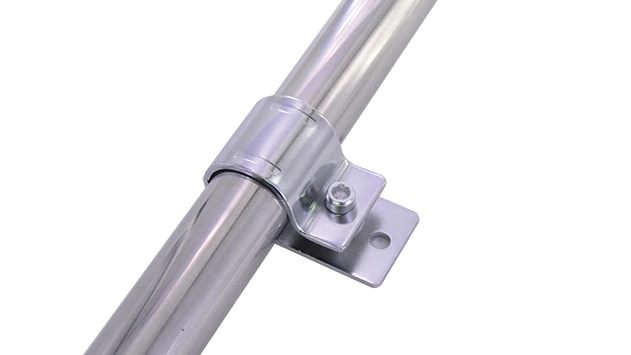
Lean Pipe Clamp Chrome
Lean pipe clamp is used for rack system hang monitor or other panel for workbenck, flowrack in production daily use.
In the fast-paced world of manufacturing and production, efficiency isn't just a buzzword—it's the backbone of survival. Every wasted minute, every misaligned workstation, and every unstable material rack chips away at profitability and team morale. This is where lean management steps in, a philosophy built on eliminating waste, streamlining workflows, and fostering continuous improvement. But lean management isn't just about processes; it relies heavily on the physical tools that bring these principles to life. Among these tools, one component stands out for its quiet yet critical role: the lean pipe clamp chrome. Often overlooked, this small but mighty part is the unsung hero of flexible, efficient workspaces. Let's dive into why it matters, how it works, and why it's indispensable in modern lean systems.
Understanding Lean Management: Beyond the Theory
Before we zoom in on the lean pipe clamp chrome, let's ground ourselves in what lean management truly entails. Born from the Toyota Production System (TPS) in the mid-20th century, lean management is a mindset that prioritizes value—specifically, delivering maximum value to customers while minimizing everything that doesn't contribute to that goal. Waste, in lean terms, isn't just trash; it includes overproduction, unnecessary movement, waiting times, defects, and even unused talent. The goal? Create a "flow" where materials, information, and people move seamlessly from start to finish.
But here's the thing: you can't build a lean workflow on rigid, one-size-fits-all infrastructure. Imagine a factory floor with fixed concrete workbenches, welded steel racks, and immovable conveyor belts. When a product design changes, or demand shifts, reconfiguring these structures would take weeks (and thousands of dollars). That's where modular systems come in. Enter lean pipe systems—flexible, adaptable frameworks that can be assembled, disassembled, and reconfigured in hours, not weeks. And at the heart of these systems? The humble clamp that holds everything together: the lean pipe clamp chrome.
Lean Pipe Systems: The Building Blocks of Flexible Workspaces
Lean pipe systems, also known as "flexible pipe systems," are exactly what they sound like: modular structures made from lightweight pipes (often steel or aluminum) and connecting components like joints, clamps, and brackets. They're used to build everything from workbenches and material racks to flow racks, conveyor systems, and turnover trolleys. What makes them lean? Their adaptability. Unlike fixed furniture, a lean pipe workstation can be adjusted in height, extended, or repurposed entirely as needs change—without cutting, welding, or specialized tools.
Think of it like building with high-quality Lego blocks for adults. Each component (pipe, joint, clamp) is designed to fit together universally, so you're not locked into a single configuration. This flexibility aligns perfectly with lean principles: it reduces waste (no need to buy new furniture for every product line), improves flow (materials move smoothly through reconfigurable racks), and empowers teams to take ownership of their workspace (they can adjust setups themselves). But none of this would work without reliable, durable connections. That's where the lean pipe clamp chrome enters the picture.

Lean Pipe Clamp Chrome: The Glue That Holds Lean Systems Together
At first glance, a lean pipe clamp chrome might seem simple—a small, metallic device with a few bolts and a curved jaw. But its design is the result of careful engineering to balance strength, ease of use, and longevity. Let's break down what makes it unique.
What Is a Lean Pipe Clamp Chrome?
A lean pipe clamp chrome is a fastening component used to connect lean pipes (typically 28mm or 30mm in diameter) to other pipes, joints, or structural elements. The "chrome" refers to its plating—a layer of chromium applied to the steel base to enhance corrosion resistance, durability, and a smooth, professional finish. Unlike plastic or unplated steel clamps, chrome-plated versions stand up to the harsh conditions of factory floors: oil, grease, humidity, and frequent handling.
But it's not just about looks. The chrome plating adds a hard, wear-resistant surface that prevents rust and reduces friction during assembly. This means the clamp can be tightened, loosened, and reused hundreds of times without degrading—a key feature for lean systems that rely on frequent reconfiguration. Imagine a team needing to adjust a workbench height to accommodate a new operator or reposition a material rack to shorten a workflow. With a chrome clamp, they can do this in minutes using basic tools, without worrying about the clamp stripping or breaking.
Design Features That Matter
The best lean pipe clamp chrome designs prioritize three things: grip strength, adjustability, and compatibility. Let's look at each:
Grip Strength: The clamp's "jaw" is curved to match the diameter of standard lean pipes, ensuring maximum contact area. When tightened, it creates a vice-like grip that won't slip, even under heavy loads. This is critical for safety—imagine a material rack holding 50kg of components; a weak clamp could lead to collapse, injuries, or damaged goods.
Adjustability: Most chrome clamps use a bolt-and-nut mechanism (often with a hex key or wrench slot) that allows precise tightening. Some even feature a cam lever for tool-free adjustments, though these are more common in light-duty applications. The ability to fine-tune the tightness means the same clamp can work with pipes of slightly varying diameters (e.g., 28mm and 30mm) or with pipes that have minor surface imperfections.
Compatibility: Lean pipe systems thrive on standardization, and the best chrome clamps are designed to work with all major lean pipe brands and joint types. Whether you're using a 90° elbow joint, a T-joint, or a three-way connector, the clamp should slot in seamlessly, creating a rigid connection that maintains the structure's integrity.
How Lean Pipe Clamp Chrome Works with Other Lean Components
A lean pipe clamp chrome rarely works alone. It's part of an ecosystem of components that together create functional, flexible structures. Let's explore how it interacts with key elements like lean pipes, joints, and workbench frames, and why these relationships matter for lean management.
| Component | Function | How It Works with Lean Pipe Clamp Chrome | Impact on Lean Workflow |
|---|---|---|---|
| Lean Pipe | The "bones" of the structure; provides length and support. | Clamp grips the pipe's outer surface, securing it to joints or other pipes. Chrome plating prevents pipe damage during clamping. | Enables quick assembly of custom-length structures without cutting/welding. |
| Lean Pipe Joint | Connects pipes at angles (90°, 45°, T-junctions, etc.). | Clamp attaches pipe to joint, distributing load evenly across the connection point. | Allows creation of multi-directional structures (e.g., L-shaped workbenches, multi-tier racks). |
| Workbench Frame | Supports the work surface (wood, metal, or anti-static panels). | Clamps secure pipes to frame brackets, ensuring the workbench remains stable under tool/part weight. | Creates ergonomic, height-adjustable workstations that reduce operator fatigue. |
| Caster Wheels | Add mobility to trolleys, racks, or workbenches. | Clamps attach caster mounts to the base pipes, locking them in place during movement. | Enables "flow" by letting materials/equipment move to the operator, reducing walking time. |
Take a simple example: building a lean workbench. The frame is made of vertical and horizontal lean pipes connected by 90° joints. The lean pipe clamp chrome secures each pipe to the joint, ensuring the frame doesn't wobble when an operator leans on it or places heavy tools. If the team later needs to add a shelf, they can slide a new pipe into place, secure it with two more clamps, and have the shelf ready in 10 minutes. No need for a carpenter, no downtime—just pure lean efficiency.
The Hidden Benefits of Lean Pipe Clamp Chrome in Production
At this point, you might be thinking, "Okay, it's a clamp—so what?" But the impact of a high-quality lean pipe clamp chrome goes far beyond holding pipes together. Let's unpack the tangible benefits it brings to production environments, directly supporting lean management goals.
1. Reduced Changeover Time: From Weeks to Hours
In traditional manufacturing, reconfiguring a production line for a new product could take weeks. Welders would need to cut old steel racks, fabricate new ones, and repaint them. With lean pipe systems and chrome clamps, that timeline shrinks to hours. For example, a electronics manufacturer we worked with recently needed to switch from assembling smartphones to tablets—a change that required wider workbenches and taller material racks. Using their existing lean pipes and chrome clamps, their team disassembled the old setup, reconnected the pipes into the new configuration, and were production-ready by lunchtime. That's a 90% reduction in changeover time, directly cutting waste and boosting responsiveness to customer demand.
2. Durability That Lowers Long-Term Costs
Chrome-plated clamps aren't cheap, but they're an investment. Unlike plastic clamps that crack under stress or unplated steel that rusts, a good chrome clamp can last 10+ years with proper care. Consider this: a mid-sized factory might need hundreds of clamps. If plastic clamps need replacement every 2 years (costing $5 each), that's $500 every 2 years. A chrome clamp costs $10 but lasts 10 years—total cost $100 over the same period. That's a 80% savings, not to mention the labor saved from not constantly replacing broken clamps. Lean management is about long-term efficiency, and durable components like chrome clamps deliver exactly that.
3. Safety: Preventing Accidents Before They Happen
A loose clamp isn't just an inconvenience—it's a safety hazard. Imagine a material rack where a clamp has failed, causing a shelf to collapse and an operator. Beyond the human cost, this leads to downtime, workers' compensation claims, and damaged morale. Chrome clamps mitigate this risk with their strong grip and corrosion resistance. The chrome plating ensures the clamp's moving parts (like the bolt and nut) don't seize up, so operators can always retighten them if needed. Plus, the smooth finish reduces snags on clothing or gloves, further lowering accident risks. In lean terms, safety is non-negotiable—and reliable clamps are a foundational part of that.
4. Sustainability: Aligning with Green Lean Principles
Modern lean management isn't just about efficiency—it's about sustainability. Waste reduction includes minimizing environmental impact, and chrome clamps support this by being reusable and recyclable. Unlike welded steel structures (which end up in landfills when obsolete), lean pipe systems with chrome clamps can be disassembled and repurposed indefinitely. Even when a clamp finally reaches the end of its life, the steel and chrome can be recycled. For companies aiming to reduce their carbon footprint, this is a small but meaningful step toward greener operations.
Real-World Success: How One Factory Transformed with Lean Pipe Clamp Chrome
Let's put theory into practice with a case study. A automotive parts manufacturer in Michigan was struggling with inefficiencies in their assembly line. Their main issues: fixed workbenches that didn't accommodate different part sizes, material racks that were too tall for shorter operators, and a constant backlog of reconfiguration requests (which often took weeks to fulfill). Their lean consultant recommended switching to a lean pipe system, with a focus on high-quality components—including lean pipe clamp chrome.
The results were staggering. Within 3 months:
- Changeover time for product runs dropped from 5 days to 4 hours.
- Operator complaints about ergonomics fell by 70% (they could adjust workbench heights themselves).
- Material handling errors decreased by 40% (thanks to reconfigurable flow racks that kept parts at eye level).
- Scrap costs from damaged parts (due to unstable racks) dropped by $12,000/year.
When asked what made the biggest difference, the plant manager pointed to the clamps: "We'd tried cheaper plastic clamps before, but they kept slipping or breaking. The chrome ones? They just work. Our team trusts them, so they're not afraid to reconfigure things on the fly. That's when lean really clicks—when your tools empower your people."
Choosing the Right Lean Pipe Supplier: Why Quality Clamps Start with the Source
Not all lean pipe clamps are created equal, and the difference between a reliable clamp and a shoddy one can make or break your lean system. This is where partnering with a reputable lean pipe supplier becomes critical. Here's what to look for when sourcing lean pipe clamp chrome:
1. Chrome Plating Quality
Ask the supplier about plating thickness (aim for 8-10 microns) and adhesion. A good test: scratch the clamp with a key—if the chrome flakes off, it's low quality. Reputable suppliers will use electroplating processes that ensure the chrome bonds tightly to the steel, resisting chipping and peeling.
2. Material Thickness
The clamp's steel base should be at least 2mm thick. Thinner steel will bend under heavy loads, compromising grip. Ask for material specifications or sample clamps to test—you can even weigh them; a quality clamp will feel solid, not flimsy.
3. Compatibility
Ensure the clamps work with your existing pipes and joints. Most suppliers follow industry standards (e.g., 28mm pipes), but it's worth confirming. A supplier that offers free samples can save you from buying incompatible clamps.
4. Customer Support
Lean implementation isn't a one-time purchase—it's an ongoing journey. Look for suppliers that offer technical support, assembly guides, or even on-site training. The best ones will help you design custom structures and troubleshoot issues, ensuring you get the most out of your clamps.
Conclusion: The Small Component That Drives Big Lean Results
In the grand scheme of lean management, the lean pipe clamp chrome might seem. But as we've explored, it's the linchpin that holds flexible, efficient workspaces together. It transforms rigid factories into adaptive ecosystems where change is embraced, waste is minimized, and teams thrive. From reducing changeover times to improving safety and sustainability, its impact ripples through every aspect of production.
So, the next time you walk through a well-organized factory—one with smooth workflows, ergonomic workbenches, and material racks that seem to "flow" with the work—take a closer look. Chances are, there's a lean pipe clamp chrome quietly doing its job, ensuring everything stays connected, stable, and ready for whatever comes next. In the end, lean management isn't just about big ideas; it's about the small, reliable components that turn those ideas into reality. And the lean pipe clamp chrome? It's one of the best examples we have.