- Company Articles
- Products and Technology
- Product knowledge
- Lean Pipe Clamp Chrome Load Capacity: Testing and Safety Limits

Lean Pipe Clamp Chrome Load Capacity: Testing and Safety Limits
Related Product
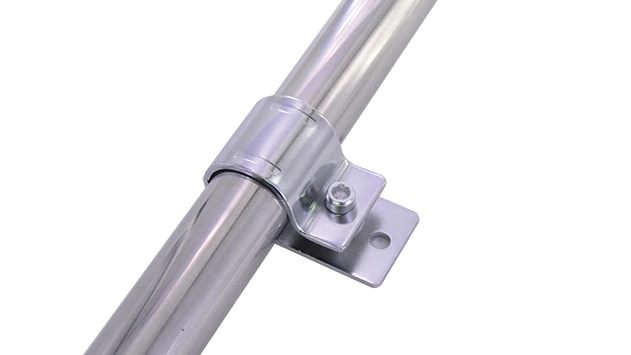
Lean Pipe Clamp Chrome
Lean pipe clamp is used for rack system hang monitor or other panel for workbenck, flowrack in production daily use.
In the fast-paced world of manufacturing and production, every component in your workflow matters. From the largest conveyor to the smallest joint, reliability and safety are non-negotiable. Today, we're diving deep into a unsung hero of lean systems: the lean pipe clamp chrome. These unassuming connectors are the backbone of modular workbenches, material racks, and assembly lines—but how much weight can they really handle? And what safety limits should you never cross? Let's unpack the science, testing, and real-world impact of these critical components.
What Are Lean Pipe Clamp Chrome, Anyway?
Before we talk load capacity, let's make sure we're all on the same page. Lean pipe clamp chrome—often just called "chrome clamps"—are metal connectors designed to join lean pipes (also known as "lean tubes") into rigid, customizable structures. Think of them as the building blocks of lean manufacturing systems: workbenches, turnover trolleys, flow racks, and even conveyor supports all rely on these clamps to hold everything together.
What sets chrome clamps apart? Their material. Made from high-grade steel with a chrome plating, they're built to resist corrosion, withstand daily wear and tear, and provide a secure grip on lean pipes. Unlike plastic or unplated steel alternatives, the chrome finish adds an extra layer of durability—critical in busy factories where moisture, oil, or chemicals might otherwise eat away at lesser components.
But here's the thing: not all clamps are created equal. The design of a lean pipe clamp chrome varies, from fixed-angle joints (like 45° or 90°) to swivel or rotating models. Each type is engineered for specific loads and movements, which is why understanding their load capacity isn't just about numbers—it's about matching the right clamp to the right job.
The Basics of Load Capacity: What It Means for Your Workflow
Load capacity is the maximum weight a clamp can support without failing. Seems straightforward, right? But in reality, it's a nuanced metric that depends on how the weight is applied, where it's applied, and for how long . Let's break it down:
Static vs. Dynamic Load: A Critical Distinction
Static load refers to weight that's stationary—think of a stack of boxes sitting on a material rack. Dynamic load, on the other hand, is weight in motion: parts sliding down a flow rack, a trolley being pushed across the floor, or tools being placed and removed from a workbench repeatedly. Chrome clamps are tested for both, but dynamic load capacity is almost always lower than static. Why? Because movement adds stress—vibrations, sudden shifts, and impact can weaken the clamp over time.
Tensile vs. Compressive Load
Load isn't just about "how heavy." It's also about direction. Tensile load pulls the clamp apart (like two pipes being tugged in opposite directions), while compressive load pushes it together (like a heavy shelf pressing down on a vertical clamp). Most lean pipe clamp chrome is designed to handle compressive loads best—since they're often used to support downward weight on workbenches or racks—but tensile strength still matters, especially in overhead structures or cantilevered arms.
For example, a 90° fixed lean pipe joint might have a static compressive load capacity of 500 kg, but its tensile capacity could be as low as 200 kg. Ignore that difference, and you could end up with a joint that snaps when a heavy tool is hung from an overhead shelf.

How Load Capacity Is Tested: Behind the Scenes
You might see a clamp labeled "500 kg load capacity" and take it at face value—but how do manufacturers arrive at that number? The testing process is rigorous, and it's designed to mimic real-world conditions as closely as possible. Let's walk through the key steps.
Step 1: Material Testing
Before a clamp ever reaches assembly, the raw materials are tested. Chrome-plated steel is checked for hardness (using a Rockwell test), tensile strength (how much it stretches before breaking), and corrosion resistance (salt spray tests, for example). A clamp made from subpar steel might look the part, but it won't hold up under stress—even with a shiny chrome finish.
Step 2: Static Load Testing
Static testing is the most common method. Here's how it works: A sample clamp is attached to standard lean pipes (usually 28mm diameter, the industry standard) and mounted in a testing rig. Weight is added gradually—often via hydraulic or mechanical presses—and the clamp is monitored for deformation. The test stops when the clamp bends, cracks, or slips. The maximum weight before failure is recorded, and then a safety margin is applied. Most manufacturers use a 2:1 or 3:1 safety factor, meaning the labeled capacity is half to a third of the failure load. So a clamp that fails at 1000 kg in testing might be rated for 333 kg in real use.
Step 3: Dynamic Load Testing
Dynamic testing is trickier. For this, the clamp is subjected to repeated cycles of loading and unloading—mimicking the daily use of a workbench or flow rack. A machine might apply 300 kg of weight, release it, and repeat—sometimes tens of thousands of times. If the clamp survives 100,000 cycles without deforming, it passes. This is why dynamic load ratings are lower: fatigue from repetition weakens the metal over time.
Step 4: Environmental Testing
Factories aren't always clean, dry places. Clamps might be exposed to oil, coolant, humidity, or extreme temperatures. Some manufacturers test chrome clamps in environmental chambers: high heat (up to 60°C), cold (-10°C), or humid conditions (90% relative humidity) for weeks at a time. Then they retest load capacity. A clamp that holds 500 kg in a lab might only hold 400 kg in a hot, humid workshop—corrosion and thermal expansion can eat away at its strength.
| Test Type | Method | Key Metric | Safety Factor Applied |
|---|---|---|---|
| Static Compressive Load | Gradual weight addition until deformation | Failure load (kg) | 3:1 (labeled capacity = failure load / 3) |
| Dynamic Load (Cyclic) | Repeated loading/unloading (10,000+ cycles) | Load at 10% deformation | 4:1 (higher margin due to fatigue risk) |
| Corrosion Resistance | Salt spray test (500 hours) | Visual inspection for rust/corrosion | N/A (pass/fail) |
| Tensile Strength | Pulling test (clamp + pipe assembly) | Load at fracture (kg) | 2:1 (lower margin for rare tensile scenarios) |
It's worth noting that not all manufacturers test to the same standards. Reputable lean pipe suppliers will share their test reports—look for certifications from organizations like ISO (International Organization for Standardization) or SGS (a global inspection company). If a supplier can't provide proof of testing, proceed with caution.
Safety Limits: Why You Should Never "Push the Envelope"
Let's say you buy a lean pipe clamp chrome rated for 300 kg static load. You're tempted to stack 350 kg of materials on the rack because "it's just a little over." Bad idea. Safety limits exist for a reason—and exceeding them can have catastrophic consequences.
The Role of Safety Margins
Remember that 3:1 safety factor we mentioned earlier? That's not just a random number. It accounts for variables the manufacturer can't control: imperfect installation, worn pipes, corrosion, or unexpected impacts. A clamp rated for 300 kg is actually capable of holding 900 kg before failing in a lab—but in the real world, with all those variables, 300 kg is the maximum safe load. Go beyond that, and you're gambling with more than just equipment—you're risking worker safety.
Signs of Overloading
Even if a clamp doesn't fail immediately, overloading leaves clues. Watch for:
- Bending or warping: The clamp itself might curve, or the pipe might start to bow where it's attached.
- Slippage: The clamp might loosen, causing the pipe to rotate or shift position.
- Cracks or stress marks: Small fractures in the chrome plating or the steel underneath—these are red flags.
- Unusual noises: Creaking, popping, or grinding when weight is applied—signs that the clamp is under too much stress.
If you notice any of these, stop using the structure immediately. Overloaded clamps rarely fail suddenly—they degrade over time. Catching the warning signs could prevent a collapse.
Real-World Applications: How Load Capacity Impacts Your Workflow
Enough theory—let's talk about how this plays out on the factory floor. From workbenches to material racks, the load capacity of your lean pipe clamp chrome directly affects efficiency, safety, and even your bottom line.
Case Study: Automotive Parts Assembly Line
A mid-sized automotive parts manufacturer was using generic, unbranded chrome clamps on their assembly workbenches. The clamps were labeled "400 kg capacity," so the team loaded each workbench with tools, parts bins, and a 300 kg hydraulic press—well under the rated limit. Or so they thought.
After six months, workers reported that the workbenches were "wobbling." An inspection revealed that the clamps had started to bend at the joints, and some pipes had slipped out of their connectors. The root cause? The generic clamps were actually only rated for 250 kg dynamic load—and the constant movement of workers leaning on the bench, placing and removing tools, and the vibrations from the hydraulic press had pushed them past their limit. The manufacturer switched to certified lean pipe clamp chrome from a reputable lean pipe supplier, rated for 350 kg dynamic load, and the issues vanished. Downtime from repairs dropped by 80%, and worker confidence in the equipment improved.
Workbenches: The Heart of the Operation
Workbenches are where the magic happens—assembly, inspection, packaging. They need to support tools, materials, and sometimes even workers leaning on them. A typical workbench (like "Workbench E (Single Deck-Without Caster)" from many suppliers) uses 4–6 vertical chrome clamps to support the tabletop. If each clamp is rated for 300 kg static load, a 4-legged bench might theoretically hold 1200 kg—but in reality, the weight is distributed unevenly. The tabletop itself might flex, and dynamic load from daily use reduces that number further. Most manufacturers recommend a maximum of 500–600 kg for a standard 1.2m x 0.8m workbench, even with high-capacity clamps.
Material Racks and Flow Racks
Material racks, like "Material Rack B (3 Row and 3 Floor)," rely on horizontal and vertical clamps to support layers of inventory. Each shelf adds weight, and the vertical clamps at the corners bear the brunt. A 3-floor rack with 200 kg per shelf would put 600 kg on the bottom clamps—so those clamps need a static load capacity of at least 600 kg, plus a safety margin. Flow racks, which use roller tracks to move materials, add dynamic load to the mix—each time a box slides down, it impacts the clamps holding the rollers. For these, dynamic load capacity is king.
Turnover Trolleys: Mobility Adds Complexity
Turnover trolleys are designed to move materials around the facility, so they combine dynamic load with movement. The clamps holding the trolley's frame must withstand not just the weight of the materials but also the stress of being pushed over uneven floors, stopped suddenly, or turned sharply. A trolley with a 200 kg load might require clamps with a dynamic load capacity of 300 kg or more to account for the extra stress of mobility.
Choosing the Right Clamp: Key Questions to Ask
With so many options on the market, how do you pick the right lean pipe clamp chrome for your needs? Start by asking these questions:
1. What's the Primary Load Type?
Is it static (shelving) or dynamic (trolleys, flow racks)? Compressive (workbenches) or tensile (overhead structures)? Match the clamp's tested capacity to your load type.
2. What's the Environment Like?
Humid? Oily? Corrosive? Chrome plating helps with rust, but in extreme environments, you might need stainless steel pipe series clamps instead. For example, food processing facilities often use stainless steel to avoid contamination and corrosion from cleaning chemicals.
3. Who's the Supplier?
Reputable lean pipe suppliers will provide detailed specs: material composition, load test reports, and safety certifications. Avoid "no-name" clamps—saving a few dollars now could cost you thousands in repairs (or worse, accidents) later.
4. What's the Pipe Diameter and Material?
Chrome clamps are designed for specific pipe sizes (usually 28mm for standard lean pipe, or 30mm for aluminum lean pipe). Using a clamp with a pipe that's too small or too large will reduce its load capacity—even if the clamp itself is rated for heavy loads.
For example, an aluminum lean pipe is lighter than steel, but it's also less rigid. A clamp that works with steel pipe might not grip aluminum as well, leading to slippage under load. Always check that the clamp is compatible with your pipe material.
Maintenance: Extending the Life of Your Chrome Clamps
Even the best lean pipe clamp chrome won't last forever without care. Regular maintenance can extend their lifespan and ensure they perform at their rated capacity for years.
Inspect Regularly
Make it part of your team's routine to check clamps during shift changes or weekly safety walks. Look for loose bolts, cracks, corrosion, or deformation. Tighten any loose joints—most clamps use hex bolts that can be adjusted with a wrench. A 5-minute inspection could catch a failing clamp before it causes an accident.
Clean and Protect
Chrome plating resists corrosion, but it's not invincible. Wipe down clamps regularly to remove oil, grease, or chemicals that can eat away at the finish. In humid environments, a light coating of anti-rust spray (like WD-40) can add an extra layer of protection—just avoid over-spraying, as it can make pipes slippery.
replace When Needed
Clamps are wear items. If you notice bending, cracking, or significant corrosion, replace them immediately. Don't try to "fix" a damaged clamp by welding or bending it back into shape—this weakens the metal and makes it unpredictable. A new clamp costs a fraction of the cost of a collapsed workbench or injured worker.
Conclusion: Safety Starts with Understanding
Lean pipe clamp chrome might seem like small parts in the grand scheme of your manufacturing process, but they're the glue that holds your lean system together. Understanding their load capacity—static vs. dynamic, tensile vs. compressive—and respecting their safety limits isn't just about compliance; it's about protecting your team, your equipment, and your productivity.
From the testing lab to the factory floor, every detail matters: choosing the right clamp for the job, buying from a trusted lean pipe supplier, inspecting regularly, and never pushing past those safety margins. Do it right, and your chrome clamps will quietly support your workflow for years—reliable, strong, and ready for whatever the day throws at them.
So the next time you look at that workbench or material rack, take a moment to appreciate the lean pipe clamp chrome holding it all up. They might not get the glory, but they're the unsung heroes keeping your operation running smoothly—and safely.