Lean Pipe Clamp Chrome Lubrication: Do's and Don'ts

Related Product
Lean Pipe Clamp Chrome
Lean pipe clamp is used for rack system hang monitor or other panel for workbenck, flowrack in production daily use.
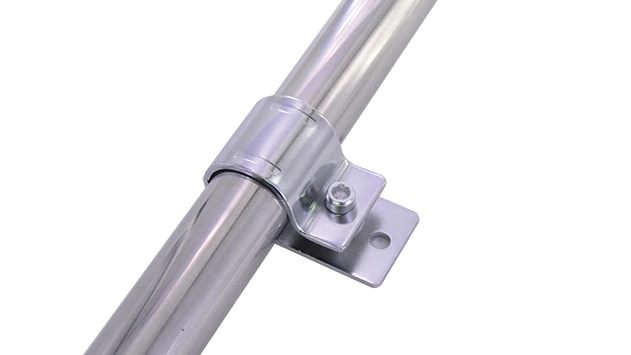
Lean Pipe Clamp Chrome
Picture this: It's a busy Tuesday morning on the production floor. Your team is gearing up to hit a critical order deadline, and the lean system—your trusty workbench, roller track, and a maze of aluminum and steel pipes—should be humming along. But suddenly, a worker pauses, grunting as they struggle to adjust a lean pipe clamp. Its once-shiny chrome surface is now dull, and the joint feels stuck, like it's fighting against every turn. What should've been a 30-second tweak turns into a 10-minute delay. Sound familiar? In the world of lean manufacturing, it's the small things that often make the biggest difference. And when it comes to keeping your lean pipe system running like a well-oiled machine (pun intended), few components are as overlooked yet crucial as the lean pipe clamp chrome. These unassuming pieces hold your workbench steady, keep roller tracks aligned, and ensure your entire setup can adapt to shifting production needs. But without proper lubrication, they turn from silent heroes into productivity-killers—causing delays, increasing wear, and even posing safety risks. Let's dive into the nitty-gritty of keeping your lean pipe clamp chrome in top shape. We'll cover the do's, the don'ts, troubleshooting tips, and why this simple maintenance task can save your team hours of frustration (and your company thousands in downtime).

Why Lean Pipe Clamp Chrome Lubrication Matters (Yes, Really)

Before we get into the how-to, let's talk about the "why." Lean pipe clamp chrome isn't just there for looks (though that shiny finish does make the production floor look more professional). Chrome plating adds a layer of corrosion resistance, protecting the underlying metal from moisture, oils, and chemicals common in manufacturing environments. But even the toughest chrome needs help to stay functional—especially when the clamp is constantly moving, rotating, or sliding to adjust your workbench height, reposition a roller track, or secure a lean pipe joint. Every time you adjust a clamp, the chrome surface rubs against the lean pipe joint or the pipe itself. Without lubrication, that friction wears down the chrome, creating tiny scratches and pits. Over time, those pits trap dirt and moisture, leading to rust. A rusted clamp doesn't just look bad—it sticks, squeaks, and eventually seizes up. Suddenly, adjusting your workbench from 36 inches to 40 inches isn't a quick fix; it's a wrestling match. And in a lean system, where efficiency is king, "wrestling matches" with equipment are the last thing you need. Plus, think about safety. A stuck clamp might force a worker to use excessive force, increasing the risk of strains or dropped tools. A loose clamp, on the other hand—caused by over-lubrication making it too slippery—could lead to unstable workbenches or misaligned roller tracks, putting products (or people) at risk. In short: Lubricating your lean pipe clamp chrome isn't optional. It's preventive maintenance that keeps your system adaptable, your team efficient, and your production line moving forward.

The Do's: Lubrication Best Practices That Actually Work

Now that we've established why this matters, let's get to the good stuff: how to do it right. These aren't just generic tips—they're hard-earned lessons from production floors where "good enough" maintenance led to costly breakdowns. Follow these, and you'll keep those clamps sliding, rotating, and securing like they did on day one.

1. Do Use the Right Lubricant (Spoiler: Not All Oils Are Created Equal)

Walk into any maintenance closet, and you'll find a dozen lubricants: WD-40, motor oil, silicone spray, maybe even that random can of "super lube" someone left from 2019. But when it comes to lean pipe clamp chrome, not all lubricants are your friends. What to use: Silicone-based lubricants are your best bet. They're non-corrosive, repel moisture, and won't break down the chrome plating. Look for a clear, dry-film silicone spray or a gel—these formulas leave a thin, long-lasting layer that doesn't attract dust (more on that later). If your facility deals with food-grade production or sensitive electronics, opt for NSF H1-rated silicone lubricants, which are safe for incidental food contact. What to avoid: Petroleum-based lubricants (like motor oil or some general-purpose sprays) are a big no-no. They can degrade the chrome over time, especially if the clamp is exposed to heat or chemicals. Plus, they're sticky and attract dirt, turning your clamp into a gritty mess that's worse than unlubricated. Same goes for heavy greases—they're overkill for these small, precision components and will just gum up the works. Pro tip: Keep a dedicated bottle of silicone lubricant labeled "For Lean Pipe Clamps" in your maintenance kit. That way, no one grabs the wrong stuff in a hurry.

2. Do Clean the Clamp Before Lubricating (Dirt + Oil = Disaster)

Imagine spreading sunscreen over a layer of mud—it's not going to work, right? The same logic applies to lubricating your lean pipe clamp chrome. If there's dirt, grime, or old lubricant buildup on the surface, the new lubricant can't bond properly. Instead, it'll mix with the gunk, creating a abrasive paste that wears down the chrome even faster. How to clean it: Start with a dry, lint-free cloth to wipe away loose dust and debris. For stuck-on grime (like oil splatters or metal shavings), use a soft-bristled brush (an old toothbrush works!) to gently scrub the crevices around the clamp and lean pipe joint. Then, dampen a cloth with isopropyl alcohol (70% or higher) and wipe the chrome surface thoroughly. Alcohol evaporates quickly, so it won't leave residue—and it kills any moisture that could lead to rust. Pro move: If your clamps are extra dirty (we're looking at you, facilities with metalworking or woodshops nearby), use a degreaser like Simple Green first, then follow up with alcohol. Just make sure to rinse the degreaser off completely—some formulas can be harsh on chrome if left sitting.

3. Do Apply Lubricant Sparingly (Less Is More)

It's tempting to douse the clamp in lubricant, thinking "more = smoother." But trust us: Over-lubricating is just as bad as under-lubricating. Excess oil drips onto the workbench, stains products, and attracts dust and debris like a magnet. Plus, it can seep into areas you don't want it to—like the bearings in your roller track or the casters on your turnover trolley. How much to use: A little goes a long way. For a standard lean pipe clamp, one or two short bursts of spray (from 6–8 inches away) or a pea-sized dab of gel is enough. Use a clean cloth to spread the lubricant evenly over the chrome surface and the moving parts of the lean pipe joint. Wipe away any excess—you want a thin, barely visible film, not a greasy puddle. Think of it like moisturizing your skin: You wouldn't slather on a whole bottle of lotion, right? The goal is to protect and smooth, not saturate.

4. Do Focus on the "Pinch Points" (Where the Magic Happens)

Not all parts of the clamp need lubrication—just the ones that move. The "pinch points" are where the clamp connects to the lean pipe joint, the sliding mechanism that adjusts width, and the pivot points that let you rotate the clamp. These are the areas where friction is highest, so they're the priority. To find them, move the clamp back and forth a few times. Feel for resistance—those are the spots that need love. For example, if your clamp has a lever that tightens around the pipe, lubricate the hinge where the lever meets the clamp body. If it slides along a rail, hit the contact points between the clamp and the rail. Don't forget the threads! If your clamp uses screws or bolts to secure it (common in heavier-duty models), a tiny drop of lubricant on the threads will make adjustments easier and prevent them from seizing up. Just wipe off the excess here too—you don't want oil dripping onto the workbench surface.

5. Do Schedule Regular Checks (Set It and Forget It… Almost)

Lubrication isn't a one-and-done task. How often you need to reapply depends on how much the clamp is used. A clamp on a rarely adjusted workbench might need lubrication every 3–6 months, while one on a roller track that's adjusted daily could need it every 2–4 weeks. The easiest way to stay on top of this? Create a maintenance checklist. Assign a team member (or rotate the duty) to inspect all lean pipe clamps during weekly "5S walks" (a core part of lean management, after all). Note which clamps feel stiff, have visible rust, or look dry, and mark them for lubrication. Pro tip: Keep a log! Jot down the date, clamp location (e.g., "Workbench E, left side"), and lubricant used. Over time, you'll spot patterns—like clamps near the wash station needing more frequent care due to moisture—and adjust your schedule accordingly.

The Don'ts: Mistakes That Ruin Clamps (and How to Avoid Them)

Now that you know what to do, let's talk about what not to do. These are the common pitfalls we've seen trip up even seasoned maintenance teams—and they're surprisingly easy to avoid once you're aware of them.

1. Don't Ignore Early Warning Signs (Stiffness = Red Flag)

"It's just a little stiff—we can deal with it later." Sound familiar? Ignoring a stiff clamp is like ignoring a check engine light in your car: It won't fix itself, and it'll only get worse. Early signs of trouble include: - The clamp feels harder to move than usual (even with effort) - Squeaking or grinding noises when adjusting - Visible rust spots or discoloration on the chrome - A "sticky" sensation when sliding or rotating If you notice any of these, stop what you're doing and lubricate the clamp immediately. Waiting even a week can lead to micro-scratches in the chrome, which trap moisture and accelerate corrosion. And once rust sets in, you're looking at replacing the clamp entirely—not a huge expense, but a totally avoidable one.

2. Don't Mix Lubricants (It's Not a Smoothie Bar)

Remember that bottle of silicone lubricant we told you to keep? Stick to it. Mixing different types of lubricants (like adding petroleum-based spray on top of silicone) is a recipe for disaster. The chemicals can react, breaking down both lubricants and leaving a gummy residue that's impossible to clean without disassembling the clamp. If you need to switch lubricants (say, moving from a spray to a gel), start fresh. Clean the clamp thoroughly with alcohol to remove all traces of the old lubricant, then apply the new one. It's an extra step, but it'll save you from a sticky mess later.

3. Don't Over-Lubricate (We're Serious About the "Less Is More" Thing)

We mentioned this earlier, but it's worth repeating: Over-lubricating is worse than under-lubricating. Excess oil drips onto products, stains workbenches, and turns your clamp into a dust magnet. In one facility we worked with, a team member sprayed a clamp so heavily that oil leaked into a nearby electronics assembly area, frying a circuit board. Ouch. If you accidentally apply too much, grab a lint-free cloth (paper towels leave lint, so avoid those) and wipe, wipe, wipe until the surface feels dry to the touch. Pay extra attention to crevices where oil might pool—those are dust traps.

4. Don't Lubricate Hot Clamps (Patience Is a Virtue)

If a clamp has been exposed to heat (e.g., near a welding station or a drying oven), let it cool down before lubricating. Applying lubricant to a hot surface can cause the formula to break down, evaporate, or even catch fire (in extreme cases). Wait until the clamp is cool to the touch—you'll get better adhesion, and you'll avoid damaging the lubricant's protective properties.

Troubleshooting: Common Clamp Chrome Issues (and How to Fix Them Fast)

Even with the best maintenance, problems can pop up. Here's a quick troubleshooting guide to help you diagnose and fix common lean pipe clamp chrome issues—no mechanic degree required.
Issue What's Causing It Quick Fix
Clamp won't slide/rotate, even after lubrication Dirt or debris trapped in the mechanism; old, dried lubricant buildup Disassemble the clamp (if possible), clean all parts with alcohol and a brush, then reapply fresh silicone lubricant.
Chrome surface has small, dark spots (rust) Moisture trapped under old lubricant; using corrosive lubricant Scrub spots gently with a soft cloth and baking soda paste (1 tbsp baking soda + 1 tsp water). Rinse, dry, and apply anti-corrosive silicone lubricant.
Lubricant turns into a sticky, gritty mess Using petroleum-based lubricant; over-application in a dusty area Wipe off all residue with alcohol, switch to a dry-film silicone lubricant, and apply a thinner layer.
Clamp feels "slippery" but still sticks Excess lubricant creating friction; misalignment with the lean pipe joint Wipe off excess lubricant, check if the clamp is bent or the pipe is dented (replace if damaged), and realign before resecuring.

Final Thoughts: Small Maintenance, Big Results

At the end of the day, lubricating your lean pipe clamp chrome is one of those tasks that feels small—until you stop doing it. It's not glamorous, and it won't make headlines, but it will keep your production line moving, your team happy, and your lean system living up to its name (lean = efficient, remember?). So the next time you walk past that workbench or adjust that roller track, take a second to check the clamps. A little silicone spray, a quick wipe, and a few minutes of care today can save you hours of frustration tomorrow. After all, in lean manufacturing, the goal is to eliminate waste—and there's no bigger waste than a production line stuck because of a seized clamp. Your team (and your bottom line) will thank you.


Get In Touch with us

Hey there! Your message matters! It'll go straight into our CRM system. Expect a one-on-one reply from our CS within 7×24 hours. We value your feedback. Fill in the box and share your thoughts!