- Company Articles
- Products and Technology
- Product knowledge
- Lean Pipe Clamp Chrome Temperature Resistance: Suitable Working Environments

Lean Pipe Clamp Chrome Temperature Resistance: Suitable Working Environments
Related Product
Lean Pipe Clamp Chrome
Lean pipe clamp is used for rack system hang monitor or other panel for workbenck, flowrack in production daily use.
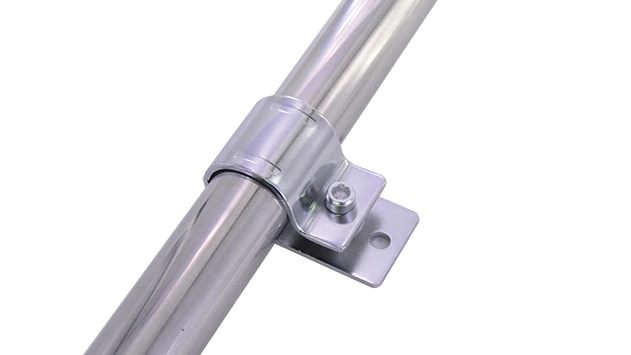
When we talk about lean systems, the focus often lands on big-picture concepts: efficiency, waste reduction, streamlined workflows. But anyone who's worked on the factory floor or in a busy warehouse knows the truth: those big ideas rely on tiny, often overlooked components. Take lean pipe clamps, for example. These unassuming connectors hold together the workbenches, flow racks, and conveyor systems that keep operations moving. And when those clamps fail—whether from corrosion, wear, or temperature stress—the whole line can grind to a halt. Today, we're zeroing in on one specific star of the clamp world: lean pipe clamp chrome. We'll explore what makes them temperature-resistant, where they perform best, and why they've become a go-to for teams that can't afford downtime.
What Are Lean Pipe Clamp Chrome? A Closer Look at Design and Material
First, let's get clear on what we're talking about. Lean pipe clamp chrome are exactly what they sound like: metal clamps, typically made from a steel base, coated in a layer of chrome for added durability. They're designed to connect lean pipes—those modular tubes that form the backbone of everything from workbenches to material racks—in lean systems. Unlike plastic clamps or basic steel ones, the chrome plating isn't just for shine; it's a functional choice that adds a barrier against corrosion, scratches, and yes, temperature-related wear.
Think about the average workbench in a factory. It's holding tools, parts, maybe even a heavy machine. The clamps holding its frame together need to handle not just weight, but also the daily bumps of workers leaning on it, parts being set down, and maybe even spills. Now add temperature into the mix: a workbench near a welding station might get hit with sudden heat spikes, while one in a cold storage warehouse has to stay rigid in freezing temps. That's where the design of lean pipe clamp chrome shines. They're often engineered with a "jaw" that grips the pipe tightly, using bolts or screws to lock into place, and the chrome layer ensures that even as temperatures rise or fall, the metal underneath doesn't expand or contract unevenly—keeping the connection tight.
But why chrome? Steel alone is strong, but it's prone to rust, especially in humid or wet environments. Chrome plating adds a thin, hard layer (usually just a few micrometers thick) that's resistant to oxidation. That means even if the clamp gets splashed with coolant, exposed to steam, or left in a damp corner, it won't start corroding. And when it comes to temperature, chrome has a high melting point (around 1,907°C, though the steel base will soften long before that) and low thermal conductivity compared to bare steel. In plain terms: it doesn't absorb heat or cold as quickly, which helps prevent warping.
The Science of Temperature Resistance: What Makes Chrome-Plated Clamps Stand Out
Temperature resistance in clamps isn't just about "can it handle heat or cold?" It's about stability. When materials heat up, they expand; when they cool down, they contract. If a clamp expands too much, it might loosen its grip on the pipe; if it contracts too sharply, it could crack or warp. Lean pipe clamp chrome are designed to minimize these issues, thanks to a combination of their base material (steel) and the chrome coating.
Steel has a coefficient of thermal expansion (the rate at which it expands when heated) of about 11.7 × 10^-6 per °C. That's relatively low, meaning it doesn't stretch much even with temperature swings. Chrome, on the other hand, has a slightly higher coefficient (around 18 × 10^-6 per °C), but because the plating is so thin, its expansion is negligible compared to the steel underneath. This mismatch is actually a good thing: the chrome acts like a tough outer skin, while the steel core provides stability. Together, they resist warping even when temps go from, say, 5°C (41°F) in a morning warehouse to 35°C (95°F) in the afternoon sun.
But what about extreme temperatures? Let's say a clamp is in a food processing plant, where it's regularly sprayed with 80°C (176°F) hot water for sanitization. Or in a automotive paint shop, where ovens reach 60°C (140°F) to cure paint, and the clamps holding the part racks are nearby. Chrome-plated steel can handle these conditions because the chrome layer doesn't degrade at high temps (it starts to oxidize only above 200°C, and even then, slowly), and the steel base remains strong up to around 200°C before it begins to lose tensile strength. On the cold end, steel becomes more brittle in freezing temps, but the chrome coating adds a slight buffer—preventing moisture from seeping into tiny cracks and freezing, which can cause steel to split. In tests, lean pipe clamp chrome have been shown to maintain their clamping force in environments ranging from -20°C (-4°F) to 120°C (248°F), which covers most industrial scenarios.

Suitable Working Environments: Where Lean Pipe Clamp Chrome Thrive
Now that we understand how they work, let's talk about where they work best. Lean pipe clamp chrome aren't a one-size-fits-all solution, but there are specific environments where their temperature resistance and durability make them the top choice.
Automotive Manufacturing Plants: Heat, Grease, and Constant Motion
Walk into any automotive plant, and you'll see lean systems everywhere: material racks holding engine parts, flow racks feeding assembly lines, workbenches where mechanics assemble components. It's also a place of extreme temperature variation. Near the welding stations, sparks fly and ambient temperatures can hit 40°C (104°F) or higher. A few feet away, air conditioning might keep the electronics assembly area cooler, but then there's the paint shop with curing ovens, and the testing area where engines run hot. Through it all, the clamps holding these systems together need to stay steady.
Plastic clamps would melt near welding; basic steel clamps might rust from the constant grease and coolant spills. Lean pipe clamp chrome, though? They handle the heat without warping, the chrome resists the grease and chemicals, and they stay tight even when the metal around them expands and contracts. One automotive plant in Ohio, for example, switched to chrome clamps on their engine assembly flow racks after plastic clamps kept cracking in the summer heat. They reported a 75% drop in clamp failures, which meant less time spent stopping the line to fix loose racks.
Electronics Assembly Lines: Precision in Controlled (Yet Fluctuating) Spaces
Electronics manufacturing is all about precision. Even a tiny shift in a workbench or conveyor can throw off component placement, leading to defective products. But while these facilities often have climate control, there are still temperature variables. Think about a surface-mount technology (SMT) line: the soldering machines reach temperatures of 250°C (482°F), and even with ventilation, the area around them gets warm. Then there's the static-sensitive component storage, which might be kept cooler to prevent moisture buildup. Lean pipe clamp chrome are ideal here because they don't expand or contract enough to throw off the alignment of the workbench or conveyor rails. The chrome also helps with ESD (electrostatic discharge) protection in some cases—though that's more about the base material than the plating—ensuring that static doesn't build up on the clamps and damage sensitive electronics.
Warehousing and Distribution Centers: Cold Storage and Warm Loading Zones
Warehouses are another environment where temperature swings are the norm. A facility storing frozen foods will have cold storage rooms at -18°C (0°F), while the loading dock, exposed to the sun in summer, might hit 35°C (95°F). The material racks and turnover trolleys moving between these zones need clamps that can handle both extremes without losing their grip. Imagine a trolley with plastic clamps: in the freezer, the plastic might become brittle and snap when someone pushes it; in the heat, it might soften and loosen. Lean pipe clamp chrome, with their steel core and chrome coating, stay rigid in the cold and don't soften in the heat. A distribution center in Texas reported that after switching to chrome clamps on their cold storage racks, they replaced clamps 60% less often than with their previous steel ones, which had started to rust and weaken in the humid Texas summers.
Food Processing Facilities: Balancing Cleanliness and Temperature Extremes
Food processing is a unique challenge: high temperatures for cooking or sanitizing, cold temperatures for storage, and strict cleanliness standards. Clamps here need to resist not just heat and cold, but also regular washdowns with hot, soapy water or even chemicals like bleach. Stainless steel pipe series clamps are often used here too, but lean pipe clamp chrome offer a more cost-effective alternative without sacrificing performance. The chrome plating is non-porous, so bacteria can't hide in cracks, and it stands up to hot water without peeling. In a bakery, for example, the racks holding dough trays might go from a 30°C (86°F) proofing room to a 4°C (39°F) cooler overnight. Chrome clamps keep the racks stable, and a quick wipe-down with sanitizer keeps them clean—no rust, no degradation.
Comparing Temperature Performance: Lean Pipe Clamp Chrome vs. Alternatives
To really see why lean pipe clamp chrome are a strong choice, let's compare them to other common clamp types. The table below breaks down their temperature resistance, best uses, and limitations.
| Clamp Type | Base Material | Temperature Range (Continuous Use) | Best For | Limitations |
|---|---|---|---|---|
| Lean Pipe Clamp Chrome | Steel with chrome plating | -20°C to 120°C (-4°F to 248°F) | Automotive, electronics, warehouses, food processing | More expensive than plastic; chrome can chip if hit hard |
| Plastic Clamps | Nylon or polypropylene | -10°C to 60°C (14°F to 140°F) | Light-duty use, dry environments | Melt in high heat; become brittle in cold; prone to cracking |
| Stainless Steel Pipe Series Clamps | Stainless steel (no plating) | -270°C to 600°C (-454°F to 1112°F) | Extreme heat/cold, marine environments | More expensive than chrome-plated; heavier; can still corrode in saltwater |
| Aluminum Clamps | Aluminum alloy | -40°C to 100°C (-40°F to 212°F) | Lightweight applications, moderate temps | Softer than steel; dents easily; poor corrosion resistance without coating |
As you can see, lean pipe clamp chrome hit the sweet spot for most industrial environments. They handle a wider range than plastic, are more affordable than stainless steel, and are more durable than aluminum. Unless you're dealing with cryogenic cold or foundry-level heat, they're likely the best bet.
Real-World Applications: Stories from the Floor
Numbers and specs tell part of the story, but hearing from teams who use these clamps daily brings it to life. Let's look at two quick case studies.
Case Study 1: Automotive Plant in Michigan – Reducing Downtime in High Heat
A large automotive manufacturer in Michigan was struggling with their transmission assembly line. The line used flow racks made with plastic clamps to hold the racks together. In the summer, the plant's AC couldn't keep up with the heat from nearby welding stations, and ambient temperatures in the area hit 45°C (113°F). The plastic clamps began to soften, causing the racks to sag. Workers had to stop the line multiple times a day to tighten or replace clamps, leading to hours of lost production.
After consulting with a lean system supplier, they switched to lean pipe clamp chrome. The difference was immediate. Even in the same hot conditions, the chrome-plated steel clamps didn't soften. Over six months, clamp-related downtime dropped from 12 hours a month to just 2 hours. The maintenance team also noted that the chrome clamps were easier to clean—grease and coolant wiped off easily, whereas the plastic clamps had absorbed oils and become sticky.
Case Study 2: Electronics Warehouse in Arizona – Battling Desert Heat and Humidity
A warehouse storing electronics components in Phoenix, Arizona, faced a different problem: extreme summer heat (up to 40°C/104°F) combined with monsoon season humidity. They were using basic steel clamps on their material racks, but the humidity led to rust, which then caused the clamps to loosen. Loose racks meant parts would sometimes fall, risking damage to expensive components.
Switching to lean pipe clamp chrome solved two issues: the chrome plating prevented rust, even in the humid months, and the clamps maintained their grip in the heat. The warehouse manager reported that after the switch, they had zero incidents of falling parts due to loose clamps, and the racks looked newer for longer—no more rust stains on the steel pipes.
Maintenance Tips: Keeping Your Chrome Clamps Resistant in Any Environment
Even the most durable clamps need a little care to stay in top shape. Here are some tips to ensure your lean pipe clamp chrome keep performing, no matter the temperature:
- Clean regularly: Wipe down clamps with a damp cloth to remove grease, dust, or chemicals. For tough grime, use a mild detergent—avoid abrasive cleaners, which can scratch the chrome.
- Check for chrome flaking: Over time, if a clamp is hit hard, the chrome might chip. A small chip isn't a problem, but if it's large, moisture can get to the steel underneath and cause rust. replace chipped clamps promptly.
- Tighten bolts in temperature cycles: If your environment has big temperature swings (like a warehouse that's hot by day and cool by night), check the clamp bolts seasonally. Steel expands and contracts, which can loosen bolts over time. A quick tighten with a wrench keeps the grip strong.
- Lubricate moving parts (if applicable): Some clamps have adjustable jaws with moving parts. In cold environments, these can get stiff. A drop of silicone-based lubricant (avoid oil-based lubes in food areas) keeps them moving smoothly.
- Avoid prolonged exposure to temps above 120°C: While chrome can handle short spikes, continuous heat above 120°C will start to degrade the steel. If a clamp is near a heat source like an oven, add a heat shield or relocate the system if possible.
Conclusion: Investing in Longevity – Why Temperature Resistance Translates to Cost Savings
At the end of the day, lean pipe clamp chrome are more than just a component—they're an investment in the reliability of your lean system. In environments where temperature swings, corrosion, and wear are daily challenges, choosing a clamp that can stand up to these factors means less downtime, fewer replacements, and a safer workplace. Whether you're running an automotive plant, an electronics assembly line, or a food processing facility, the right clamp can make the difference between a system that runs smoothly for years and one that's constantly in need of repair.
So the next time you're setting up a new workbench, flow rack, or material rack, don't overlook the clamps. Think about the temperatures they'll face, the conditions they'll endure, and choose accordingly. Lean pipe clamp chrome might cost a bit more upfront than plastic or basic steel, but their temperature resistance, durability, and low maintenance needs make them a smart choice for any operation that values efficiency and longevity.