- Company Articles
- Products and Technology
- Product knowledge
- Lean Pipe Clamp Chrome vs Plastic Clamp: Durability and Cost Comparison

Lean Pipe Clamp Chrome vs Plastic Clamp: Durability and Cost Comparison
Related Product
Lean Pipe Clamp Chrome
Lean pipe clamp is used for rack system hang monitor or other panel for workbenck, flowrack in production daily use.
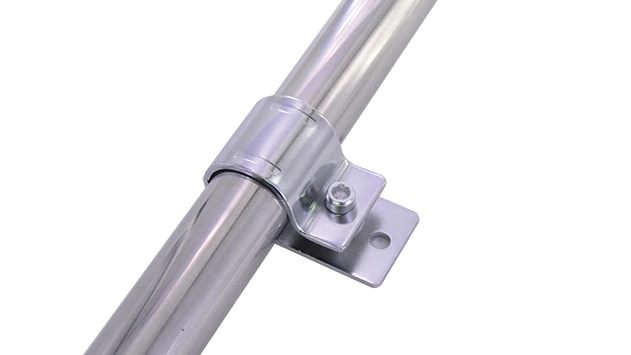
In the world of lean manufacturing, where efficiency and adaptability are the backbone of productivity, every component plays a silent yet critical role. Lean pipe systems—those versatile, modular structures that form workbenches, flow racks, conveyors, and turnover trolleys—are the unsung heroes of factory floors and warehouses. But what holds these systems together? The answer lies in the small but mighty lean pipe clamp , the connective tissue that transforms simple pipes into robust, functional structures. Today, we're diving into a common dilemma for manufacturers and facility managers: choosing between chrome-plated lean pipe clamps and plastic lean pipe clamps. Which offers better durability? Which is more cost-effective? Let's break it down.
Understanding Lean Pipe Clamps: The Backbone of Modular Systems
Before we compare chrome and plastic, let's first appreciate what lean pipe clamps do. These unassuming components are the "joints" of lean pipe systems, designed to securely fasten pipes at various angles (90°, 45°, 180°, etc.). Whether you're building a flow rack for material handling or a workbench for assembly lines, clamps determine how well the structure holds up under daily use. A weak clamp can lead to wobbly workstations, sagging racks, or even safety hazards—so choosing the right type matters.
Lean pipe clamps come in different materials, but two of the most popular options are chrome-plated steel and plastic (typically nylon or polypropylene). Each has its own set of strengths and weaknesses, making them better suited for specific environments and budgets. Let's start by examining chrome-plated clamps.
Chrome-Plated Lean Pipe Clamps: The Heavy-Duty Contender
What Are They Made Of?
Chrome-plated lean pipe clamps are typically constructed from carbon steel, with a thin layer of chromium electroplated onto the surface. This plating serves two key purposes: it adds a sleek, corrosion-resistant finish, and it enhances the clamp's overall durability. The steel core provides tensile strength, while the chrome layer acts as a shield against rust, scratches, and general wear.
Durability: Built to Withstand the Grind
When it comes to raw durability, chrome clamps are hard to beat. Let's break down their performance in real-world scenarios:
- Load Capacity: Chrome clamps excel under heavy loads. A standard chrome lean pipe joint can easily support pipes carrying 200–500kg of weight, depending on the clamp size and design. This makes them ideal for industrial workbenches, heavy-duty flow racks, and conveyor systems where materials like metal parts or machinery components are constantly moving.
- Resistance to Wear and Tear: In high-traffic environments—think factories with 24/7 operations—chrome clamps hold up remarkably well. The steel core resists bending or warping, even when pipes are jostled or bumped. Unlike plastic, they don't crack under repeated stress, and the chrome plating prevents the steel from rusting, even in humid or slightly damp conditions.
- Temperature and Chemical Resistance: Chrome clamps can tolerate a wide range of temperatures, from freezing cold warehouses to warm assembly lines. They're also resistant to most industrial chemicals, oils, and solvents—common in automotive or machinery workshops—without degrading.
Real-World Example: A Automotive Plant's Experience
Consider a mid-sized automotive parts manufacturer in Ohio. For years, they used plastic clamps on their main assembly line flow racks, which carried heavy engine components. Within 8–12 months, the plastic clamps began to crack at the joints, leading to sagging racks and frequent downtime for replacements. After switching to chrome-plated clamps, they reported that the same racks lasted over 5 years with minimal issues—even with daily use by forklifts and workers. The initial investment in chrome clamps paid off in reduced maintenance costs and fewer disruptions.
Cost Considerations: Pay More Now, Save Later
Chrome clamps do come with a higher upfront cost. On average, they're 2–3 times more expensive than plastic clamps. For a small business building a single workbench, this might seem like a steep price. But for large-scale operations or structures that see heavy use, the long-term savings are significant. Instead of replacing plastic clamps every year, chrome clamps can last 5–10 years, making their total cost of ownership much lower.

Plastic Lean Pipe Clamps: The Budget-Friendly Alternative
What Are They Made Of?
Plastic lean pipe clamps are usually made from high-density polyethylene (HDPE), nylon, or polypropylene. These materials are lightweight, affordable, and easy to mold into complex shapes, which is why plastic clamps often come in a wider variety of designs (e.g., swivel joints, multi-angle connectors). They're also non-conductive, making them a popular choice in electronics manufacturing where static electricity is a concern.
Durability: Lightweight but Limited
Plastic clamps have their own set of advantages, but durability isn't their strongest suit. Here's how they perform:
- Load Capacity: Plastic clamps are best suited for light to medium loads—typically 50–200kg. They work well for small workbenches, temporary storage racks, or environments where materials are lightweight (e.g., packaging facilities with cardboard boxes).
- Resistance to Wear and Tear: While modern plastics are stronger than ever, they still struggle with prolonged stress. Over time, plastic clamps can develop hairline cracks, especially at the joints, when exposed to repeated tightening/loosening or heavy vibrations. They're also prone to UV damage if used outdoors, which can cause brittleness.
- Temperature and Chemical Sensitivity: Plastic clamps have a narrower temperature range. They can warp in high heat (above 60°C) and become brittle in extreme cold. Additionally, they're susceptible to damage from strong chemicals, oils, and solvents—so they're not ideal for industrial settings with harsh substances.
Real-World Example: A Small Electronics Workshop
A small electronics repair shop in California needed a few simple workbenches for assembling circuit boards. They opted for plastic clamps to keep costs low. Since the workbenches only held lightweight tools and small components, the plastic clamps worked perfectly. After 3 years of daily use, the clamps showed minimal wear, and the shop owner noted that replacing a few cracked clamps here and there was far cheaper than investing in chrome upfront. For their scale and needs, plastic was the practical choice.
Cost Considerations: Affordable Upfront, But Plan for Replacements
Plastic clamps are undeniably budget-friendly. A basic plastic clamp can cost as little as $1–$3, compared to $5–$10 for a chrome one. This makes them attractive for startups, small businesses, or temporary projects (e.g., trade show displays, short-term production runs). However, if you use them in heavy-duty settings, you'll end up replacing them every 1–3 years, which can add up over time.
Side-by-Side Comparison: Chrome vs Plastic Clamps
| Feature | Chrome-Plated Clamps | Plastic Clamps |
|---|---|---|
| Material | Steel core with chrome plating | Nylon, polypropylene, or HDPE |
| Load Capacity | 200–500kg (heavy-duty) | 50–200kg (light to medium) |
| Corrosion Resistance | Excellent (chrome plating prevents rust) | Good in dry environments; poor in humid/chemical-rich areas |
| Temperature Range | -20°C to 120°C (wide range) | 0°C to 60°C (narrow range) |
| Lifespan | 5–10 years | 1–3 years (heavy use); 3–5 years (light use) |
| Upfront Cost | Higher ($5–$10 per clamp) | Lower ($1–$3 per clamp) |
| Best For | Heavy-duty industrial use, high loads, harsh environments | Light loads, small-scale operations, temporary setups, cleanrooms |
Making the Right Choice: Key Factors to Consider
Deciding between chrome and plastic clamps isn't about which is "better"—it's about which fits your needs. Here are the critical factors to weigh:
1. Load and Usage Intensity
If your lean pipe system will carry heavy materials (e.g., metal parts, machinery) or be used constantly, chrome clamps are the safer bet. For light loads (e.g., office supplies, small electronics), plastic clamps will suffice.
2. Environment
Humid warehouses, factories with chemicals, or outdoor settings demand chrome's corrosion resistance. Dry, indoor environments (e.g., labs, small workshops) are better for plastic.
3. Budget and Longevity
If you're working with a tight budget and don't mind occasional replacements, plastic clamps are affordable upfront. For long-term cost savings and minimal maintenance, chrome clamps are worth the investment.
4. Industry-Specific Needs
Electronics manufacturing often prefers plastic clamps for their non-conductive properties, while automotive or aerospace industries lean toward chrome for durability. Cleanrooms may use plastic to avoid metal particles from chrome plating.
Maintenance Tips to Extend Clamp Life
No matter which clamp type you choose, proper maintenance can extend its lifespan:
- Chrome Clamps: Wipe down with a damp cloth to remove dust and debris. Avoid abrasive cleaners that can scratch the plating. Inspect for rust spots annually—if found, treat with a rust inhibitor.
- Plastic Clamps: Check for cracks or brittleness every 6 months, especially in high-stress areas. Avoid exposing them to direct sunlight or extreme temperatures. Use mild soap and water for cleaning, not harsh chemicals.
Conclusion: The Right Clamp for Your Lean Journey
Chrome-plated and plastic lean pipe clamps each have their place in the world of lean manufacturing. Chrome clamps are the workhorses, built to endure heavy loads and harsh conditions, while plastic clamps offer affordability and flexibility for lighter, simpler setups. The key is to align your choice with your specific needs—whether that's long-term durability, budget constraints, or environmental factors.
Remember, a lean pipe system is only as strong as its weakest link. By choosing the right clamps, you're not just building a structure—you're building a foundation for efficiency, safety, and productivity. So, assess your loads, evaluate your environment, and pick the clamp that will grow with your operations. After all, in lean manufacturing, every decision should add value—and the right clamp is no exception.