- Company Articles
- Products and Technology
- Product knowledge
- Lean Pipe Clamp Chrome vs Stainless Steel Clamp: Which Fits Your Production Line?

Lean Pipe Clamp Chrome vs Stainless Steel Clamp: Which Fits Your Production Line?
Related Product
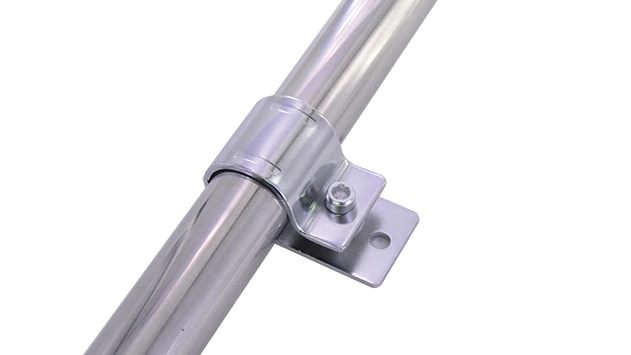
Lean Pipe Clamp Chrome
Lean pipe clamp is used for rack system hang monitor or other panel for workbenck, flowrack in production daily use.
Walk into any modern manufacturing facility, warehouse, or assembly plant, and you'll likely spot a network of sleek, modular structures—workbenches, flow racks, material trolleys, and conveyor systems—all working in harmony to keep operations running smoothly. These are the backbone of lean systems, designed to minimize waste, maximize efficiency, and adapt to ever-changing production needs. But behind this seamless functionality lies a small yet critical component: the lean pipe clamp. These unassuming connectors hold the entire system together, ensuring stability, flexibility, and durability. When it comes to choosing between chrome-plated and stainless steel lean pipe clamps, the decision isn't just about aesthetics—it's about matching the right tool to your environment, budget, and long-term goals. Let's dive into the details to help you decide which clamp deserves a spot in your production line.
The Role of Clamps in Lean Systems: More Than Just "Connectors"
Before we compare chrome and stainless steel clamps, let's take a moment to appreciate why these components matter. In lean manufacturing, every part of the system is intentional. A single loose clamp can disrupt workflow, cause delays, or even compromise safety. Lean pipe clamps are the "glue" that transforms basic aluminum or steel pipes into custom workbenches, flow racks, or turnover trolleys. They allow teams to reconfigure structures quickly (a key tenet of lean principles) and ensure that even the heaviest loads—think stacks of raw materials or fully assembled products—stay secure.
But not all clamps are created equal. The material, design, and finish of a clamp directly impact its performance. For example, a clamp used in a food processing plant, where constant washdowns and moisture are the norm, faces very different challenges than one in a dry, climate-controlled electronics assembly workshop. That's where the choice between chrome and stainless steel becomes crucial. Let's break down what each option brings to the table.
Chrome-Plated Lean Pipe Clamps: The Shiny Contender
What Are Chrome-Plated Clamps, Exactly?
Chrome-plated lean pipe clamps start with a base of carbon steel—a strong, affordable material that provides a solid foundation for structural support. The steel is then electroplated with a thin layer of chromium, a process that involves submerging the steel in a chromium solution and passing an electric current through it. This bonds the chromium to the steel surface, creating a bright, reflective finish that's hard to miss.
The appeal of chrome plating is twofold: it adds a polished, professional look to lean systems, and it initially boosts corrosion resistance. For facilities where aesthetics matter—like customer-facing showrooms or production lines that double as tour spaces—chrome clamps can elevate the visual appeal of workbenches and racks. They're also widely available and often come with a lower price tag than their stainless steel counterparts, making them a popular choice for budget-conscious operations.
The Pros: When Chrome Shines Brightest
Cost-Effective Upfront: If you're outfitting a new production line or scaling up quickly, budget constraints can't be ignored. Chrome-plated clamps typically cost 20-30% less than stainless steel options, making them an attractive choice for large-scale projects where initial investment is a priority.
Visual Appeal: Let's be honest—chrome looks good. That mirror-like finish can make even the most utilitarian workbench feel more put-together. In environments where cleanliness and presentation are part of the brand (think automotive showrooms or high-end electronics manufacturing), chrome clamps add a touch of professionalism that plain steel or even stainless steel might lack.
Decent Performance in Dry, Controlled Environments: In indoor spaces with low humidity, minimal exposure to chemicals, and infrequent contact with water, chrome clamps can hold up well. For example, a warehouse storing dry goods or a workshop assembling non-corrosive materials (like plastic components) might see chrome clamps last 5-7 years with proper care.
The Cons: Where Chrome Falls Short
While chrome clamps have their perks, they're not without limitations. The biggest red flag? Their long-term durability, especially in harsh environments. The chromium plating is thin—usually just 0.0005 to 0.002 inches thick—and prone to chipping, scratching, or peeling if not handled carefully. Once that protective layer is compromised, the underlying carbon steel is exposed, and rust becomes inevitable.
Vulnerable to Corrosion: Moisture, humidity, and chemicals are chrome's worst enemies. A spill of cleaning fluid, a damp warehouse floor, or even frequent condensation can eat away at the plating over time. In one manufacturing plant we worked with, chrome clamps used near a pressure-washing station began showing rust spots within 18 months. By year three, nearly 40% needed replacement—a hidden cost that quickly erased the initial savings.
High Maintenance: To keep chrome clamps looking good and functioning, you'll need to stay on top of maintenance. Regular polishing to prevent tarnishing, touch-up paint for chips, and immediate cleaning after exposure to water or chemicals are all necessary. For busy teams, this added upkeep can become a drain on time and resources.
Limited Load Capacity Over Time: While carbon steel is strong, rust weakens the material from the inside out. A rusted clamp might still "look" okay, but its ability to hold heavy loads (like stacked flow rack shelves or fully loaded turnover trolleys) diminishes. This poses not just efficiency risks but safety hazards too.

Stainless Steel Clamps: The Heavy-Duty Performer
What Makes Stainless Steel Clamps Different?
Stainless steel clamps are crafted from an alloy of steel, chromium (at least 10.5%), and often nickel, molybdenum, or other elements. Unlike chrome-plated clamps, where corrosion resistance is a surface treatment, stainless steel's protection is inherent to the material. When exposed to oxygen, the chromium in the alloy forms a thin, invisible layer of chromium oxide on the surface. This layer self-repairs if scratched, ensuring continuous protection against rust and corrosion.
Most stainless steel clamps used in lean systems are made from 304 or 316 grade stainless steel. 304 is the most common, offering excellent resistance to water, mild chemicals, and everyday wear. 316, often called "marine-grade" stainless steel, adds molybdenum for enhanced protection against saltwater, acids, and harsh industrial chemicals—making it ideal for extreme environments.
The Pros: Why Stainless Steel Earns Its Reputation
Unmatched Corrosion Resistance: This is where stainless steel truly shines. In high-moisture environments—food processing plants, breweries, or outdoor warehouses—stainless steel clamps resist rust and deterioration, even with daily exposure to water, steam, or cleaning agents. A pharmaceutical manufacturer we consulted reported using 304 stainless steel clamps on their flow racks for over 12 years, and they still look and function like new.
Low Maintenance, High Longevity: Stainless steel is the "set it and forget it" option. Unlike chrome, it doesn't require polishing, painting, or touch-ups. A quick wipe with a damp cloth to remove dirt or debris is usually all it takes. This translates to less downtime, lower labor costs, and a longer lifespan—often 10-15 years or more, even in demanding environments.
Strength and Durability: Stainless steel is inherently strong, with a higher tensile strength than carbon steel. This means stainless steel clamps can handle heavier loads without bending or warping. For example, a stainless steel clamp might safely support 500 lbs on a workbench, while a chrome-plated clamp of the same size might max out at 400 lbs before showing signs of stress.
Compliance with Industry Standards: In regulated industries like food and beverage, pharmaceuticals, or medical device manufacturing, stainless steel is often a requirement. Its non-porous surface resists bacterial growth, and it can withstand frequent sanitization with harsh chemicals—ensuring compliance with FDA, USDA, and ISO standards.
The Cons: When Stainless Steel Might Not Be the Best Fit
The biggest downside to stainless steel clamps is their upfront cost. They typically cost more than chrome-plated options, sometimes by as much as 50%. For small businesses or facilities with very tight budgets, this can be a barrier. However, it's important to consider the total cost of ownership: while stainless steel costs more initially, it lasts longer and requires less maintenance, often making it the more economical choice over time.
Another minor drawback? Aesthetics, at least for some. Stainless steel has a muted, matte finish that some find less "flashy" than chrome. While it's certainly clean and professional-looking, it won't offer that mirror-like shine. For environments where visual appeal is a top priority (and corrosion isn't a concern), this might sway the decision toward chrome.
Head-to-Head: Chrome vs. Stainless Steel Clamps
To make the decision clearer, let's compare the two side by side. The table below breaks down key factors like material, performance, cost, and ideal use cases.
| Factor | Chrome-Plated Lean Pipe Clamp | Stainless Steel Lean Pipe Clamp |
|---|---|---|
| Base Material | Carbon steel with chromium plating (0.0005-0.002 inches thick) | Stainless steel alloy (304 or 316 grade, with 10.5%+ chromium) |
| Corrosion Resistance | Low to moderate (only as long as plating is intact; vulnerable to moisture, chemicals, and scratches) | High to excellent (inherent resistance; self-repairing chromium oxide layer; 316 grade resists saltwater and acids) |
| Upfront Cost | Lower (20-30% cheaper than stainless steel) | Higher (50% more expensive than chrome on average) |
| Total Cost of Ownership | Higher over time (needs replacement every 5-7 years; requires maintenance) | Lower over time (lasts 10-15+ years; minimal maintenance) |
| Ideal Environment | Dry, indoor, low-humidity spaces (e.g., dry warehouses, plastic assembly workshops) | High-moisture, corrosive, or regulated environments (e.g., food processing, pharmaceuticals, outdoor facilities) |
| Maintenance Needs | High (polishing, touch-up paint for chips, frequent cleaning) | Low (occasional wiping with a damp cloth; no special treatments) |
| Aesthetic Appeal | High (mirror-like shine; sleek, polished look) | Moderate (matte finish; clean but less reflective) |
| Load Capacity | Moderate (carbon steel is strong, but rust weakens over time) | High (stainless steel has higher tensile strength and maintains integrity long-term) |
Real-World Scenarios: Which Clamp Wins in Practice?
Case Study 1: Automotive Parts Warehouse (Dry Environment)
A mid-sized automotive parts distributor in the Midwest needed to build 20 flow racks to store plastic and rubber components. The warehouse is climate-controlled, with humidity levels consistently below 40%, and the parts are dry and non-corrosive. The team opted for chrome-plated clamps to save on upfront costs. Three years later, the racks are still sturdy, and the clamps show no signs of rust. For this environment, chrome was the practical choice—no need to pay extra for stainless steel when the conditions don't demand it.
Case Study 2: Craft Brewery (High Moisture, Chemical Exposure)
A craft brewery in Oregon installed a lean system for their bottling line, including workbenches and material trolleys. The area is frequently exposed to water (from cleaning) and mild acids (from spilled beer). Initially, they used chrome clamps to cut costs. Within 18 months, clamps near the washing station began rusting, and some even seized up, making it hard to reconfigure the line. They replaced all chrome clamps with 304 stainless steel versions. Five years later, the stainless steel clamps still look new, even with daily exposure to water and sanitizing agents. The brewery estimates the switch saved them $12,000 in replacement and maintenance costs over five years.
Case Study 3: Pharmaceutical Packaging Plant (Regulated Environment)
A pharmaceutical company in New Jersey needed to build cleanroom workbenches for packaging medications. FDA regulations require surfaces that can withstand frequent sanitization with hydrogen peroxide and other harsh chemicals. Stainless steel clamps were non-negotiable here—chrome would have corroded quickly under the cleaning regimen, risking contamination. The initial investment was higher, but the clamps have lasted 12 years with zero issues, ensuring compliance and avoiding costly shutdowns.
Making Your Decision: Key Questions to Ask
Still on the fence? Ask yourself these questions to narrow it down:
1. What's my environment like? Is your facility dry or humid? Do you use water, chemicals, or cleaning agents regularly? If the answer is "yes" to moisture or chemicals, stainless steel is the safer bet.
2. What's my budget—short-term vs. long-term? If you need to outfit a line quickly and can replace clamps in 5 years, chrome might work. But if you want to avoid replacement costs and downtime, stainless steel's higher upfront cost pays off.
3. Are there regulations I need to follow? Food, beverage, pharmaceutical, and medical device industries often require stainless steel for compliance. Don't risk fines or product contamination with chrome.
4. How often will I reconfigure the system? If you frequently take apart and rebuild workbenches or racks, stainless steel clamps are more durable against repeated handling—chrome plating can chip during disassembly.
5. Does aesthetics matter more than longevity? If your production line is visible to clients or customers and corrosion isn't a risk, chrome's shine might be worth the trade-off. But if function and durability are priorities, stainless steel wins.
Final Thoughts: It's About Matching Clamps to Your Reality
At the end of the day, there's no "one-size-fits-all" answer. Chrome-plated lean pipe clamps have their place in dry, budget-sensitive environments where aesthetics matter. They're a solid choice for short-term projects or facilities with minimal exposure to moisture and chemicals. But for most industrial settings—especially those with high humidity, chemical use, or regulatory requirements—stainless steel clamps are the smarter, more cost-effective long-term investment.
Remember, the goal of a lean system is to minimize waste—and that includes waste from premature replacements, maintenance headaches, and downtime. A stainless steel clamp might cost more upfront, but it's an investment in reliability, durability, and peace of mind. And in lean manufacturing, peace of mind is priceless.
So, take a walk through your facility, assess your environment, and think about the next 5-10 years. The right clamp isn't just a connector—it's a foundation for your production line's success. Choose wisely.