- Company Articles
- Products and Technology
- Product knowledge
- Lean Pipe Clamps: Common Myths vs Facts

Lean Pipe Clamps: Common Myths vs Facts
Related Product
Lean Pipe Clamp
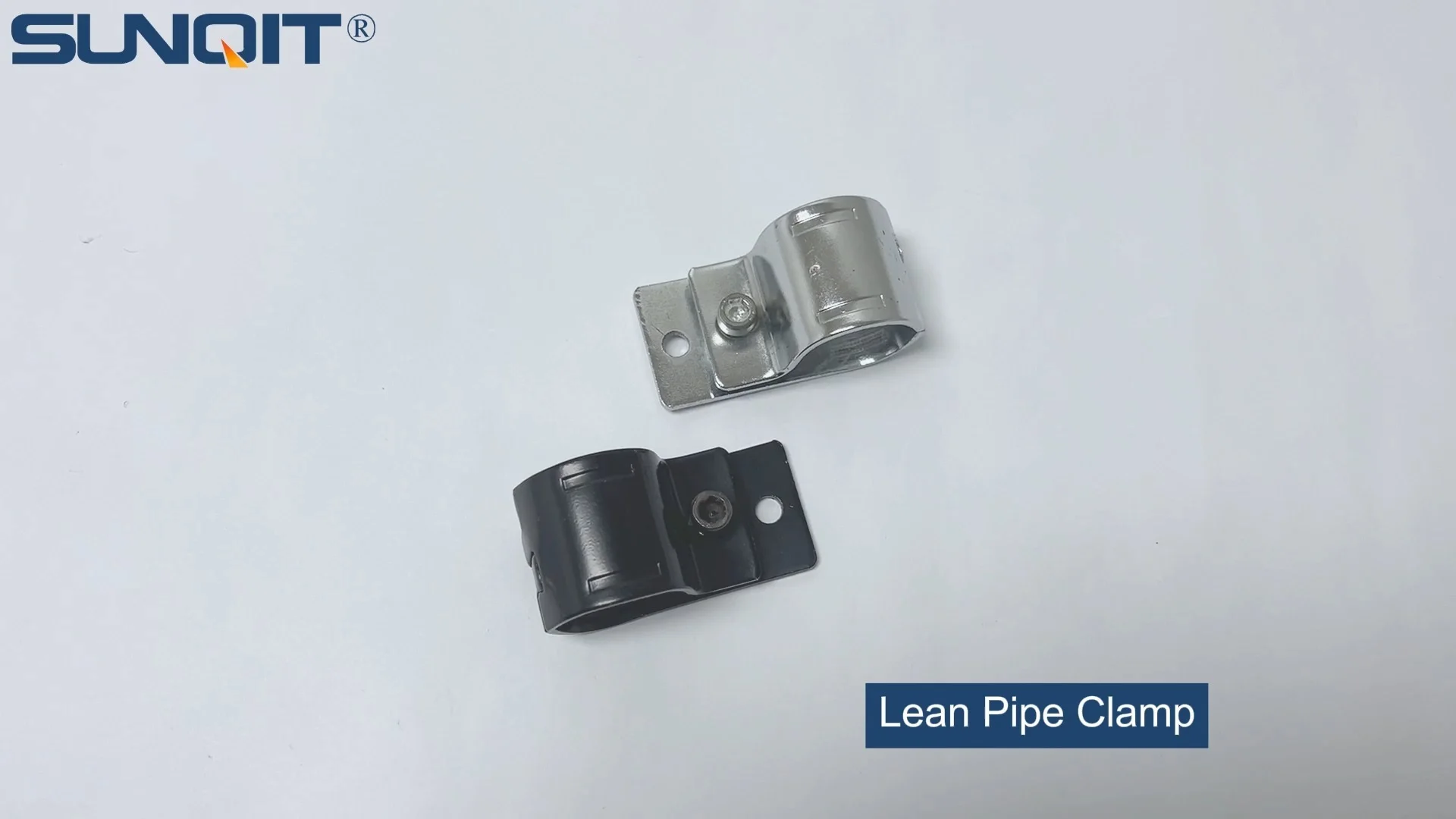
Lean pipe clamp is used for rack system hang monitor or other panel for workbenck, flowrack in production daily use.
If you've ever dabbled in setting up a lean manufacturing system, you know the backbone of it all often comes down to the small, unassuming parts—the ones that hold everything together. Enter lean pipe clamps. These little connectors might not grab headlines, but they're the unsung heroes of workbenches, flow racks, and turnover trolleys, ensuring your setup stays sturdy, flexible, and efficient. Yet, for something so critical, there's a lot of misinformation floating around. Let's dive into the most common myths about lean pipe clamps and separate fact from fiction, so you can build a lean system that truly works for you.
Myth 1: "All Lean Pipe Clamps Are the Same—Just Pick the Cheapest Option"
Walk into any industrial supply store, and you'll see shelves lined with lean pipe clamps that look nearly identical at first glance. It's easy to think, "Why splurge? A clamp is a clamp, right?" Wrong. This myth couldn't be further from the truth, and believing it can cost you time, money, and headaches down the line.
Fact: Lean pipe clamps come in a dizzying array of types, materials, and designs—each tailored to specific needs. Let's break it down. First, there's the lean pipe joint itself: fixed joints for rigid structures, rotatory joints for adjustable setups, and even 90° crossing joints for multi-directional builds. Then there's the material: standard steel clamps are tough but heavy, while aluminum lean pipe clamps are lightweight and corrosion-resistant, perfect for cleanrooms or environments where weight matters. Plastic-coated clamps add a layer of protection for delicate pipes, while stainless steel options thrive in wet or high-moisture areas.
Take a simple workbench, for instance. If you use a cheap, generic clamp on a heavy-duty aluminum lean pipe, you might notice the connection loosens after a few weeks of tool placement and removal. That's because the clamp's material isn't designed to grip aluminum's smooth surface effectively. On the flip side, a specialized aluminum pipe clamp with rubberized grips will hold tight, even with daily use. The takeaway? Lean pipe and accessories work best when they're matched—skimping on clamps can turn your "lean" system into a wobbly, inefficient mess.
Myth 2: "Lean Pipe Clamps Are Only for Big Factories—Small Workshops Don't Need Them"
I've heard this one from hobbyists and small business owners alike: "Lean systems are for giant auto plants, not my garage workshop." They assume lean pipe clamps are overkill, reserved for heavy machinery and mass production lines. But that couldn't be further from reality.
Fact: Lean pipe clamps are surprisingly versatile, and their flexibility makes them ideal for small-scale setups. Let's say you run a small electronics repair shop. A basic workbench built with lean pipe clamps lets you customize shelving, tool holders, and cable management on the fly. Need to add a new shelf for parts? Loosen a few clamps, adjust the pipes, and tighten—no power tools or permanent modifications required. Even home DIYers use them to build everything from garage storage racks to craft tables. The beauty of lean pipe clamps is that they scale with your needs: start small with a single workbench, and expand to flow racks or turnover trolleys as your space grows. They're not just for factories—they're for anyone who wants a system that adapts, not just exists.

Myth 3: "Tighten Clamps as Much as Possible to Prevent Wobbling"
Here's a common habit: when assembling a lean structure, grab a wrench and crank those clamps until they won't budge. "Tighter is better," right? After all, a loose clamp means a wobbly workbench, and nobody wants that. But this brute-force approach can backfire in ways you might not expect.
Fact: Over-tightening lean pipe clamps is a recipe for disaster, especially with softer materials like aluminum lean pipe . Aluminum is lightweight and corrosion-resistant, but it's also more malleable than steel. Cranking a clamp too hard can warp the pipe, strip the threads, or even crack the clamp itself. What's the sweet spot? Most manufacturers recommend a "hand-tight plus a quarter-turn" rule—tight enough to hold the joint steady, but not so tight that you're straining the materials. Think of it like tightening a jar lid: you want it secure, but you don't need to channel your inner bodybuilder. If you're using steel pipes, you have a bit more leeway, but even then, over-tightening can make future adjustments a nightmare (ever tried loosening a clamp that's been cranked to the max? Spoiler: it's not fun). The goal is a stable connection that's still easy to adjust when your needs change.

Myth 4: "Once a Clamp Starts to Loosen, It's Time to replace It"
You notice a clamp on your workbench is a little wobbly. Your first thought: "This thing is broken. I need to buy a new one." It's easy to assume that any sign of looseness means the clamp is worn out, but that's not always the case.
Fact: Loose clamps often just need a little TLC, not a full replacement. Start by checking the pipe itself—sometimes, dust, grease, or debris can prevent the clamp from gripping properly. A quick wipe with a cloth might be all it takes to restore the connection. If the clamp's grip is still weak, inspect the threads: are they stripped, or is there rust buildup? A wire brush or a drop of lubricant (for metal clamps) can work wonders. Even plastic-coated clamps can be revived by cleaning the contact points. Of course, if the clamp is cracked, bent, or the threads are completely stripped, it's time to replace it. But don't toss a clamp at the first sign of looseness—chances are, it just needs a little maintenance. This not only saves you money but also reduces waste, which is the whole point of "lean" systems, right?
Comparing Common Lean Pipe Clamp Types
| Clamp Type | Material | Best For | Key Benefit |
|---|---|---|---|
| Fixed Lean Pipe Clamp | Steel or Aluminum | Stable structures (e.g., workbench frames) | Maximum rigidity for heavy loads |
| Rotatory Lean Pipe Joint | Aluminum with plastic coating | Adjustable setups (e.g., tilting shelves) | 360° rotation for flexible configurations |
| ESD-Safe Clamp | Stainless Steel with ESD coating | Electronics manufacturing (e.g., ESD workbenches) | Prevents static discharge damage |

Myth 5: "Lean Pipe Clamps Don't Need Maintenance—Set It and Forget It"
Once your lean system is up and running, it's easy to ignore the clamps. They're out of sight, out of mind—until one day, a shelf collapses or a workbench leg gives way. Many people assume clamps are "fit-and-forget" components, but like any part of your setup, they need a little attention to last.
Fact: Regular maintenance keeps your lean pipe clamps (and your entire system) in top shape. Here's a quick checklist: every few months, give clamps a visual inspection—look for cracks, rust, or stripped threads. Tighten any that feel loose (remember: hand-tight plus a quarter-turn). For steel clamps, a light coating of anti-rust spray can prevent corrosion, especially in humid environments. If you're using aluminum clamps, avoid harsh chemicals that can damage the finish. And if you're constantly adjusting a particular clamp (say, on a frequently reconfigured flow rack), consider upgrading to a heavy-duty rotatory joint—some wear and tear is normal, but excessive loosening might mean the clamp isn't right for the job. A little maintenance goes a long way in extending the life of your lean pipe and accessories .
Why This Matters: Building a Lean System That Lasts
At the end of the day, lean pipe clamps might seem like small parts, but they're the glue that holds your lean system together. Believing these myths can lead to wobbly structures, wasted money on unnecessary replacements, and frustration when your setup doesn't perform as expected. By understanding the facts—choosing the right clamp type, using them in small and large setups alike, tightening with care, maintaining regularly—you'll build a system that's not just "lean" on paper, but truly efficient, adaptable, and durable.
So next time you're shopping for lean pipe and accessories , take a second look at those clamps. They're more than just connectors—they're the difference between a system that frustrates you and one that works for you. And isn't that the whole point of "lean"? To make work easier, not harder.