- Company Articles
- Products and Technology
- Product knowledge
- Lean Pipe Clamps for Conveyor Systems: Smooth Integration Guide

Lean Pipe Clamps for Conveyor Systems: Smooth Integration Guide
Related Product
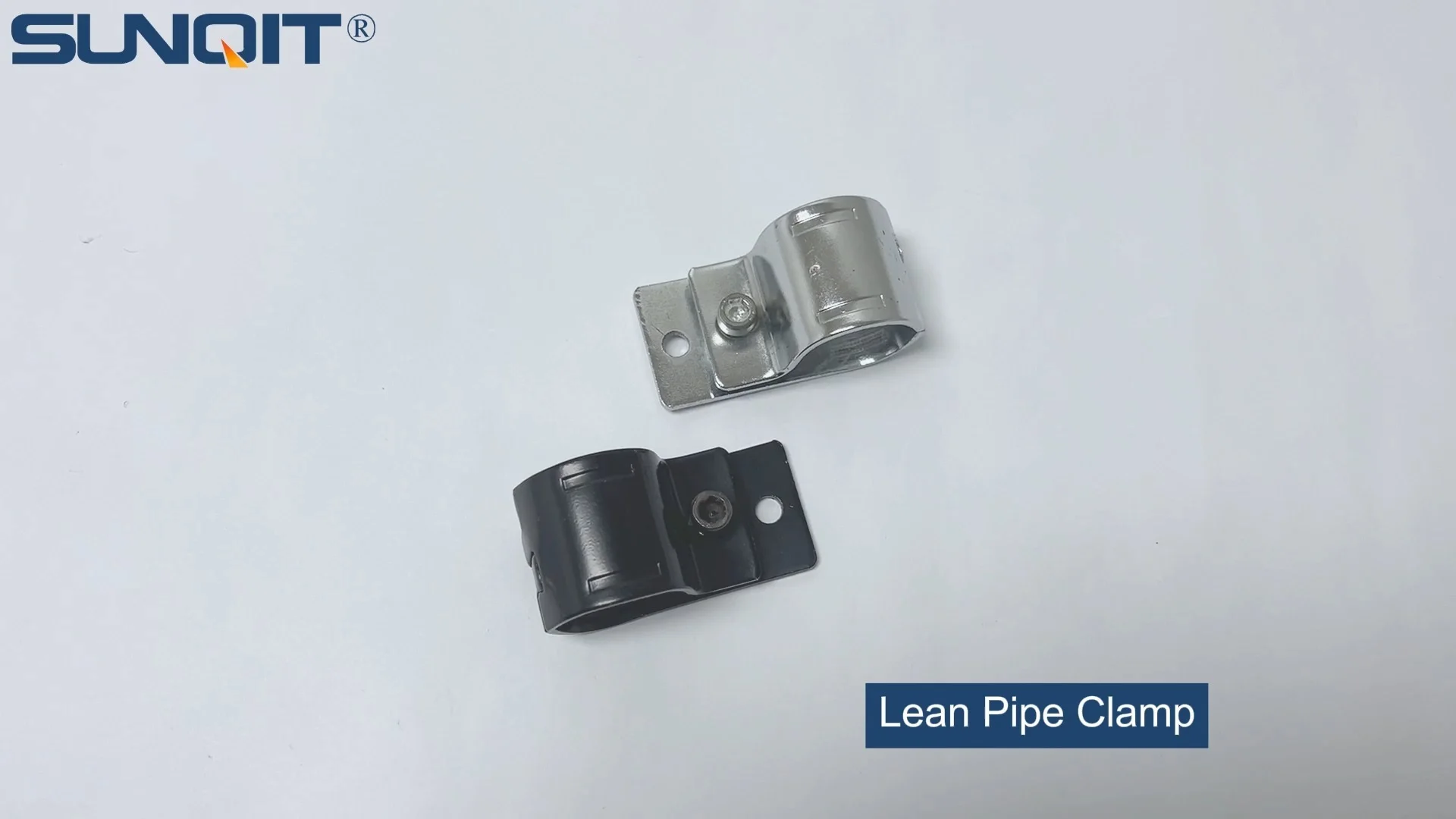
Lean Pipe Clamp
Lean pipe clamp is used for rack system hang monitor or other panel for workbenck, flowrack in production daily use.
In the world of manufacturing and warehousing, efficiency isn't just a buzzword—it's the lifeblood of operations. Every second saved, every bottleneck eliminated, and every workflow streamlined translates to tangible results: happier teams, faster production, and healthier bottom lines. At the heart of many of these efficient setups lies a critical, yet often overlooked component: the conveyor system. These systems keep materials moving, parts flowing, and orders shipping—but they don't do it alone. Behind the scenes,
lean pipe clamps
work tirelessly to hold everything together, ensuring stability, flexibility, and adaptability. In this guide, we'll dive deep into how these unassuming tools play a starring role in building conveyor systems that don't just work—they thrive.
1. The Basics: What Are Lean Pipe Clamps, Anyway?
Let's start with the fundamentals. Lean pipe clamps are mechanical fasteners designed to connect and secure
lean pipe
(also known as "flexible pipe" or "kitchen pipe") to other components—think
aluminum profiles
, frames, or even other pipes. They're the glue that turns individual pipes into robust structures, whether that's a workbench, a material rack, or, yes, a conveyor system. But what makes them "lean"? It all ties back to lean manufacturing principles: waste reduction, adaptability, and continuous improvement. Unlike rigid, one-size-fits-all fasteners, lean pipe clamps are built to evolve with your needs. Need to reconfigure a conveyor line for a new product? Swap out a few clamps. Expand a section to handle heavier loads? Upgrade to a sturdier clamp. It's this flexibility that makes them indispensable.
These clamps come in a variety of shapes, sizes, and materials, each tailored to specific tasks. You'll find fixed clamps for permanent setups, rotating clamps for adjustable angles, and even multi-directional clamps that let pipes intersect at complex angles. Materials range from durable steel (often coated in plastic for corrosion resistance) to lightweight aluminum, making them suitable for everything from dry warehouses to damp production floors. And while they might look simple, their design is anything but: precision-engineered joints ensure a tight grip that won't loosen under vibration, and smooth edges prevent snags on materials or injury to workers.
2. Why Lean Pipe Clamps Matter in Conveyor Design
You might be thinking, "Can't I just use regular bolts or welding to build a conveyor?" Technically, yes—but you'd be missing out on three game-changing benefits that lean pipe clamps bring to the table:
Flexibility First:
Conveyor systems rarely stay the same. Seasonal demand spikes, new product lines, or layout changes can turn a once-efficient setup into a bottleneck overnight. Lean pipe clamps eliminate the need for costly, time-consuming overhauls. Loosen a few screws, reposition the pipes, and tighten the clamps—done. This adaptability is especially critical for small to mid-sized businesses that need to pivot quickly without breaking the bank.
Durability Without the Weight:
Conveyor systems handle heavy loads day in and day out, so their components need to be tough. Lean pipe clamps, often made from high-grade steel or aluminum, are built to withstand constant use. Take, for example, a
roller track
conveyor in a automotive parts facility: the clamps holding the track to the frame must support the weight of metal components sliding across rollers, sometimes for 12-hour shifts. A cheap clamp might bend or loosen, leading to jams or even system failure. But a quality lean pipe clamp? It stays put, ensuring the track remains aligned and materials keep moving.
Cost-Effective Scalability:
Building a conveyor system from scratch can be expensive, but lean pipe clamps make scaling more manageable. Instead of replacing entire sections when you need to expand, you can add new pipes and clamps incrementally. This modular approach not only cuts upfront costs but also reduces downtime—critical in environments where every minute of production counts.

3. Choosing the Right Clamp: A Quick Reference Table
With so many options available, selecting the right lean pipe clamp can feel overwhelming. To simplify, here's a breakdown of common clamp types, their best uses, and key considerations:
| Clamp Type | Material | Load Capacity (Approx.) | Best For | Key Feature |
|---|---|---|---|---|
| 90° Fixed Lean Pipe Clamp | Steel (PE-coated) | Up to 500 lbs | Straight conveyor sections, vertical supports | Permanent, rigid connections; ideal for static loads |
| Rotating 45° Clamp | Aluminum | Up to 300 lbs | Curved conveyor paths, adjustable angles | Swivels 45° for flexible alignment; easy reconfiguration |
| Parallel Lean Pipe Clamp | Stainless Steel | Up to 400 lbs | Side-by-side pipe setups, dual-lane conveyors | Holds two pipes parallel; prevents twisting under load |
| Heavy-Duty Vertical Clamp | Steel (Chrome-plated) | Up to 800 lbs | Overhead conveyor mounts, heavy-part transport | Reinforced design for vertical loads; corrosion-resistant |
*Note: Load capacities are approximate and vary by manufacturer. Always check specs for your specific application.*

4. Integrating Lean Pipe Clamps into Your Conveyor System: Step-by-Step
Now that you know what lean pipe clamps are and why they matter, let's walk through how to integrate them into a conveyor system. Whether you're building a new line from scratch or upgrading an existing one, these steps will ensure a smooth, successful setup.
Step 1: Map Your Conveyor Needs
Before picking up a single clamp, start with the end in mind. What will your conveyor move? Small electronics parts? Heavy automotive components? The answer determines everything from pipe diameter to clamp strength. For example, a conveyor carrying 10-lb boxes might work with lightweight aluminum clamps, while one moving 50-lb machinery parts will need heavy-duty steel. Also, consider the environment: Is the area humid? Go for stainless steel or PE-coated clamps to prevent rust. Will workers need to adjust the conveyor frequently? Opt for rotating or quick-release clamps.
Step 2: select Your Pipes and Profiles
Lean pipe clamps are only as good as the pipes they connect. Most systems use either traditional steel lean pipe (1.2mm–2.0mm thick) or
aluminum lean pipe
for lighter, corrosion-resistant setups. Pair these with
aluminum profiles
for added rigidity—profiles with T-slots are especially handy, as they let you mount clamps, brackets, or even
roller track
directly. Pro tip: Match pipe diameter to clamp size! A 28mm pipe won't fit a clamp designed for 20mm pipe, no matter how hard you try.
Step 3: Assemble the Frame (Clamps Included!)
Now it's time to build. Start with the base frame—this is where your clamps will shine. For a straight conveyor, use 90° fixed clamps to connect horizontal and vertical pipes, ensuring the frame is square and level (a spirit level is your best friend here). If your conveyor has curves or inclines, break out the rotating clamps: a 45° clamp can angle a section upward, while a swivel clamp lets you create gentle bends. Don't skimp on joint strength—tighten clamps until they're snug but not over-torqued (over-tightening can strip threads or crack plastic coatings).
Step 4: Install the Roller Track
With the frame solid, it's time to add the moving parts: the
roller track
. This is where clamps really flex their versatility. Use specialized roller track brackets (often compatible with standard lean pipe clamps) to mount the track to the frame. For adjustable height, pair clamps with height-adjustable feet; for side guides, attach aluminum profiles using parallel clamps. The goal? A track that's level, secure, and free of gaps—so materials glide smoothly without jamming.
Step 5: Test, Tweak, and Repeat
No setup is perfect on the first try. Load test the conveyor with sample materials to check for sagging, wobbling, or stuck parts. If a section feels unstable, reinforce it with extra clamps or switch to a heavier-duty type. If the roller track jams, adjust the clamp positions to realign the track. Remember: lean manufacturing is about continuous improvement, and your conveyor system should be no exception.

4. Real-World Success: How Clamps Solved Common Conveyor Headaches
Still not convinced lean pipe clamps are worth the investment? Let's look at a real scenario. A mid-sized electronics manufacturer was struggling with their old conveyor system: it was rigid, hard to adjust, and kept breaking down under the weight of circuit board components. Their solution? A complete overhaul using lean pipe clamps and aluminum profiles. By switching to rotating clamps, they could angle sections to reduce material buildup; using heavy-duty vertical clamps, they reinforced the frame to handle heavier loads. The result? Downtime dropped by 40%, and reconfiguring for new product lines now takes hours instead of days. "We used to dread changeover days," said the plant manager. "Now? We barely notice them."
5. Maintenance: Keeping Your Clamps (and Conveyor) in Top Shape
Even the best clamps need a little TLC. Here's how to keep them (and your conveyor) running smoothly:
Inspect Regularly:
Check clamps monthly for looseness, rust, or cracks. Tighten any that wiggle—vibration from moving materials can loosen threads over time.
Lubricate Moving Parts:
For rotating clamps, a drop of machine oil on the pivot points prevents squeaking and ensures smooth movement.
replace When Worn:
If a clamp is bent, cracked, or stripped, swap it out immediately. A single faulty clamp can compromise the entire system.
Clean as Needed:
Wipe down PE-coated or aluminum clamps with a damp cloth to remove dust and debris—this prevents buildup that can hinder movement.
6. Conclusion: Clamps That Keep Up with Your Ambitions
In the grand scheme of conveyor systems, lean pipe clamps might seem small—but their impact is anything but. They're the difference between a rigid, frustrating setup and a flexible, efficient one. They let you build systems that grow with your business, adapt to new challenges, and keep pace with the ever-changing demands of modern manufacturing. So the next time you walk past a smoothly running conveyor, take a second to appreciate the clamps holding it all together. They're not just fasteners—they're the foundation of lean, efficient operations.
Ready to upgrade your conveyor system? Start with the right clamps. Whether you need fixed strength, rotating flexibility, or heavy-duty durability, there's a lean pipe clamp out there that's perfect for the job. And when you pair it with quality pipes, profiles, and a little know-how, you'll build a system that doesn't just move materials—it moves your business forward.