- Company Articles
- Products and Technology
- Product knowledge
- Lean Pipe Clamps for Material Racks: Stability & Load Capacity Tips

Lean Pipe Clamps for Material Racks: Stability & Load Capacity Tips
Related Product
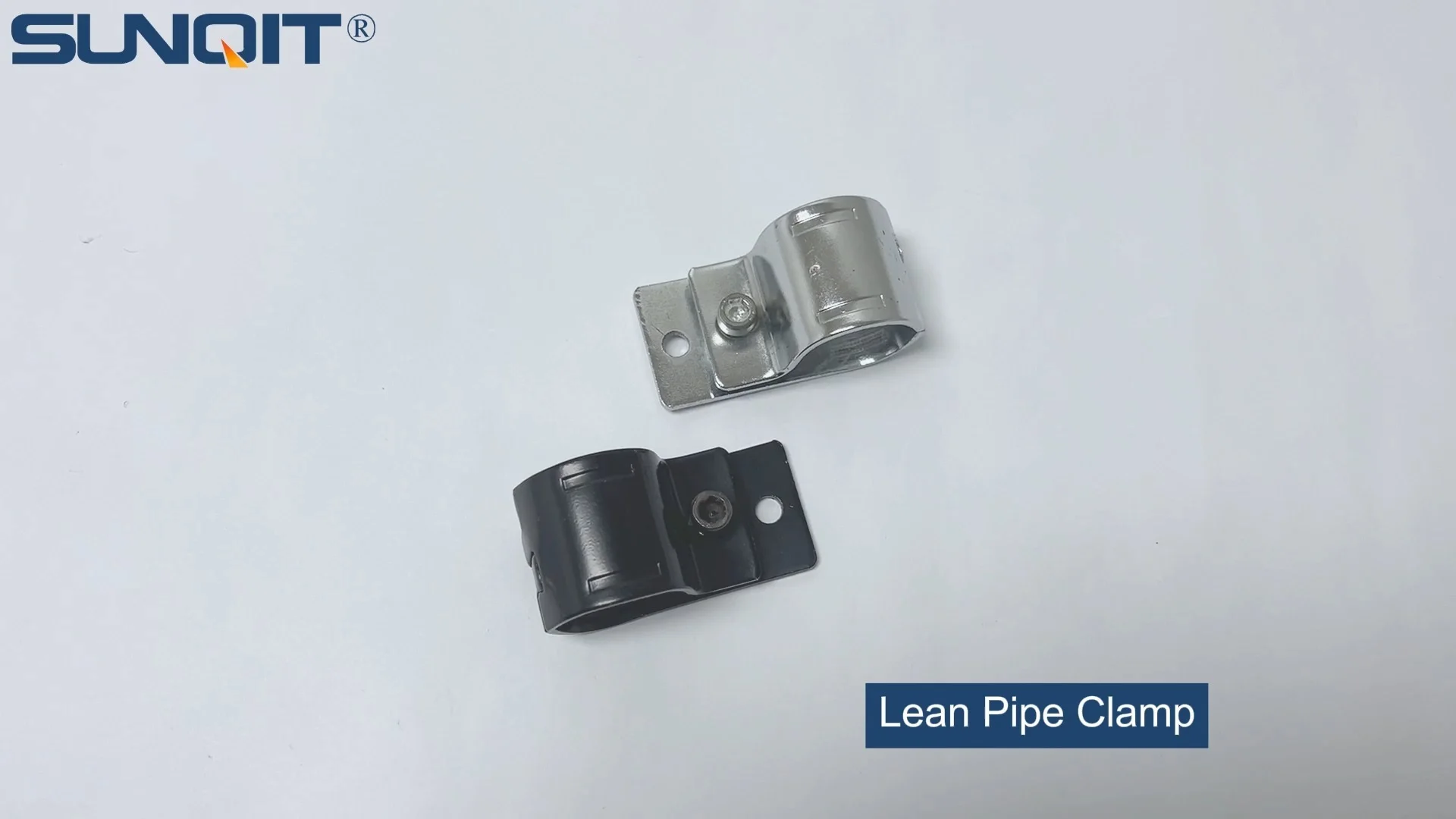
Lean Pipe Clamp
Lean pipe clamp is used for rack system hang monitor or other panel for workbenck, flowrack in production daily use.
Walk into any well-run factory, warehouse, or production facility, and you'll notice a quiet hero keeping everything moving: material racks. These unassuming structures hold components, tools, and finished goods, ensuring that every part of the assembly line has what it needs, exactly when it needs it. But what keeps these racks standing strong, even when stacked with heavy items or jostled by busy workers? More often than not, it's the lean pipe clamps—small, unglamorous components that play a massive role in stability and load capacity. In this guide, we'll dive into everything you need to know about these critical tools, from how they work to practical tips for maximizing their performance.
What Are Lean Pipe Clamps, and Why Do They Matter?
First things first: let's clarify what we're talking about. Lean pipe clamps are the connectors that hold together the aluminum or steel pipes (like lean pipe or aluminum pipe) used to build material racks, workbenches, and other industrial structures. Think of them as the "glue" of lean manufacturing systems— on their own, but essential for creating sturdy, flexible setups that adapt to your workflow.
But why focus on clamps specifically? Because even the strongest pipes or most well-designed material rack will fail if the clamps can't handle the load or keep the structure stable. A loose or low-quality clamp can turn a reliable rack into a wobbly hazard, risking damaged inventory, slowed production, or even workplace injuries. On the flip side, the right clamps—installed correctly—can turn a basic rack into a workhorse that supports heavy loads, streamlines processes, and lasts for years.
The Foundations of Stability: What Makes a Clamp "Stable"?
Stability isn't just about "not falling over"—it's about consistency. A stable material rack stays rigid when items are added or removed, doesn't sway during use, and maintains its shape over time. So, what factors influence how stable a lean pipe clamp (and the rack it's part of) really is?
1. The Quality of Lean Pipe Joints
Clamps and joints go hand in hand—you can't have one without the other. A lean pipe joint is the part that connects the clamp to the pipe, and its design directly impacts stability. Look for joints with tight tolerances: they should fit snugly around the pipe, with no gaps or play. Cheap, poorly made joints often have loose fits, which let the pipe shift over time, weakening the entire structure.
For example, internal rotatary aluminum joints are popular for their flexibility, but only if they're precision-engineered. A well-made internal rotary joint will lock securely in place once adjusted, preventing unintended rotation that could throw off the rack's balance. On the other hand, a flimsy joint might slip mid-use, turning a level shelf into a sloped surface that sends items sliding off.
2. Installation: Tightness and Alignment
Even the best clamps and joints will fail if installed incorrectly. The golden rule? Tighten clamps evenly and to the manufacturer's specifications. Overtightening can warp the clamp or strip the threads, while undertightening leaves room for movement. It's a balance—think of it like tightening a jar lid: you want it firm enough to stay closed, but not so tight that you can't open it later (or break the lid).
Alignment matters too. If the pipes aren't straight or the clamps are angled awkwardly, stress (stress concentration) occurs. Over time, this weakens the clamp at the point of stress, leading to cracks or bending. A quick visual check during installation—using a level or straightedge—can save you from headaches down the line.
3. Material: Aluminum vs. Steel Clamps
The material of the clamp itself plays a big role in stability. Aluminum clamps are lightweight and resistant to corrosion, making them ideal for clean environments or facilities with high humidity (like food processing plants). However, they're not as rigid as steel clamps, which can be a downside for heavy-duty racks.
Steel clamps, on the other hand, offer superior strength and rigidity. They're a better choice for material racks holding metal components, machinery parts, or other heavy items. The tradeoff? They're heavier and prone to rust if not coated (like the pe coated lean pipe clamps you might see in workshops). For most general-purpose racks, aluminum clamps strike a good balance between weight, durability, and stability—but always match the clamp material to your rack's intended use.

Load Capacity: How Much Weight Can Your Clamps Handle?
Stability is about staying upright; load capacity is about how much weight the structure can hold without failing. This is where lean pipe clamps really earn their keep. Every clamp has a maximum load rating, but that number isn't just a suggestion—it's a safety guideline based on engineering and testing. Exceed it, and you risk bent pipes, snapped clamps, or collapsed racks.
Understanding Load Ratings
Load ratings for clamps are usually listed in kilograms or pounds, and they refer to the maximum weight the clamp can support when installed correctly. But here's the catch: that rating is for a single clamp under ideal conditions. In reality, your material rack will have multiple clamps working together, so you need to distribute the load evenly across them. For example, if a clamp is rated for 50kg, a shelf with four clamps might theoretically hold 200kg—but in practice, you should aim for 70-80% of that total to account for uneven weight distribution or sudden impacts (like dropping a box onto the shelf).
Factors That Affect Load Capacity
Several variables influence how much weight a clamp can handle:
- Clamp Design: Some clamps have reinforced structures or thicker walls, which boost load capacity. For example, a parallel fixation aluminum pipe joint is designed to distribute weight across two pipes, making it stronger than a basic two-way clamp.
- Spacing Between Clamps: The closer the clamps are spaced along a pipe, the more weight the structure can hold. A shelf supported by clamps every 30cm will handle more weight than one with clamps every 60cm, as the load is spread across more support points.
- Pipe Thickness: Clamps can only do so much if the pipes they're attached to are weak. A thin-walled aluminum pipe might bend under heavy loads, even with strong clamps. Pair your clamps with pipes rated for similar loads—for example, using aluminum pipe with a 1.5mm wall thickness for medium-duty racks.
A Quick Reference: Clamp Types and Load Capacities
To help you choose the right clamps for your material rack, here's a comparison of common types, their typical load capacities, and best uses:
| Clamp Type | Material | Typical Load Capacity (per clamp) | Best For |
|---|---|---|---|
| Basic Two-Way Lean Pipe Clamp | Aluminum | 30-50kg | Light-duty racks, tool holders, or small parts storage |
| Parallel Fixation Aluminum Joint | Aluminum | 60-80kg | Medium-duty material racks (like material rack b with 3 rows and 3 floors) |
| Heavy-Duty Steel Clamp | Steel (zinc-plated or pe coated) | 100-150kg | Heavy parts storage, machinery components, or outdoor racks |
| 90° Aluminum Crossing Joint | Aluminum | 40-60kg | Corner supports for workbenches or L-shaped material racks |

Pro Tips for Maximizing Stability and Load Capacity
Now that you know the basics, let's get practical. Here are actionable tips to ensure your lean pipe clamps (and the material racks they build) are as stable and load-ready as possible:
1. Choose the Right Clamp for the Job
It sounds obvious, but it's easy to grab whatever clamps are in the toolbox. Take a minute to assess your needs: What will the rack hold? How heavy are the items? Will the rack be moved (like a turnover trolley) or stay stationary? For a material rack holding 20kg boxes, basic aluminum clamps are fine. For a rack storing 50kg engine parts, upgrade to heavy-duty steel or parallel fixation joints. Matching the clamp to the task is the first step to avoiding failures.
2. Tighten Clamps Regularly
Industrial environments are busy, and vibrations from machinery, forklifts, or even foot traffic can loosen clamps over time. Make it a habit to inspect and retighten clamps every few weeks—especially on racks that get heavy use. A quick check with a wrench can prevent a slow, gradual loosening that leads to instability. Pro tip: Mark clamps with a dot of paint after tightening so you can easily spot if they've shifted.
3. Reinforce High-Stress Areas
Every rack has weak points: corners, shelves near the bottom (which hold more weight), or sections where pipes meet at odd angles. Reinforce these areas with extra clamps or braces. For example, adding a diagonal brace between the top and bottom of a rack's corner (using a 45° aluminum pipe joint) can drastically improve stability. Similarly, if a shelf is holding particularly heavy items, add an extra clamp in the middle to reduce stress on the ends.
4. Avoid Overloading—Even a Little
It's tempting to push the limits, especially when you're short on storage space. But exceeding a clamp's load rating by even 10% can weaken it over time, leading to fatigue failure (when metal bends or breaks after repeated stress). If you regularly need to store heavier items, invest in higher-rated clamps or build a second rack. It's cheaper than replacing damaged inventory or repairing a collapsed structure.
5. Pair Clamps with Quality Roller Tracks (When Needed)
Many material racks use roller tracks to slide items in and out easily. These tracks are attached to the rack with—you guessed it—clamps. If your rack has roller tracks, make sure the clamps holding them are rated for the additional stress of moving loads. For example, a plastic roller track guide rail might seem lightweight, but every time someone pulls a heavy bin along it, the clamps take a small impact. Use reinforced clamps here, and check them more frequently than static shelf clamps.

Common Mistakes to Avoid
Even with the best intentions, it's easy to make missteps when working with lean pipe clamps. Here are a few pitfalls to watch out for:
- Mixing and Matching Components: Using clamps from one supplier with pipes from another might seem convenient, but different brands can have slightly different sizing. A clamp that's meant for 28mm lean pipe might not fit snugly on a 30mm aluminum pipe, leading to looseness and instability.
- Ignoring Environmental Factors: Humidity, temperature extremes, or exposure to chemicals can corrode clamps or weaken their grip. In damp areas, use stainless steel clamps or pe coated lean pipe clamps to prevent rust. In cold environments, avoid plastic components that might become brittle.
- Rushing Installation: It's easy to skip a step when you're in a hurry—like forgetting to tighten a clamp all the way or skipping a joint reinforcement. Take the time to do it right the first time; you'll save hours of maintenance (and potential accidents) later.
Final Thoughts: Clamps as the Backbone of Lean Systems
At the end of the day, lean pipe clamps are more than just hardware—they're the backbone of efficient, safe, and productive workspaces. By prioritizing stability and load capacity, you're not just protecting your equipment and inventory; you're creating an environment where workers can focus on their jobs, not worrying about wobbly racks or falling items.
Remember: the best material rack is one that works so well, you barely notice it's there. And that starts with choosing the right clamps, installing them carefully, and maintaining them regularly. Whether you're building a simple material rack b for small parts or a heavy-duty storage system for industrial components, these tips will help you get the most out of your lean pipe clamps—today, tomorrow, and for years to come.