- Company Articles
- Products and Technology
- Product knowledge
- Lean Pipe Clamps for Medical Device Assembly: Compliance & Precision

Lean Pipe Clamps for Medical Device Assembly: Compliance & Precision
Related Product
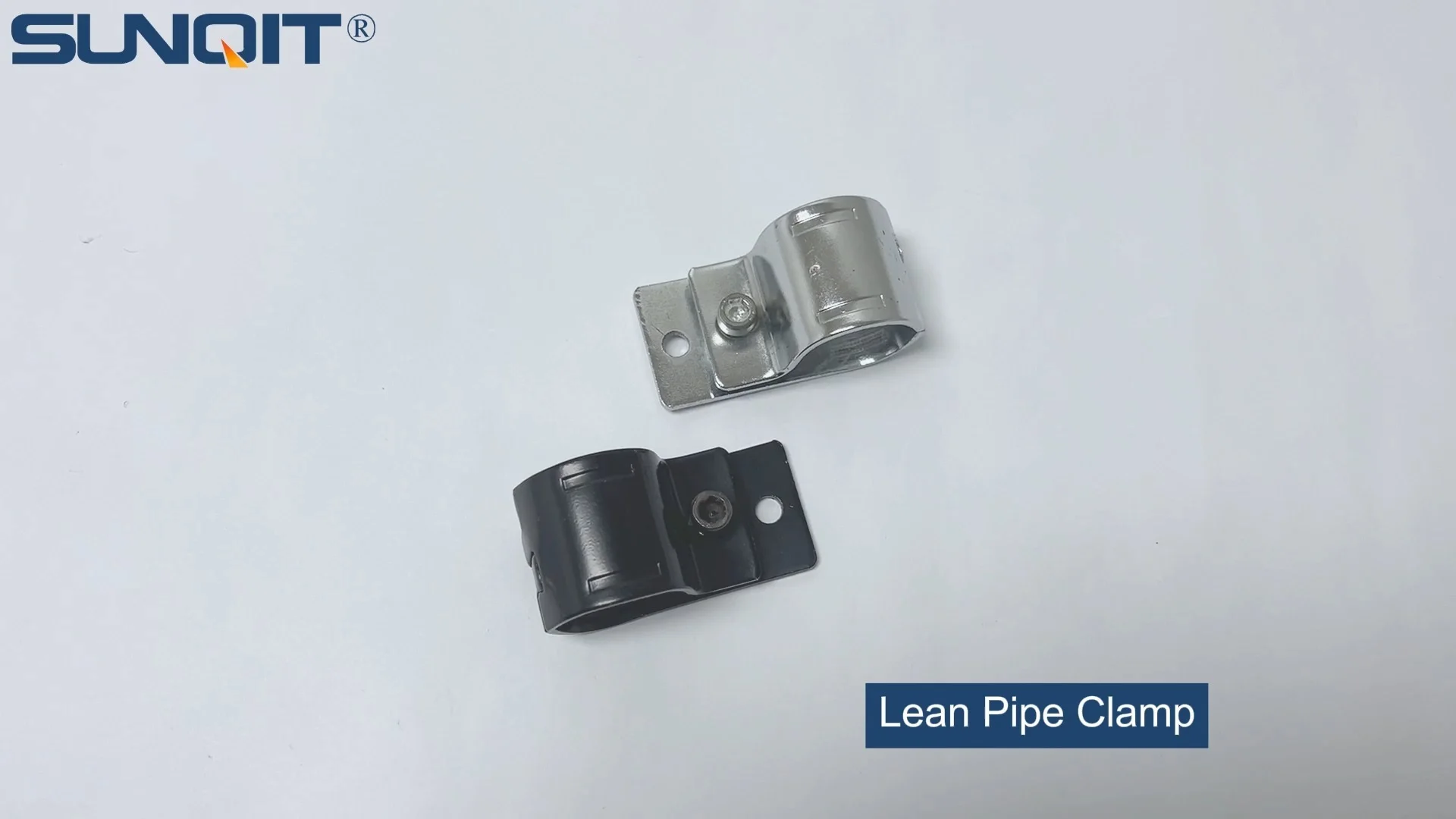
Lean Pipe Clamp
Lean pipe clamp is used for rack system hang monitor or other panel for workbenck, flowrack in production daily use.
In the high-stakes world of medical device manufacturing, where a single misplaced component or microsecond delay can impact patient safety, the tools and systems that power production lines are more than just equipment—they're guardians of precision and compliance. Among these unsung heroes are lean pipe clamps, unassuming yet critical components that form the backbone of flexible, efficient workspaces. From custom workbenches to ESD-protected assembly stations, these clamps don't just hold pipes together; they hold together the promise of reliability that medical manufacturers make to healthcare providers and patients worldwide.
Medical device assembly is a balancing act. On one hand, there's the need for speed and efficiency to meet growing global demand for life-saving tools, from pacemakers to surgical robots. On the other, there's the uncompromising pressure of regulatory standards—FDA guidelines, ISO 13485 certifications, and strict material safety protocols—that leave no room for error. Lean pipe clamps, when paired with compatible components like lean pipe joints and aluminum profiles, offer a solution that marries flexibility with the rigidity required for compliance. Let's dive into how these small but mighty tools are reshaping the way medical devices are built, one precise connection at a time.
The Role of Lean Principles in Medical Manufacturing
Lean manufacturing, born from the Toyota Production System, has long been celebrated for its focus on eliminating waste, streamlining processes, and maximizing value. In medical device production, these principles take on even greater significance. Here, "waste" isn't just about inefficiency—it can translate to delayed shipments, increased costs, or worse, compromised product quality. Lean systems, built around modular components like lean pipe clamps and aluminum profiles, empower manufacturers to adapt quickly to changing needs without sacrificing consistency.
Consider the challenge of producing a range of devices, from small diagnostic tools to large imaging equipment. Each requires unique workspaces, and reconfiguring traditional fixed infrastructure would be time-consuming and costly. Lean pipe systems, however, thrive on adaptability. A workbench assembled with lean pipe clamps today can be disassembled, reconfigured, and repurposed tomorrow to accommodate a new product line—all without extensive downtime. This flexibility is a game-changer in an industry where product cycles are short and customization is often necessary.
But lean in medical manufacturing isn't just about flexibility; it's about control. Every step of the assembly process must be traceable, repeatable, and documented. Lean pipe clamps contribute to this by ensuring that workstations are consistently aligned, tools are positioned for optimal ergonomics, and materials flow seamlessly from one stage to the next. When every clamp is tightened to the same specification and every joint is secured with precision, the risk of human error drops dramatically—a critical factor when lives are on the line.
Lean Pipe Clamps: The Building Blocks of Precision
At first glance, a lean pipe clamp might seem like a simple piece of hardware. But in reality, it's a feat of engineering designed to balance strength, adjustability, and compatibility. These clamps, typically made from materials like stainless steel or coated steel, are used to connect lean pipes (or tubes) to form structures like workbenches, flow racks, and ESD workstations. Their design allows for quick assembly and disassembly, but more importantly, they provide the stability needed to maintain precise tolerances in high-pressure environments.
One of the key features of a quality lean pipe clamp is its grip. In medical assembly, where vibrations from machinery or constant operator movement could loosen connections over time, a clamp that maintains consistent tension is non-negotiable. Many modern clamps use a screw mechanism with a locking nut to ensure that once tightened, they stay in place—no unexpected shifts, no misalignments, no compromise in precision. This reliability is especially important for tasks like microsurgery tool assembly, where components smaller than a grain of rice must be positioned with micrometer accuracy.
Lean pipe clamps also excel in their compatibility with other components. Pair them with lean pipe joints, and you can create angles and intersections that tailor a workstation to specific tasks. Combine them with aluminum profiles, and you add rigidity and lightweight strength, ideal for mobile carts that transport sterile components between cleanrooms. Even better, many clamps are designed to work with both steel and aluminum pipes, giving manufacturers the freedom to choose materials based on their unique needs—whether that's corrosion resistance (stainless steel) or ESD protection (aluminum with conductive coatings).

Compliance: Meeting the Highest Standards
In medical device manufacturing, compliance isn't optional—it's the foundation of trust. Regulatory bodies like the FDA and ISO set strict guidelines for everything from material safety to process documentation, and failure to comply can result in product recalls, fines, or even legal action. Lean pipe clamps, often overlooked, play a surprisingly vital role in meeting these standards.
Take material selection, for example. Medical facilities require components that can withstand frequent cleaning with harsh disinfectants without corroding or leaching harmful substances. Stainless steel lean pipe clamps are a popular choice here, as they resist rust and are easy to sanitize—critical for maintaining sterile environments. For applications involving electronic medical devices, like pacemakers or neurostimulators, ESD workstations are a must. These workspaces use conductive materials, including aluminum profiles and ESD-safe lean pipe clamps, to dissipate static electricity and prevent damage to sensitive components. Without such safeguards, a single static discharge could render a device inoperable, putting patients at risk.
Traceability is another area where lean pipe clamps shine. Reputable lean pipe suppliers provide detailed documentation for their products, including material certificates, test reports, and compliance with standards like RoHS (Restriction of Hazardous Substances) and REACH. This documentation isn't just paperwork; it's proof that the clamps used in a workstation meet the strict criteria for medical use. When an auditor asks, "What is this clamp made of, and where did it come from?" manufacturers can answer with confidence, thanks to their supplier's commitment to transparency.
| Compliance Requirement | Role of Lean Pipe Clamps | Example Scenario |
|---|---|---|
| Sterility & Cleanability | Stainless steel construction resists corrosion and is easy to disinfect. | A workbench for assembling surgical instruments must be cleaned daily with alcohol-based solutions. |
| ESD Protection | Conductive clamps (often paired with aluminum profiles) dissipate static charge. | An ESD workstation for assembling MRI machine circuit boards prevents static damage to microchips. |
| Material Safety | Compliance with RoHS/REACH ensures no hazardous substances are present. | A pediatric medical device manufacturer avoids lead-based coatings on clamps to meet child safety standards. |
| Process Repeatability | Consistent clamp tension ensures workstations remain aligned over time. | A catheter assembly line maintains precise component alignment, reducing defect rates by 30%. |

Precision in Action: Real-World Applications
To truly appreciate the impact of lean pipe clamps, let's look at how they're used in real medical manufacturing settings. Consider a manufacturer of minimally invasive surgical tools, where components like endoscopic graspers require assembly with sub-millimeter precision. The workbench for this task isn't just a table—it's a carefully engineered workspace built with lean pipe clamps, aluminum profiles, and adjustable shelves. Each clamp is positioned to hold the tools at the optimal height and angle, reducing operator fatigue and ensuring consistent hand placement. The result? Fewer errors, faster assembly times, and tools that meet the exacting standards of surgeons.
Another example is the production of in vitro diagnostic kits, which require sterile conditions and strict material handling protocols. Here, flow racks constructed with lean pipe clamps and roller tracks allow kits to glide smoothly from one station to the next, minimizing human contact and reducing contamination risk. The clamps ensure that the roller tracks are perfectly level, preventing jams that could disrupt the sterile workflow. Even the smallest detail, like the spacing between rollers, is maintained by the precision of the clamps—a detail that might seem trivial but is critical for maintaining sterility.
ESD workstations, too, rely heavily on lean pipe clamps. Imagine an assembly line for implantable cardioverter-defibrillators (ICDs), where electronic components are extremely sensitive to static. The workstation's frame, built with aluminum profiles and ESD-safe lean pipe clamps, acts as a Faraday cage, grounding any static charge and protecting the ICD's circuit board. The clamps themselves are conductive, ensuring that every part of the workstation is properly grounded. Without this level of precision, even a tiny static spark could damage the device, leading to potentially life-threatening malfunctions.

Choosing the Right Partner: The Importance of a Reliable Supplier
While lean pipe clamps are critical, their effectiveness depends largely on the supplier behind them. Medical device manufacturers can't afford to cut corners when selecting a lean pipe supplier—they need a partner who understands the unique demands of the industry. So, what should you look for?
First and foremost, compliance expertise. A reputable supplier should be able to provide documentation proving that their clamps meet medical-grade standards, including material safety data sheets (MSDS), ISO certifications, and traceability records. They should also be familiar with industry-specific requirements, like FDA 21 CFR Part 820 for quality systems or ISO 13485 for medical device quality management.
Quality is another non-negotiable. Medical manufacturers need clamps that are consistent in size, strength, and performance. A supplier with rigorous quality control processes—like automated testing for clamp tension or material composition analysis—can ensure that every batch meets the same high standards. This consistency is key to maintaining repeatable processes on the production line.
Finally, technical support matters. Medical device assembly often requires custom solutions, and a good supplier will work with you to design workstations that meet your specific needs. Whether you need help selecting the right aluminum profile for a cleanroom application or determining the optimal clamp spacing for a heavy-duty flow rack, a supplier with engineering expertise can be an invaluable resource.
Future Trends: Innovations in Lean Pipe Systems
As medical device manufacturing evolves, so too do the tools that support it. Lean pipe systems are no exception, with new innovations aimed at enhancing precision, compliance, and sustainability. One emerging trend is the use of lightweight aluminum profiles with integrated smart features, like embedded RFID tags. These tags allow manufacturers to track components throughout the production process, providing even greater traceability—critical for recall management and compliance audits.
Another area of growth is the development of ESD systems with advanced conductivity. New lean pipe clamps and aluminum profiles are being designed to dissipate static charge more efficiently, protecting the next generation of sensitive medical electronics, such as AI-powered diagnostic tools and wearable health monitors. Additionally, there's a push toward sustainability, with suppliers offering clamps made from recycled stainless steel or aluminum, reducing the industry's environmental footprint without compromising performance.
Perhaps most exciting is the integration of lean pipe systems with Industry 4.0 technologies. Imagine a workbench where lean pipe clamps are equipped with sensors that monitor tension in real time, alerting operators if a connection loosens. Or flow racks with roller tracks that adjust speed based on production demand, optimizing material flow and reducing waste. These innovations aren't just about efficiency—they're about creating smarter, more resilient manufacturing environments that can adapt to the ever-changing demands of the medical industry.
Conclusion: Clamping Down on Excellence
In the world of medical device assembly, precision and compliance are two sides of the same coin. You can't have one without the other, and lean pipe clamps are the glue that holds them together. These unassuming components enable manufacturers to build flexible, efficient workspaces that meet the strictest regulatory standards while delivering the precision needed to produce life-saving devices.
From the operating room to the production floor, the impact of a well-designed lean pipe system is clear. It's in the speed of assembly, the consistency of quality, and the peace of mind that comes from knowing every component is secure. As medical technology continues to advance, the role of lean pipe clamps will only grow—proof that sometimes, the smallest tools make the biggest difference.
So, the next time you see a medical device, take a moment to appreciate the invisible work happening behind the scenes. Chances are, somewhere in its journey from raw material to finished product, a lean pipe clamp played a part in ensuring it's safe, reliable, and ready to save a life. In medical manufacturing, that's not just a job well done—it's a mission accomplished.