- Company Articles
- Products and Technology
- Product knowledge
- Lean Pipe Clamps for Mobile Workstations: Stability on the Go

Lean Pipe Clamps for Mobile Workstations: Stability on the Go
Related Product
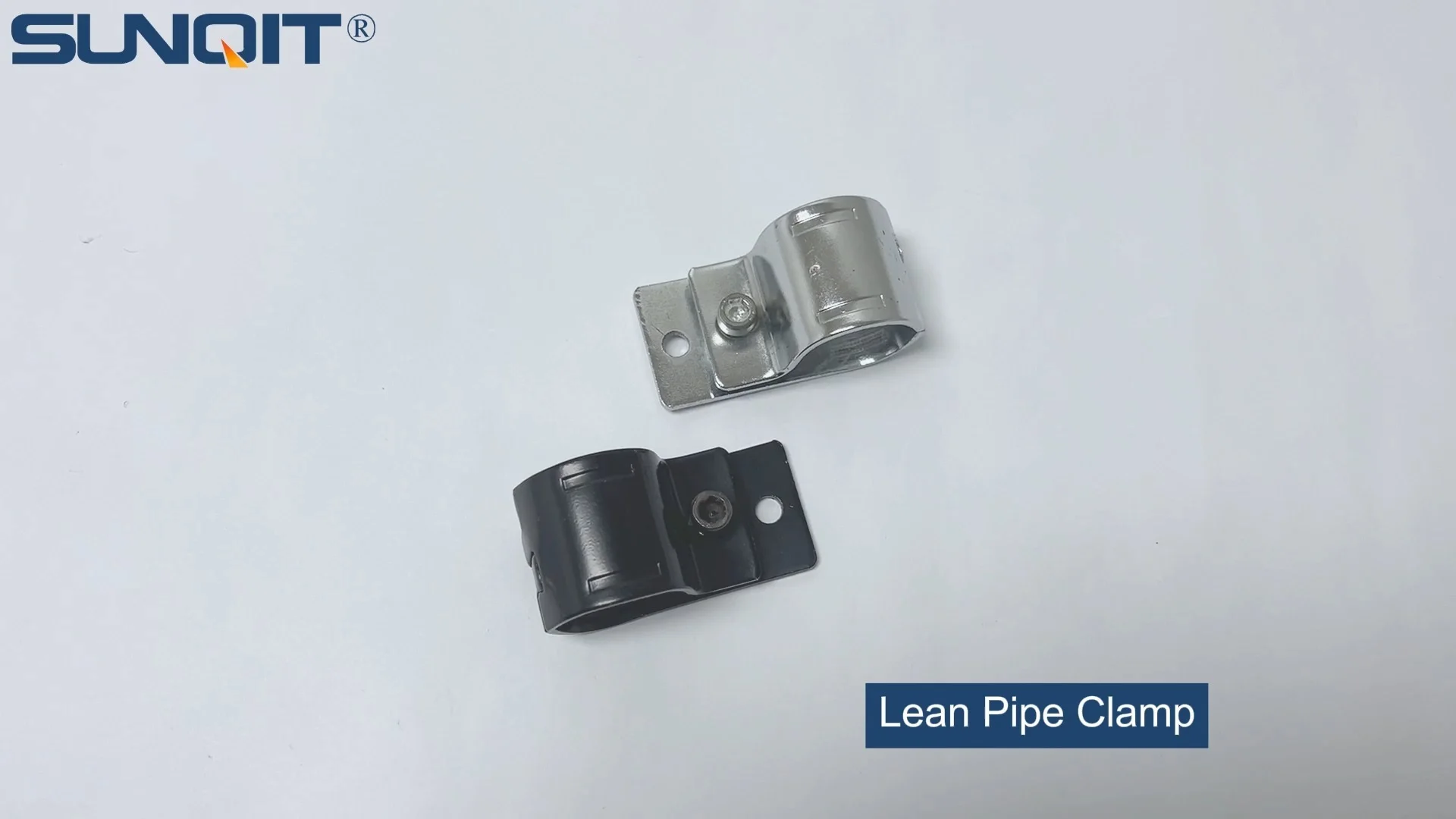
Lean Pipe Clamp
Lean pipe clamp is used for rack system hang monitor or other panel for workbenck, flowrack in production daily use.
In the fast-paced world of modern workplaces—whether it's a bustling manufacturing floor, a busy warehouse, or a dynamic lab—mobility is often the name of the game. Mobile workstations have become indispensable, allowing teams to move tools, materials, and even entire work setups from one spot to another with ease. But here's the catch: mobility shouldn't come at the cost of stability. A wobbly workstation isn't just a nuisance; it can slow down workflows, compromise safety, and even damage valuable equipment. That's where lean pipe clamps step in. These unassuming yet critical components are the unsung heroes that keep mobile workstations steady, secure, and ready to perform—no matter where the job takes them.
In this article, we'll dive deep into the world of lean pipe clamps, exploring how they work, why they matter for mobile workstations, and how to choose the right ones for your needs. We'll also touch on key components like aluminum lean pipe and caster wheels, and share insights into installation, maintenance, and real-world applications. By the end, you'll understand why these small but mighty clamps are the foundation of a stable, efficient mobile workspace.
What Are Lean Pipe Clamps, Anyway?
Let's start with the basics. Lean pipe clamps—sometimes called lean tube joints or connectors—are specialized hardware designed to join lengths of lean pipe (or lean tube) together. Think of them as the "glue" that holds a mobile workstation's frame together, but with far more strength and flexibility than any adhesive. Lean pipe itself is typically a lightweight, durable material—often steel coated in plastic, aluminum, or stainless steel—used to build everything from workbenches and shelving to carts and flow racks. But without clamps, those pipes would just be a pile of metal; clamps transform them into structured, functional systems.
Lean pipe clamps come in a variety of shapes and sizes, each engineered for specific purposes. Some are fixed, keeping pipes at rigid angles (like 90° or 45°), while others are swivel or rotating, allowing for adjustable configurations. There are clamps that connect pipes in parallel, clamps that cross two pipes at right angles, and even clamps that let you add accessories like shelves or tool holders. The key is that each clamp is designed to create a tight, secure bond between pipes, ensuring the entire structure remains stable—even when it's being moved, loaded with heavy materials, or jostled in a busy environment.
But lean pipe clamps aren't just about joining pipes. They're also about adaptability. One of the core principles of lean manufacturing (from which "lean pipe" gets its name) is continuous improvement and flexibility. Workstations need to evolve with changing tasks, and clamps make that possible. Unlike welded frames, which are permanent, lean pipe systems with clamps can be disassembled, reconfigured, and repurposed with minimal effort. This flexibility is a game-changer for businesses that need to adapt quickly to new projects, product lines, or workflow changes.
Why Lean Pipe Clamps Are Critical for Mobile Workstations
Mobile workstations are all about movement, but movement introduces unique stability challenges. When a workstation is on wheels (typically caster wheels), every bump in the floor, sudden stop, or sharp turn puts stress on its frame. If the connections between pipes are loose or weak, the whole structure can wobble, shift, or even collapse. That's not just a safety hazard—it's a productivity killer. Imagine trying to assemble small electronics on a workbench that (shakes) every time someone walks by, or moving a cart loaded with heavy tools that leans to one side because a clamp is failing. It slows you down, increases errors, and raises the risk of accidents.
Lean pipe clamps solve this problem by creating rigid, vibration-resistant connections. A well-designed clamp distributes weight evenly across the frame, preventing stress points that could lead to bending or breaking. They also allow for precise alignment of pipes, ensuring the workstation sits level on its caster wheels—no rocking, no tilting, no drama. And because they're adjustable, you can tighten them as needed over time, maintaining that stability even as the workstation is used and moved repeatedly.
Another reason clamps are critical? They turn a basic frame into a customized tool. Mobile workstations often need to hold specific equipment—think bins, trays, monitors, or power tools. Lean pipe clamps let you add accessories like shelves, hooks, or brackets exactly where you need them, without compromising the frame's integrity. For example, a mobile workbench in a warehouse might use parallel lean pipe clamps to attach a side shelf for extra storage, or a 90° crossing clamp to mount a tool holder above the work surface. These additions make the workstation more functional, but they only work if the clamps holding them are strong enough to support the extra weight and movement.

Key Components: Lean Pipe Clamps, Aluminum Lean Pipe, and Caster Wheels
Lean pipe clamps don't work in isolation. They're part of a system, relying on two other key components to create a stable mobile workstation: the lean pipe itself and the caster wheels. Let's break down how these three elements work together.
Aluminum Lean Pipe: The Backbone
While lean pipe can be made from steel or stainless steel, aluminum lean pipe has become increasingly popular for mobile workstations—and for good reason. Aluminum is lightweight, which makes the workstation easier to move, but it's also surprisingly strong. It's resistant to rust and corrosion, making it ideal for use in damp or dusty environments (like warehouses or garages). Plus, aluminum lean pipe often features a smooth, anodized finish that's easy to clean and less likely to scratch or damage materials placed on it.
Aluminum lean pipe is typically hollow, with a consistent diameter (common sizes include 28mm or 30mm) that fits perfectly with standard lean pipe clamps. This uniformity ensures a snug, secure fit between pipe and clamp, which is essential for stability. Unlike some other materials, aluminum also has a bit of "give" under stress, which helps absorb shocks—like when the workstation is rolled over a uneven floor—without cracking or breaking. This flexibility, combined with the rigidity of clamps, creates a frame that's both strong and resilient.
Caster Wheels: The Mobility Drivers
Caster wheels are what make a workstation "mobile," but they're also a potential weak point for stability. A poorly designed caster can cause wobbling, or worse, get stuck and tip the workstation over. That's why high-quality caster wheels—paired with the right lean pipe clamps—are non-negotiable.
Caster wheels come in various sizes (from small 2-inch wheels for light workstations to 6-inch or larger for heavy loads) and materials (rubber for quiet movement, polyurethane for durability, or steel for rough surfaces). Many also have brakes, which are crucial for keeping the workstation stationary when in use. But here's the link to lean pipe clamps: the caster wheels are mounted to the workstation's frame using specialized brackets, which are often attached via—you guessed it—lean pipe clamps. A sturdy clamp ensures the caster bracket stays firmly attached to the frame, preventing the wheel from wobbling or detaching during movement.
The Clamp: Bringing It All Together
At the center of this trio is the lean pipe clamp. When you assemble a mobile workstation, you'll use clamps to connect vertical pipes (the legs), horizontal pipes (the rails), and cross-braces (for extra stability). For example, a basic mobile workbench might have four vertical aluminum lean pipes (the legs), each topped with a 90° fixed lean pipe clamp to attach horizontal pipes that form the work surface frame. Then, cross-braces (connected with 45° clamps) would be added between the legs to prevent side-to-side wobbling. Finally, caster wheels would be mounted to the bottom of the legs using caster brackets and additional clamps. Every connection is a clamp, and every clamp is a point of strength.

The Benefits of Using Quality Lean Pipe Clamps
Now that we understand how lean pipe clamps work with aluminum lean pipe and caster wheels, let's explore why investing in quality clamps is worth every penny. Here are the top benefits:
1. Unmatched Stability
This is the big one. A high-quality lean pipe clamp creates a tight, vibration-resistant connection that keeps the workstation steady—whether it's parked or in motion. Cheap, poorly made clamps, on the other hand, can loosen over time, leading to wobbling, squeaking, or even structural failure. Quality clamps are often made from die-cast metal (like zinc or aluminum alloy) with precision threading, ensuring they grip the pipe firmly and stay tight, even under heavy loads.
2. Durability That Lasts
Mobile workstations take a beating. They're rolled over uneven floors, loaded with heavy tools, and exposed to dust, moisture, and sometimes chemicals. Quality lean pipe clamps are built to withstand this abuse. They're often coated with rust-resistant finishes (like chrome or powder coating) and designed to resist wear and tear from repeated assembly, disassembly, and adjustment. This durability means you won't have to replace clamps every few months, saving time and money in the long run.
3. Flexibility to Adapt
One of the best things about lean pipe systems is their modularity. Need to add a shelf to your workstation? Swap out a fixed clamp for a parallel clamp and attach a new pipe. Want to shorten the legs to fit under a table? Loosen the clamps, cut the pipe, and re-tighten. Quality clamps make these adjustments easy—they're designed to be disassembled and reconfigured without damaging the pipe or the clamp itself. This flexibility is a huge advantage in dynamic workplaces where needs change frequently.
4. Safety First
A stable workstation is a safe workstation. Loose clamps can lead to collapsed frames, falling tools, or trips and falls—all serious safety hazards. Quality clamps reduce these risks by ensuring the workstation remains intact and secure. Many also meet industry safety standards, giving you peace of mind that your setup is compliant and protective of your team.

Common Types of Lean Pipe Clamps (And When to Use Them)
Not all lean pipe clamps are created equal. Different projects and workstation designs call for different types of clamps. Here's a breakdown of the most common ones, along with their best uses. For a quick reference, check out the table below:
| Clamp Type | Material | Load Capacity (Approx.) | Best For | Key Feature |
|---|---|---|---|---|
| 90° Fixed Lean Pipe Joint | Zinc Alloy/Aluminum | Up to 200 lbs per joint | Right-angle connections (e.g., workbench legs to rails) | Rigid, non-adjustable angle; ideal for structural stability |
| Swivel Lean Pipe Joint | Zinc Alloy with Steel Ball Bearings | Up to 150 lbs per joint | Adjustable structures (e.g., tilting shelves, movable tool arms) | 360° rotation; can be locked at any angle |
| Parallel Lean Pipe Joint | Aluminum Alloy | Up to 180 lbs per joint | Connecting parallel pipes (e.g., double-deck workbenches, side rails) | Keeps pipes perfectly parallel; adds width or depth to frames |
| Cross Lean Pipe Joint | Zinc Alloy | Up to 120 lbs per joint | Crossing pipes (e.g., reinforcing braces, overhead racks) | Connects two pipes at 90° in a cross shape; saves space |
| Flanged Lean Pipe Joint | Stainless Steel | Up to 250 lbs per joint | Heavy-duty applications (e.g., industrial carts, machine bases) | Wider base for extra stability; resistant to corrosion |
90° Fixed Lean Pipe Joint
As the name suggests, this clamp creates a fixed 90° angle between two pipes. It's the workhorse of lean pipe systems, used in almost every structural application—think the corners of a workbench frame, the connection between a vertical leg and a horizontal rail, or the base of a shelf. Fixed joints are simple, strong, and affordable, making them a go-to for basic, non-adjustable structures.
Swivel Lean Pipe Joint
If you need adjustability, swivel joints are the way to go. These clamps allow one pipe to rotate relative to the other, often 360°, and can be locked in place with a setscrew or lever. They're perfect for components that need to move—like a tool arm that swings out of the way when not in use, or a shelf that tilts to dump materials into a bin. Just note that swivel joints have slightly lower load capacities than fixed joints, so they're best for lighter applications.
Parallel Lean Pipe Joint
When you need two pipes to run side by side (like the rails on a cart or the supports for a double shelf), parallel clamps are essential. These clamps hold pipes in a parallel orientation, maintaining a consistent distance between them. They're often used to add width to a frame or to create a stable base for accessories like roller tracks or bins. Some parallel clamps even allow for adjustable spacing, making them versatile for different projects.
Cross Lean Pipe Joint
For situations where two pipes cross each other (like a diagonal brace intersecting a horizontal rail), cross joints are the solution. These clamps wrap around both pipes, securing them at a 90° angle without requiring extra space. They're great for adding reinforcement to frames, as the cross-bracing helps prevent twisting or warping during movement.
Real-World Applications: Where Lean Pipe Clamps Shine
Lean pipe clamps and mobile workstations aren't just theoretical—they're making a difference in workplaces around the world. Here are a few examples of how they're used in different industries:
Manufacturing: Assembly Line Carts
In automotive or electronics manufacturing, assembly lines are constantly evolving. Mobile workstations with aluminum lean pipe frames and sturdy clamps allow teams to move tools, parts bins, and even small machinery right to the line. For example, a mobile cart might use 90° fixed clamps to build a frame, parallel clamps to add side rails for bins, and swivel clamps to attach a tool holder that can be positioned for each worker. The clamps ensure the cart stays stable even when loaded with heavy parts, and the aluminum pipe keeps it lightweight enough to push between stations.
Warehousing: Order Picking Carts
Warehouse workers spend hours each day picking orders, and mobile workstations (often called "pick carts") are their constant companions. These carts need to hold boxes, scanners, and sometimes even laptops—all while being pushed through narrow aisles. Lean pipe clamps are used to build lightweight yet strong frames, with cross joints adding reinforcement to prevent swaying. Caster wheels with brakes (mounted via clamps) keep the cart steady during picking, and swivel clamps allow for adjustable shelves to fit different box sizes.
Laboratories: Mobile Testing Stations
Labs require precision and cleanliness, and mobile workstations here need to be both stable and easy to sanitize. Aluminum lean pipe is ideal (thanks to its corrosion resistance), and stainless steel clamps add durability. A mobile testing station might use fixed clamps to build a frame, parallel clamps to attach a non-slip work surface, and flanged clamps to mount equipment like microscopes or centrifuges. The clamps ensure no wobbly surfaces that could ruin delicate experiments, and the modular design lets labs reconfigure the station as tests change.
Retail: In-Store Display Carts
Retailers often use mobile carts to restock shelves, set up temporary displays, or move inventory. These carts need to be lightweight (for easy maneuvering by staff) and attractive (since they're often in customer areas). Lean pipe clamps made from aluminum with a sleek finish are perfect here. Swivel clamps allow for adjustable shelves to showcase products, while parallel clamps keep the cart's structure clean and modern-looking. The stability from the clamps ensures displays don't tip over, even in busy stores.
How to Choose the Right Lean Pipe Clamp for Your Mobile Workstation
With so many clamp types and materials available, choosing the right one can feel overwhelming. But by focusing on a few key factors, you can narrow down your options and find the perfect fit. Here's what to consider:
1. Load Capacity
First and foremost: How much weight will the workstation need to support? This includes the weight of the frame itself, plus any tools, materials, or equipment you'll be adding. Each clamp has a maximum load capacity (check the manufacturer's specs), and it's crucial to choose clamps that can handle more than your expected load (to be safe). For example, if your workstation will hold 300 lbs total, use clamps rated for at least 400 lbs to account for uneven weight distribution or sudden jolts during movement.
2. Environment
Where will the workstation be used? If it's in a damp area (like a garage or food processing plant), choose stainless steel or aluminum clamps with rust-resistant coatings. For cleanrooms or labs, look for clamps with smooth surfaces that are easy to sanitize. In industrial settings with heavy dust or debris, avoid clamps with small crevices where dirt can build up (opt for sealed swivel joints instead of open ones).
3. Mobility Needs
How often will the workstation be moved? If it's stationary most of the time, fixed clamps are fine. But if it's rolled frequently or over rough terrain, you'll need extra reinforcement—like cross clamps or flanged joints—to prevent loosening. Also, consider the caster wheels: larger wheels handle bumps better, but they require sturdy clamps to mount securely.
4. Adjustability
Will you need to reconfigure the workstation later? If yes, swivel or adjustable clamps are a must. If the design is permanent, fixed clamps are more cost-effective and offer maximum stability. Think about future needs, too—even if you don't need adjustability now, could your workflow change in a year? It's often worth investing in flexible clamps to avoid rebuilding the entire workstation later.
5. Compatibility
Not all clamps fit all pipes! Lean pipe comes in standard diameters (1.18 inches is common for steel, while aluminum might be 1 inch or 1.5 inches). Make sure the clamps you choose are designed for your pipe's diameter. Also, check that the clamp's threading or locking mechanism is compatible with your assembly tools—some clamps require hex keys, others use Phillips screws, etc.
Installation Tips for Maximum Stability
Even the best lean pipe clamps won't perform well if they're installed incorrectly. Follow these tips to ensure your mobile workstation is stable, secure, and ready to go:
1. Start with a Level Surface
Assemble the workstation on a flat, level floor. If the surface is uneven, the frame will be crooked from the start, putting extra stress on clamps and pipes. Use a bubble level to check as you go—especially when attaching legs and horizontal rails.
2. Tighten Clamps Gradually and Evenly
When attaching a clamp to two pipes, tighten the bolts or screws gradually, alternating between them. This ensures even pressure and prevents the clamp from warping or the pipe from bending. Over-tightening can strip threads or crack the clamp, while under-tightening leads to looseness. Follow the manufacturer's torque specs (usually included in the product manual) for best results.
3. Use Reinforcements Where Needed
Don't skimp on cross-braces or diagonal supports. Even a simple square frame can wobble side-to-side; adding a diagonal brace (connected with a 45° clamp) dramatically increases stability. For tall workstations (over 4 feet), add at least two cross-braces per side. For heavy loads, consider double pipes (using parallel clamps) to spread the weight.
4. Check Caster Wheel Alignment
Caster wheels should be mounted perpendicular to the frame. If they're angled, the workstation will pull to one side when moved, stressing the clamps. Use a square tool to ensure each caster bracket is at 90° to the leg before tightening the clamps. Also, make sure all wheels are the same size—mixing sizes causes uneven weight distribution.
5. Test Before Full Use
Once assembled, give the workstation a test run. Push it around the workspace, load it with the maximum expected weight, and check for wobbling, squeaking, or loose clamps. If something feels off, stop and adjust—don't wait for it to fail during a busy workday. A quick shake test (gently pushing the workstation from side to side) can reveal weak spots in clamp connections.
Maintenance and Longevity: Keeping Your Clamps (and Workstation) in Top Shape
Lean pipe clamps are durable, but they're not indestructible. With regular maintenance, you can extend their life and keep your mobile workstation stable for years. Here's how:
1. Inspect Regularly
Make it a habit to check clamps for signs of wear at least once a month (more often if the workstation is used heavily). Look for loose bolts, cracks in the clamp body, rust, or deformation. Pay special attention to clamps near caster wheels—these take the most abuse from movement and vibration.
2. Tighten as Needed
Even well-installed clamps can loosen over time, especially with frequent movement. Use a torque wrench or hex key to re-tighten bolts to the manufacturer's specs. This simple step can prevent major issues down the line.
3. Clean and Lubricate
Dirt and debris can wear down clamp threads or jam swivel joints. Wipe clamps with a damp cloth regularly to remove dust and grime. For swivel or rotating clamps, apply a small amount of lubricant (like silicone spray or machine oil) to the moving parts every 3-6 months to keep them turning smoothly.
4. replace Worn Parts Promptly
If a clamp is cracked, stripped, or rusted through, replace it immediately. Don't try to "make do" with a damaged clamp—this is a safety risk. Keep a few spare clamps on hand for quick replacements, especially for critical connections like caster wheel mounts or load-bearing joints.
5. Store Properly When Not in Use
If you need to disassemble the workstation for storage, clean the clamps first and store them in a dry, cool place. Avoid stacking heavy objects on clamps, as this can bend or warp them. If storing assembled, place the workstation on blocks to take weight off the caster wheels and clamps.
The Future of Lean Pipe Clamps: Innovations on the Horizon
As workplaces continue to evolve, so do lean pipe clamps. Manufacturers are constantly innovating to make these components stronger, lighter, and more adaptable. Here are a few trends to watch:
1. Smart Clamps with Built-In Sensors
Imagine a clamp that alerts you when it's loose! Some companies are experimenting with clamps embedded with sensors that detect vibration or torque changes, sending alerts to a phone or computer when maintenance is needed. This could revolutionize predictive maintenance, preventing failures before they happen.
2. Sustainable Materials
With a focus on eco-friendly manufacturing, we're seeing more clamps made from recycled aluminum or biodegradable plastics (for light-duty applications). Some manufacturers are also using water-based coatings instead of solvent-based ones, reducing environmental impact.
3. Quick-Connect Designs
Traditional clamps require tools to tighten, but new quick-connect designs allow for tool-free assembly. These clamps use cam levers or snap-on mechanisms, making it faster to build or reconfigure workstations—perfect for agile workplaces where time is of the essence.
Conclusion: Stability Starts with the Right Clamp
Mobile workstations are the backbone of modern, flexible workplaces—but their success hinges on one small yet critical component: the lean pipe clamp. These unassuming connectors transform ordinary pipes into stable, secure, and adaptable systems that can handle the demands of busy environments. From manufacturing floors to retail stores, lean pipe clamps ensure that mobility and stability go hand in hand, keeping workflows efficient, teams safe, and projects on track.
When choosing lean pipe clamps, remember to prioritize quality, compatibility, and your specific needs. Consider the load, environment, and future adjustability, and don't skimp on installation and maintenance. With the right clamps, your mobile workstation will be more than just a cart—it will be a reliable partner that moves with you, adapts with you, and stays steady every step of the way.
So the next time you see a mobile workbench gliding smoothly through a warehouse or a lab cart holding delicate equipment without a wobble, take a moment to appreciate the lean pipe clamps hard at work. They may not be the flashiest part of the setup, but they're the reason everything else works. Stability on the go? It all starts with a good clamp.