- Company Articles
- Products and Technology
- Installation And Maintenance
- Lean Pipe Clamps Loosening? Here's How to Prevent It

Lean Pipe Clamps Loosening? Here's How to Prevent It
Related Product
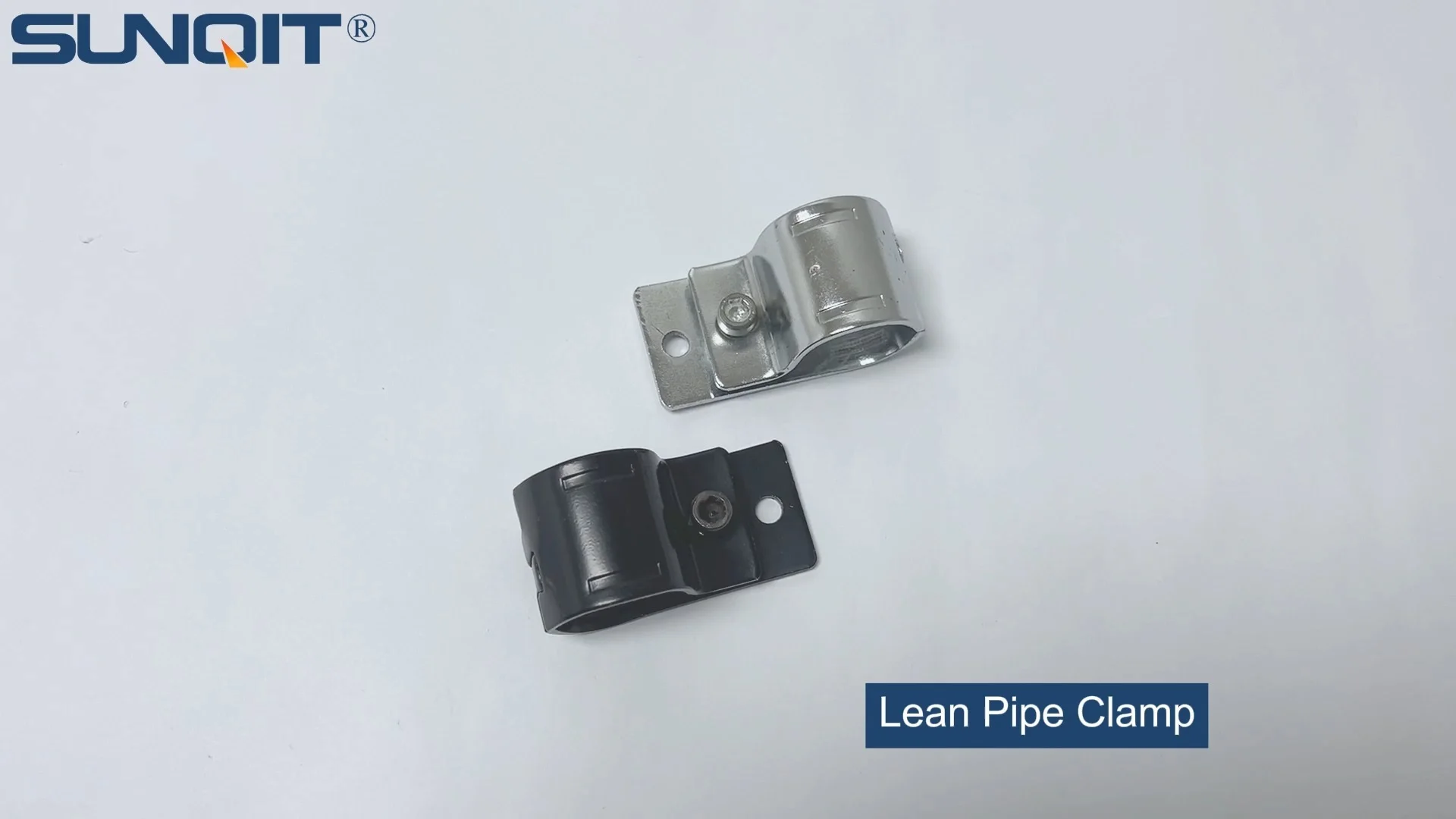
Lean Pipe Clamp
Lean pipe clamp is used for rack system hang monitor or other panel for workbenck, flowrack in production daily use.
Picture this: It's a Tuesday morning on your production floor. The line is humming, teams are focused, and parts are moving smoothly from one station to the next. Your lean pipe workbench—stacked with components, tools, and a half-assembled product—stands at the center of it all, a silent workhorse holding everything together. Then, without warning, a sharp clunk cuts through the noise. You glance over to see a section of the workbench sagging; a lean pipe clamp has come loose, and a bin of small parts is teetering dangerously close to the edge. In seconds, your (rhythm) is broken. You're scrambling to fix it, the line slows, and that tight deadline you've been chasing? Suddenly, it feels a lot farther away.
If you've worked with lean pipe systems—whether it's a simple workbench, a flow rack, or a complex material handling setup—you know this scenario all too well. Loose clamps aren't just a minor annoyance; they're productivity killers. They lead to downtime, damaged parts, and even safety risks. But here's the good news: most clamp loosening is preventable. In this article, we'll dive into why lean pipe clamps come loose, how to stop it from happening, and how to keep your lean systems sturdy, reliable, and ready to keep up with your team's pace.
Why Do Lean Pipe Clamps Loosen, Anyway?
Before we fix the problem, let's understand it. Lean pipe clamps—those small but critical components that hold your aluminum lean pipe or steel structures together—don't just "randomly" loosen. More often than not, it's a mix of installation habits, material choices, and environmental factors that set the stage for failure. Let's break down the usual suspects:
1. Installation: When "Good Enough" Isn't Enough
Most clamp failures start here. Maybe you tightened the clamp by hand, figuring "that's tight enough." Or perhaps you cranked it with a wrench until the joint creaked, thinking "the tighter, the better." Both are mistakes. Under-tightening leaves room for movement; over-tightening can strip threads, warp the lean pipe joint, or even crack the clamp itself. And if the clamp isn't aligned properly—say, the pipe isn't sitting flush in the joint—every vibration from the line will work it loose faster.
2. Material Fatigue: When Your "Sturdy" Parts Wear Out
Lean pipe systems are built to last, but they're not indestructible. Over time, the constant stress of holding weight, combined with daily vibrations from machinery or caster wheel movement, can take a toll. Traditional steel lean pipes might rust or bend slightly; cheaper plastic clamps can degrade under UV light or temperature swings. Even aluminum lean pipe—durable as it is—can develop hairline cracks at the joints if paired with low-quality clamps that don't distribute pressure evenly.
3. Vibration: The Silent Clamp Killer
Production floors are noisy places, and that noise comes with vibration. Conveyors hum, presses stamp, and forklifts rumble past. All that movement shakes your lean structures from the ground up. If your clamps aren't secured to absorb that energy, they'll slowly "walk" loose over time. Think of it like a jar of nuts in your car's cup holder—after a bumpy drive, the lid never stays as tight as you left it. Your clamps face the same problem, just on a larger, more critical scale.
4. Mismatched Parts: Using the Wrong Clamp for the Job
Not all lean pipe clamps are created equal. A clamp designed for 28mm steel lean pipe won't work as well on 30mm aluminum lean pipe. Similarly, a lightweight plastic clamp might hold up on a small tool rack but will buckle under the weight of a loaded material rack. Using mismatched parts—whether it's the clamp size, material, or design—sets you up for failure before you even tighten the first bolt.
5 Proven Strategies to Keep Clamps Tight (For Good)
Now that we know why clamps loosen, let's talk solutions. These strategies aren't just quick fixes—they're habits and choices that will make your lean systems more reliable, reduce downtime, and save you from future headaches. Let's start with the basics.
1. Nail the Installation: Torque, Tools, and Alignment
Installation might seem straightforward, but getting it right is half the battle. Here's how to do it:
Use a torque wrench : Most lean pipe joint manufacturers specify a torque range (e.g., 15-20 Nm for aluminum joints). A torque wrench ensures you hit that sweet spot—tight enough to hold, but not so tight you damage the clamp or pipe. Skip the adjustable wrench or pliers; they're too imprecise.
Check alignment first : Before tightening, make sure the pipe sits fully in the lean pipe joint. If it's angled or only partially seated, the clamp will bear uneven stress. A quick visual check—ensuring the pipe is flush with the joint's edges—can save you from weeks of gradual loosening.
Retighten after 24 hours : New lean pipe systems (or newly repaired ones) settle. The materials compress slightly, and the joint shifts a tiny bit. Tighten the clamps as directed during installation, then come back the next day and give them a gentle retighten. It's a small step, but it prevents that initial "settling looseness" from turning into a bigger problem.
2. Upgrade to Aluminum Lean Pipe (Yes, It Matters)
If you're still using traditional steel lean pipe, it might be time to consider aluminum. Aluminum lean pipe isn't just lighter; it's more resistant to corrosion, less prone to warping, and pairs better with modern clamps designed for low-maintenance performance. Here's why it helps with clamp stability:
Smoother, more consistent surfaces : Aluminum lean pipe has precise, uniform diameters and fewer surface imperfections than steel. That means clamps grip evenly, with less room for slippage. No more "pinching" on rough spots that wear out clamps prematurely.
Better heat dissipation : Production floors can get hot—especially near ovens or welding stations. Steel retains heat, which causes it to expand and contract, loosening clamps. Aluminum cools faster and has a lower thermal expansion rate, so your joints stay stable even on sweltering days.
Compatible with advanced clamps : Aluminum systems often use T-slot designs or internal rotary aluminum joints, which lock into place more securely than traditional external clamps. These joints distribute pressure 360 degrees around the pipe, reducing the risk of stress points that lead to loosening.
3. Schedule "Clamp Check" Maintenance (Yes, It Needs Its Own Time Slot)
Preventive maintenance isn't glamorous, but it's the best way to catch loose clamps before they cause trouble. Set a regular schedule—weekly for high-use systems like workbenches or flow racks, monthly for less critical setups—and stick to it. Here's what to include:
Visual inspections : Walk around each lean structure and look for obvious signs of trouble: sagging pipes, gaps between clamps and joints, or rust (on steel systems). If a clamp looks misaligned or the pipe is wobbly, mark it for tightening.
Physical checks : Use a torque wrench to retighten clamps to spec. Even if they feel tight by hand, vibration can loosen threads just enough to cause problems later. Pay extra attention to areas near high-vibration equipment (like conveyors or punch presses)—these need more frequent checks.
replace worn parts : If a clamp is cracked, bent, or the threads are stripped, replace it immediately. The same goes for lean pipe joints with worn locking mechanisms or casters that wobble (uneven caster wheels amplify vibration, remember?). It's tempting to "make do" with a slightly damaged part, but that's how small issues become big failures.
4. Add Vibration Dampeners (Your Clamps Will Thank You)
You can't eliminate vibration entirely, but you can reduce its impact. Adding simple dampening solutions to your lean systems helps absorb energy before it reaches the clamps. Here are a few easy fixes:
Rubber grommets : Slide rubber grommets between the lean pipe and clamp. They act as a buffer, reducing metal-on-metal friction and absorbing small vibrations. Look for heat-resistant options if you're near high-temperature areas.
Anti-vibration pads : Place these under the feet of your workbench or material rack. They isolate the structure from floor vibrations, kind of like how a yoga mat muffles noise when you drop a weight. For extra stability, pair them with adjustable leveling feet to keep the structure perfectly balanced.
Reinforce high-stress areas : If a particular section of your lean system (like the corner of a flow rack) is prone to shaking, add extra bracing with aluminum guide rails or crossbars. The more rigid the structure, the less it vibrates—and the tighter your clamps stay.
5. Invest in High-Quality Clamps (Cheap Parts Cost More in the Long Run)
It's easy to skimp on clamps to save a few dollars. After all, they look like simple pieces of metal or plastic. But here's the truth: a $2 cheap clamp will cost you far more than a $5 premium one when it fails. High-quality clamps—made from durable materials like reinforced nylon or anodized aluminum—are designed to withstand stress, vibration, and daily wear. They have better threading, more precise sizing, and often include features like locking nuts or serrated jaws that grip tighter and last longer.
When shopping for clamps, look for these key features:
- Serrated jaws : These bite into the lean pipe, creating friction that prevents slipping.
- Stainless steel hardware : Resists rust and corrosion, even in humid or dusty environments.
- Load ratings : Choose clamps rated for at least 1.5 times the weight they'll actually hold—over-engineering here prevents failure under peak loads.

Lean Pipe Joints: A Quick Reference Guide
Not sure which lean pipe joint is right for your setup? The table below breaks down common joint types, their best uses, and how to keep them tight:
| Joint Type | Best For | Installation Tip | Common Loosening Cause |
|---|---|---|---|
| Fixed Lean Pipe Joint (Chrome-Plated) | Static structures (e.g., tool racks, stationary workbenches) | Tighten to 18-22 Nm; avoid over-tightening (can crack the joint). | Worn threads from repeated tightening/loosening. |
| Internal Rotary Aluminum Joint | Adjustable setups (e.g., height-adjustable workbenches) | Align the pipe's T-slot with the joint's locking pin before tightening. | Pin slipping due to misalignment during adjustment. |
| 90° Aluminum Crossing Joint | Right-angle connections (e.g., flow rack corners) | Use a torque wrench to evenly tighten both sides; uneven torque causes tilting. | Vibration from adjacent conveyors or roller tracks. |
| Parallel Aluminum Joint | Dual-pipe structures (e.g., heavy-duty material racks) | Space pipes evenly (10-15cm apart) to distribute weight. | One pipe bearing more weight than the other, stressing the joint. |

Final Thoughts: Tight Clamps = Smooth Operations
Loose lean pipe clamps might seem like a small problem, but they're a symptom of a bigger issue: neglecting the details that keep your production line running. By focusing on proper installation, quality materials like aluminum lean pipe, regular maintenance, and smart vibration management, you can turn those frustrating "clunk" moments into a thing of the past.
Remember, your lean systems are more than just metal and clamps—they're the backbone of your productivity. Treat them with care, and they'll repay you with reliability, efficiency, and peace of mind. So the next time you walk past that workbench or flow rack, take a second to check a clamp. It might just be the small step that keeps your line running smoothly all day long.