- Company Articles
- Products and Technology
- Product knowledge
- Lean Pipe Fixed Clamp Durability: Testing & Performance Analysis

Lean Pipe Fixed Clamp Durability: Testing & Performance Analysis
Related Product
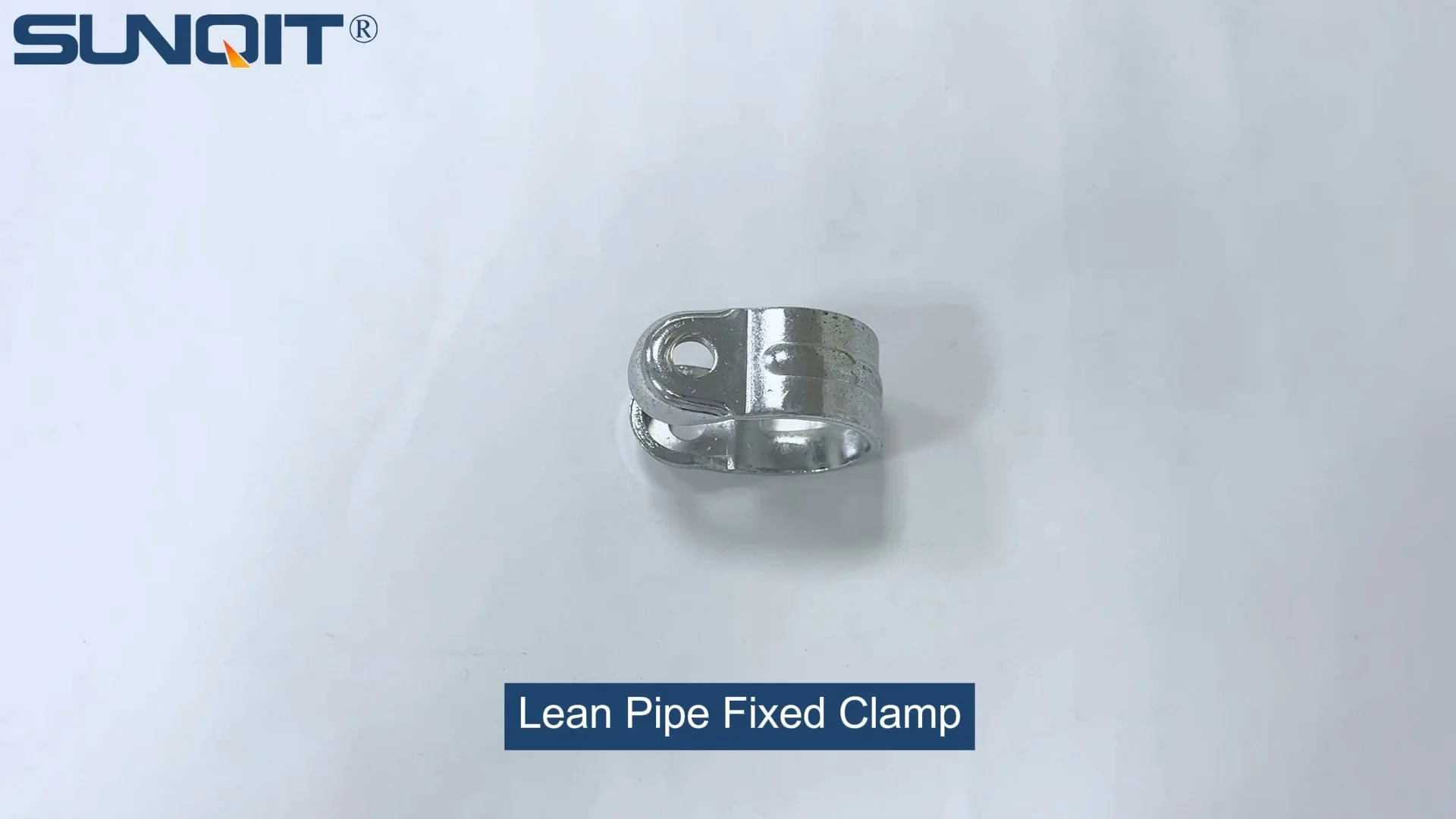
Lean Pipe Fixed Clamp
Lean pipe fixed clamp is used for pipe connector fixing the correct position during workbench flow rack hand trolley assemble work.
In the bustling world of manufacturing and assembly lines, where efficiency is king and downtime is the enemy, there's a silent workhorse holding everything together: the lean pipe fixed clamp. You might not notice it at first glance—hidden beneath workbenches, securing roller tracks, or reinforcing material racks—but this unassuming component is the backbone of lean systems worldwide. Whether you're building a custom workbench for electronics assembly or a high-speed roller track for automotive parts, the durability of your lean pipe fixed clamp can make or break your operation. In this deep dive, we'll explore why these clamps matter, how their durability is tested, and what real-world performance looks like when they're put to the test.
What Are Lean Pipe Fixed Clamps, Anyway?
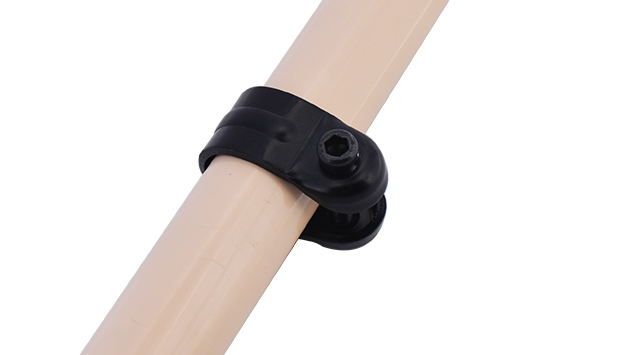
Let's start with the basics. A lean pipe fixed clamp is a specialized connector designed to secure lean pipes (also known as "lean tubes") into rigid, stable structures. Unlike adjustable or rotatory lean pipe joints, which allow for movement or angle adjustments, fixed clamps are all about rigidity. They lock pipes into place at specific angles—often 90°, 45°, or 180°—creating frameworks that can support heavy loads, resist vibrations, and withstand the daily wear and tear of industrial environments. Think of them as the "glue" of lean manufacturing: invisible but essential.
These clamps come in various designs, but most share a simple yet effective structure: a metal (or sometimes high-grade plastic) body that wraps around the lean pipe, secured by bolts or screws. The best ones are engineered to distribute pressure evenly across the pipe's surface, preventing dents or cracks while ensuring a tight, wobble-free fit. And while they're called "fixed," don't mistake them for permanent—many are reusable, allowing teams to reconfigure their lean systems as production needs change (though once tightened, they stay put until intentionally adjusted).
Why Durability Isn't Just a "Nice-to-Have"—It's Critical
Imagine this: You're running a busy electronics assembly line. Your team relies on a custom workbench built with lean pipes and fixed clamps to hold sensitive circuit boards and tools. One morning, during a peak production rush, a clamp securing the workbench's upper shelf fails. The shelf sags, tools crash to the floor, and a half-assembled circuit board is ruined. Suddenly, your line grinds to a halt. Your team scrambles to fix the shelf, deadlines loom, and frustration mounts. This isn't just a minor hiccup—it's a costly disaster caused by a single weak link: a low-quality, non-durable lean pipe fixed clamp.
Durability in lean pipe fixed clamps matters for three big reasons: safety, efficiency, and cost. First, safety. A failed clamp can lead to collapsing structures, falling tools, or damaged materials—all of which put workers at risk of injury. Second, efficiency. Even a small amount of wobble or slippage in a clamp can disrupt workflow; a complete failure means hours (or days) of downtime. Third, cost. Replacing failed clamps, repairing damaged equipment, and recouping lost production time adds up fast. In fact, industry estimates suggest that a single clamp failure in a high-volume factory can cost upwards of $10,000 in lost revenue—far more than the price of investing in a durable clamp upfront.
Materials Matter: What Goes Into a Durable Lean Pipe Fixed Clamp?
Not all lean pipe fixed clamps are created equal, and much of their durability comes down to materials. Let's break down the most common options and how they stack up:
Steel: The Heavyweight Champion
Steel is the traditional go-to for lean pipe fixed clamps, and for good reason. It's strong, rigid, and resistant to bending or warping under heavy loads. Most steel clamps are coated with zinc or nickel to prevent rust—critical in humid or oily factory environments. However, steel is heavy, which can be a drawback if you need to reconfigure your lean system frequently. It's also prone to corrosion if the coating is scratched, so regular inspections are a must.
Aluminum: The Lightweight Contender
Aluminum clamps have grown in popularity in recent years, thanks to their lightweight design and natural resistance to corrosion. They're ideal for applications where weight matters—like mobile workbenches or turnover trolleys—or in environments where moisture is a concern, such as food processing plants. While aluminum isn't as strong as steel (it has a lower tensile strength), modern alloys have closed the gap, making aluminum clamps a viable option for moderate-load applications. Plus, they're easier to handle during installation, reducing worker fatigue.
Reinforced Plastic: The Niche Player
Plastic clamps are rare but useful in specific scenarios—think cleanrooms or labs where metal contamination is a risk, or low-load applications like light-duty shelving. High-quality plastics (like nylon or polypropylene) can offer decent durability, but they're no match for steel or aluminum in heavy-duty settings. They're also prone to UV damage if used outdoors and can warp in high temperatures, so they're best reserved for controlled environments.

Testing Durability: How Manufacturers Put Clamps Through Their Paces
So, how do you know if a lean pipe fixed clamp is truly durable? Manufacturers subject them to a battery of tests designed to simulate years of real-world use in just weeks. Let's walk through the most critical ones:
Tensile Strength Testing: How Much Pull Can They Take?
Tensile strength testing measures how much pulling force a clamp can withstand before breaking or deforming. Here's how it works: A clamp is secured to two lean pipes, and a machine gradually pulls the pipes apart, increasing the force until the clamp fails. The result is measured in newtons (N) or pounds-force (lbf). For industrial-grade clamps, a minimum tensile strength of 4,000N is standard—enough to hold a small car (though you won't be using them for that!). Steel clamps typically outperform aluminum here, with top models hitting 6,000N or more.
Impact Resistance Testing: Can They Survive a Fall?
In a busy factory, tools get dropped, pallets get bumped, and clamps take hits. Impact resistance testing mimics this by dropping a weighted object (usually a steel ball) onto the clamp from a set height (often 1–2 meters). The goal? No cracks, no deformation, and the clamp should still hold the pipe securely afterward. This test is especially important for clamps used on lower shelves or mobile equipment, which are more likely to be bumped.
Corrosion Resistance Testing: Fighting Rust and Decay
For clamps in damp or chemical-exposed environments, corrosion resistance is non-negotiable. The most common test here is the salt spray test: clamps are placed in a chamber filled with a salty mist (simulating coastal or humid conditions) for 500+ hours. Afterward, they're inspected for rust, pitting, or coating damage. Steel clamps with zinc coatings typically last 500–1,000 hours, while aluminum clamps can go even longer—some exceeding 2,000 hours without signs of corrosion.
Load Testing: How Much Weight Can They Support Over Time?
Static load testing checks how well a clamp holds up under constant weight. A clamp is mounted to a structure, and a heavy load (often 10x its rated capacity) is applied for 24–72 hours. If it bends, slips, or breaks, it fails. Dynamic load testing is even tougher: the load is applied and removed repeatedly (thousands of times) to simulate the vibrations and movement of a busy factory. This test is critical for clamps on roller tracks, where materials slide back and forth all day, putting constant stress on the connection.
| Test Type | Purpose | Pass/Fail Criteria | Steel Clamp Average Result | Aluminum Clamp Average Result |
|---|---|---|---|---|
| Tensile Strength | Measure resistance to pulling force | No failure below 4,000N | 5,500–6,000N | 3,800–4,500N |
| Impact Resistance | Simulate drops/bumps | No cracks/deformation after 1m drop with 1kg weight | Passes at 1.5m drop | Passes at 1m drop |
| Salt Spray | Test corrosion resistance | No rust after 500 hours | 750 hours (zinc-coated) | 2,000+ hours |
| Static Load | Support weight over time | No slip under 10x rated load for 72 hours | 12x rated load for 72 hours | 10x rated load for 72 hours |

Real-World Performance: How Do Clamps Hold Up on the Factory Floor?
Tests in a lab are one thing, but how do lean pipe fixed clamps perform when they're actually in use? Let's look at two case studies from real factories:
Case Study 1: Automotive Assembly Plant
A major automotive manufacturer in Michigan installed steel lean pipe fixed clamps on their engine assembly line roller tracks in 2020. The tracks carry heavy engine components (up to 80kg per unit) 24/7, with constant vibration from nearby machinery. After three years of operation, the maintenance team inspected the clamps and found only minor wear—no cracks, no slippage, and no need for replacements. "We were worried about vibration loosening the clamps, but they've held tight," said the plant's maintenance supervisor. "We estimate these clamps will last another 5+ years before needing to be swapped out."
Case Study 2: Electronics Manufacturing Facility
A California-based electronics plant switched to aluminum lean pipe fixed clamps for their workbenches in 2021, citing weight and corrosion concerns (their facility uses water-based cleaning solutions daily). The workbenches hold light-to-moderate loads (10–30kg) and are reconfigured quarterly for new product lines. After two years, the clamps showed no signs of rust, and workers reported that they're "just as easy to tighten and adjust as the day we bought them." The plant has since expanded their use of aluminum clamps to material racks and turnover trolleys.
Choosing the Right Clamp: What to Look For
Now that you know what goes into a durable lean pipe fixed clamp, how do you choose the right one for your needs? Here are the key factors to consider:
- Load Capacity: Start with the maximum weight your structure will hold. If you're building a workbench for heavy tools, steel is likely the way to go. For lighter loads, aluminum could save you money and weight.
- Environment: Humid, oily, or chemical-heavy environments demand corrosion-resistant materials. Aluminum or zinc-coated steel are your best bets here.
- Frequency of Reconfiguration: If you'll be taking apart and rebuilding your lean system often, aluminum's lightweight design will make the process easier on your team.
- Certifications: Look for clamps tested to industry standards (like ISO or ASTM). Reputable suppliers will provide test reports—don't be afraid to ask for them!
- Price vs. Value: A cheap clamp might save you $5 today, but it could cost you thousands in downtime tomorrow. Invest in quality from a trusted lean pipe supplier.
Maintenance Tips to Extend Clamp Life
Even the most durable lean pipe fixed clamp needs a little TLC to last. Here are simple maintenance habits to keep them in top shape:
- Inspect Regularly: Check clamps monthly for signs of wear, rust, or loose bolts. Tighten any that have slipped.
- Clean Them: Wipe away oil, dirt, or chemicals with a damp cloth. For steel clamps, a light coating of anti-rust spray (like WD-40) can help protect the finish.
- replace When Needed: If a clamp is cracked, bent, or heavily rusted, replace it immediately. Don't try to "make it work"—it's not worth the risk.
- Use the Right Tools: Over-tightening with a power drill can strip bolts or warp clamps. Stick to hand tools or torque wrenches set to the manufacturer's specs.
The Future of Lean Pipe Fixed Clamps: What's Next?
As manufacturing evolves, so too will lean pipe fixed clamps. Here are a few trends to watch for:
- Smart Clamps: Imagine clamps with built-in sensors that alert you when they're loose or under too much stress. Early prototypes are already in testing, and they could revolutionize predictive maintenance.
- Eco-Friendly Materials: Manufacturers are experimenting with recycled steel and aluminum, as well as plant-based coatings, to reduce environmental impact.
- 3D-Printed Customization: For unique angles or specialized applications, 3D-printed clamps could offer tailored solutions without the high cost of traditional manufacturing.
Final Thoughts: Don't Overlook the Little Things
In the grand scheme of manufacturing, lean pipe fixed clamps might seem small. But as we've seen, they play a huge role in keeping your operation running smoothly, safely, and efficiently. By understanding what makes a clamp durable, how to test it, and how to maintain it, you can avoid costly failures and build lean systems that stand the test of time.
So, the next time you're designing a workbench, building a roller track, or setting up a material rack, take a moment to appreciate the lean pipe fixed clamp. It may not get the glory, but it's the quiet hero ensuring your lean system works as hard as your team does.