- Company Articles
- Products and Technology
- Product knowledge
- Lean Pipe Fixed Clamp: Key Component in Flexible Lean Manufacturing Systems

Lean Pipe Fixed Clamp: Key Component in Flexible Lean Manufacturing Systems
Related Product
Lean Pipe Fixed Clamp
Lean pipe fixed clamp is used for pipe connector fixing the correct position during workbench flow rack hand trolley assemble work.
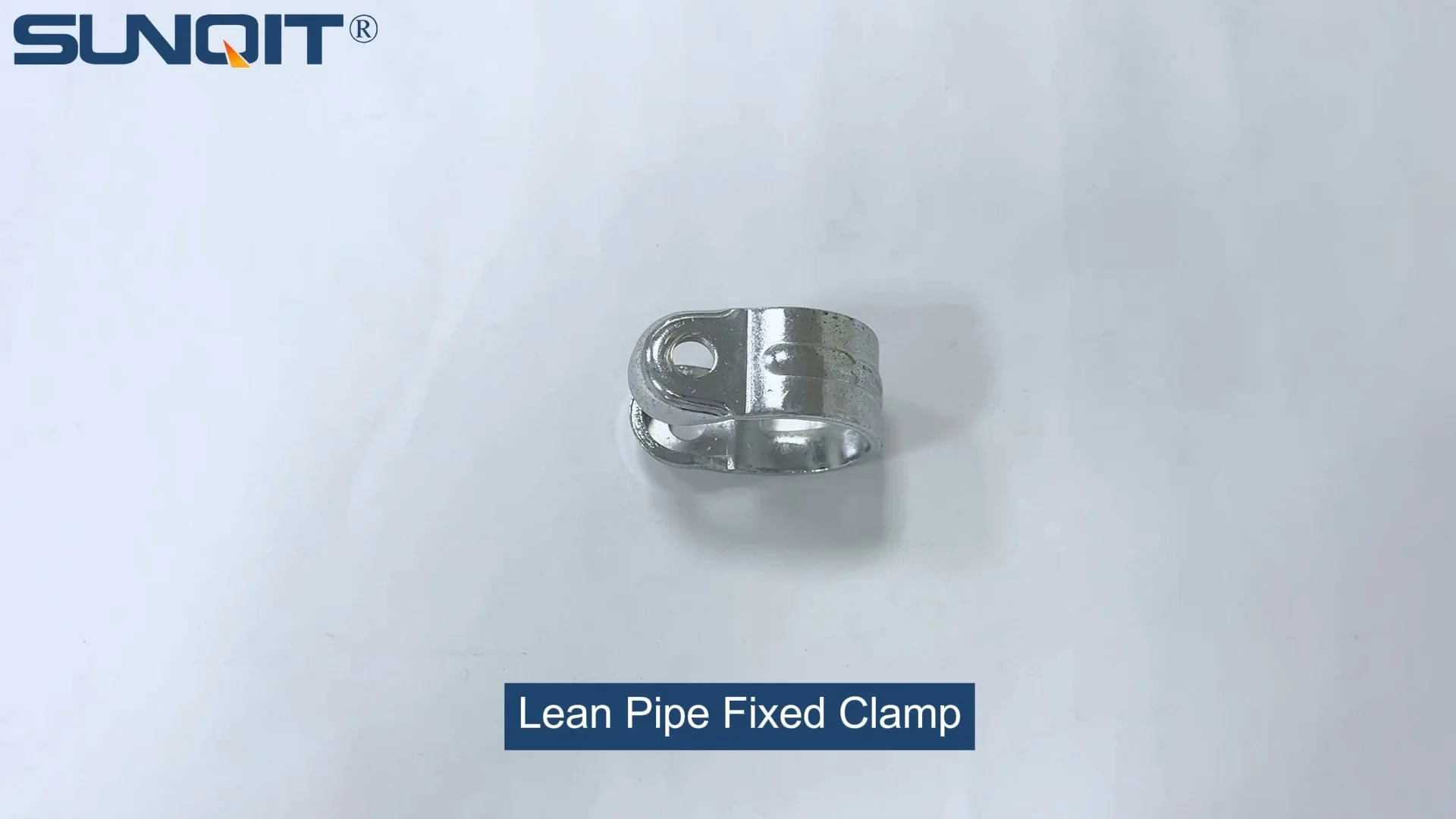
In the fast-paced world of modern manufacturing, where change is the only constant, the ability to adapt quickly isn't just a luxury—it's a survival skill. Enter lean manufacturing, a philosophy built on eliminating waste, streamlining processes, and fostering continuous improvement. But lean isn't just about cutting costs; it's about creating systems that respond to shifting demands. At the heart of this responsiveness lies a humble yet powerful tool: the lean pipe system. And within these systems, one component stands out as the unsung hero of flexibility: the lean pipe fixed clamp.
You might not notice it at first glance, but walk through any factory floor optimized with lean principles, and you'll see its work everywhere. It's in the sturdy workbenches where assemblers piece together electronics, the flow racks that glide materials to production lines, and the turnover trolleys that move goods seamlessly between stations. The lean pipe fixed clamp is the quiet force holding these structures together—strong enough to maintain stability, yet simple enough to disassemble and reconfigure when needs change. In this article, we'll dive into why this small component plays such a big role in building flexible, efficient lean manufacturing systems.
What Are Lean Pipe Systems, Anyway?
Before we zoom in on the fixed clamp, let's step back and understand the bigger picture: lean pipe systems. Also known as "flexible pipe systems" or "modular pipe systems," these are frameworks built from lightweight pipes, joints, and accessories that can be assembled into almost any structure imaginable. Think of them as the industrial equivalent of building blocks—only instead of plastic bricks, you're using metal or aluminum pipes and connectors to create workbenches, material racks, conveyor supports, and more.
The magic of lean pipe systems lies in their modularity. Unlike traditional fixed furniture or welded metal structures, which are permanent and hard to modify, lean pipe systems are designed to be taken apart, rearranged, and repurposed. A workbench today could become a flow rack tomorrow, and a trolley next week—all without cutting, welding, or specialized tools. This flexibility aligns perfectly with lean manufacturing goals: reducing waste (you won't throw out a whole structure when you need a new one), improving workflow (adapt layouts to eliminate bottlenecks), and empowering teams to experiment with better ways of working.
At their core, these systems rely on two main components: the pipes themselves (often steel, aluminum, or plastic-coated steel) and the connectors that hold them together. And that's where the lean pipe fixed clamp comes into play.
The Unsung Hero: Lean Pipe Fixed Clamps
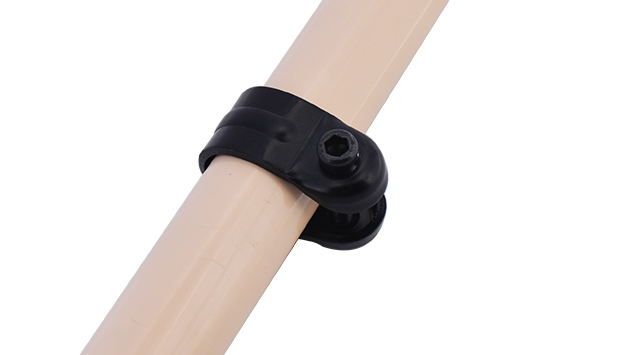
Let's get specific: What is a lean pipe fixed clamp? In simplest terms, it's a mechanical device designed to securely fasten two or more lean pipes together at a fixed angle. Unlike rotating joints, which allow pipes to pivot, fixed clamps lock pipes into place—say, at 90 degrees for a workbench leg or 180 degrees for a straight shelf support. They're the reason a lean pipe workbench doesn't wobble when an assembler leans on it, or a flow rack doesn't collapse under the weight of boxes.
But their job isn't just about strength. Fixed clamps also need to balance rigidity with adjustability . Most are designed with screws, bolts, or levers that tighten around the pipes, creating a firm grip. When you need to reconfigure the structure, you loosen the clamp, adjust the pipes, and retighten—no welding, no drilling, no hassle. This balance makes them indispensable for lean environments, where "permanent" is a four-letter word.
Materials matter here, too. Fixed clamps are typically made from steel, aluminum, or stainless steel, depending on the application. Steel clamps are durable and cost-effective, ideal for heavy-duty use in factories. Aluminum clamps are lighter and resistant to corrosion, making them great for cleanrooms or food processing facilities. Stainless steel clamps step up in harsh environments, like chemical plants, where rust resistance is non-negotiable. Some even come with plastic coatings to protect delicate materials (think electronics components) from scratches.
Types of Lean Pipe Fixed Clamps: Finding the Right Fit
Not all fixed clamps are created equal. Just as a carpenter wouldn't use a hammer to screw in a nail, manufacturers need the right clamp for the job. Let's break down the most common types and when to use them:
| Clamp Type | Material | Pipe Diameter Compatibility | Load Capacity (Approx.) | Best For |
|---|---|---|---|---|
| Standard Steel Fixed Clamp | Carbon Steel | 28mm–30mm (common lean pipe sizes) | Up to 150kg per joint | General assembly workbenches, light-duty flow racks, turnover trolleys |
| Heavy-Duty Aluminum Clamp | Aluminum Alloy | 30mm–40mm (thicker pipes) | Up to 300kg per joint | Heavy machinery supports, material racks with bulky parts, outdoor use (corrosion-resistant) |
| Plastic-Coated Steel Clamp | Steel with PVC coating | 28mm–30mm | Up to 120kg per joint | Electronics manufacturing, cleanrooms, applications with delicate materials |
| Stainless Steel Fixed Clamp | 304/316 Stainless Steel | 28mm–40mm | Up to 250kg per joint | Food processing, chemical plants, high-moisture environments |
Each type has its niche, but they all share a common goal: to create secure, adjustable connections that keep lean systems functional and flexible. For example, a standard steel clamp might be perfect for a workbench in an automotive parts plant, where cost and durability are key. But in a pharmaceutical lab, where cleanliness is critical, a plastic-coated or stainless steel clamp would be the better choice to avoid contamination.

Building Blocks: How Fixed Clamps Work with Other Components
To truly appreciate the fixed clamp's role, let's look at how it integrates with other lean pipe system parts. Take the lean pipe joint, for instance. While fixed clamps lock pipes into static angles, joints (like 90-degree rotating joints or T-joints) add movement or branching. Together, clamps and joints turn simple pipes into dynamic structures. A flow rack might use fixed clamps to anchor its vertical supports, then rotating joints to attach roller tracks that tilt materials toward the production line.
Workbenches are another great example. A basic workbench (like "Workbench E (Single Deck-Without Caster)" from many suppliers) relies on fixed clamps to connect the frame's vertical legs to horizontal beams. Without sturdy clamps, the bench would sway, making precise assembly work impossible. Add a shelf halfway up, and you'll use more fixed clamps to attach the shelf supports to the legs—strong enough to hold tools, but easy to remove if the worker needs more legroom.
Flow racks, too, depend on fixed clamps. These racks use roller tracks to let materials "flow" via gravity, reducing the need for manual lifting. The roller tracks themselves are mounted on horizontal beams, which are secured to vertical supports with fixed clamps. The clamps ensure the beams stay level; even a slight tilt could cause materials to jam or slide too quickly. And if the production line rearranges, you can loosen the clamps, move the beams, and reposition the roller tracks—no need to buy a new rack.

Why Lean Pipe Fixed Clamps Matter for Lean Manufacturing
So, why does this small component deserve a spot in the lean manufacturing hall of fame? Let's count the ways:
1. They Enable "Just-in-Time" Adaptability
Lean manufacturing thrives on "just-in-time" (JIT) principles—producing only what's needed, when it's needed. But JIT isn't just about inventory; it's about processes. If a customer suddenly orders a new product variant, your production line needs to shift fast. With fixed clamps, you can reconfigure workbenches, flow racks, or conveyors overnight. No waiting for custom-built furniture or contractors. A team at a small electronics plant once told me they reconfigured three workbenches in two hours to accommodate a rush order—something that would have taken weeks with traditional setups.
2. They Reduce Waste (and Costs)
Waste is the enemy of lean, and fixed clamps help fight it on two fronts. First, they extend the life of your lean pipe system. Instead of scrapping an entire workbench when you need a taller one, you can disassemble it, add longer pipes, and reuse the clamps. Second, they minimize downtime. Reconfiguring with clamps takes hours, not days, so production interruptions are short. Over time, these savings add up—manufacturers report cutting equipment costs by 30% or more by switching to modular systems with reusable clamps.
3. They Empower Teams to Innovate
Continuous improvement (kaizen) is at the heart of lean, and fixed clamps make kaizen accessible. Frontline workers know their workflows best—they're the ones who notice when a shelf is too high or a trolley is too narrow. With clamps, they can experiment with changes themselves. A team might adjust a flow rack's height to reduce bending, then use clamps to lock it in place and test the new setup. If it works, great; if not, they can tweak it again. This empowers employees to take ownership of their workspace, leading to more engaged teams and better ideas.
Challenges and Best Practices: Getting the Most from Your Clamps
Of course, even the best tools need proper use. Here are a few tips to avoid common pitfalls with lean pipe fixed clamps:
- Don't overtighten: It's tempting to crank down on the clamp's screw to make it "extra secure," but this can damage the pipe's coating or even warp the pipe itself. Most clamps have torque guidelines—follow them.
- Match clamp size to pipe size: A clamp designed for 28mm pipes won't grip a 30mm pipe properly, leading to instability. Always check the pipe diameter before buying clamps.
- Inspect regularly: Vibrations from machinery or heavy use can loosen clamps over time. A quick monthly check (tightening any loose screws) prevents accidents and ensures your structures stay safe.
- Choose the right material: Using a steel clamp in a humid environment might lead to rust, which weakens the connection. Opt for stainless steel or aluminum in corrosive settings.
Accessories can also boost clamp performance. Adding a washer between the clamp and pipe distributes pressure, preventing dents. Locknuts keep screws from loosening due to vibration. And for extra stability, some clamps work with "caster accessories" (like brake casters) to anchor mobile trolleys in place when needed.
The Future of Lean Pipe Fixed Clamps: Smarter, Lighter, Greener
As manufacturing evolves, so too will the tools that power it. Lean pipe fixed clamps are no exception. Here's what we might see in the coming years:
Smart clamps: Imagine clamps with built-in sensors that detect looseness and send alerts to maintenance teams. This could prevent failures before they happen, especially in critical systems like conveyor supports.
Eco-friendly materials: With sustainability becoming a key focus, manufacturers are exploring recycled steel or aluminum clamps, or even bioplastic coatings. Some are also designing clamps that are easier to disassemble and recycle at the end of their life.
Lightweight yet stronger designs: Advances in materials science are leading to clamps that weigh less but hold more. Think aluminum alloys reinforced with carbon fiber—perfect for mobile systems like turnover trolleys, where reducing weight makes maneuvering easier.
Final Thoughts: Small Component, Big Impact
At the end of the day, the lean pipe fixed clamp is a reminder that lean manufacturing isn't just about grand strategies—it's about the details. It's the small, adaptable tools that make big change possible. Whether you're building a simple workbench or a complex flow system, the fixed clamp ensures your structure is strong enough to work today and flexible enough to change tomorrow.
So the next time you walk through a factory, take a moment to look at the workbenches, racks, and trolleys around you. Chances are, there's a lean pipe fixed clamp holding them together—quietly, reliably, and ready for whatever comes next. In the world of lean, that's not just a component. That's progress.