- Company Articles
- Products and Technology
- Product knowledge
- Lean Pipe Fixed Clamp Longevity: How to Maximize Service Life

Lean Pipe Fixed Clamp Longevity: How to Maximize Service Life
Related Product
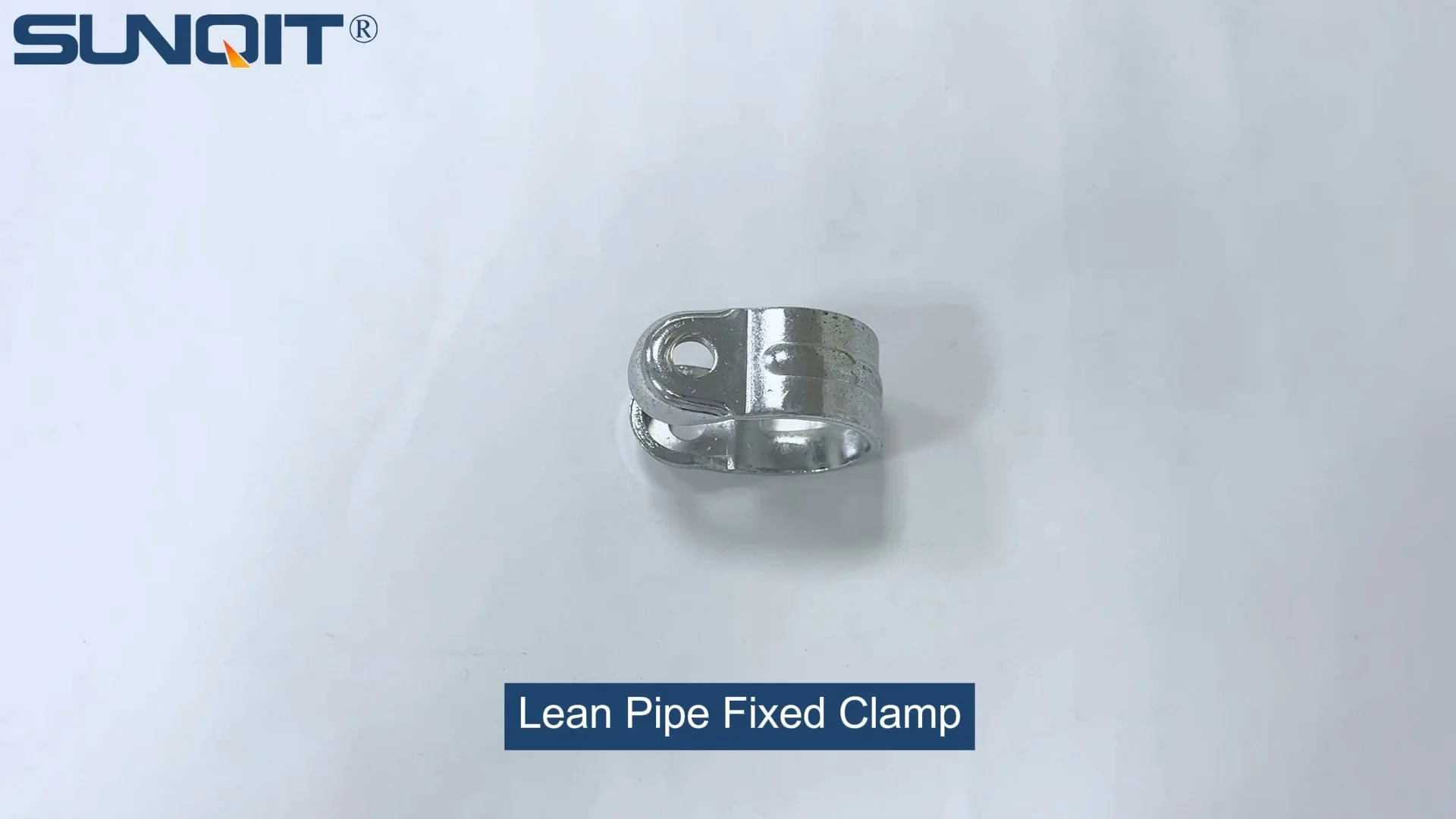
Lean Pipe Fixed Clamp
Lean pipe fixed clamp is used for pipe connector fixing the correct position during workbench flow rack hand trolley assemble work.
Introduction: The Unsung Hero of Your Production Line
Walk through any manufacturing facility, warehouse, or assembly plant that uses lean systems, and you'll see them everywhere—lean pipe workbenches, flow racks, turnover trolleys, and material racks, all holding together with precision. But if you look closer, you'll notice the small but critical components that make it all possible: lean pipe fixed clamps. These unassuming pieces of hardware are the glue of your lean setup, quietly bearing weight, maintaining structure, and ensuring that every workstation, rack, and conveyor stays stable day in and day out.
Yet, for something so essential, lean pipe fixed clamps are often overlooked until they fail. A loose clamp here, a corroded joint there—suddenly, a workbench wobbles, a flow rack tilts, or a trolley jams. The result? Downtime as teams stop to repair, increased costs from replacing damaged parts, and even safety risks for workers who rely on stable equipment. That's why maximizing the longevity of your lean pipe fixed clamps isn't just about saving money on replacements. It's about keeping your operations running smoothly, your team productive, and your workplace safe.
In this article, we'll dive deep into what makes lean pipe fixed clamps tick, the factors that affect how long they last, and the actionable steps you can take to extend their service life. Whether you're a production manager overseeing a busy line, a facility engineer responsible for equipment maintenance, or a small business owner just starting to build your lean system, these insights will help you get the most out of every clamp—and keep your entire operation humming.
What Are Lean Pipe Fixed Clamps, Anyway?
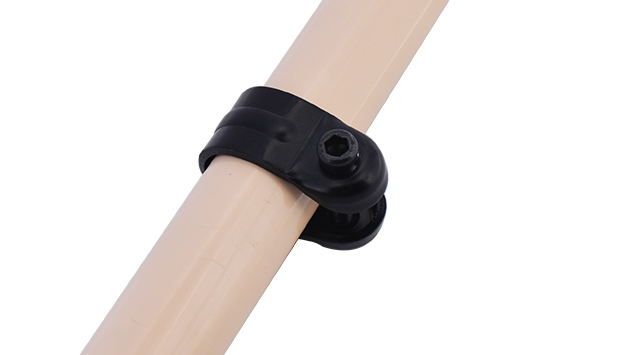
Before we talk about making them last, let's make sure we're all on the same page: What exactly is a lean pipe fixed clamp? Simply put, it's a hardware component designed to securely connect lean pipes (or tubes) to each other or to other structures, like workbench frames or rack uprights. Unlike adjustable joints that allow for rotation or movement, fixed clamps lock pipes into place at specific angles—usually 90 degrees, 45 degrees, or straight lines—creating rigid, stable frameworks.
You'll find them in almost every lean setup. A typical lean pipe workbench, for example, uses fixed clamps to attach the tabletop to the supporting pipes, or to connect the vertical legs to the horizontal crossbars. Flow racks rely on them to secure the side rails that guide materials down the roller tracks. Even turnover trolleys use fixed clamps to keep the handlebar attached to the base, ensuring it doesn't twist or bend under load. In short, wherever stability is non-negotiable, a fixed clamp is there doing the heavy lifting.
But not all fixed clamps are created equal. They come in different materials—steel, aluminum, plastic-coated steel—and different designs, depending on the type of lean pipe they're meant to work with (like standard steel lean pipe, aluminum lean pipe, or even stainless steel pipe series). Some are designed for heavy loads, others for lighter applications. The key is choosing the right clamp for the job—and then taking care of it—to ensure it lasts as long as possible.
Factors That Determine How Long Your Clamps Will Last
Why do some lean pipe fixed clamps last for years, while others start to fail within months? It comes down to a handful of key factors, each of which plays a role in how quickly a clamp wears down, corrodes, or loses its grip. Let's break them down:
1. Material: The Foundation of Durability
The material a clamp is made from is the single biggest factor in its lifespan. Steel clamps, for example, are strong and affordable but prone to rust if not coated or used in dry environments. Aluminum clamps are lighter and resistant to corrosion, making them ideal for humid or wet areas, but they're not as strong as steel and can bend under extreme loads. Plastic-coated steel clamps (often paired with pe coated lean pipe) offer a middle ground—steel's strength with a plastic layer that resists corrosion and prevents scratching—but the coating can wear off over time if exposed to friction or chemicals.
2. Load: Too Much Weight Breaks Even the Strongest Clamp
Every clamp has a maximum load rating—the amount of weight it can safely hold without deforming or failing. Exceed that rating, even occasionally, and you're asking for trouble. A clamp that's constantly overloaded will stretch, bend, or crack over time. For example, a small steel fixed clamp rated for 50kg might hold 70kg for a few weeks, but eventually, the metal will fatigue, and the clamp will loosen or snap. Always check the load rating before installing a clamp, and never assume "close enough" is good enough.
3. Environment: Heat, Moisture, and Chemicals Take a Toll
Your facility's environment can be brutal on clamps. High humidity or frequent water exposure (like in a food processing plant or a warehouse near the coast) accelerates corrosion, especially on uncoated steel clamps. Extreme temperatures—whether from hot machinery or cold storage—can cause metal to expand and contract, weakening the clamp's grip over time. Even chemicals, like cleaning agents or oils used in manufacturing, can eat away at plastic coatings or corrode metal surfaces. A clamp that thrives in a dry, climate-controlled electronics assembly line might fail quickly in a damp automotive shop, and vice versa.
4. Installation: A Clamp Is Only as Good as How It's Put On
Even the best clamp will fail prematurely if installed incorrectly. Over-tightening, for example, can strip the threads or warp the clamp body, making it impossible to re-tighten later. Under-tightening leaves the clamp loose from day one, allowing the pipe to wiggle and wear down the clamp's inner surface. Misalignment is another culprit: if the clamp isn't perfectly aligned with the pipe, it will bear uneven stress, causing some parts to wear faster than others. And using the wrong size clamp for the pipe—say, a 28mm clamp on a 30mm aluminum pipe—will never create a secure hold, no matter how tight you crank it.
5. Maintenance: Out of Sight, Out of Mind (Until It's Too Late)
Finally, maintenance (or lack thereof) plays a huge role in clamp longevity. A clamp that's never inspected, cleaned, or re-tightened will slowly loosen as vibrations from the production line shake it over time. Dust, debris, or grime can build up inside the clamp, preventing it from gripping the pipe properly. And small signs of wear—like a tiny crack in the clamp body or a corroded bolt—can turn into big problems if not addressed early. In short, clamps need love too, and neglecting them is a surefire way to cut their lifespan short.

Choosing the Right Material: Steel vs. Aluminum vs. Plastic-Coated
Now that we know what affects clamp longevity, let's talk about one of the most critical decisions you'll make: material. As we mentioned earlier, the material of your lean pipe fixed clamp has a huge impact on how long it lasts, how much maintenance it needs, and how well it holds up in your environment. To help you choose, here's a breakdown of the three most common options: steel, aluminum, and plastic-coated steel.
| Material Type | Best For | Average Lifespan (Years) | Key Advantages | Key Disadvantages | Maintenance Needs |
|---|---|---|---|---|---|
| Steel (Uncoated) | Dry, low-humidity environments; heavy loads | 3–5 | Strongest material; affordable; widely available | Prone to rust and corrosion; heavy | Regular cleaning; check for rust; repaint or coat if needed |
| Aluminum | Humid/wet environments; lightweight applications; cleanrooms | 5–8 | Corrosion-resistant; lightweight; sleek finish | Less strong than steel; more expensive | Minimal—occasional cleaning with mild detergent |
| Plastic-Coated Steel | Moderate humidity; applications where scratching is a concern (e.g., electronics) | 4–6 | Combines steel strength with plastic corrosion resistance; prevents pipe scratching | Coating can chip or wear off over time; not ideal for extreme heat | Check for coating damage; replace if coating is worn through |
Let's dig deeper into each option. Steel clamps are the workhorses of the industry. They're tough, inexpensive, and can handle heavy loads—up to 500kg or more in some cases—making them perfect for workbenches or material racks that hold bulky parts. But their Achilles' heel is rust. In a dry warehouse, they'll last 5 years or more, but in a humid environment, they might start corroding in as little as a year. If you go with steel, look for options with a zinc-plated or chrome finish, which adds a layer of protection against rust.
Aluminum clamps, on the other hand, are all about corrosion resistance. Aluminum naturally forms a thin oxide layer that protects it from rust, making it ideal for damp environments like food processing plants, outdoor warehouses, or marine facilities. They're also lighter than steel, which is a plus if you need to move or reconfigure your lean setup frequently. The downside? They're not as strong as steel—so they're better for medium loads, like small workbenches or light-duty flow racks. They're also pricier, but many facilities find the longer lifespan (5–8 years) makes up for the upfront cost.
Plastic-coated steel clamps strike a balance between strength and protection. The steel core provides the strength to handle heavy loads, while the plastic coating (usually polyethylene or PVC) keeps moisture and chemicals at bay. They're also great for applications where you don't want the clamp to scratch the lean pipe—like in electronics manufacturing, where even small scratches on aluminum profile or aluminum lean pipe could damage sensitive components. The catch? The plastic coating can wear off with frequent friction or exposure to high heat, leaving the steel underneath vulnerable to rust. If you choose coated clamps, inspect the coating regularly for chips or wear.
So, which should you pick? It depends on your environment, load requirements, and budget. If you're in a dry, heavy-load facility, uncoated steel might be the way to go. If humidity is an issue, aluminum or plastic-coated steel is better. And if you're willing to pay a bit more for longevity, aluminum is hard to beat.

Installation Best Practices: Do It Right the First Time
Even the best clamp made from the best material will fail if installed poorly. Think of it like building a house: no matter how strong the bricks are, if the foundation is uneven, the walls will crack. The same goes for fixed clamps—proper installation is the foundation of their longevity. Here's how to get it right:
1. Use the Right Clamp for the Pipe
This might seem obvious, but you'd be surprised how often facilities try to force a clamp onto a pipe that's the wrong size. A clamp designed for 28mm steel lean pipe won't fit securely on a 30mm aluminum pipe, and vice versa. The result? A loose connection that wobbles, wears down the clamp, and eventually fails. Before installing, double-check that the clamp's inner diameter matches the outer diameter of your lean pipe. Most clamp manufacturers label this clearly (e.g., "for 28mm lean pipe" or "compatible with aluminum profile 40×40"), so there's no guesswork.
2. Align the Pipes Perfectly
Fixed clamps are meant to lock pipes into rigid angles, but if the pipes aren't aligned straight or at the correct angle before clamping, the clamp will bear uneven stress. For example, if you're attaching a horizontal pipe to a vertical pipe with a 90-degree fixed clamp, make sure the horizontal pipe is perfectly level and the vertical pipe is plumb. A misalignment of just a few degrees can cause one side of the clamp to bear more weight than the other, leading to premature wear. Use a level or square tool to check alignment before tightening.
3. Don't Over-Tighten (or Under-Tighten)
Tightening the clamp bolt is a balancing act. Too loose, and the pipe will wiggle; too tight, and you risk stripping the threads, warping the clamp body, or even crushing the pipe (especially if it's aluminum or plastic-coated). Most clamps come with a recommended torque specification—usually between 15 and 25 Nm (Newton-meters)—which is the amount of force needed to tighten the bolt. If you don't have a torque wrench, a good rule of thumb is to tighten until the clamp grips the pipe firmly, then give it a quarter-turn more. You should feel resistance, but the bolt shouldn't bend or the clamp shouldn't deform.
4. Clean the Pipes and Clamps First
Dust, grease, or debris on the pipe or inside the clamp can prevent a secure grip. Before installing, wipe down the pipe with a clean cloth to remove any dirt or oil. If the clamp is new, check for any manufacturing residue (like metal shavings or oil from the factory) and clean that off too. A clean surface ensures the clamp's inner teeth (if it has them) can bite into the pipe, creating a stronger hold.
5. Use Lock Washers for Vibration-Prone Areas
Production lines are noisy, vibrating places, and all that shaking can loosen clamp bolts over time. In high-vibration areas—like near heavy machinery or conveyor belts—add a lock washer between the bolt head and the clamp body. Lock washers have a split design that "locks" the bolt in place, preventing it from unscrewing due to vibration. They're cheap, easy to install, and can add years to your clamp's effective life.
Maintenance Routine: Keep Your Clamps in Top Shape
Installing your clamps correctly is just the first step. To maximize their lifespan, you need a regular maintenance routine. Think of it like changing the oil in your car: skip it, and you'll be dealing with breakdowns. But with a little care, your clamps will keep holding strong for years. Here's a simple maintenance plan to follow:
Weekly: Quick Inspections
Set aside 10–15 minutes each week to walk through your facility and visually inspect the clamps. Look for obvious issues: loose bolts, cracks in the clamp body, rust spots, or signs of the pipe slipping (like scratches or indentations on the pipe where the clamp grips it). Pay extra attention to high-stress areas—like the clamps holding up heavy workbenches or the ones at the bottom of flow racks, which bear the most weight. If you spot a loose bolt, tighten it immediately with a wrench (but don't over-tighten, as we discussed earlier).
Monthly: Deep Cleaning
Once a month, give your clamps a deeper clean. Dust, grease, and grime can build up over time, especially in busy facilities, and that buildup can weaken the clamp's grip or accelerate corrosion. Use a soft brush or a damp cloth to wipe down the clamps, paying attention to the area where the clamp meets the pipe. For plastic-coated clamps, avoid harsh chemicals—mild soap and water work best. For aluminum clamps, a quick wipe with a cloth dampened with isopropyl alcohol will remove oils and fingerprints that can attract dust. If you notice any rust on steel clamps, gently scrub it off with a wire brush and apply a thin coat of rust-resistant spray paint to prevent it from spreading.
Quarterly: Torque Checks
Even with lock washers, bolts can loosen over time due to vibration. Every three months, use a torque wrench to check that all clamp bolts are still tightened to the recommended torque. This is especially important for clamps in high-vibration areas, like near conveyor motors or stamping machines. If a bolt won't hold torque (i.e., it keeps loosening after you tighten it), replace it—stripped threads are a common cause of bolt failure, and a new bolt is cheaper than a failed clamp.
Annually: replace Worn Clamps
No clamp lasts forever. Even with perfect maintenance, metal fatigues, coatings wear off, and bolts weaken over time. Once a year, do a full audit of all your clamps and replace any that show signs of serious wear: deep cracks in the clamp body, significant corrosion that can't be cleaned off, or bolts that are bent or stripped. It might seem like an unnecessary expense, but replacing a few clamps now is far cheaper than dealing with a collapsed workbench or a damaged flow rack later.
Troubleshooting Common Clamp Issues
Even with the best installation and maintenance, clamps can run into problems. The key is to spot these issues early and fix them before they lead to failure. Here are the most common clamp problems and how to solve them:
Problem: The Clamp Keeps Loosening
If a clamp bolt tightens but then loosens again within a week or two, there are a few possible causes. First, check if the bolt is stripped—if the threads are worn, the bolt won't grip, and you'll need to replace it. Second, make sure you're using a lock washer—without one, vibration will loosen even the tightest bolt. Third, check the pipe surface: if the pipe is dirty, greasy, or covered in rust, the clamp can't get a good grip. Clean the pipe and re-tighten. If none of these work, the clamp itself might be worn—replace it with a new one.
Problem: Rust on Steel Clamps
Rust is the enemy of steel clamps, but it's not the end of the world if caught early. Use a wire brush to remove surface rust, then apply a rust converter (a chemical that turns rust into a stable, paintable surface) and let it dry. Once dry, spray on a coat of rust-resistant paint. For severe rust—where the clamp body is pitted or the bolt is corroded—replacement is the safer option. A rusted clamp is weaker and more likely to fail under load.
Problem: Plastic Coating Peeling
If the plastic coating on your steel clamps is peeling or chipping, the underlying steel is at risk of rust. For small chips, clean the area with soap and water, let it dry, and apply a small amount of plastic repair epoxy to cover the exposed steel. For larger areas of peeling, or if the coating is worn through in multiple spots, replace the clamp. Continuing to use a clamp with damaged coating is a gamble—rust can spread quickly, especially in humid environments.
Problem: Clamp Body Cracking
A cracked clamp body is a serious issue—cracks mean the clamp can't bear load safely, and it could fail at any time. If you see a crack, stop using the clamp immediately and replace it. Cracks are usually caused by over-tightening, overloading, or metal fatigue, so take note of what might have caused it—were you using the clamp for a heavier load than it was rated for? Did you over-tighten the bolt? Addressing the root cause will prevent future cracks.
Real-World Applications: How One Facility Extended Clamp Life by 3 Years
To put all this into perspective, let's look at a real example. A mid-sized automotive parts manufacturer in the Midwest was struggling with frequent clamp failures on their lean pipe workbenches and flow racks. Their maintenance team was replacing clamps every 2–3 years, which was costing them time and money. The facility was humid (due to the coolant used in machining), and they were using uncoated steel clamps, which were rusting quickly. On top of that, their installation process was inconsistent—some bolts were over-tightened, others under-tightened—and they had no regular maintenance routine.
After consulting with their lean pipe supplier, they decided to make three changes: first, switch from uncoated steel clamps to aluminum clamps to combat corrosion. Second, implement a proper installation process, including torque wrenches and lock washers. Third, start a monthly maintenance routine with inspections and cleaning.
The results were dramatic. Within six months, they noticed fewer loose clamps and almost no rust. After a year, they hadn't replaced a single clamp. Today, three years later, the original aluminum clamps are still going strong—extending the average lifespan from 2–3 years to 5–6 years. The maintenance team estimates they've saved over $10,000 in replacement costs and countless hours of downtime. And because the clamps are more reliable, the production line runs smoother, with fewer interruptions.
The lesson? Small changes in material, installation, and maintenance can have a huge impact on clamp longevity. It's not about spending more money—it's about spending smarter, and taking care of the components that keep your operation running.
Conclusion: Invest in Longevity, Invest in Your Operation
Lean pipe fixed clamps might be small, but their impact on your facility's efficiency, safety, and bottom line is huge. They're the unsung heroes that keep your workbenches stable, your flow racks flowing, and your team productive. By choosing the right material, installing them properly, and maintaining them regularly, you can extend their lifespan from a few years to 5, 6, or even 8 years—saving money, reducing downtime, and creating a more reliable operation.
Remember, longevity isn't about buying the most expensive clamp on the market. It's about understanding your environment, your load requirements, and your maintenance capabilities, then making choices that align with those factors. Whether you opt for aluminum clamps to fight corrosion, plastic-coated steel for strength and protection, or standard steel for heavy loads in dry environments, the key is to treat your clamps as the critical components they are.
So, the next time you walk through your production line, take a moment to look at those clamps. They might not be glamorous, but they're working hard for you. Give them the care they deserve, and they'll keep working hard for years to come.