- Company Articles
- Products and Technology
- Product knowledge
- Lean Pipe Fixed Clamp Materials: Steel vs. Aluminum Comparison

Lean Pipe Fixed Clamp Materials: Steel vs. Aluminum Comparison
Related Product
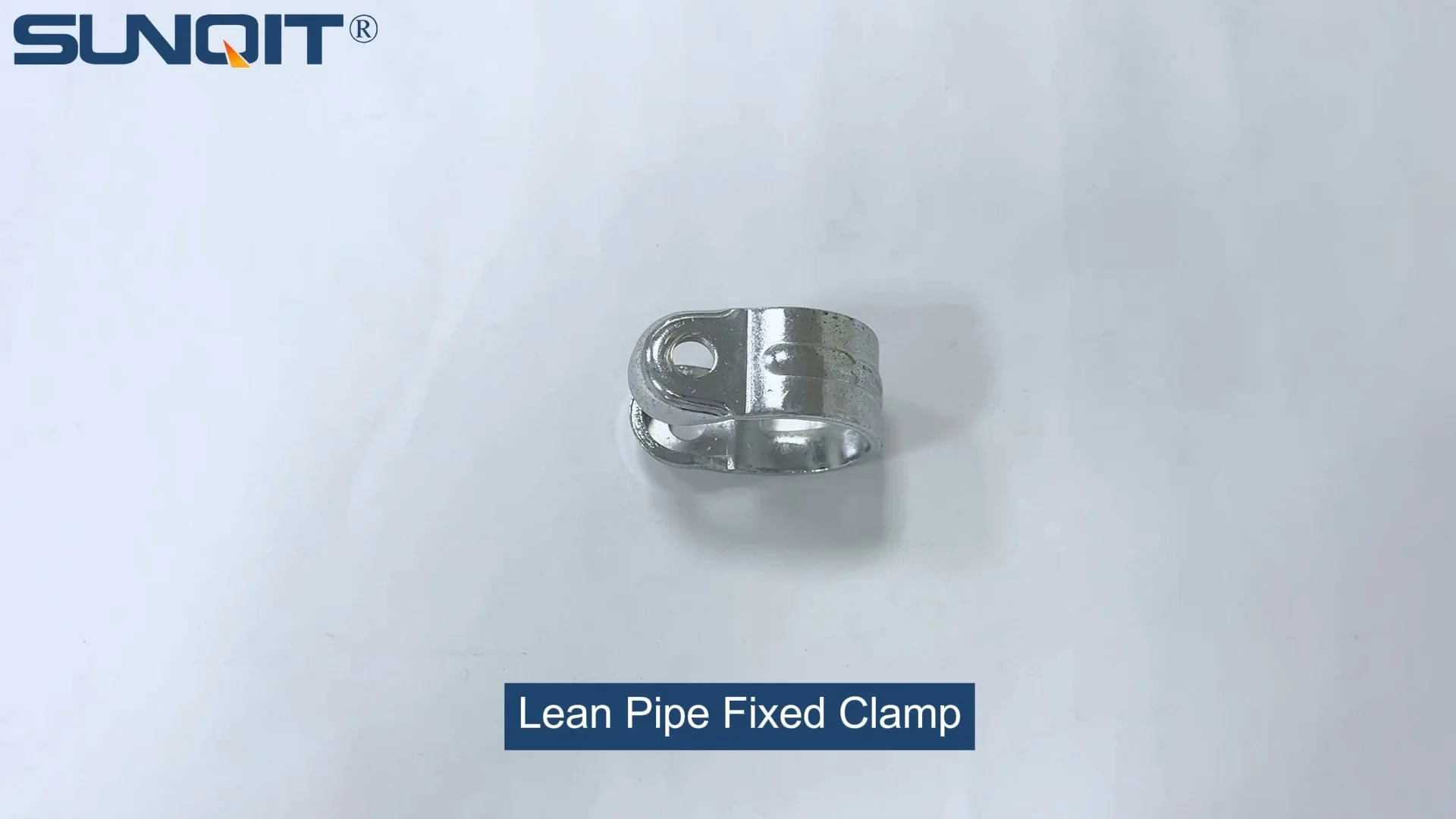
Lean Pipe Fixed Clamp
Lean pipe fixed clamp is used for pipe connector fixing the correct position during workbench flow rack hand trolley assemble work.
Walk into any modern manufacturing facility, warehouse, or assembly line, and you'll likely spot a network of modular structures keeping operations running smoothly: workbenches tailored to specific tasks, flow racks guiding components from station to station, and turnover trolleys gliding between work areas. Behind this organizational magic lies a humble yet critical component: the
lean pipe fixed clamp
. These unassuming connectors are the glue that holds lean systems together, turning basic pipes and profiles into customized, efficient workspaces. But not all clamps are created equal—and the choice between steel and aluminum can make or break a system's performance, durability, and cost-effectiveness. In this article, we'll dive deep into the steel vs. aluminum debate for lean pipe fixed clamps, exploring their strengths, weaknesses, and the real-world scenarios where each material shines.
Understanding Lean Pipe Fixed Clamps: The Unsung Heroes of Lean Systems
Before we compare materials, let's take a moment to appreciate what lean pipe fixed clamps actually do. In lean manufacturing, adaptability is key. Production lines evolve, workflows change, and tools need to keep up. Lean pipe systems—built from pipes, joints, and clamps—offer this flexibility by allowing teams to assemble, disassemble, and reconfigure structures on the fly. Fixed clamps, in particular, play a starring role: they secure pipes at specific angles (90°, 45°, 180°, etc.), ensuring stability while still enabling future adjustments. Think of them as the adjustable hinges of the industrial world—strong enough to hold heavy loads but simple enough for a single worker to reposition with basic tools.
Without reliable fixed clamps, even the sturdiest
lean pipe and accessories
would fail. A loose clamp can cause a workbench to wobble, a flow rack to sag, or a turnover trolley to tip—disrupting production, risking damage to materials, and even endangering workers. That's why material choice matters. Steel and aluminum each bring unique properties to the table, and selecting the right one depends on factors like load capacity, environment, and long-term maintenance needs.
Steel Lean Pipe Fixed Clamps: The Heavyweights of Durability
Steel has been a cornerstone of industrial construction for decades, and for good reason. Its reputation for strength and resilience makes it a natural choice for applications where ruggedness is non-negotiable. When it comes to lean pipe fixed clamps, steel variants—often part of a broader
steel pipe series
—are prized for their ability to handle heavy loads and withstand harsh conditions.
Material Properties: Why Steel Stands Strong
Steel clamps are typically made from carbon steel or stainless steel. Carbon steel, the more common of the two, offers high tensile strength (the force required to pull it apart) and yield strength (the point at which it starts to deform). This makes it ideal for clamps that need to hold together structures like heavy-duty material racks or workbenches loaded with machinery. Stainless steel, on the other hand, adds chromium to the mix, creating a corrosion-resistant barrier that's perfect for environments with moisture, chemicals, or frequent cleaning—think food processing plants or pharmaceutical labs. One of the key advantages of steel is its rigidity. When you tighten a steel clamp around a pipe, it doesn't flex or warp under pressure. This stability is crucial for precision workstations, where even a tiny shift in alignment can throw off assembly tolerances. For example, in automotive manufacturing, where engine components are assembled with micrometer-level accuracy, a steel-clamped workbench ensures the tools and parts stay exactly where they need to be, shift after shift.Pros of Steel Clamps
- Unmatched Strength: Steel's high tensile strength (often 400-500 MPa for carbon steel) means it can handle heavier loads than aluminum. A steel clamp might comfortably support a flow rack stacked with cast iron parts, while an aluminum clamp under the same weight could start to bend. - Durability in Harsh Environments: Carbon steel, when painted or coated, resists wear and tear from impacts, abrasion, and temperature fluctuations. Stainless steel takes this a step further, resisting rust and corrosion in wet or chemical-exposed areas. - Cost-Effective for Heavy Loads: While steel is denser than aluminum, it's often cheaper per unit of strength. For applications requiring maximum load capacity, steel clamps deliver more bang for the buck than aluminum alternatives.Cons of Steel Clamps
- Weight: Steel's density (7.85 g/cm³) makes clamps heavier, which can add up in large systems. Assembling a multi-level material rack with steel clamps might require two workers instead of one, slowing down installation. - Corrosion Risk (for Carbon Steel): Without proper coating, carbon steel clamps can rust in humid or wet environments. This not only weakens the clamp over time but can also contaminate sensitive products, like electronics or food items. - Limited Flexibility in Assembly: Steel's rigidity, while an asset for stability, makes it harder to adjust on the fly. Reconfiguring a steel-clamped structure often requires more force and may even damage the clamp or pipe if over-tightened.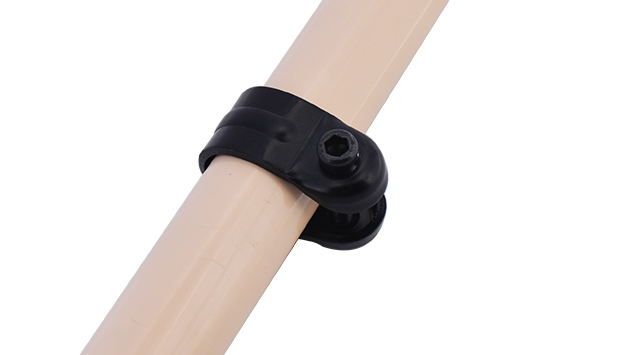
Aluminum Lean Pipe Fixed Clamps: The Lightweight Innovators
In recent years, aluminum has emerged as a strong competitor to steel in lean manufacturing systems—thanks in large part to innovations like
aluminum lean pipe
and its accessories. Aluminum clamps offer a compelling mix of lightness, corrosion resistance, and modern aesthetics, making them a favorite for industries prioritizing agility and sustainability.
Material Properties: The Advantages of Aluminum
Aluminum is significantly lighter than steel, with a density of just 2.7 g/cm³—about a third of steel's weight. This lightness doesn't mean sacrificing strength, though. High-grade aluminum alloys (like 6061 or 6063, common in industrial profiles) can have tensile strengths of 200-300 MPa, which is more than enough for most medium-load applications. Aluminum also boasts natural corrosion resistance: when exposed to air, it forms a thin oxide layer that protects the underlying metal from rust, even without additional coatings. Another standout feature of aluminum clamps is their thermal conductivity. While this might seem like a niche benefit, it's critical in environments where temperature control matters. For example, in electronics manufacturing, ESD workstations (Electrostatic Discharge) need to dissipate static electricity to protect sensitive components. Aluminum's ability to conduct heat (and static) away from the workspace helps maintain a stable, safe environment—something steel, with its lower conductivity, struggles to match.Pros of Aluminum Clamps
- Lightweight and Easy to Handle: The biggest draw of aluminum clamps is their weight. A worker can carry a bundle of aluminum clamps with one hand, making on-site assembly faster and less physically demanding. This is a game-changer for facilities with frequent reconfigurations, like e-commerce warehouses that adjust workflows seasonally. - Corrosion Resistance: Unlike carbon steel, aluminum doesn't rust. This makes it ideal for cleanrooms, outdoor applications, or facilities that use water-based cleaning solutions. In semiconductor manufacturing, where even a speck of rust can ruin a batch of microchips, aluminum clamps are often the only choice. - Sleek Aesthetics and Customization: Aluminum has a modern, clean look that many manufacturers prefer for customer-facing areas (like demo labs or factory tours). It also takes powder coating well, allowing teams to color-code clamps by department or function—blue for assembly, red for quality control, etc.—improving visual management on the shop floor. - Energy Efficiency in Transportation: For mobile structures like turnover trolleys, aluminum clamps reduce overall weight, making the trolleys easier to push and lowering energy costs for motorized conveyors. A lighter trolley also puts less strain on casters and floors, extending their lifespan.Cons of Aluminum Clamps
- Lower Load Capacity: While aluminum is strong enough for most tasks, it can't match steel's brute strength. A steel clamp might handle 500 kg of weight without flexing, but an aluminum clamp under the same load could start to deform over time. This limits aluminum to light-to-medium applications, like picking carts or small parts storage racks. - Softer Metal, Prone to Scratches: Aluminum is softer than steel, which means it's more likely to scratch or dent if dropped or hit by heavy objects. In high-traffic areas, like busy assembly lines, this can lead to a worn, less professional appearance over time—though the structural integrity remains intact. - Higher Upfront Cost: Aluminum clamps are generally more expensive per unit than steel clamps. While this cost can be offset by savings in labor (faster assembly) and maintenance (no rust treatment), it's a barrier for budget-strapped facilities with fixed upfront budgets.
Steel vs. Aluminum Clamps: A Side-by-Side Comparison
| Feature | Steel Lean Pipe Fixed Clamps | Aluminum Lean Pipe Fixed Clamps |
|---|---|---|
| Density (g/cm³) | 7.85 (Carbon Steel), 7.93 (Stainless Steel) | 2.7 |
| Tensile Strength (MPa) | 400-500 (Carbon Steel), 500-600 (Stainless Steel) | 200-300 (Alloys like 6061) |
| Corrosion Resistance | Low (Carbon Steel, needs coating); High (Stainless Steel) | High (natural oxide layer) |
| Weight (per clamp, approx.) | 150-200g (medium-sized clamp) | 50-80g (same size) |
| Best For | Heavy loads, rugged environments, static structures | Medium loads, cleanrooms, frequent reconfigurations, ESD areas |
| Maintenance Needs | Regular coating (Carbon Steel); Minimal (Stainless Steel) | Minimal (occasional cleaning) |
| Cost (per unit) | Lower ($1-$3 for basic carbon steel clamps) | Higher ($2-$5 for aluminum alloy clamps) |

Choosing the Right Material: Key Factors to Consider
Now that we've broken down the pros and cons of steel and aluminum, how do you decide which is right for your facility? Here are the critical factors to weigh:
1. Load Capacity
Start with the numbers: How much weight will your clamp need to support? If you're building a material rack for engine blocks (each weighing 200+ kg), steel is the safe bet. For a workbench holding small electronic components (50 kg or less), aluminum will work just fine—and save you the hassle of heavy lifting during setup.2. Environment
Where will the clamp live? A factory floor with oil spills and humidity calls for stainless steel or aluminum. A dry, indoor warehouse with minimal exposure to elements might make carbon steel a cost-effective choice. For cleanrooms or food processing areas, aluminum's corrosion resistance and easy cleaning (no paint chips to flake off) are non-negotiable.3. Assembly and Reconfiguration Frequency
If your team rearranges workstations monthly (or even weekly), aluminum's lightweight design will cut assembly time and reduce worker fatigue. Steel is better suited for "set-it-and-forget-it" structures that stay in place for years—like a permanent assembly line in an automotive plant.4. Budget
Upfront vs. long-term costs matter. Steel clamps are cheaper to buy, but stainless steel can get pricey, and carbon steel may need periodic repainting. Aluminum has a higher initial cost but lower maintenance expenses, making it more cost-effective over time for many facilities.5. Aesthetics and Branding
Believe it or not, looks count. If your facility hosts tours or clients, aluminum's sleek, modern finish sends a message of innovation. Steel, while functional, can feel industrial and outdated in comparison—though stainless steel offers a happy medium with its polished, professional look.Real-World Applications: Steel and Aluminum Clamps in Action
To bring this comparison to life, let's look at two hypothetical (but realistic) scenarios where the choice between steel and aluminum clamps made a tangible difference.
Scenario 1: Automotive Manufacturing Plant (Steel Clamps)
A large automotive OEM needed to build a heavy-duty material rack to store transmission housings (each weighing 150 kg). The rack would hold 10 housings per shelf, with 3 shelves total—putting a load of 4,500 kg on the frame. The plant's environment was dry but prone to occasional oil spills. Why Steel Won: The sheer weight of the transmission housings required the high tensile strength of steel clamps. Carbon steel clamps, paired with a powder-coated steel pipe series, provided the stability needed to prevent sagging or collapse. While the assembly team needed two workers to maneuver the heavy clamps, the structure was only reconfigured once a year, so the extra effort was a one-time cost. The oil spills were minimal and cleaned quickly, so the carbon steel clamps (with their protective coating) held up without rusting.Scenario 2: Electronics Assembly Facility (Aluminum Clamps)
A consumer electronics company needed ESD workstations for assembling smartphones. Each workstation had to hold a motherboard, tools, and a small testing device (total load: 30 kg). The facility reconfigured lines every quarter to accommodate new phone models, and strict cleanroom standards required frequent wiping with alcohol-based cleaners. Why Aluminum Won: Aluminum clamps were lightweight enough for a single worker to reconfigure the workstations in hours, not days. Their natural corrosion resistance stood up to daily cleaning, and their thermal conductivity helped dissipate static, protecting the sensitive motherboards. While the aluminum clamps cost 30% more upfront than steel, the savings in labor (faster reconfigurations) and maintenance (no rust treatment) paid off within six months.Maintenance and Longevity: Keeping Your Clamps in Top Shape
No matter which material you choose, proper maintenance is key to extending the life of your lean pipe fixed clamps. Here's how to care for steel and aluminum:
Steel Clamp Maintenance
- Carbon Steel: Inspect for rust every 3-6 months, especially in humid environments. If rust spots appear, sand them down and apply a fresh coat of industrial paint or rust inhibitor. Tighten clamps quarterly—steel can loosen over time under heavy loads. - Stainless Steel: Wipe down with a damp cloth to remove dirt and grime. Avoid abrasive cleaners, which can scratch the surface and compromise the corrosion-resistant layer. For stubborn stains, use a mild detergent and a soft brush.Aluminum Clamp Maintenance
- Cleaning: Aluminum clamps are low-maintenance—simply wipe with a wet cloth to remove dust or spills. For ESD workstations, use anti-static cleaning solutions to preserve conductivity. - Preventing Scratches: Avoid dragging heavy objects over aluminum clamps, as this can mar the finish. If scratches occur, they're mostly cosmetic and won't affect structural integrity, but you can buff minor scratches with a soft abrasive pad.Lifespan Expectations
With proper care, steel clamps can last 10-15 years in dry environments, while stainless steel clamps can hit 20+ years. Aluminum clamps typically have a lifespan of 15-20 years, thanks to their corrosion resistance—even in harsher conditions. In both cases, the limiting factor is usually the pipe or profile they're attached to, not the clamps themselves.Future Trends: Why Aluminum is Gaining Ground
As manufacturing evolves, so too do the demands on lean systems. Two trends are pushing aluminum clamps to the forefront: sustainability and Industry 4.0.
Sustainability is no longer a buzzword—it's a business imperative. Aluminum is 100% recyclable, and recycling it uses just 5% of the energy required to produce new aluminum. Steel is also recyclable, but its higher weight means transporting recycled steel generates more carbon emissions. For companies aiming to reduce their carbon footprint, aluminum clamps are an easy win.
Industry 4.0 (the rise of smart manufacturing) is another driver. Smart factories rely on agile, data-driven workflows that require frequent reconfigurations. Aluminum's lightweight, easy-to-assemble clamps align perfectly with this need for flexibility. Add in the fact that aluminum integrates well with sensors and IoT devices (thanks to its conductivity), and it's clear why forward-thinking manufacturers are making the switch.
That said, steel isn't going anywhere. For ultra-heavy loads or specialized environments (like high-temperature foundries), steel remains the gold standard. The future of lean systems will likely be a hybrid approach: steel for the heavy lifters, aluminum for the agile, adaptable components.
Conclusion: The Right Clamp for the Job
At the end of the day, there's no "better" material for lean pipe fixed clamps—only the right material for your specific needs. Steel clamps excel in heavy-load, static environments where durability is paramount. Aluminum clamps shine in lightweight, flexible, and corrosion-prone settings where agility and sustainability matter most.
When making your choice, start by asking: What's the load? Where will it live? How often will it change? And what's my long-term budget? By answering these questions, you'll be able to select clamps that not only hold your lean system together but also support your facility's goals—whether that's faster production, safer workspaces, or a smaller environmental footprint.
Remember, the best lean systems are built on details—and the humble fixed clamp is one detail that deserves careful consideration. Choose wisely, and your clamps will quietly power your operations for years to come.