- Company Articles
- Products and Technology
- Product knowledge
- Lean Pipe Fixed Clamp Pricing: Factors That Affect Cost

Lean Pipe Fixed Clamp Pricing: Factors That Affect Cost
Related Product
Lean Pipe Fixed Clamp
Lean pipe fixed clamp is used for pipe connector fixing the correct position during workbench flow rack hand trolley assemble work.
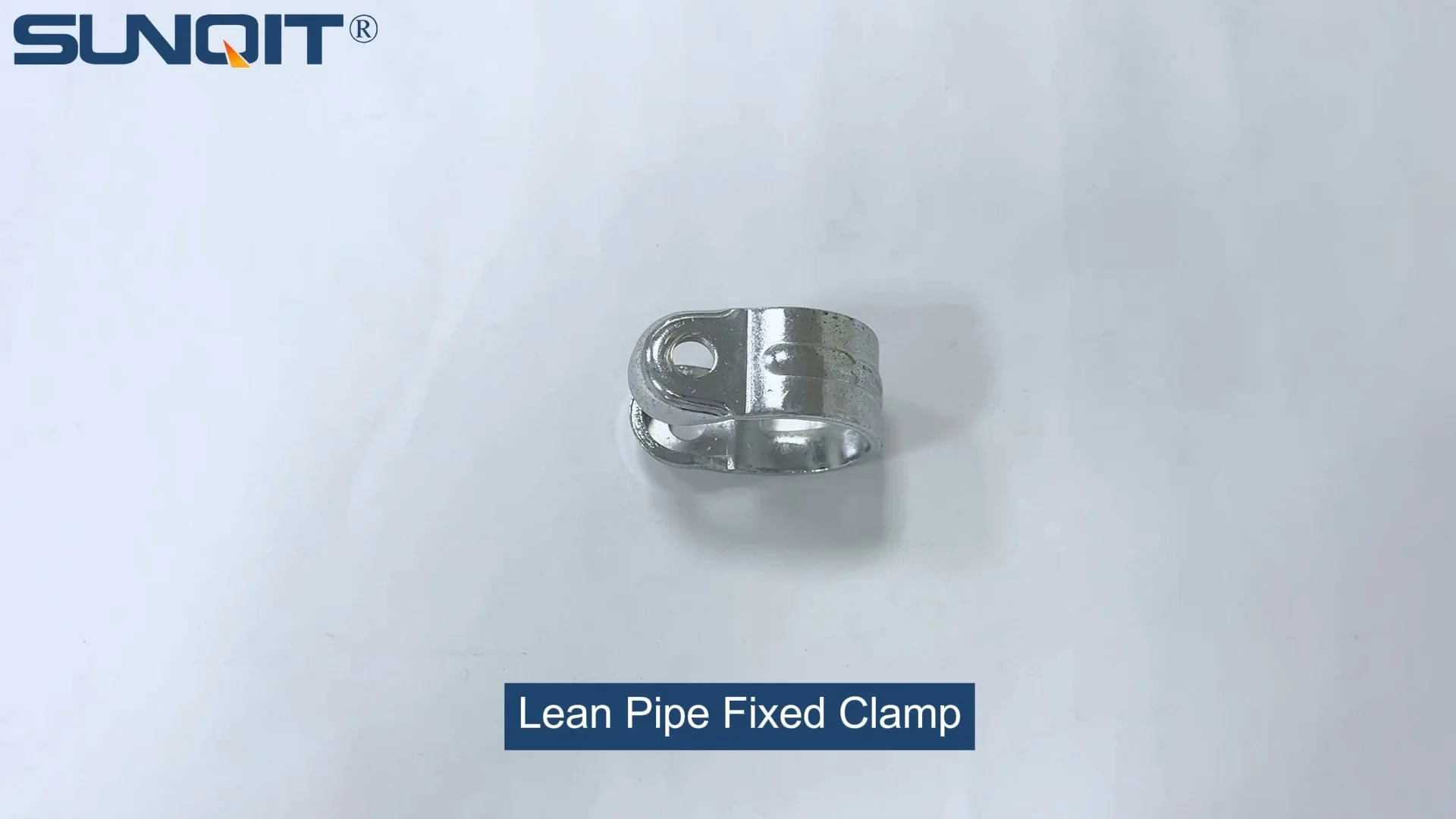
In the world of lean manufacturing, where efficiency and adaptability are king, every component plays a quiet but critical role. Among these unsung heroes are lean pipe fixed clamps—small, unassuming pieces that hold together the backbone of production lines, workbenches, and material handling systems. These clamps don't just connect pipes; they ensure stability, precision, and safety in environments where even a loose joint can disrupt workflows or compromise product quality. For businesses building or upgrading their lean setups, understanding what drives the cost of these clamps isn't just about budgeting—it's about making smart investments that balance durability, performance, and long-term value. Let's dive into the key factors that shape the pricing of lean pipe fixed clamps, from the materials they're made of to the suppliers who bring them to market.
1. Material Choice: The Foundation of Cost
At the heart of any lean pipe fixed clamp's price tag is the material it's crafted from. Just as a chef selects ingredients based on a dish's needs, manufacturers choose materials for clamps based on the demands of the application—whether it's lightweight agility, heavy-duty strength, or resistance to corrosion. Two materials dominate the market: aluminum pipe and stainless steel, each with its own cost profile and use cases.
Aluminum pipe is a favorite in industries where weight and maneuverability matter most. Think of electronics assembly lines or pharmaceutical labs, where workers might need to reconfigure workbenches frequently. Aluminum is naturally corrosion-resistant, which means clamps made from it hold up well in environments with moisture or chemicals—no rust eating away at joints over time. But here's the catch: high-quality aluminum alloys (like those used in structural components) aren't cheap. The raw material cost for aluminum has risen steadily in recent years, driven by global demand for lightweight materials in automotive and aerospace sectors. Additionally, aluminum's malleability—while great for shaping into precise clamp designs—requires specialized tooling to avoid warping during production, adding to manufacturing expenses.
On the other end of the spectrum is the stainless steel pipe series, a go-to for heavy-duty applications. Stainless steel clamps are the workhorses of factories handling heavy parts, like automotive manufacturing or metal fabrication. They boast superior tensile strength, meaning they can withstand constant pressure and heavy loads without bending or breaking. But this durability comes at a cost. Stainless steel contains chromium and nickel, expensive alloys that boost its resistance to rust and heat. Mining and refining these metals is energy-intensive, driving up raw material prices. What's more, stainless steel is harder than aluminum, making it trickier to machine into the intricate shapes needed for clamp joints. Manufacturers often need slower, more precise cutting tools, which extends production time and raises labor costs.
| Material | Key Properties | Typical Applications | Cost Drivers | Price Range (Per Unit)* |
|---|---|---|---|---|
| Aluminum Pipe | Lightweight, corrosion-resistant, malleable | Electronics assembly, cleanrooms, lightweight workbenches | Alloy quality, specialized tooling, raw material demand | $2.50 – $8.00 |
| Stainless Steel (304/316 Series) | High strength, heat-resistant, durable | Heavy-duty manufacturing, automotive, outdoor use | Chromium/nickel content, machining difficulty, energy costs | $4.00 – $12.00 |
*Note: Prices are approximate and vary by supplier, order volume, and customization.
There are outliers, too. Some clamps use reinforced plastics for low-load, cost-sensitive applications, but these are rare in industrial settings where reliability is non-negotiable. For most businesses, the choice between aluminum and stainless steel comes down to balancing upfront material costs with long-term performance—a decision that directly impacts the final price of the clamp.
2. Production Processes: Precision and Complexity
Even the best materials can't make a great clamp if the production process cuts corners. How a lean pipe fixed clamp is manufactured—from shaping the metal to adding protective coatings—plays a huge role in its cost. Let's break down the steps that add value (and dollars) to each clamp.
First, there's the forming process. Many clamps start as raw metal rods or sheets, which are shaped using casting, forging, or machining. Casting is cost-effective for simple designs—molten metal is poured into a mold and left to cool—but it's prone to small defects like air bubbles, which can weaken the clamp. For high-precision clamps (think those used in medical device manufacturing), forging is the way to go. This process involves hammering or pressing heated metal into shape, aligning the grain structure for added strength. But forging requires expensive machinery and skilled operators, driving up costs. Machining, using CNC lathes or mills, offers the tightest tolerances—critical for clamps that need to fit perfectly with lean pipe joints—but it's slow. A single clamp might take minutes to machine, whereas casting can produce hundreds in an hour. The more precise the process, the higher the price tag.
Surface treatment is another hidden cost driver. Many clamps undergo coating or plating to enhance durability or add special properties. For example, clamps used in electronics assembly often need anti-static (ESD) coatings to prevent static electricity from damaging sensitive components. This involves adding a layer of conductive material, like nickel or carbon, which requires extra production steps and materials. Similarly, clamps for outdoor use might get a powder coating to resist UV rays and rain. Each coating adds time to the production line and increases material expenses, both of which get passed on to the buyer.
Labor also plays a part. In regions with high labor costs (like Western Europe or North America), factories rely heavily on automation to keep expenses in check. Robotic arms handle repetitive tasks like drilling or polishing, reducing the need for manual workers. But automating a production line requires significant upfront investment in machinery, which manufacturers recoup by charging more for each clamp. In contrast, factories in lower-wage regions might use more manual labor, keeping initial costs down—but at the risk of inconsistencies in quality. A clamp polished by hand, for example, might have slight variations in finish, which could affect how well it mates with a lean pipe joint. For businesses that can't afford quality lapses, the premium for automated, precision manufacturing is often worth it.
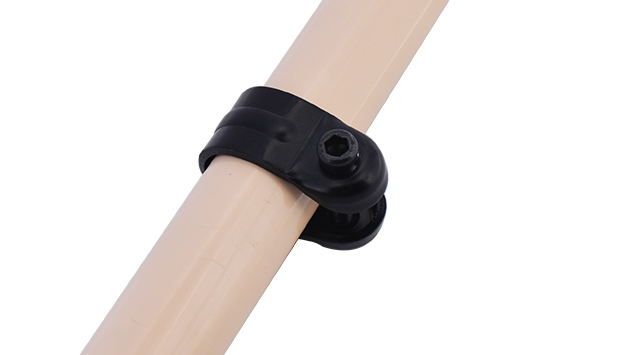
3. Supplier Dynamics: From Factory to Forklift
The path a lean pipe fixed clamp takes from the factory floor to your production line is just as important as how it's made. The right lean pipe supplier can mean the difference between a fair price and an inflated one, thanks to factors like economies of scale, manufacturing capabilities, and geographic location.
Let's start with economies of scale. Large suppliers that produce millions of clamps annually have massive buying power when it comes to raw materials. They can negotiate bulk discounts on aluminum or stainless steel, driving down their per-unit material costs. Smaller suppliers, by contrast, might pay retail prices for materials, making their clamps more expensive. Volume also affects production costs: a factory running at full capacity can spread fixed expenses (like machinery maintenance or facility rent) across more units, lowering the cost per clamp. That's why many suppliers offer wholesale pricing for large orders—buying 1,000 clamps might cost 20-30% less per unit than buying 100. For businesses with big projects, partnering with a high-volume supplier can lead to significant savings.
Geographic location is another key factor. A local lean pipe supplier might charge more for clamps than an international one, but they can deliver faster and with lower shipping costs. If your factory is in Michigan, ordering from a supplier in Ohio means your clamps arrive in days, not weeks, and you avoid customs fees or ocean freight charges. On the flip side, suppliers in regions with lower production costs (like Southeast Asia) can offer rock-bottom prices— but at the cost of longer lead times and potential supply chain disruptions (think port delays or shipping container shortages). For businesses with tight deadlines, the premium for a local supplier's reliability often outweighs the savings of an overseas order.
Reputation and quality control are intangible but critical factors, too. A supplier with a track record of producing consistent, high-quality clamps will charge more than a no-name manufacturer. Why? Because they invest in testing—pull tests to check strength, corrosion tests to ensure durability, and inspections to catch defects before clamps leave the factory. These steps add to production costs, but they reduce the risk of clamp failure in the field, which could lead to downtime or accidents. For example, a clamp that snaps under load might derail a flow rack, causing materials to spill and halting production for hours. The cost of that downtime far exceeds the extra dollar or two paid for a reliable clamp from a trusted supplier.

4. Product Specifications: One Size Doesn't Fit All
Clamps aren't one-size-fits-all, and neither are their prices. The specific design, size, and features of a lean pipe fixed clamp can send costs soaring—especially if customization is involved. Let's unpack how specs impact pricing.
Size is the most straightforward factor. A clamp designed for a 2-inch diameter lean pipe will use more material than one for a 1-inch pipe, so it will cost more. But it's not just about raw material volume; larger clamps often need thicker walls or reinforced edges to handle the increased load, adding to both material and production costs. For example, a clamp for a heavy-duty material rack (like those used in automotive parts storage) might be twice the size of a clamp for a lightweight assembly workbench—and cost three times as much, thanks to the extra steel and machining required.
Load capacity is another big driver. Clamps are rated for how much weight they can safely hold, and higher ratings mean beefier designs. A clamp rated for 500 pounds might have a simple, single-bolt design, while one rated for 2,000 pounds could feature double bolts, reinforced joints, and thicker metal. Testing these high-capacity clamps also adds costs—manufacturers often subject them to stress tests (like pulling until they break) to verify ratings, which takes time and resources. For businesses that need to support heavy loads, this premium is non-negotiable, but for lighter applications, overbuying on load capacity is a waste of money.
Customization is where prices can really jump. Maybe your production line uses non-standard lean pipe sizes, or you need clamps with a specific angle to fit around a machine. Custom clamps require new molds, tooling, or programming for CNC machines—all of which are expensive. A supplier might charge thousands of dollars upfront for a custom mold, then add a per-unit premium to recoup that investment. Even small tweaks, like adding a logo or changing the color of a coating, can add costs. For example, a standard black powder-coated clamp might cost $5, but a custom red one could be $7, thanks to the need to clean the coating equipment between batches and order a special color powder.
Compatibility is also key. Clamps need to work seamlessly with other components, like lean pipe joints or flow rack accessories. If your system uses proprietary or specialized joints, you might be limited to buying clamps from the same manufacturer, which can lead to higher prices due to lack of competition. Conversely, clamps designed for universal compatibility (fitting most standard joints) are often cheaper, as suppliers can produce them in bulk for a wider market.

5. Market Trends: Supply, Demand, and the Bottom Line
Finally, broader market trends play a role in lean pipe fixed clamp pricing. Like any commodity, clamps are subject to the whims of supply and demand, raw material markets, and global events.
Raw material prices are a major wildcard. Aluminum and stainless steel prices fluctuate daily based on global supply (e.g., mining output in Australia or China) and demand (e.g., a boom in construction or automotive manufacturing). In 2021, for example, aluminum prices spiked by over 40% due to supply chain disruptions and energy costs, causing clamp prices to rise in turn. Manufacturers often include "material surcharge" clauses in contracts, allowing them to adjust prices if raw material costs swing by more than a certain percentage. For buyers, this means prices aren't always fixed—what you quote in January might be 10% higher in June.
Demand for lean manufacturing equipment also drives prices. When industries like e-commerce or logistics are booming (think of the surge in warehouse construction during the pandemic), demand for clamps, workbenches, and flow racks skyrockets. Suppliers may raise prices to capitalize on the rush, especially if they're operating at full capacity. Conversely, during economic downturns, demand drops, and suppliers might cut prices to keep factories running—though this can lead to lower quality if corners are cut to maintain margins.
Competition is the final piece of the puzzle. In regions with many lean pipe suppliers, prices tend to stay competitive as companies undercut each other to win business. In areas with few suppliers, or for specialized clamps with limited alternatives, prices can be higher. Online marketplaces have helped level the playing field, allowing buyers to compare prices from global suppliers, but shipping costs and import duties can eat into those savings. For example, a clamp from a Chinese supplier might cost $3, but with shipping and tariffs, it could end up costing $5—same as a local supplier's $5 clamp, but with a longer lead time.
Conclusion: Balancing Cost and Value
Lean pipe fixed clamps may be small, but their pricing is influenced by a complex web of factors—from the aluminum or stainless steel they're made of to the supplier's ability to scale production, and even global market trends. For businesses, the key is to look beyond the sticker price and consider the total cost of ownership: a slightly more expensive clamp might last longer, reduce downtime, or work better with your existing system, saving money in the long run. By understanding these cost drivers, you can make smarter choices—whether you're buying in bulk from a lean pipe supplier, opting for aluminum over stainless steel, or sticking to standard specs to avoid customization fees. At the end of the day, the best clamp is the one that meets your needs without breaking the bank—and now, you know exactly what to look for.