- Company Articles
- Products and Technology
- Product knowledge
- Lean Pipe Fixed Clamp Thread Types: Choosing the Right Fit for Pipes

Lean Pipe Fixed Clamp Thread Types: Choosing the Right Fit for Pipes
Related Product
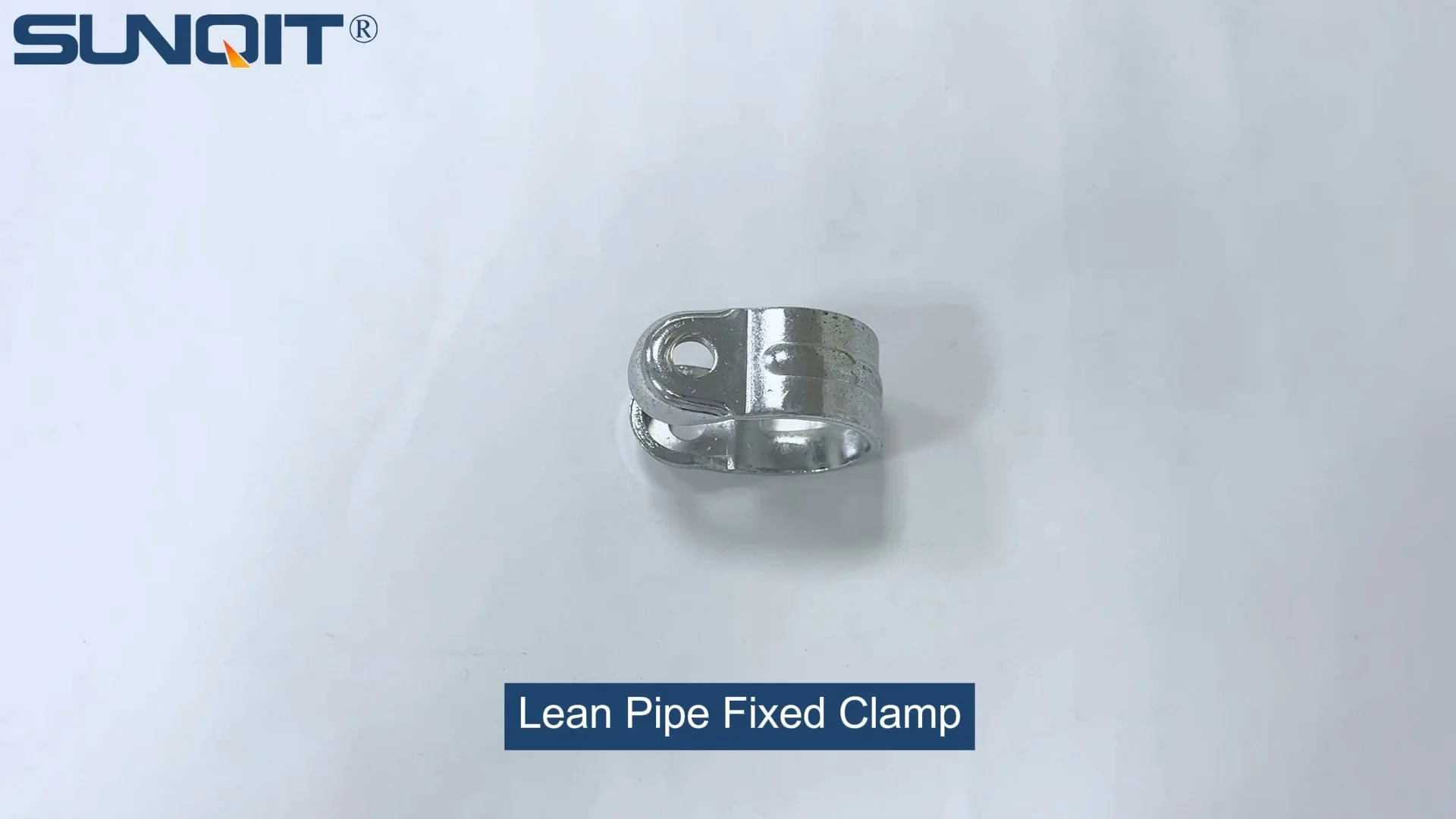
Lean Pipe Fixed Clamp
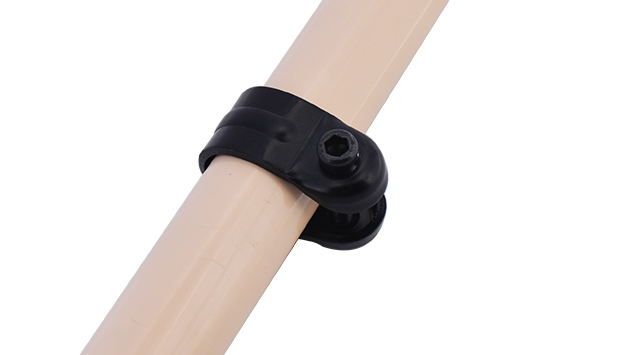
Lean pipe fixed clamp is used for pipe connector fixing the correct position during workbench flow rack hand trolley assemble work.
Walk into any bustling manufacturing plant, a high-tech electronics workshop, or a busy logistics warehouse, and you'll quickly spot the backbone of modern workflow efficiency: lean pipe systems. These unassuming setups—workbenches, material racks, conveyor lines, turnover trolleys—are the silent organizers that keep chaos at bay. But peel back the layers, and you'll find that their reliability hinges on a surprisingly small component: the lean pipe fixed clamp. And within that clamp, there's a detail so critical it can make or break your entire system: the thread type.
It's easy to brush off thread types as trivial. After all, isn't a clamp just a clamp? But ask anyone who's spent hours wrestling with a loose workbench or watched a material rack wobble under load, and they'll tell you: the right thread type isn't a detail—it's the difference between smooth operations and costly downtime. In this guide, we're diving deep into the world of lean pipe fixed clamp threads, breaking down why they matter, which types you'll encounter, and how to choose the perfect fit for your pipes, materials, and workflow needs.
Why Thread Type Matters More Than You Think
Let's start with the basics: a lean pipe fixed clamp's job is simple—hold pipes together securely. But "securely" is subjective. A clamp that works for a lightweight aluminum workbench in a lab might fail miserably on a heavy-duty stainless steel material rack in a factory. The thread type dictates how the clamp grips the pipe, how much torque it can handle, how resistant it is to vibration, and even how easy it is to adjust or disassemble. In short, it's the clamp's "personality"—and you need it to match your system's "personality."
Real-World Impact: Imagine a automotive parts assembly line where a material rack B (3 row and 3 floor) is loaded with heavy engine components. If the clamps holding its vertical pipes use a coarse thread that slips under weight, the rack could tilt, risking damage to parts and injury to workers. On the flip side, a fine thread in that scenario might grip too tightly, making it impossible to reconfigure the rack when production needs change—violating a core principle of lean management: adaptability.
Thread types also play a starring role in longevity. A mismatched thread can lead to stripped pipes, corroded clamps, or threads that seize up over time. In a lean system, where minimizing waste (time, materials, labor) is key, these issues aren't just inconvenient—they're costly. A single seized clamp might take 10 minutes to replace, but multiply that by 50 clamps across a facility, and suddenly you're looking at hours of lost productivity.
Common Thread Types for Lean Pipe Fixed Clamps
Not all threads are created equal. The world of fasteners has standardized around a few key types, each designed for specific applications. When it comes to lean pipe fixed clamps, you'll encounter three main categories: metric, imperial (inch-based), and specialized threads for unique materials like aluminum or stainless steel. Let's break them down.
Metric Threads: The Global Standard
Metric threads are the workhorses of most modern manufacturing, especially in regions like Europe, Asia, and Australia. They're defined by two key measurements: the thread diameter (in millimeters, e.g., M8, M10) and the pitch (the distance between thread peaks, also in millimeters). For example, an M10x1.5 thread has a 10mm diameter and 1.5mm pitch.
In lean pipe systems, the most common metric threads are M6, M8, and M10. Here's why they're popular:
- Universality: Most lean pipe suppliers stock metric clamps, making replacements easy to find.
- Precision: Metric threads are engineered for consistent torque distribution, ideal for aluminum lean pipes and aluminum profile setups where over-tightening can damage softer materials.
- Compatibility: They pair well with standard aluminum pipe accessories, from internal rotary aluminum joints to roller track connectors.
Imperial Threads: Holding On in Traditional Settings
Imperial (inch-based) threads are less common in modern lean systems but still found in older facilities or regions like North America. They're labeled with a diameter (e.g., 1/4", 3/8") and a thread count (threads per inch, TPI). For example, a 1/4"-20 thread has a 1/4" diameter and 20 threads per inch.
While metric is taking over, imperial threads persist in setups using stainless steel pipe series or heavy-duty applications where legacy equipment is still in use. Their coarser pitches (fewer threads per inch) can provide extra grip on rigid materials like 2.0mm stainless steel pipe, making them a favorite for static racks or fixed workbenches that rarely need adjustment.
Coarse vs. Fine Threads: Grip vs. Precision
Within both metric and imperial categories, you'll choose between coarse and fine threads. Coarse threads have fewer threads per inch (or larger pitch), while fine threads have more (or smaller pitch). The difference? Grip and adjustability.
Matching Thread Types to Pipe Materials
Your pipe material is the single biggest factor in choosing a thread type. Lean pipes come in three main flavors—aluminum, stainless steel, and PE-coated steel—and each demands a different approach.
Aluminum Pipes: Fine Threads for Gentle Grip
Aluminum lean pipes are lightweight, corrosion-resistant, and perfect for clean environments like electronics assembly lines (think ESD workbenches or aluminum workbench E setups). But aluminum is also soft—over-tightening a coarse thread can strip the pipe or crush the material, turning a sturdy workbench into a wobbly mess.
That's where fine threads shine. Their smaller pitch distributes torque evenly, reducing the risk of damage. For example, an M8x1.0 fine thread clamp is ideal for a basic aluminum tube or an aluminum guide rail A, providing enough grip to hold a shelf without deforming the pipe. Pair this with aluminum pipe accessories like parallel fixation aluminum pipe joints, and you'll get a setup that's both secure and easy to reconfigure.
Pro Tip: When working with aluminum, always use clamps with coated threads (like zinc-plated or nickel-plated) to prevent galvanic corrosion. Aluminum and uncoated steel can react chemically over time, weakening the joint—fine threads can't fix that!
Stainless Steel Pipes: Coarse Threads for Heavy-Duty Hold
Stainless steel pipe series are the heavyweights of lean systems. Used in industrial settings, food processing, or outdoor applications, they're tough, resistant to rust, and built to handle extreme loads (think material rack B with 3 rows and 3 floors stacked with metal parts).
Stainless steel's hardness calls for coarse threads. A coarse thread (e.g., M10x1.75) bites deeper into the material, creating a stronger bond that resists slipping under heavy weight or vibration. Plus, stainless steel is less prone to stripping, so you can apply more torque without worry. For example, a stainless steel swivel roller balls 1 inch conveyor track mounted on stainless steel pipes will stay put with a coarse-threaded clamp, even when loaded with heavy turnover boxes.
PE-Coated Lean Pipes: Balanced Threads for Protection
PE-coated lean pipes (like 1.5mm or 2.0mm PE coated options) are the chameleons of lean systems—versatile, affordable, and used everywhere from workshops to warehouses. The plastic coating adds a layer of protection (against scratches, corrosion, and even static, in ESD setups), but it also complicates clamping.
Here, you need a thread that grips the steel core without tearing the coating. A medium-coarse thread (e.g., M8x1.25) is usually the sweet spot. It's aggressive enough to hold firm but not so sharp that it slices through the PE layer. For example, a plastic roller track guide rail yellow mounted on a PE-coated pipe will benefit from this balanced approach—secure enough to handle sliding materials, gentle enough to keep the coating intact for years.

Practical Considerations: When to Choose Which Thread
Thread type isn't just about material—it's about how you use your lean system. Let's walk through common scenarios and which threads work best.
Static Setups: Prioritize Strength
If your system rarely moves—think a fixed workbench (workbench E, single deck without casters) or a permanent material rack—coarse threads are your friend. They require less maintenance, resist vibration better, and provide the long-term stability you need. For example, a rack holding heavy tools in a garage workshop will thrive with M10x1.75 coarse threads; you'll tighten them once and forget about them for years.
Adjustable Systems: Fine Threads for Flexibility
Lean systems are all about adaptability. If you're constantly reconfiguring workbenches, adding shelves to racks, or modifying conveyor lines, fine threads are worth the extra effort. Their finer pitch lets you (fine-tune) positions with precision. Imagine a production line that switches between assembling small electronics and larger components—with fine-threaded clamps (like M8x1.0), you can adjust the height of your aluminum workbench K in millimeters, ensuring ergonomic comfort for workers and optimal workflow.
High-Vibration Environments: Coarse Threads for Stay-Put Grip
Factories with heavy machinery, conveyor belts, or pneumatic tools are noisy places—and all that vibration can loosen even the tightest clamps. Coarse threads, with their deeper grooves, "lock" into place better than fine threads. For example, a roller track with stainless steel swivel roller balls 0.5 inch in a busy warehouse will shake with every package that passes through. A coarse-threaded clamp (M10x1.75) will keep that track anchored, while a fine thread might slowly back out over time.
ESD-Sensitive Areas: Material Matters as Much as Thread
In electronics manufacturing, ESD workstations and ESD workbenches are critical for protecting sensitive components from static damage. Here, thread type takes a backseat to material—but it still plays a role. Look for clamps with ESD-safe coatings (like black ESD wheels on 40 steel roller track) and pair them with fine threads. The fine threads ensure a tight, consistent connection, which helps maintain the ESD grounding path—no gaps, no static buildup.

Avoiding Common Thread Type Mistakes
Even seasoned pros make thread-related errors. Here are the pitfalls to watch for:
Mismatching Metric and Imperial
This is the cardinal sin. Trying to force an imperial clamp onto a metric pipe (or vice versa) will strip threads, damage pipes, and leave you with a loose connection. Always check the thread type before buying—most clamps are labeled (e.g., "M8" or "1/4"-20"). If you're unsure, take a clamp to your lean pipe supplier and ask them to confirm compatibility.
Over-Tightening Soft Materials
Aluminum and PE-coated pipes are not stainless steel. Cranking a coarse-threaded clamp down with all your might on an aluminum pipe will crush it, leaving you with a permanently deformed (and useless) section. Use a torque wrench for precision—most aluminum clamps require 15-20 Nm of torque, while stainless steel can handle 25-30 Nm.
Ignoring Environmental Factors
Humidity, chemicals, and temperature swings can corrode threads or cause them to seize. In damp environments (like food processing plants), use stainless steel clamps with coarse threads—they'll resist rust better than plated steel. In dry, dusty areas, lubricate fine threads occasionally to prevent seizing (a drop of machine oil works wonders).
Skimping on Quality
A cheap clamp with poorly cut threads is a disaster waiting to happen. It might seem like a good deal, but uneven threads will grip inconsistently, leading to loose joints. Invest in clamps from a reputable lean pipe supplier—look for threads that are cleanly cut, free of burrs, and evenly spaced. The extra cost will pay off in fewer replacements and less downtime.
The Role of Thread Types in Lean Management
At its core, lean management is about eliminating waste—time, materials, effort. And the right thread type is a quiet contributor to that goal. Think about it:
- Reduced Downtime: A clamp with the right thread type stays tight, so you're not stopping production to retighten loose joints.
- Faster Reconfiguration: Fine threads make adjusting workbenches or racks quick and precise, aligning with the "flexible workflow" ethos of lean systems.
- Longer Lifespan: Matching threads to materials prevents premature wear, so your pipes and clamps last longer—less waste, fewer replacements.
In other words, choosing the right thread type isn't just about mechanics—it's about honoring the principles of dual foundation lean management. It's the small, intentional choices that turn a basic pipe system into a lean, mean, efficiency machine.
Wrapping Up: Your Thread Type Checklist
So, how do you ensure you're choosing the right thread type for your lean pipe fixed clamps? Keep this checklist handy:
- Know Your Pipe Material: Aluminum? Go fine. Stainless steel? Coarse. PE-coated? Medium-coarse.
- Assess Your Workflow: Static setup? Coarse threads. Adjustable? Fine threads. High vibration? Coarse threads.
- Check the Environment: Humid/damp? Stainless steel clamps. Dry? Plated steel is fine.
- Stick to One Standard: Mixing metric and imperial is a recipe for frustration. Pick one and stick with it (metric is usually the safest bet for new systems).
- Buy Quality: Invest in clamps from a trusted lean pipe supplier—you'll avoid stripped threads and uneven gripping.
At the end of the day, lean pipe fixed clamp threads might not be the most glamorous part of your workflow. But they're the unsung heroes that keep your system standing tall, your materials flowing smoothly, and your team focused on what matters: creating great products. So next time you're setting up a workbench, building a material rack, or upgrading your conveyor line, take a moment to consider the thread type. Your future self—swapping out a clamp in 5 minutes instead of 50—will thank you.