- Company Articles
- Products and Technology
- Product knowledge
- Lean Pipe Fixed Clamps: Cost-Effective Solution for Custom Workstations

Lean Pipe Fixed Clamps: Cost-Effective Solution for Custom Workstations
Related Product
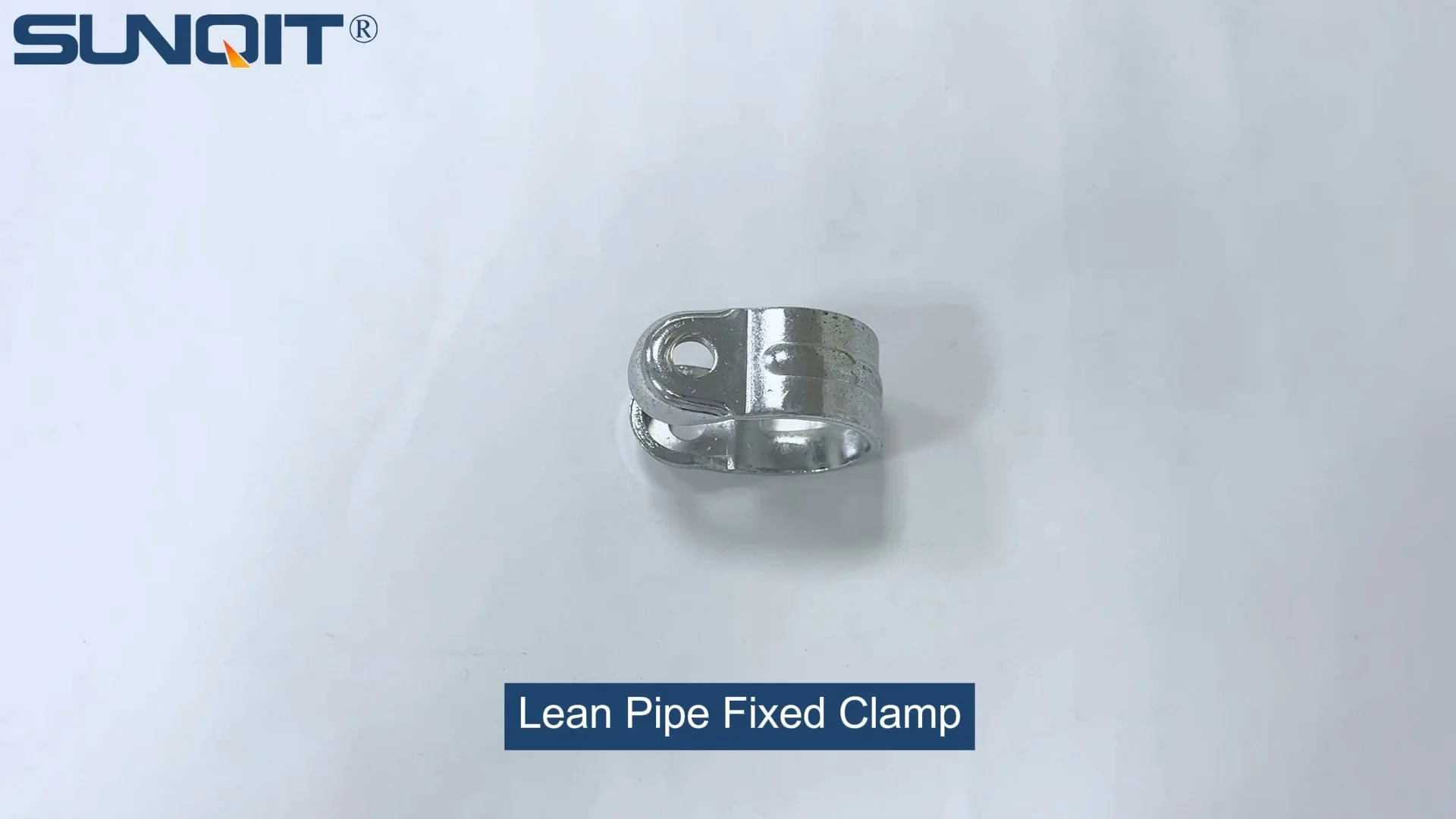
Lean Pipe Fixed Clamp
Lean pipe fixed clamp is used for pipe connector fixing the correct position during workbench flow rack hand trolley assemble work.
The Frustration of Rigid Workstations—And a Better Way Forward
Walk into almost any manufacturing or assembly facility, and you'll likely spot the same problem: workstations that feel like they were designed for a factory from a decade ago. They're too tall for some workers, too short for others. The shelves are either overflowing with tools or awkwardly empty, because the layout doesn't match the current workflow. And if the team needs to reconfigure for a new product? Forget it—those bolted-down, one-size-fits-all structures might as well be permanent fixtures. For small to mid-sized businesses, this rigidity isn't just annoying; it's costly. Time wasted searching for tools, employees straining to reach materials, and the constant need to replace outdated setups adds up fast. But what if there was a way to build workstations that adapt as quickly as your business does? Enter lean pipe fixed clamps —the unsung heroes of flexible, budget-friendly workspace design.
What Are Lean Pipe Fixed Clamps, Anyway?
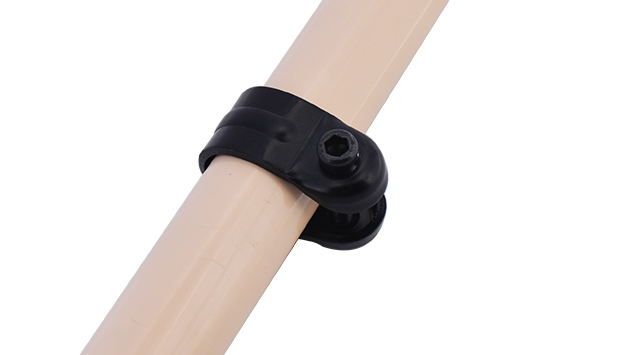
At first glance, lean pipe fixed clamps might seem like simple hardware. But their simplicity is exactly what makes them powerful. These small, sturdy connectors are designed to fasten lean pipes (hollow metal or plastic-coated tubes) together, creating everything from workbenches and material racks to flow racks and assembly lines. Think of them as the "building blocks" of a lean workstation—no welding, no complex tools, just a few twists of a wrench to lock pipes into place.
Most lean pipe fixed clamps are made from durable materials like steel or zinc-plated steel, built to withstand the daily wear and tear of a busy factory floor. They come in various shapes—90-degree angles for corners, straight connectors for extending lengths, and even swivel designs for adjustable joints—to accommodate almost any layout. The magic lies in their versatility: pair them with standard lean pipes (often 28mm or 30mm in diameter), and you can build a workstation that's as unique as your process.
But why "fixed"? Unlike some modular systems that rely on sliding joints (which can loosen over time), these clamps lock pipes securely in place once tightened. That means stability for heavy tools or materials, but with the bonus of being when you need to reconfigure. It's the best of both worlds: a structure that stays put during use but bends to your needs when workflows change.
The Cost-Effective Edge: Why Lean Pipe Fixed Clamps Save More Than Just Money
Lower Upfront Costs (No Welding Required)
Traditional workstations often require custom fabrication: hiring a welder to build steel frames, ordering pre-made shelves that cost a small fortune, or buying expensive modular systems from big-name brands. Lean pipe fixed clamps flip that script. Since they work with standard lean pipes and basic hand tools, you can skip the specialized labor and high material costs. A basic setup—pipes, clamps, and a wooden or metal worktop—can cost a fraction of a pre-built workstation, making it accessible even for businesses on tight budgets.
Flexibility = Long-Term Savings
Here's where the real cost savings kick in: flexibility. Let's say your team launches a new product line that requires a longer assembly area. With a traditional workstation, you'd probably need to buy a whole new setup. With lean pipe fixed clamps? Just loosen the clamps, add a few extra pipes, and reposition the structure. No need to scrap the old system—just repurpose it. Over time, this ability to reconfigure instead of replace can cut equipment costs by 30% or more, according to industry estimates. It's not just about saving money upfront; it's about avoiding unnecessary expenses down the line.
Durability That Outlasts Trends
Don't let their simple design fool you—lean pipe fixed clamps are built to last. High-quality clamps can handle hundreds of pounds of weight, from heavy power tools to stacks of materials. And since they're made from corrosion-resistant materials, they hold up in dusty, humid, or even slightly oily environments (common in automotive or machinery shops). Compare that to flimsy plastic shelving or particleboard worktops that warp or crack after a year of use, and it's clear: lean pipe fixed clamps offer durability that keeps your workspace functional for years, not months.

Customization in Action: Building Workstations That Fit Your Team
The true power of lean pipe fixed clamps lies in their ability to turn a pile of pipes into a workstation that feels like it was designed just for your team. Let's break down how this customization works in real life.
Heights That Keep Workers Comfortable (and Productive)
Ergonomics matter. A workstation that's too high can lead to shoulder strain; too low, and you're looking at back pain. With lean pipe fixed clamps, you can adjust the height of the worktop in increments as small as an inch. Need a standing desk for one employee and a seated setup for another? Just cut the vertical pipes to different lengths and secure them with clamps. No more one-height-fits-none compromises—everyone gets a workspace that keeps them comfortable, which studies show can boost productivity by up to 15%.
Layouts That Match Your Workflow
Imagine you run a small electronics assembly line. Your process starts with sorting components, then moves to soldering, testing, and packaging. With lean pipe fixed clamps, you can build a U-shaped workstation: components on one side, soldering station in the middle, and packaging materials on the other. Add a flow rack (a sloped shelf with rollers) above the worktop, and materials glide down as needed, so workers never have to step away. If next month you switch to a larger component that needs more space? Adjust the flow rack angle or add an extra shelf—no problem.
| Aspect | Traditional Workstations | Lean Pipe Fixed Clamp Workstations |
|---|---|---|
| Initial Cost | High ($1,000–$3,000+ per unit) | Low ($200–$800 per unit) |
| Customization | Limited (pre-set heights/layouts) | Unlimited (adjustable heights, angles, and add-ons) |
| Reconfiguration Time | Days (requires tools/welders) | Hours (just loosen/tighten clamps) |
| Durability | High, but rigid (can't adapt) | High, with long-term adaptability |
| Employee Satisfaction | Often low (poor ergonomics) | High (tailored to worker needs) |

From Chaos to Order: A Real-World Example
How a Small Electronics Shop Cut Costs and Boosted Output
Let's meet Maria, the operations manager at a family-owned electronics manufacturer in Ohio. Her team of 12 assembles circuit boards for medical devices—a process that requires precision, organization, and a workspace that can handle small, delicate components. A year ago, their shop was a mess: workstations were hand-me-downs from a larger factory, with shelves at awkward heights and no clear flow between stations. Employees spent 10–15 minutes per shift just searching for tools, and the team was struggling to keep up with rising demand.
Maria knew they needed a change, but with a tight budget, she couldn't afford to replace all their workstations. That's when she discovered lean pipe fixed clamps through a local lean pipe supplier . She started small: ordering a few packs of clamps, steel lean pipes, and a handful of lean pipe joints (the connectors that add flexibility to angles and rotations). With the help of her team, they built three custom workstations in a weekend. Each had adjustable-height shelves, a flow rack for component trays, and a built-in tool holder—all tailored to the specific tasks of the assemblers.
The results were immediate. Tool search time dropped to less than 2 minutes per shift. Employees reported less strain, and the team could now reconfigure a workstation in 30 minutes when switching between product models. Within six months, output had increased by 20%, and Maria estimates they saved over $10,000 by repurposing their existing pipes and avoiding expensive pre-built setups. "It's like night and day," she says. "We're not just working faster—we're working smarter."
Beyond Clamps: Building a Complete Lean System
Lean pipe fixed clamps are powerful on their own, but they truly shine when paired with other lean tools. Here's how to build a fully integrated system:
Lean Pipes and Joints: The Foundation
Start with high-quality lean pipes—steel is durable for heavy loads, while aluminum is lighter for mobile setups. Pair them with compatible lean pipe joints (swivel, fixed, or adjustable) to add flexibility. For example, a 135-degree joint can create angled shelves for better visibility, while a rotating joint lets workers swing a tool holder into place and lock it when not in use.
Flow Racks and Roller Tracks: Keep Materials Moving
Add roller tracks (like plastic or aluminum guide rails) to your workstations using lean pipe fixed clamps, and you've got instant flow racks. These gravity-fed systems let materials glide from storage to the assembly line, reducing the need for manual lifting. For Maria's team, adding a flow rack above their workbenches meant components were always within arm's reach, cutting down on wasted motion.
Casters for Mobility (When You Need It)
Not every workstation needs to stay put. Attach casters (wheels) to the base of your lean pipe structure using clamp-on caster mounts, and suddenly you've got a mobile cart for transporting materials between stations. It's perfect for small batches or processes that require teamwork across the shop floor.
Choosing the Right Lean Pipe Fixed Clamps (And Avoiding Common Mistakes)
Not all lean pipe fixed clamps are created equal. To get the most out of your investment, keep these tips in mind:
Prioritize Quality Over Price
Cheap clamps might save you a few dollars upfront, but they'll loosen over time, leading to wobbly workstations and safety risks. Look for clamps with sturdy bolts, smooth threading, and a finish that resists rust (like zinc plating). A reputable lean pipe supplier can help you choose the right type for your needs—whether you're building a lightweight cart or a heavy-duty assembly line.
Match Clamps to Pipe Size
Most lean pipes are 28mm or 30mm in diameter, but double-check the measurements before buying clamps. A clamp that's too loose won't hold; one that's too tight could crack the pipe. If you're using a mix of pipe sizes (e.g., 28mm for shelves and 38mm for legs), opt for adjustable clamps that can fit multiple diameters.
Don't Overcomplicate It
One of the biggest mistakes new users make is trying to build overly complex structures. Start simple: a basic workbench with shelves and a flow rack. As your team gets comfortable, you can add more features. Remember, the goal is to make work easier, not to create a engineering project.
The Future of Workstations Is Flexible—And It Starts With Clamps
In a world where manufacturing and assembly needs change faster than ever, rigidity is the enemy. Lean pipe fixed clamps offer a smarter, more human-centered approach: workstations that adapt to your team, not the other way around. They're affordable, durable, and surprisingly easy to use—proving that sometimes the best solutions are the simplest ones.
Whether you're a small shop looking to boost efficiency or a larger facility aiming to cut costs, lean pipe fixed clamps are more than just hardware. They're a tool for empowerment—giving your team the freedom to build the workspace they need to do their best work. And in the end, that's the real cost saver: a team that's happy, healthy, and ready to take on whatever comes next.