- Company Articles
- Products and Technology
- Product knowledge
- Lean Pipe Fixed Clamps for Consumer Electronics Production Lines

Lean Pipe Fixed Clamps for Consumer Electronics Production Lines
Related Product
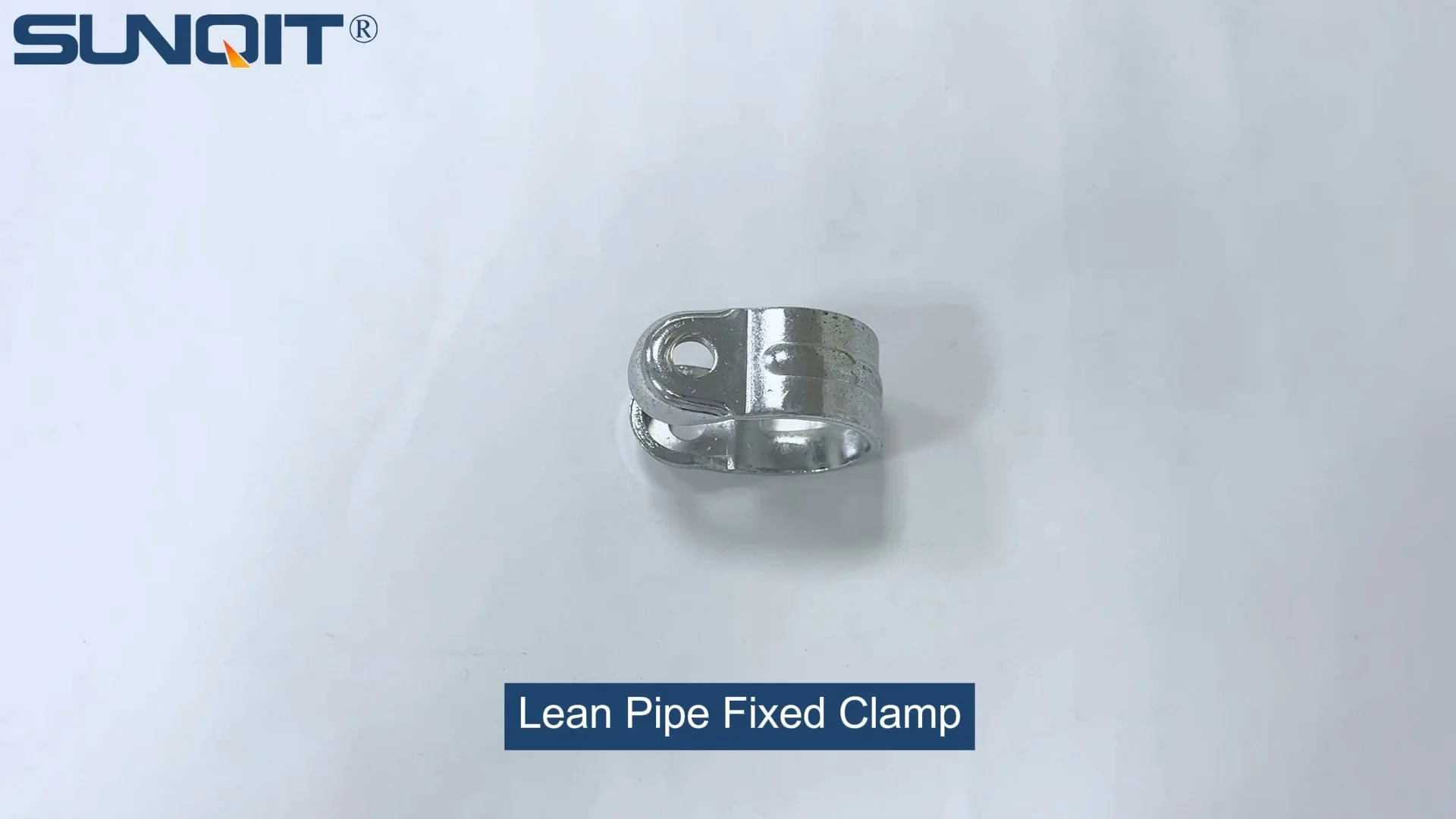
Lean Pipe Fixed Clamp
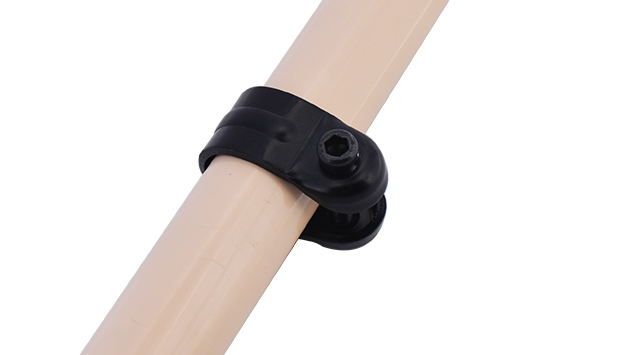
Lean pipe fixed clamp is used for pipe connector fixing the correct position during workbench flow rack hand trolley assemble work.
In the fast-paced world of consumer electronics, where new smartphones, wearables, and smart home devices hit the market every few months, manufacturers face an unrelenting pressure to innovate, cut costs, and accelerate production. Behind every sleek gadget lies a complex web of assembly lines, workstations, and material flow systems—all of which must operate with pinpoint precision to meet tight deadlines and quality standards. One often-overlooked hero in this ecosystem? The lean pipe fixed clamp . These small but mighty components are the glue that holds lean manufacturing systems together, enabling the flexibility, durability, and efficiency that modern electronics production demands.
Consumer electronics manufacturing is a high-stakes game. A single delay in production can mean missing a product launch window; a tiny flaw in assembly can render a $1,000 device useless. This is where lean principles come into play—streamlining processes, eliminating waste, and optimizing workflows to keep operations lean and agile. And at the heart of many lean systems are lean pipes (also called "lean tubes") and their accompanying clamps, joints, and accessories. Among these, the lean pipe fixed clamp stands out as a critical component, ensuring that structures like workbenches, flow racks, and ESD workstations remain stable, adjustable, and ready to adapt to evolving production needs.
The Backbone of Lean Systems: What Are Lean Pipe Fixed Clamps?
At first glance, a lean pipe fixed clamp might seem unremarkable—a simple metal or plastic device designed to connect two lean pipes. But its role in manufacturing is anything but trivial. Lean pipe fixed clamps are mechanical fasteners engineered to secure lean pipes (typically aluminum, steel, or stainless steel tubes) to one another or to other components like joints, brackets, or workbench surfaces. Unlike temporary fasteners or adhesives, these clamps provide a semi-permanent connection that is strong enough to support tools, materials, and even heavy equipment, yet adjustable enough to reconfigure when production lines need to shift for new product models.
Most lean pipe fixed clamps consist of two main parts: a clamping body (often made of die-cast aluminum, steel, or reinforced plastic) and a tightening mechanism (usually a screw, lever, or bolt). When installed, the clamp wraps around the outer diameter of the lean pipe, and the tightening mechanism applies pressure to create a secure grip. Some clamps are designed with rubber or plastic liners to protect the pipe surface or enhance friction, while others feature conductive materials to dissipate static electricity—critical for electronics production.
What makes these clamps so valuable in consumer electronics manufacturing is their versatility. They can be used to build everything from simple material racks to complex assembly workstations, and they work with a variety of pipe materials, including traditional steel pipes, lightweight aluminum pipes, and even ESD-safe coated pipes. Whether you're constructing a lean pipe workbench for smartphone assembly or a flow rack for transporting circuit boards, lean pipe fixed clamps ensure that the structure stays rigid under load while still allowing for quick modifications when needed.
Why Consumer Electronics Demands Specialized Clamping Solutions
Consumer electronics production isn't like assembling furniture or packaging goods. It involves handling delicate components—microchips smaller than a grain of rice, thin-film displays that shatter at the slightest pressure, and circuit boards sensitive to static electricity. These components require specialized environments and equipment, and the tools used to build production systems must rise to the challenge. Here's why standard clamps won't cut it, and why lean pipe fixed clamps are tailored to meet these unique needs:
Precision in Every Connection
In electronics manufacturing, even a millimeter of misalignment can cause problems. For example, a lean pipe workbench used to assemble laptop motherboards must keep tools and components at a consistent height and angle to prevent strain on workers and ensure accurate soldering. A loose or ill-fitting clamp could cause the workbench to wobble, leading to misaligned solder joints or damaged components. Lean pipe fixed clamps are designed to hold pipes in place with minimal play, ensuring that structures remain stable even during repetitive tasks like screwdriving or component placement.
ESD Safety: Protecting Sensitive Electronics
Electrostatic discharge (ESD) is a silent killer in electronics production. A static charge as small as 30 volts can damage a sensitive integrated circuit (IC), while a charge of 1,000 volts—barely enough to feel a shock—can destroy a microchip entirely. To combat this, production areas often use ESD workstations equipped with grounded surfaces, anti-static mats, and conductive tools. Lean pipe fixed clamps play a role here too: many are made with conductive materials (like aluminum or steel with conductive coatings) that help dissipate static electricity, preventing it from building up on the structure and transferring to components. This is especially critical for clamps used in ESD workstations, where even a single static discharge can result in costly defects.
Flexibility for High-Mix, Low-Volume Production
Consumer electronics manufacturers rarely produce just one product. A factory might assemble smartwatches in the morning, wireless earbuds in the afternoon, and fitness trackers overnight. Each product has different assembly requirements—different tool layouts, different material flow paths, and different workstation configurations. Lean pipe fixed clamps enable quick reconfiguration: a few screws, adjust the pipes, and retighten the clamps to transform a smartwatch assembly station into one for earbuds. This flexibility reduces downtime between production runs and allows manufacturers to respond quickly to shifting market demands.
Key Applications: How Lean Pipe Fixed Clamps Transform Production Lines
Lean pipe fixed clamps aren't just for holding pipes together—they're integral to building the systems that power electronics production. Let's explore three critical applications where these clamps shine, and how they contribute to smoother, more efficient workflows.
1. Lean Pipe Workbenches: The Heart of Assembly
The lean pipe workbench is the most iconic structure in lean manufacturing—and lean pipe fixed clamps are what make it functional. These workbenches are used for everything from assembling PCBs to testing finished devices, and they need to be customizable, ergonomic, and durable. Fixed clamps secure the pipes that form the workbench's frame, as well as accessories like tool holders, monitor arms, and component bins.
Consider a workbench used to assemble smartphone cameras. The camera module is a delicate component, requiring workers to handle it with precision. The workbench must have a stable surface, adjustable height (to accommodate workers of different sizes), and built-in storage for small parts like lenses and sensors. Lean pipe fixed clamps allow the frame to be adjusted to the perfect height, while also securing accessory brackets that hold magnifying glasses or LED lights. If the factory switches to a new camera model with different dimensions, the clamps can be loosened, the pipes repositioned, and the clamps retightened—no need to replace the entire workbench.
In addition to adjustability, fixed clamps ensure the workbench can support heavy loads. A typical electronics workbench might hold a 50-pound testing machine, a 20-pound tool cart, and various components. The clamps distribute the weight evenly across the frame, preventing sagging or instability over time. This is especially important for long production runs, where the workbench is in constant use.
2. ESD Workstations: Guarding Against Static Damage
As mentioned earlier, ESD is a major risk in electronics manufacturing. ESD workstations are designed to mitigate this risk by grounding all surfaces and tools, preventing static buildup. Lean pipe fixed clamps are essential here because they ensure that the workstation's frame—often made of aluminum or steel pipes—remains grounded. Many ESD clamps are made with conductive materials that form a continuous ground path from the pipes to the floor, dissipating any static charge before it can reach components.
For example, a workstation used to assemble tablet motherboards might have a metal frame held together with conductive lean pipe fixed clamps. The clamps are connected to a grounding wire, which runs to a grounding rod in the floor. When a worker places a motherboard on the workstation, any static charge on the frame is immediately dissipated, protecting the sensitive ICs on the board. Without these clamps, the frame could become a static generator, putting every component at risk.
ESD clamps also play a role in maintaining the integrity of the workstation over time. Unlike plastic clamps, which can degrade or lose conductivity with wear, metal clamps (like those made from aluminum or stainless steel) retain their conductive properties, ensuring long-term ESD protection. This is critical for manufacturers who need to comply with strict ESD standards like ANSI/ESDA S20.20, which requires ongoing testing and validation of ESD control measures.
3. Flow Racks: Streamlining Material Flow
In electronics production, time is money—and nowhere is this truer than in material handling. Flow racks (also called "flow shelves") are used to store and transport components like PCBs, batteries, and casings from one workstation to the next. They rely on gravity to move materials along roller tracks, reducing the need for manual lifting and cutting down on picking time. Lean pipe fixed clamps are essential for building these racks, as they secure the roller tracks, guide rails, and support beams in place.
Imagine a flow rack used to supply batteries to a smartphone assembly line. The rack has multiple levels, each holding stacks of battery packs. As workers take batteries from the front of the rack, gravity pulls the remaining packs forward, ensuring a steady supply. The roller tracks that enable this flow are mounted to aluminum or steel pipes, which are secured to the rack's frame with lean pipe fixed clamps. The clamps ensure that the tracks are aligned at a precise angle (usually 5-10 degrees) to control the speed of the batteries—too steep, and the batteries might slide too fast and damage connectors; too shallow, and they might get stuck.
Flow racks also need to be adaptable. If a new battery design is taller or heavier, the clamps can be adjusted to reposition the tracks or add reinforcement beams. This adaptability is key in electronics manufacturing, where component sizes and weights can change with each product generation.
| Production System | Role of Lean Pipe Fixed Clamps | Impact on Consumer Electronics Manufacturing |
|---|---|---|
| Lean Pipe Workbench | Secure frame pipes, tool holders, and height-adjustable components; distribute weight evenly. | Customizable workspaces reduce worker fatigue and errors; quick reconfiguration for new product models. |
| ESD Workstation | Maintain conductive pathways for grounding; hold anti-static mats and grounded tool hooks. | Reduces ESD-related defects by up to 90%; ensures compliance with industry safety standards (e.g., ANSI/ESDA S20.20). |
| Flow Rack | Anchor roller tracks and guide rails; maintain precise angles for gravity-fed material flow. | Speeds up material delivery by 30-40%; minimizes manual handling and reduces picking errors. |

Materials Matter: Choosing the Right Clamp for the Job
Not all lean pipe fixed clamps are created equal. The material they're made from directly impacts their performance, durability, and suitability for specific applications. In consumer electronics manufacturing, three materials are most common: steel, aluminum, and reinforced plastic. Each has its strengths, but aluminum—often paired with aluminum profile pipes—stands out for its unique combination of properties.
Aluminum: Lightweight, Conductive, and Corrosion-Resistant
Aluminum lean pipe fixed clamps are a favorite in electronics factories for several reasons. First, aluminum is lightweight, making it easier to handle during installation and reconfiguration. This is a big plus when workers need to adjust a lean pipe workbench or flow rack—lighter clamps mean less physical strain. Second, aluminum is naturally conductive, which is critical for ESD workstations: it helps dissipate static electricity, reducing the risk of damage to components. Third, aluminum resists corrosion, making it ideal for cleanrooms or factories with strict hygiene standards (like those producing medical electronics).
Aluminum clamps also pair well with aluminum profile pipes, which are becoming increasingly popular in lean systems. Aluminum profiles have T-slots along their length, allowing clamps and accessories to be attached without drilling or welding. This makes assembly faster and more flexible—perfect for dynamic production lines.
Steel: Heavy-Duty Strength for High Loads
Steel clamps are the go-to choice for applications that require maximum strength. If a flow rack is supporting heavy components like laptop batteries or TV screens, steel clamps can handle the weight without bending or deforming. However, steel is heavier than aluminum, which can make reconfiguration more difficult. It's also prone to rust if not coated, which is a drawback in humid environments. For most electronics applications, where loads are moderate and flexibility is key, aluminum clamps are preferable—but steel still has a place in specialized heavy-duty systems.
Reinforced Plastic: Cost-Effective and Non-Conductive
Plastic clamps are the most budget-friendly option, and they're non-conductive (which can be an advantage in non-ESD areas). However, they're less durable than metal clamps and can degrade over time when exposed to chemicals or UV light. They're best suited for temporary structures or low-load applications, like lightweight component bins, rather than permanent workbenches or flow racks.

The Tangible Benefits of Lean Pipe Fixed Clamps in Electronics Production
It's easy to dismiss small components like clamps as insignificant, but their impact on production efficiency and cost savings is anything but. For consumer electronics manufacturers, integrating lean pipe fixed clamps into their systems delivers a host of tangible benefits:
Reduced Downtime During Reconfiguration
In a factory producing multiple device models, reconfiguring workstations between runs is inevitable. With traditional fixed structures (like welded steel frames), this can take hours or even days. With lean pipe fixed clamps, it takes minutes: loosen the clamps, adjust the pipes, retighten, and you're ready to go. This reduces downtime by up to 80%, allowing factories to produce more products in less time.
Lower Costs Over Time
Lean pipe systems are often cheaper to install than traditional welded structures, but the real savings come from their longevity. Instead of replacing an entire workbench when a new product is introduced, manufacturers can simply reconfigure the existing one using the same pipes and clamps. This "build once, adapt forever" model reduces capital expenditure and waste, aligning with sustainability goals.
Improved Ergonomics and Worker Satisfaction
Ergonomic workstations reduce worker fatigue, which in turn reduces errors and turnover. Lean pipe fixed clamps enable precise adjustments to workbench height, tool placement, and seating, ensuring that workers can perform tasks comfortably. Happy, healthy workers are more productive—and in electronics manufacturing, where precision is critical, this translates directly to better quality products.
Enhanced Quality Control
Stable, well-configured workstations and flow racks reduce the risk of errors. A wobbling lean pipe workbench might lead to misaligned solder joints; a poorly secured flow rack might cause components to jostle and become damaged. Lean pipe fixed clamps ensure that structures remain stable and consistent, minimizing defects and reducing the need for rework.
Installation and Maintenance: Getting the Most Out of Your Clamps
To maximize the benefits of lean pipe fixed clamps, proper installation and maintenance are key. Here are some best practices to ensure your clamps perform reliably for years:
Follow Torque Specifications
Over-tightening clamps can strip threads or damage pipes, while under-tightening can lead to loose structures. Most clamp manufacturers provide torque specifications (usually in inch-pounds or Newton-meters) for their products. Use a torque wrench to ensure clamps are tightened to the recommended level—this is especially important for ESD workstations, where consistent grounding depends on proper contact between clamps and pipes.
Inspect Regularly for Wear
Over time, clamp components like screws, washers, and liners can wear out. Inspect clamps monthly for signs of damage: stripped threads, cracked plastic liners, or rust (on steel clamps). replace worn parts promptly to prevent structural failures. In high-use areas like assembly lines, consider a preventive maintenance schedule where clamps are checked and tightened weekly.
Use Compatible Pipes and Accessories
Not all clamps work with all pipes. For example, a clamp designed for 28mm steel pipes might not fit a 30mm aluminum profile pipe. Using mismatched components can lead to loose connections or damage. Always check that clamps, pipes, and joints are from the same manufacturer or are explicitly rated as compatible.
Case Study: How a Smartphone Manufacturer Boosted Efficiency with Lean Pipe Fixed Clamps
To put these benefits into perspective, let's look at a hypothetical case study of a mid-sized smartphone manufacturer, "Echo Electronics," that implemented lean pipe fixed clamps in its production line. Prior to using lean systems, Echo faced several challenges:
-
Static Damage: 12% of finished smartphones failed testing due to ESD-related defects in the PCB assembly stage.
-
Slow Reconfiguration: Switching between smartphone models required 8 hours of downtime to reconfigure workstations.
-
Worker Fatigue: Fixed-height workbenches led to increased reports of back and shoulder pain among assembly line workers.
Echo's solution? A complete overhaul of its assembly area using lean pipe systems, with a focus on lean pipe fixed clamps , ESD workstations , and adjustable lean pipe workbenches . Here's what happened after implementation:
Reduced ESD Defects by 85%
By switching to aluminum lean pipe fixed clamps and ESD-compliant workstations, Echo created a grounded environment that dissipated static electricity. The clamps ensured that all surfaces—from workbench frames to tool holders—were conductive and connected to the factory's grounding system. Within three months, ESD-related defects dropped from 12% to just 1.8%, saving the company over $500,000 annually in rework and scrap costs.
Cut Reconfiguration Time to 45 Minutes
Echo's old workstations were built with welded steel frames, which required cutting and rewelding to adjust. The new lean pipe workbenches, secured with fixed clamps, could be reconfigured in under an hour. When the company launched a new smartphone model with a larger screen, workers simply loosened the clamps, adjusted the workbench height and tool positions, and retightened—no special tools or welding required. This reduced downtime between production runs by 92%, allowing Echo to increase its monthly output by 15%.
Improved Worker Satisfaction and Productivity
Adjustable workbenches, made possible by lean pipe fixed clamps, allowed workers to set their stations to ergonomic heights. Within six months, reports of back and shoulder pain dropped by 60%, and worker turnover decreased by 25%. Productivity also improved: with more comfortable workspaces and easier access to tools, assembly time per smartphone fell by 8%, increasing daily production by 300 units.
Future Trends: What's Next for Lean Pipe Fixed Clamps?
As consumer electronics manufacturing continues to evolve, so too will the tools that support it. Here are a few trends shaping the future of lean pipe fixed clamps:
Smart Clamps with Built-In Sensors
The rise of Industry 4.0 is bringing "smart" technology to even the most basic components. Future lean pipe fixed clamps might include embedded sensors that monitor clamping force, temperature, or vibration. If a clamp loosens or a pipe starts to bend, the sensor could send an alert to maintenance staff, preventing failures before they occur. This would be especially valuable in high-stakes areas like semiconductor manufacturing, where unplanned downtime is extremely costly.
Sustainable Materials and Recycling
As manufacturers strive to reduce their environmental footprint, there's growing demand for sustainable lean components. Aluminum clamps are already recyclable, but future iterations might use recycled aluminum or bio-based plastics. Some companies are also exploring modular clamp designs that allow individual components (like screws or liners) to be replaced, extending the clamp's lifespan and reducing waste.
Integration with Automation
Collaborative robots ("cobots") are becoming more common in electronics production, working alongside human workers to perform repetitive tasks. Lean pipe fixed clamps could play a role in building cobot workstations, securing robot mounts, safety barriers, and tool changers. Clamps with quick-release mechanisms might even allow cobots to reconfigure workstations autonomously, further reducing downtime between production runs.
Conclusion: Small Clamps, Big Impact on Production Excellence
In the world of consumer electronics manufacturing, where every second and every component counts, the lean pipe fixed clamp is more than just a fastener—it's a catalyst for efficiency, flexibility, and quality. Whether securing a lean pipe workbench , grounding an ESD workstation , or anchoring a flow rack , these small components enable the lean systems that keep production lines running smoothly and adaptively.
As manufacturers face increasing pressure to innovate and deliver products faster, the importance of lean tools like fixed clamps will only grow. By investing in high-quality clamps, following best practices for installation and maintenance, and staying ahead of trends like smart sensors and sustainable materials, electronics producers can build production lines that are not just lean, but resilient—ready to tackle whatever the future of consumer electronics throws their way.
So the next time you pick up a smartphone or put on a smartwatch, take a moment to appreciate the unseen heroes behind it: the lean pipe fixed clamps that helped bring it to life.