- Company Articles
- Products and Technology
- Product knowledge
- Lean Pipe Fixed Clamps for Conveyor Systems: Stability in Material Handling

Lean Pipe Fixed Clamps for Conveyor Systems: Stability in Material Handling
Related Product
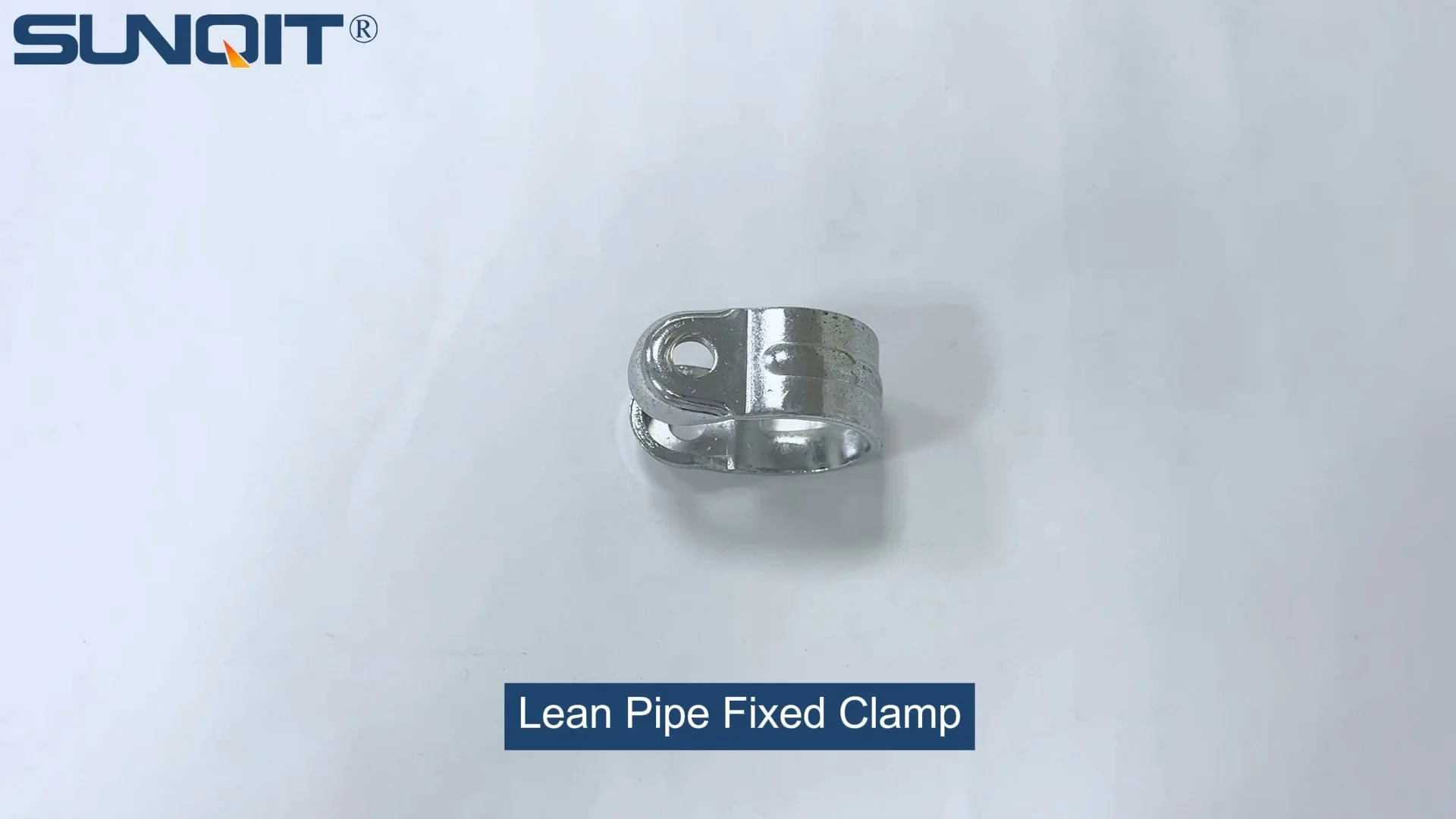
Lean Pipe Fixed Clamp
Lean pipe fixed clamp is used for pipe connector fixing the correct position during workbench flow rack hand trolley assemble work.
In the fast-paced world of manufacturing, logistics, and warehousing, the smooth flow of materials is the lifeblood of operations. Every delay, jam, or breakdown in a conveyor system can ripple through an entire production line, causing missed deadlines, increased costs, and frustrated teams. At the heart of preventing these disruptions lies a seemingly small but critical component: the lean pipe fixed clamp. Often overlooked amid the larger machinery and complex workflows, these unassuming hardware pieces are the silent guardians of stability, ensuring that conveyor systems remain robust, aligned, and reliable—even when tasked with moving heavy loads day in and day out.
In this article, we'll dive deep into the world of lean pipe fixed clamps, exploring their design, functionality, and indispensable role in conveyor systems. We'll uncover how they work alongside other components like lean pipe joints and roller tracks to create cohesive, efficient lean systems, and why investing in high-quality clamps is one of the smartest decisions a facility manager can make. Whether you're setting up a new conveyor line or looking to upgrade an existing one, understanding the value of these clamps will help you build a material handling system that's not just efficient, but built to last.
What Are Lean Pipe Fixed Clamps?
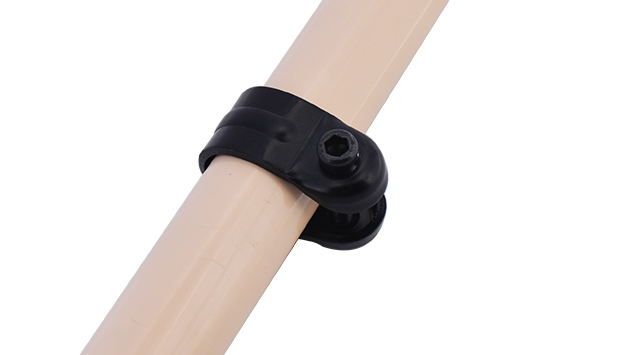
Let's start with the basics: What exactly is a lean pipe fixed clamp? At its core, it's a specialized hardware component designed to secure lean pipes—hollow tubes made of steel, aluminum, or stainless steel—to other structural elements in a conveyor system. Think of it as a heavy-duty "lock" that holds pipes, joints, tracks, and workbenches together, preventing movement, shifting, or separation under stress. Unlike temporary fasteners or adhesives, lean pipe fixed clamps are engineered for long-term stability, even in high-vibration environments where materials are constantly moving.
Most lean pipe fixed clamps share a simple but effective design: a metal (often steel or stainless steel) bracket with a clamping mechanism, typically a screw or bolt, that tightens around the lean pipe. The clamp itself may have pre-drilled holes or slots to attach to other components, such as roller tracks, workbench frames, or lean pipe joints. Some clamps are coated in plastic or rubber to protect the pipe from scratches, reduce noise, or provide electrostatic discharge (ESD) protection—critical in industries like electronics manufacturing where static electricity can damage sensitive components.
What sets these clamps apart from generic pipe clamps is their compatibility with lean manufacturing principles. Lean systems prioritize flexibility, efficiency, and waste reduction, and lean pipe fixed clamps are no exception. They're designed to be easy to install, adjust, and reconfigure, allowing teams to modify conveyor layouts quickly as production needs change. This adaptability is key in modern facilities, where product lines evolve rapidly and downtime for retooling is costly.
The Critical Role of Lean Pipe Fixed Clamps in Conveyor Systems
Conveyor systems are complex networks of moving parts: pipes, rollers, tracks, motors, and controls. For them to work seamlessly, every component must stay in its intended position. Even a small shift in a pipe or track can cause materials to jam, rollers to bind, or the entire system to vibrate excessively. This is where lean pipe fixed clamps step in—they're the "glue" that keeps the system rigid and aligned.
Consider a typical conveyor section used to transport boxes in a warehouse. The structure might consist of aluminum lean pipes connected by 90-degree lean pipe joints to form a frame, with roller tracks mounted along the pipes to guide the boxes. Without fixed clamps, the pipes could gradually pull away from the joints due to the weight of the boxes and the vibration of the moving rollers. Over time, the frame would sag, the roller track would misalign, and boxes would start to get stuck or tip over. A single clamp securing each pipe-joint connection prevents this by locking the pipe in place, ensuring the frame remains level and the track stays straight.
But their role isn't just about preventing movement—it's also about distributing stress. When a heavy load moves along a conveyor, the pipes and joints bear the weight. A well-placed lean pipe fixed clamp acts as a reinforcement, spreading the load across the connection point and reducing the strain on individual components. This not only extends the life of the system but also minimizes the risk of sudden failures that could lead to accidents or damaged goods.
Key Features of High-Quality Lean Pipe Fixed Clamps
Not all lean pipe fixed clamps are created equal. A cheap, poorly made clamp might save you money upfront, but it will cost you dearly in downtime, repairs, and replacements down the line. So, what should you look for when choosing clamps for your conveyor system? Here are the most important features to consider:
1. Durability
The best clamps are built to withstand the rigors of industrial use. They're made from high-strength materials like carbon steel or stainless steel, which resist bending, warping, and corrosion. Look for clamps with a high tensile strength rating—this indicates how much force they can withstand before breaking. For heavy-duty applications, such as moving automotive parts or large pallets, opt for clamps with reinforced brackets or thicker metal gauges.
2. Secure Grip
A clamp is only as good as its grip. The clamping mechanism should create a tight, non-slip hold on the lean pipe, even when exposed to vibration or temperature changes. Many high-quality clamps use serrated jaws or rubberized liners to increase friction, preventing the pipe from slipping. The tightening screw or bolt should have a sturdy head (like a hex or Phillips head) that's easy to grip with tools, ensuring you can apply enough torque to secure the clamp properly.
3. Compatibility
Conveyor systems use lean pipes of different diameters (common sizes include 28mm, 30mm, or 40mm), and clamps must match the pipe size to work effectively. A clamp that's too loose will slide; one that's too tight may damage the pipe or strip the threads. Additionally, clamps should be compatible with other components in your system, such as lean pipe joints, roller tracks, and workbench frames. Reputable suppliers will provide specifications on which clamps work with which pipes and joints, so always check these details before purchasing.
4. Ease of Installation and Adjustment
In lean environments, time is money. Clamps that require special tools or complicated assembly will slow down setup and reconfiguration. Look for clamps that can be installed with standard wrenches or screwdrivers, and that allow for minor adjustments (like rotating the clamp slightly) after tightening. Some clamps even feature quick-release mechanisms, making them ideal for systems that need frequent modifications.
5. Resistance to Environmental Factors
Your facility's environment will dictate additional features. For example, if your conveyor is in a humid or corrosive setting (like a food processing plant or coastal warehouse), stainless steel clamps with anti-rust coatings are a must. In cleanrooms or electronics facilities, ESD-safe clamps with conductive coatings will prevent static buildup. Outdoor conveyors may need UV-resistant clamps to withstand sunlight and temperature extremes.

Working in Harmony: Lean Pipe Fixed Clamps, Joints, and Roller Tracks
Lean pipe fixed clamps rarely work alone. They're part of a larger ecosystem of components that together form a functional conveyor system. Two of their closest partners are lean pipe joints and roller tracks—and understanding how these components interact is key to building a stable, efficient setup.
Lean pipe joints are the "elbows" and "tees" of the system, allowing pipes to connect at angles (90 degrees, 45 degrees, etc.) or branch off into multiple directions. While joints provide the structural connection, lean pipe fixed clamps add an extra layer of security. For example, a 90-degree lean pipe joint might connect a horizontal pipe to a vertical support, but without a clamp, the joint could loosen over time as the horizontal pipe sags under load. A fixed clamp at the joint-pipe interface locks the connection, ensuring the joint stays tight and the structure remains vertical.
Roller tracks, on the other hand, are the "conveyor belts" of the system—they're the rails along which materials slide or roll. These tracks are typically mounted to the lean pipe frame using, you guessed it, lean pipe fixed clamps. The clamps secure the track to the pipes, keeping it level and aligned. If a track becomes misaligned, even by a few millimeters, materials can catch on the edges, causing jams. By firmly attaching the track to the frame, clamps prevent this misalignment, ensuring smooth, consistent movement of goods.
To illustrate how these components work together, let's walk through a simple conveyor section: Imagine a 10-foot-long conveyor used to move small boxes from a packing station to a shipping area. The frame is built with 30mm aluminum lean pipes connected by 90-degree lean pipe joints to form a rectangular structure. Along the top of the frame, a plastic roller track (yellow, to match the facility's color-coding) is mounted. Lean pipe fixed clamps are used at every pipe-joint connection to secure the frame, and additional clamps attach the roller track to the top pipes. As boxes move along the track, the clamps ensure the frame doesn't flex, the track doesn't shift, and the joints don't loosen—all critical for keeping the boxes moving forward without issues.

The Benefits of Investing in Quality Lean Pipe Fixed Clamps
It's easy to view lean pipe fixed clamps as a "small" expense in the grand scheme of a conveyor system, but their impact on operations is anything but small. Here are the top benefits of choosing high-quality clamps:
1. Reduced Downtime
Loose or broken clamps are a leading cause of conveyor breakdowns. When a clamp fails, pipes can shift, tracks can misalign, and rollers can jam—all of which bring the system to a halt. Repairing these issues takes time: technicians must locate the problem, source replacement parts, and fix the connection. High-quality clamps rarely fail, minimizing unplanned downtime and keeping production on schedule.
2. Improved Safety
A unstable conveyor system is a safety hazard. Shifting pipes can cause materials to fall, injuring workers or damaging equipment. Misaligned tracks can lead to boxes tipping over, creating trip hazards. By keeping all components secure, lean pipe fixed clamps reduce the risk of accidents, protecting your team and your bottom line (workers' compensation claims and equipment repairs are costly!).
3. Lower Long-Term Costs
While premium clamps may cost more upfront than generic alternatives, they save money over time. Cheap clamps wear out quickly, requiring frequent replacements. They also increase the risk of damage to other components (like pipes or tracks) when they fail, leading to more expensive repairs. High-quality clamps, on the other hand, last for years, reducing replacement costs and protecting your investment in the conveyor system.
4. Enhanced Efficiency
A stable conveyor system moves materials faster and more reliably. When goods flow smoothly from one station to the next, workers spend less time fixing jams and more time on value-added tasks (like packing, assembling, or inspecting products). This increased efficiency translates to higher output, shorter lead times, and happier customers.
5. Flexibility for Future Growth
As your business grows, your conveyor system may need to expand or reconfigure. High-quality lean pipe fixed clamps are easy to remove and reinstall, allowing you to modify the system without replacing entire sections. This flexibility is crucial for adapting to new product lines, increased production volumes, or changes in workflow—all without the expense of building a new system from scratch.
Choosing the Right Lean Pipe Fixed Clamp for Your Needs
With so many options on the market, selecting the right lean pipe fixed clamp can feel overwhelming. To simplify the process, start by answering these key questions:
What's the Load Capacity?
How much weight will the conveyor carry? A system moving lightweight electronics components will need different clamps than one transporting heavy machinery parts. Check the clamp's load rating (usually listed in kilograms or pounds) and ensure it exceeds the maximum weight your conveyor will handle. When in doubt, err on the side of a higher load rating—overloading a clamp is a common cause of failure.
What's the Pipe Diameter?
As mentioned earlier, clamps must match the diameter of your lean pipes. Measure your pipes (or check the specifications from your lean pipe supplier) and choose clamps designed for that size. Mixing sizes is a recipe for instability.
What's the Environment?
Consider factors like moisture, temperature, chemicals, and static electricity. For wet or corrosive environments, stainless steel clamps are best. For ESD-sensitive areas, look for clamps with ESD coatings. For high-temperature zones (like near ovens or furnaces), heat-resistant materials may be necessary.
Who's the Supplier?
Not all suppliers are created equal. Choose a reputable lean pipe supplier with a track record of providing high-quality components. Look for suppliers that offer technical support, warranty coverage, and detailed product specifications. A good supplier will help you select the right clamps for your system and answer any questions you have about installation or maintenance.
To help you compare options, here's a table outlining two common types of lean pipe fixed clamps and their ideal applications:
| Clamp Type | Material | Load Capacity (Max) | Best For | Key Features |
|---|---|---|---|---|
| Standard Steel Fixed Clamp | Carbon Steel (Zinc-Plated) | 50 kg per clamp | General-purpose conveyor systems, dry environments, light to medium loads | Cost-effective, easy to install, compatible with most lean pipes and joints |
| Heavy-Duty Stainless Steel Clamp | 304 Stainless Steel | 150 kg per clamp | Heavy loads, wet/corrosive environments (food processing, marine), ESD-sensitive areas | Corrosion-resistant, high tensile strength, rubberized grip for non-slip hold |
Maintenance Tips to Extend the Life of Your Lean Pipe Fixed Clamps
Even the best clamps need a little care to stay in top shape. Regular maintenance will extend their lifespan and ensure they continue to secure your conveyor system effectively. Here are some simple tips:
1. Inspect Regularly
Make clamp inspections part of your routine maintenance schedule. Check for signs of wear, such as rust, bent brackets, stripped threads, or loose screws. Pay extra attention to clamps in high-stress areas (like near motors or where the conveyor changes direction), as these are more likely to wear out first.
2. Tighten Loose Clamps
Vibration from moving materials can loosen clamp screws over time. Use a wrench or screwdriver to tighten any loose clamps during inspections. Be careful not to overtighten—this can damage the pipe or strip the threads.
3. Clean and Lubricate
Dirt, dust, and debris can accumulate in the clamping mechanism, making it harder to tighten or loosen the clamp. Wipe clamps clean with a dry cloth regularly. For clamps with moving parts (like quick-release mechanisms), apply a small amount of lubricant (like silicone spray) to keep them operating smoothly.
4. replace Damaged Clamps Immediately
If a clamp is bent, cracked, or has stripped threads, replace it right away. A damaged clamp can't provide the stability your conveyor needs, and waiting to replace it increases the risk of system failure.
Conclusion: The Unsung Heroes of Stable Conveyor Systems
In the world of material handling, stability is everything. A conveyor system that wobbles, shifts, or breaks down is more than an inconvenience—it's a threat to productivity, safety, and profitability. Lean pipe fixed clamps may be small, but they play a massive role in ensuring that stability. By securing pipes, joints, and tracks in place, they keep materials moving smoothly, reduce downtime, and protect your team and equipment.
When building or upgrading your conveyor system, don't overlook these critical components. Invest in high-quality clamps that match your load capacity, pipe size, and environment. Choose a reputable supplier, follow proper installation and maintenance practices, and you'll have a conveyor system that's not just efficient, but built to handle whatever your operation throws at it.
At the end of the day, lean pipe fixed clamps are more than just hardware—they're the foundation of a reliable, efficient lean system. And in today's competitive marketplace, that foundation is what separates successful operations from the rest.